Artwork
Femei în mină
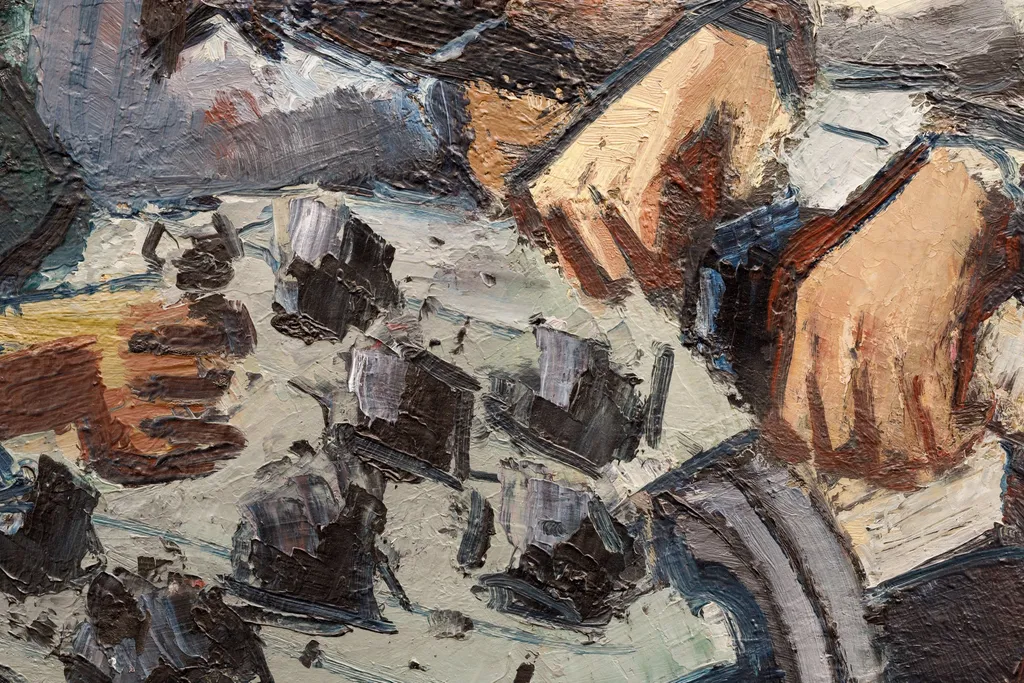
Femei în mină is a print by Max Herman Maxy. It dates from 1933 and is held in the collection of the National Museum of Art of Romania.
About this work
Overview
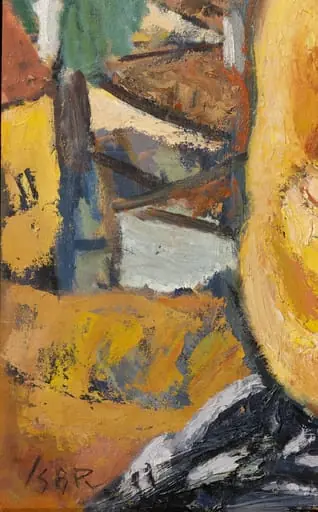
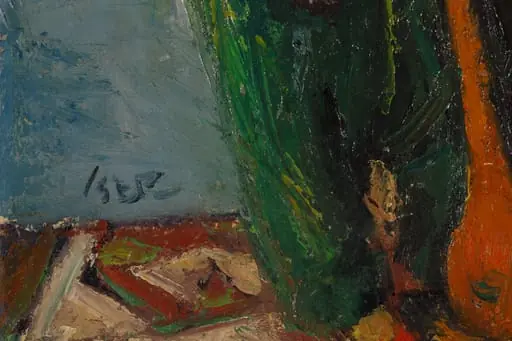
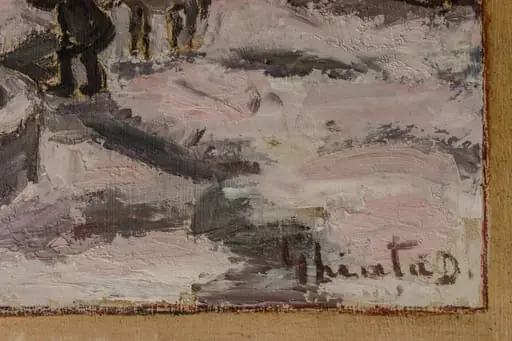
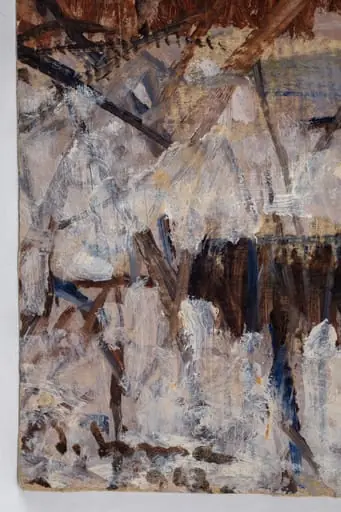
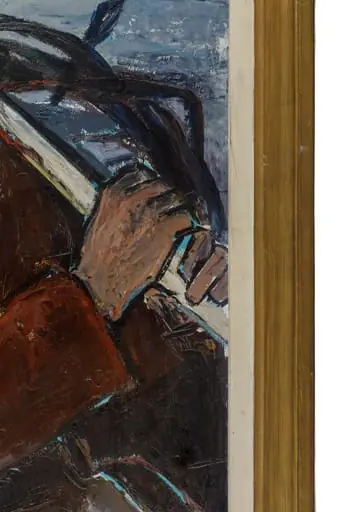
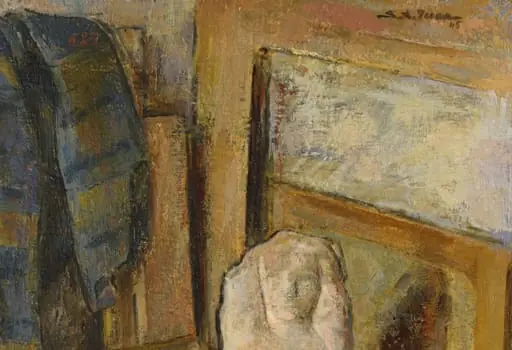
“Femei în mină” is an oil painting executed around 1933 by Romanian modernist Max Herman Maxy. The work presents a densely packed interior, rendered in a palette of earthy browns, muted grays and occasional blues, punctuated by stark whites and deep blacks. Its composition is dominated by thick, gestural brushwork that creates a tactile surface and a sense of enclosed, dimly lit space.
Subject & Meaning
The title indicates a scene of women working underground, likely in a coal or mineral mine. Though the figures are indistinct, the crowded, shadowy atmosphere suggests the physical labor and communal conditions of mining life, reflecting social concerns about industrial labor during the interwar period.
Technique & Style
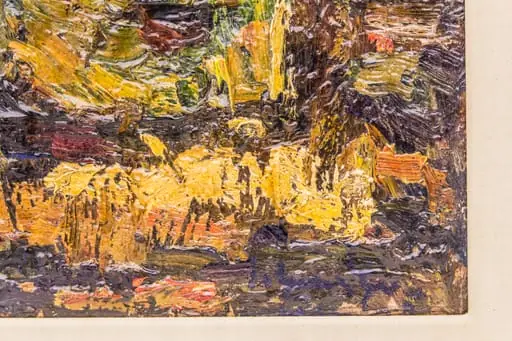
Maxy employs a heavy impasto application, laying paint in dense, uneven strokes that give the canvas a sculptural quality. The rough, almost aggressive handling of the medium aligns with the expressive tendencies of Romanian avant‑garde painting of the 1930s, emphasizing texture over precise representation.
History & Provenance
Created circa 1933, the painting belongs to the later phase of Maxy’s career, when he turned toward socially engaged subjects. Its ownership record is limited, but it has been exhibited in Romanian public collections focusing on interwar modernism.
Context
During the early 1930s, Romanian artists were increasingly drawn to themes of labor and the working class, influenced by broader European trends toward social realism. Maxy’s choice of a mining setting reflects both the economic importance of mining in Romania and the artist’s interest in portraying collective human effort.
Artist & collection
Artist
Max Herman Maxy made prints and paintings that feel like snapshots from a busy street.