Artwork
Fishermen's cottages in the dunes
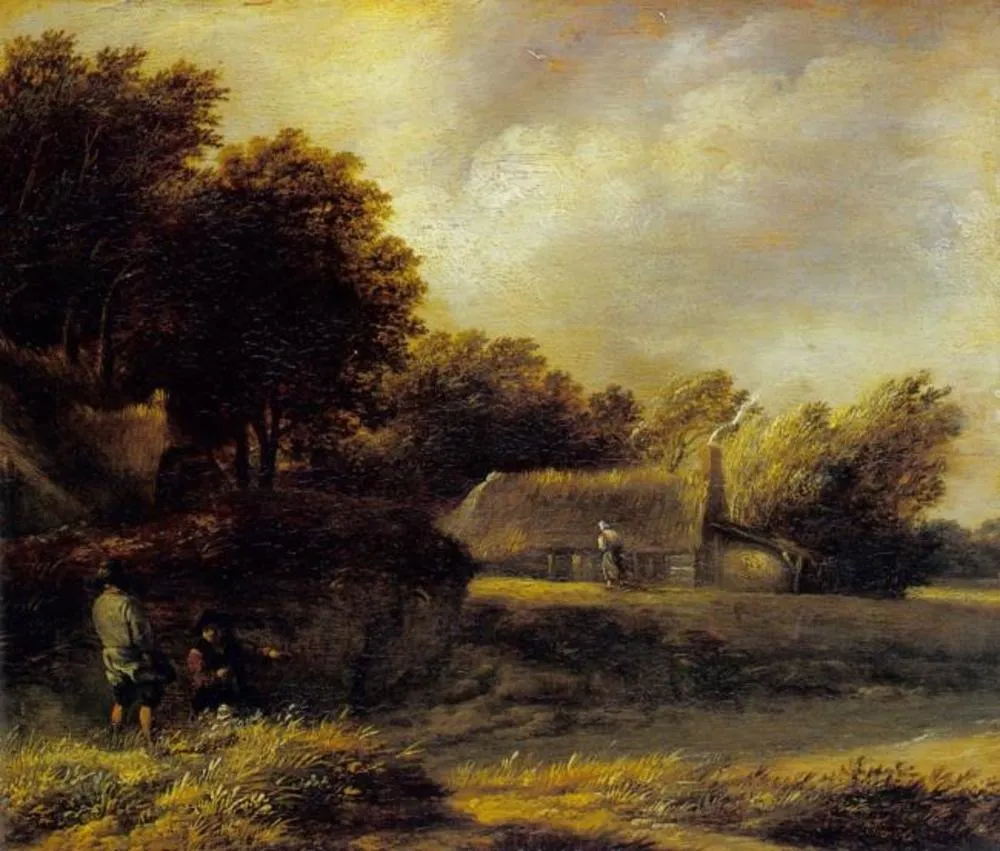
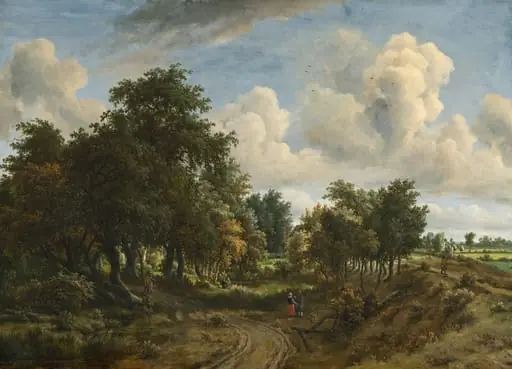
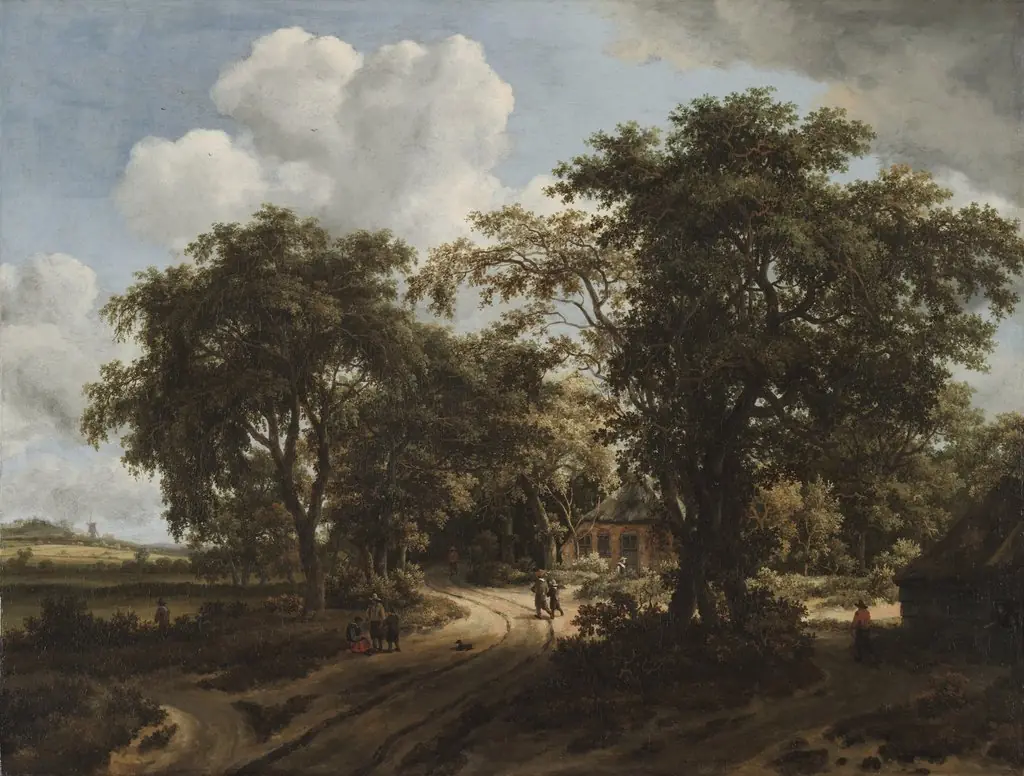
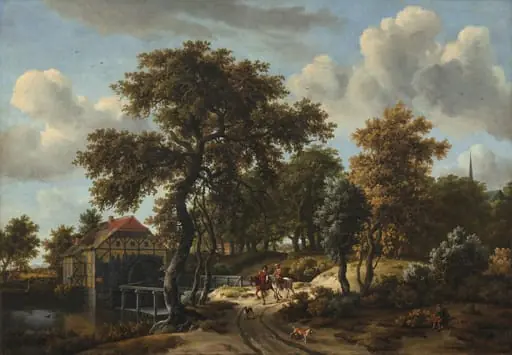
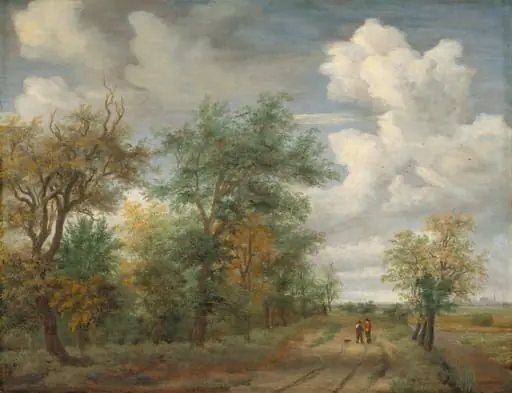
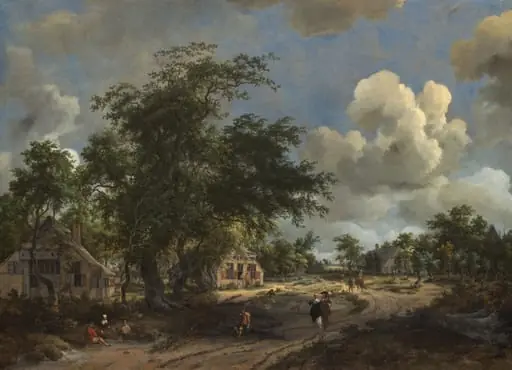
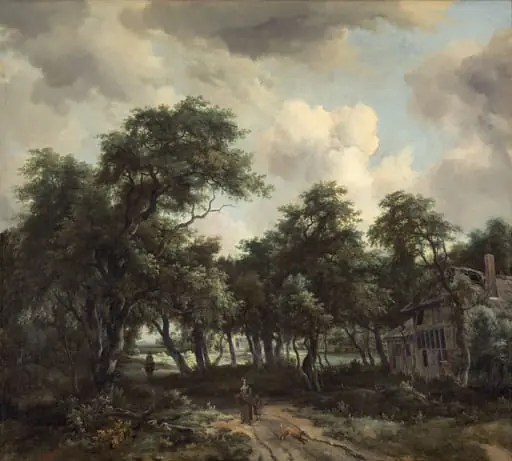
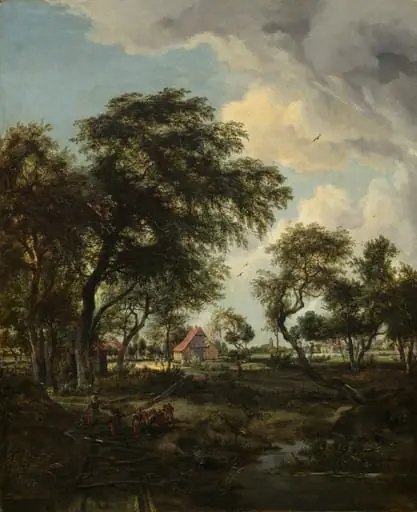
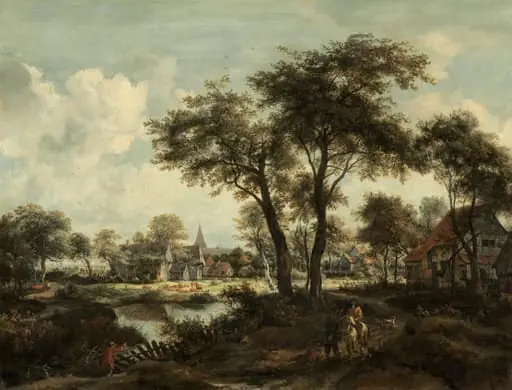
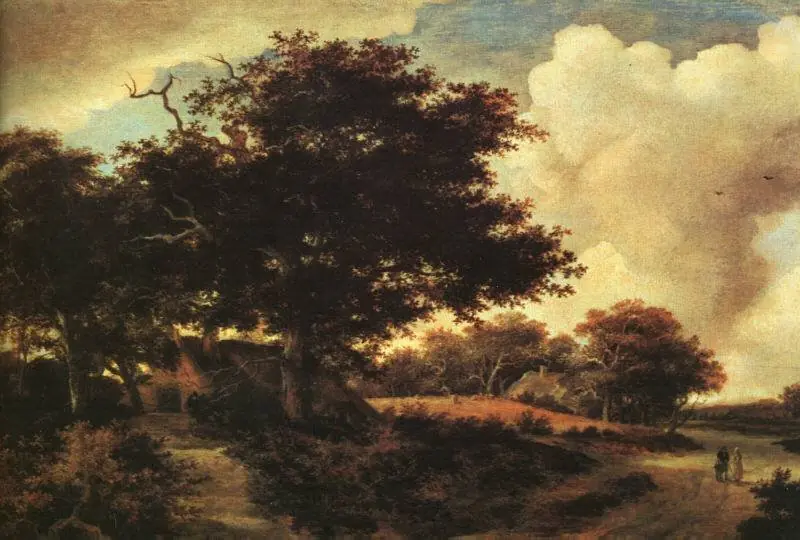
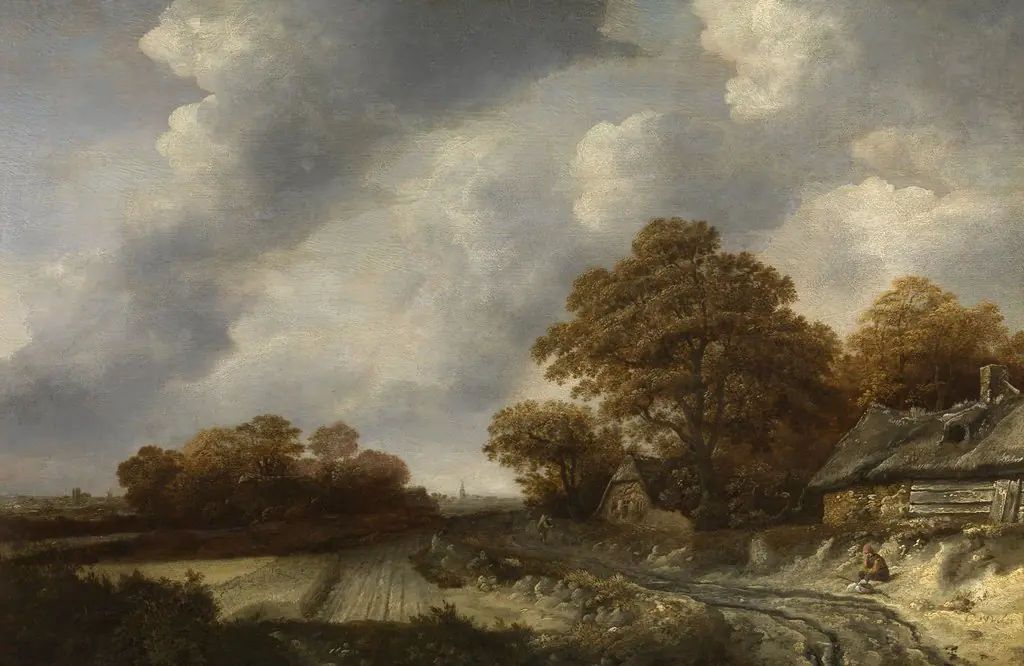
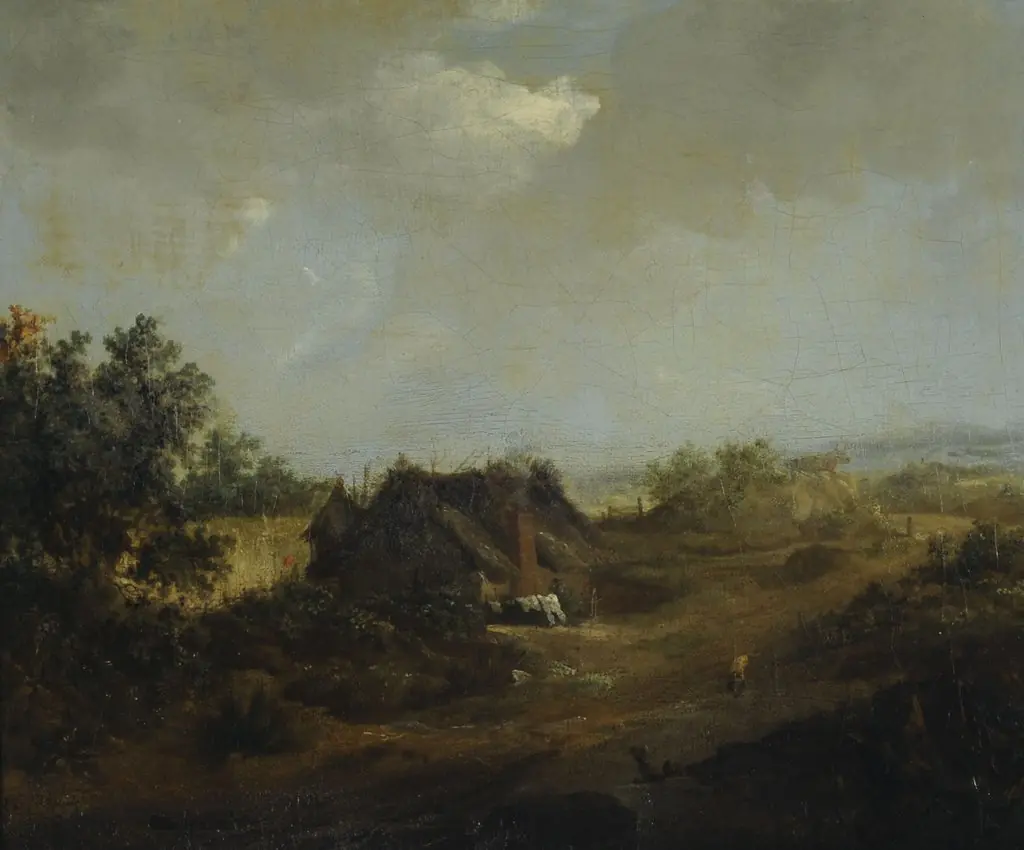
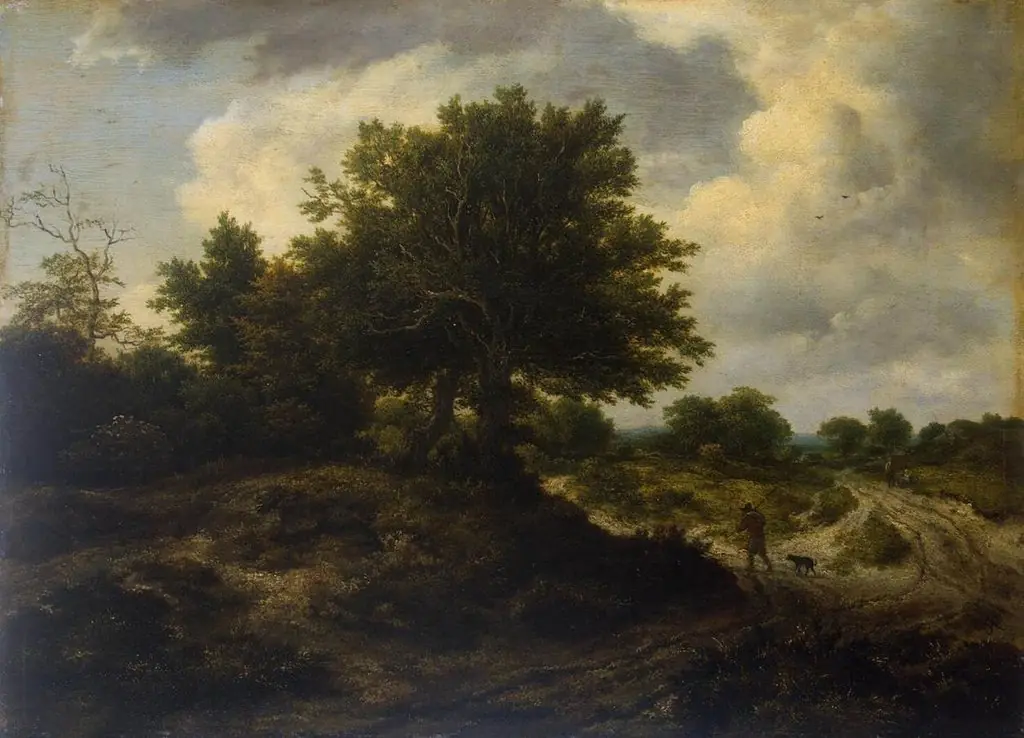
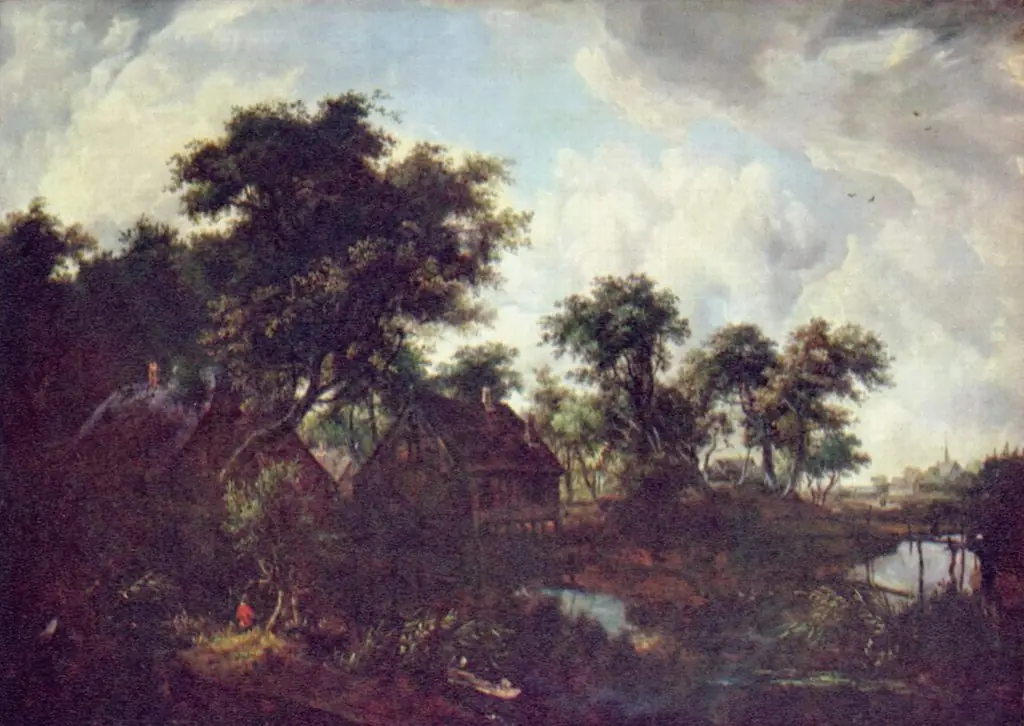
Fishermen's cottages in the dunes is an oil painting by the Dutch Golden Age artist Meindert Hobbema. It dates from 1690 and is held in the collection of the Städel Museum.
About this work
Overview
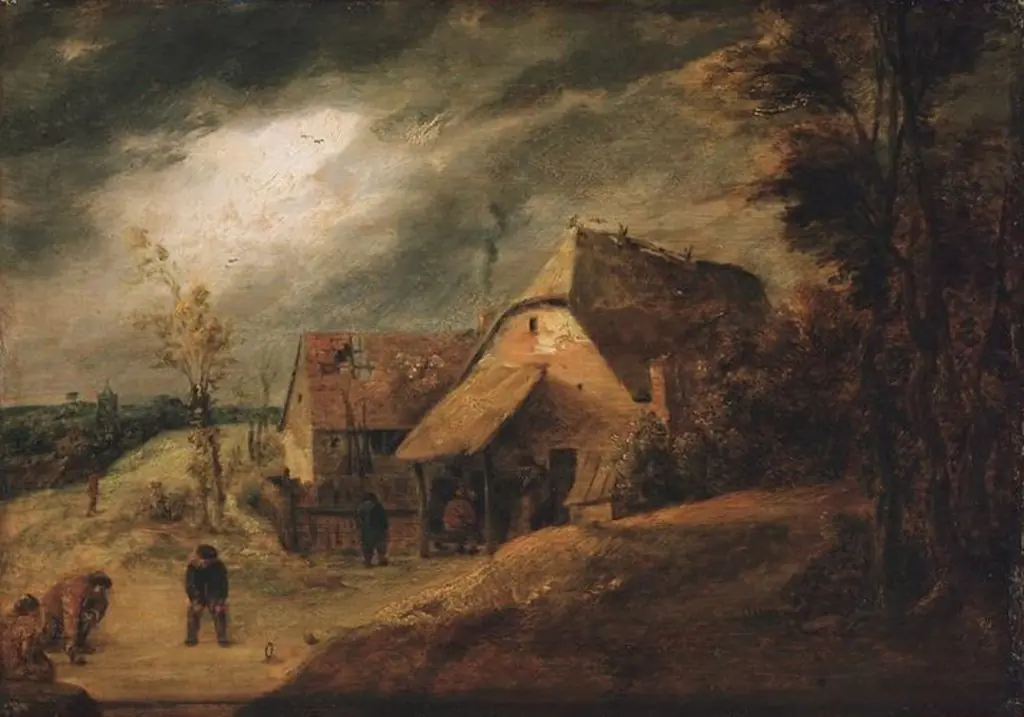
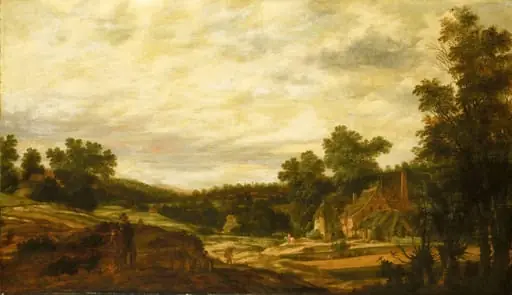
Fishermen's cottages in the dunes is a serene oil painting created in 1690 by Meindert Hobbema, a Dutch Golden Age landscape painter. The work captures a tranquil coastal scene with cottages nestled among dunes, set against a cloudy sky with warm, filtered sunlight.
Subject & Meaning
The painting portrays everyday life in a Dutch coastal setting, focusing on humble fishermen's cottages, inhabitants, and a figure possibly fishing in the foreground. The scene conveys a sense of peaceful, rustic existence.
Technique & Style
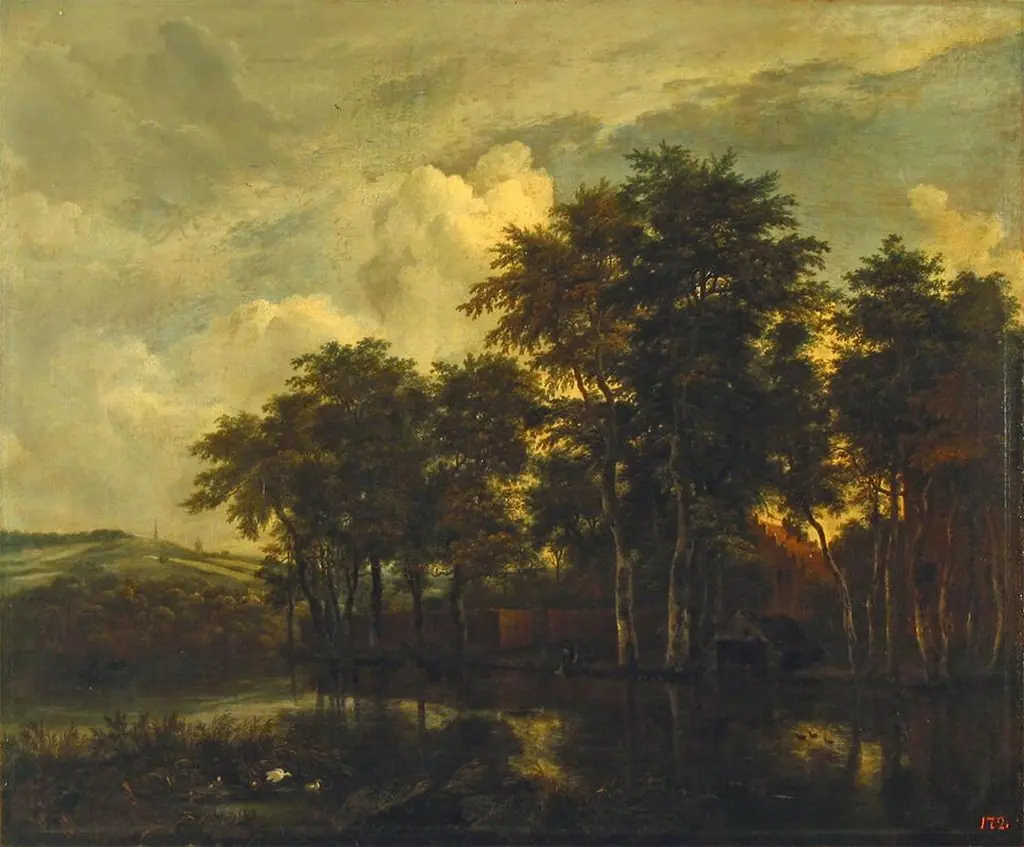
Hobbema employed muted earth tones (browns, greens, grays) and chiaroscuro to add depth, drawing the viewer's eye towards the cottages and distant figures. The style, while typically associated with woodland scenes, here adapts to coastal landscape nuances.
History & Provenance
Created in 1690, the painting is part of the Städel Museum's collection. Hobbema, a student of Jacob van Ruisdael, deviated from his usual woodland themes to depict this coastal vista.
Context
As a Dutch Golden Age work, it reflects the period's fascination with everyday Dutch life and landscapes. Hobbema's adaptation of van Ruisdael's influences to a coastal setting highlights the diversity within the era's landscape painting.
Legacy
While specific impact on later artists is not detailed, the painting contributes to the broader legacy of Dutch Golden Age landscape painting, emphasizing serene, detailed depictions of natural and domestic scenes.
Artist & collection
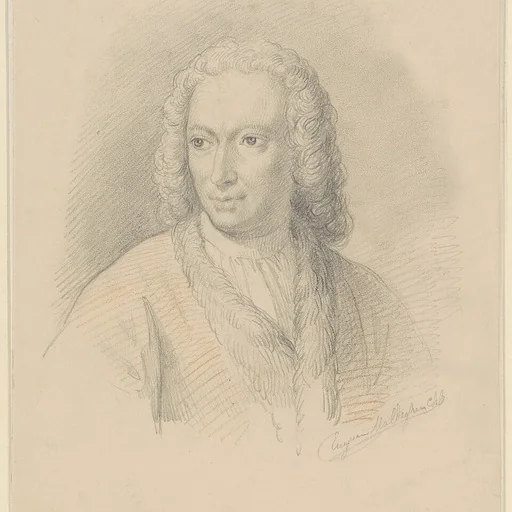
Artist
Meindert Lubbertszoon Hobbema (bapt. 31 October 1638 – 7 December 1709) was a Dutch Golden Age painter of landscapes, specializing in views of woodland, although his most famous painting, The Avenue at Middelharnis…