Artwork
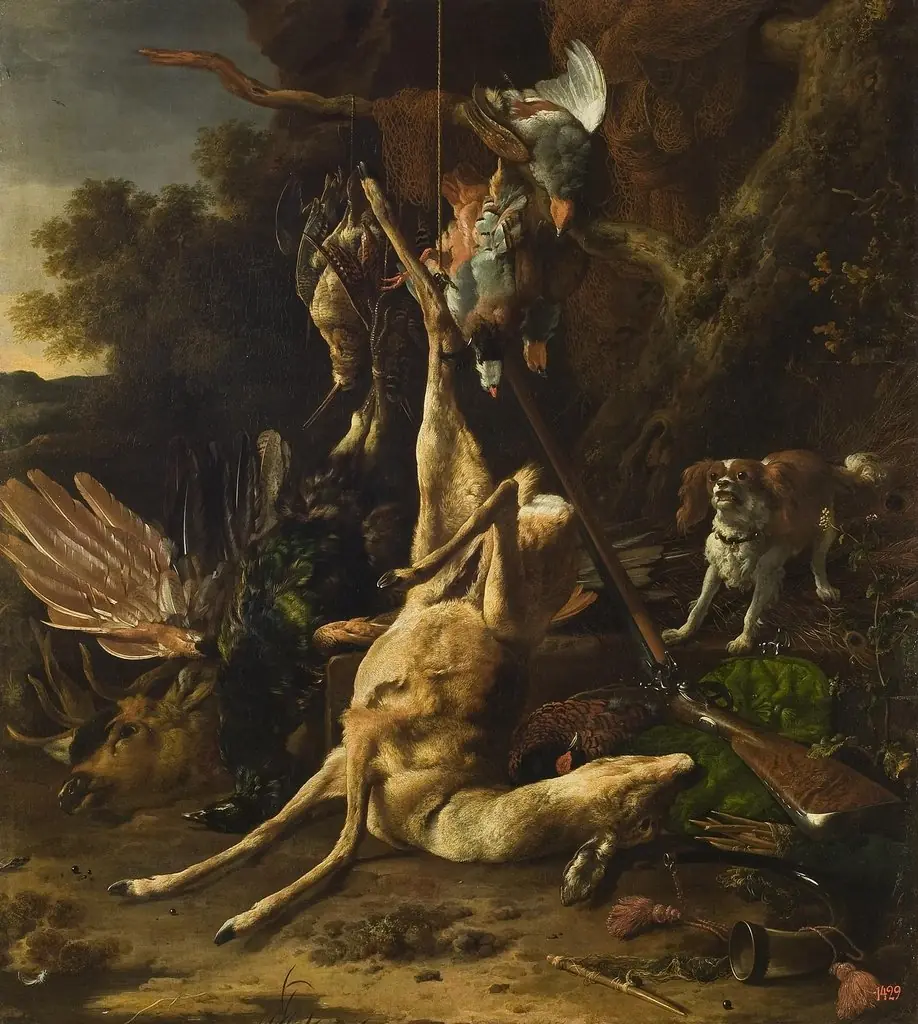
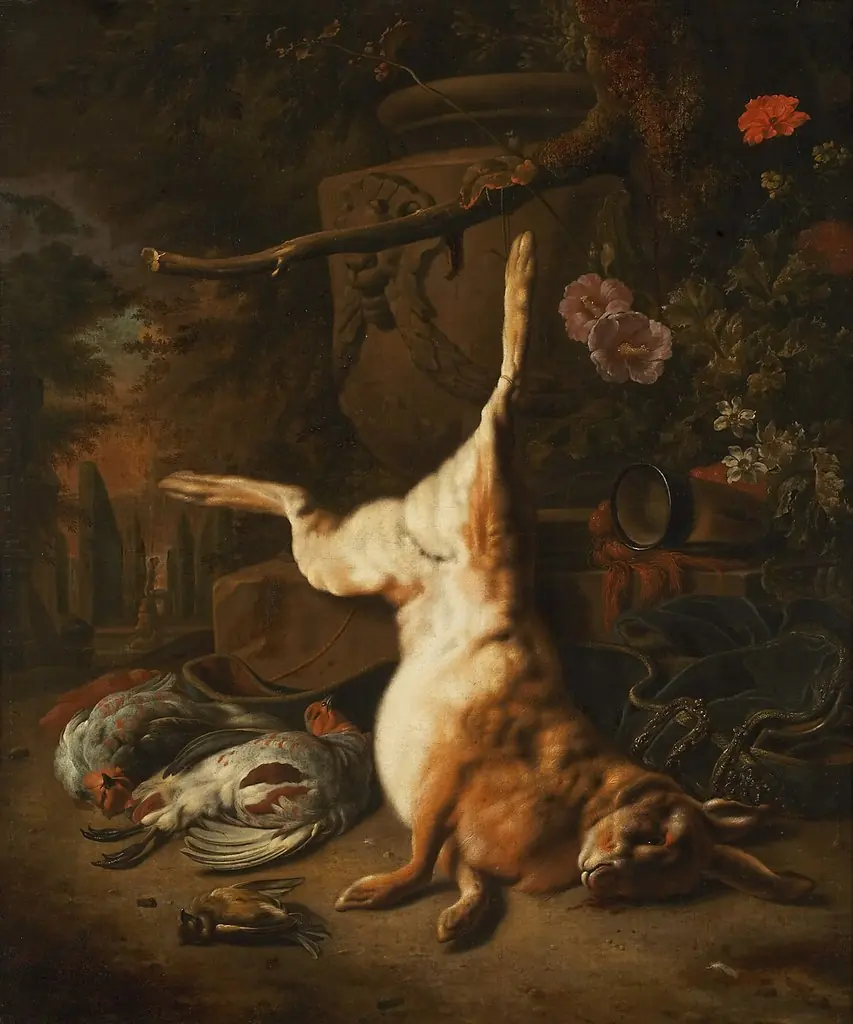
A hunter's bag with dead hare
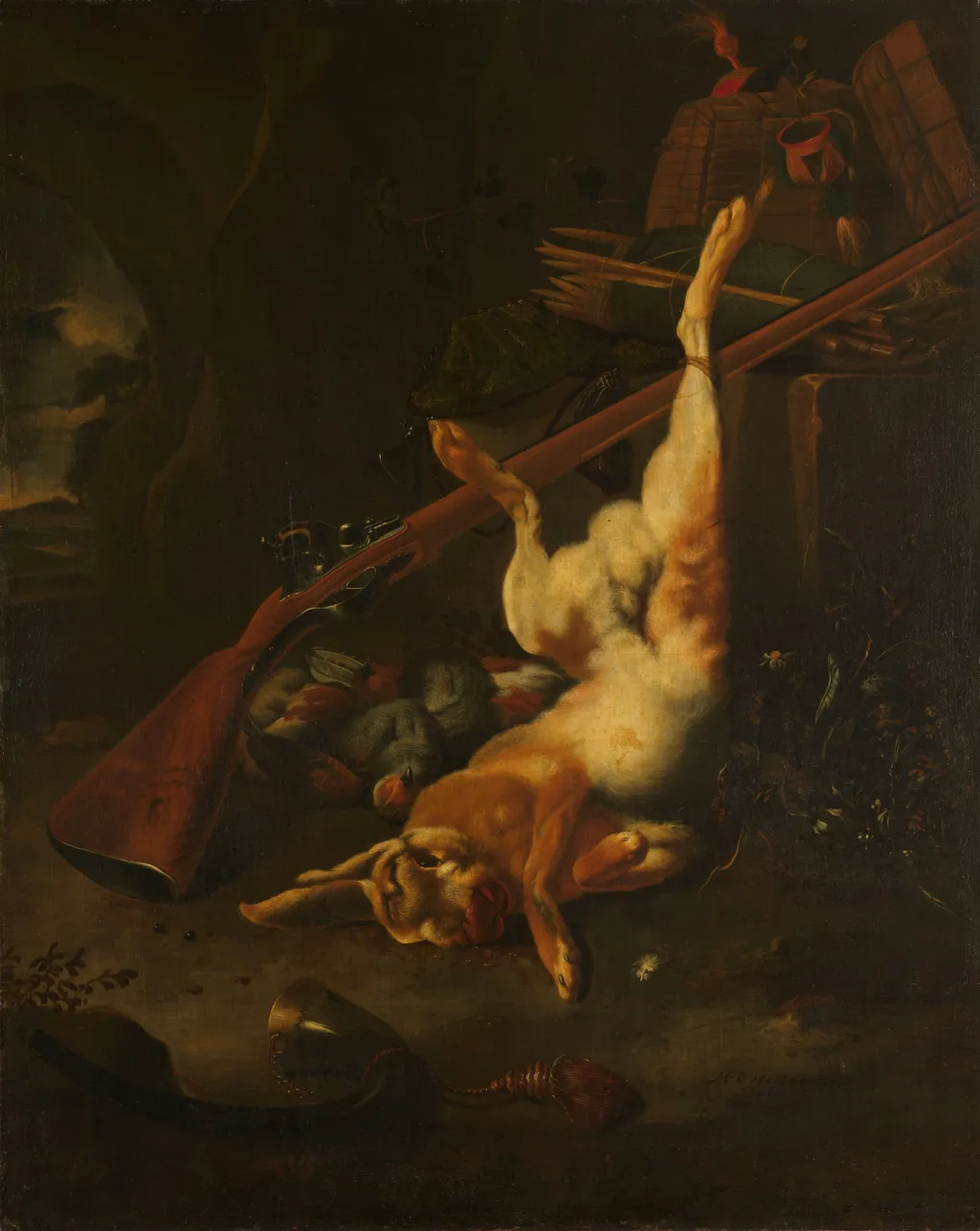
A hunter's bag with dead hare is an oil painting by Melchior d' Hondecoeter. It dates from 1689 and is held in the collection of the Rijksmuseum.
About this work
Overview
Painted in 1689 by Melchior d'Hondecoeter, this oil on canvas work presents a quiet still life centered on a hunter’s leather bag and a dead hare.
Painted in 1689 by Melchior d'Hondecoeter, this oil on canvas work presents a quiet still life centered on a hunter’s leather bag and a dead hare. Alongside the hare, several game birds and hunting tools are arranged with deliberate stillness. The composition reflects the Dutch Golden Age’s fascination with natural observation and the quiet aftermath of the hunt, rendered without overt drama or sentiment.
Subject & Meaning
The painting’s subject—a hare laid out with limbs extended and head tilted—evokes a moment suspended between life and death. The presence of a gun, knife, and pouch suggests the hunter’s recent activity, yet the scene is devoid of human figures. This absence invites contemplation of nature’s cycles, where the bounty of the hunt is displayed not as triumph but as quiet consequence.
Technique & Style
D'Hondecoeter employs chiaroscuro to model the textures of fur, leather, and feathers with precision. Light falls selectively, emphasizing the hare’s form and the sheen of the bag’s strap, while shadows deepen the spatial depth. Brushwork is controlled yet varied—soft for feathers, crisp for metal and wood—creating tactile realism without theatricality, characteristic of Dutch still-life conventions.
History & Provenance
Created in the final years of the artist’s life, the painting aligns with d'Hondecoeter’s established focus on avian and game subjects. It entered public collections in the 19th century and has since been held in European institutions. Its survival in good condition reflects its early recognition as a representative example of late 17th-century Dutch naturalism.
Context
In late 17th-century Holland, still lifes often conveyed moral or philosophical themes through everyday objects. Hunting scenes, particularly those featuring game and tools, resonated with urban elites who engaged in sport as a social ritual. This painting fits within a broader tradition where nature’s bounty was rendered with scientific attention and restrained symbolism.
Legacy
Though less celebrated than d'Hondecoeter’s bird compositions, this work exemplifies his skill in integrating animals into composed, contemplative scenes. It influenced later still-life painters who sought to balance realism with quiet narrative. The painting remains a quiet testament to the Dutch tradition of observing nature’s details with both precision and restraint.
Own this work as a print
Artist & collection
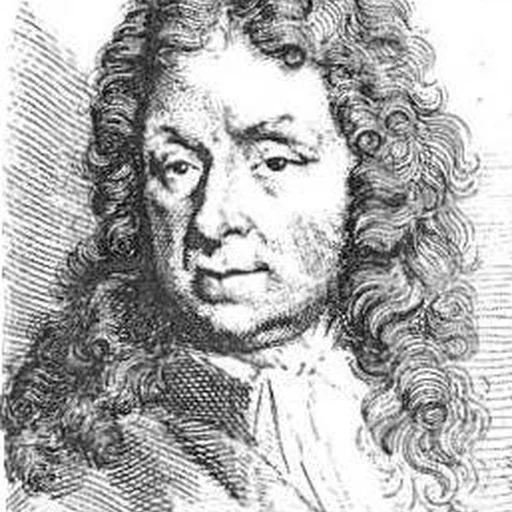
Artist
Melchior d'Hondecoeter (Dutch pronunciation: ; c. 1636 – 3 April 1695), Dutch animalier painter, was born in Utrecht and died in Amsterdam. After the start of his career, he painted virtually exclusively bird subjects,…