Artwork
Untitled
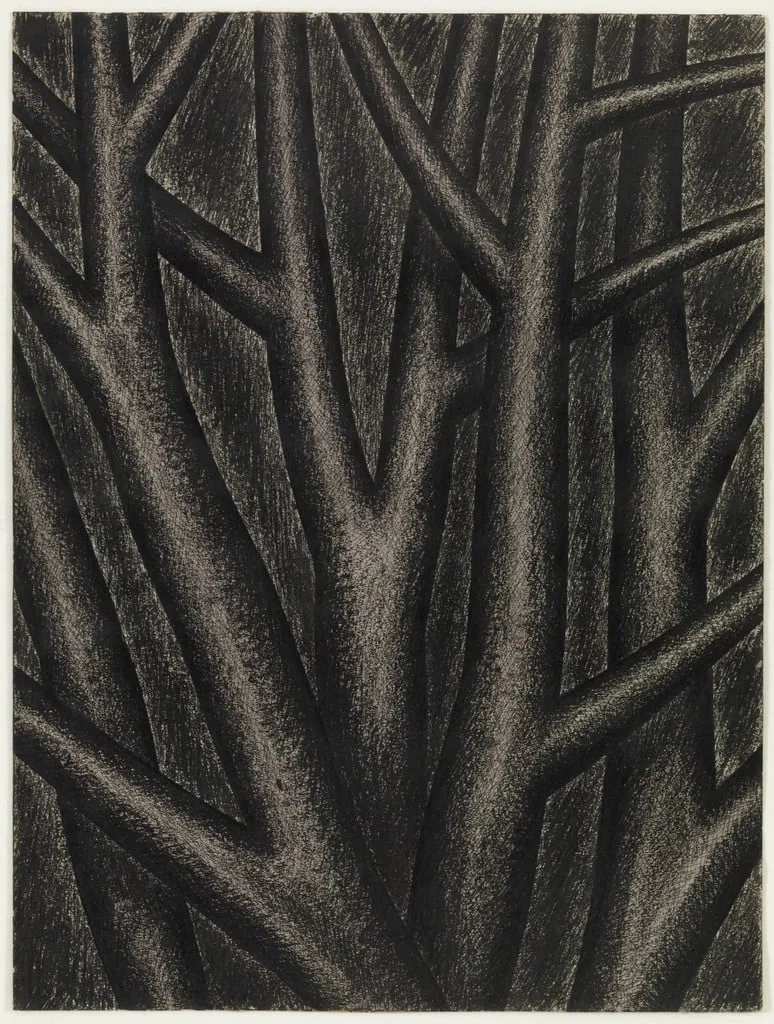
Untitled is a crayon drawing by Mell Daniel. It dates from 1923 and is held in the collection of the Museum of Modern Art.
About this work
Overview
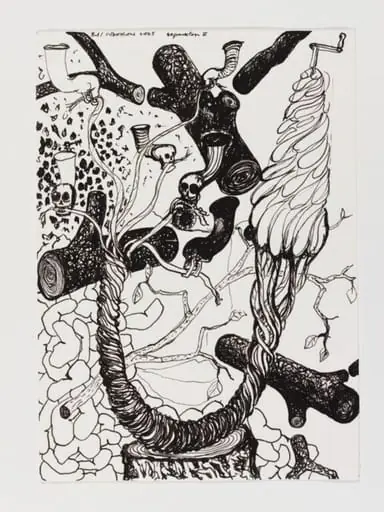
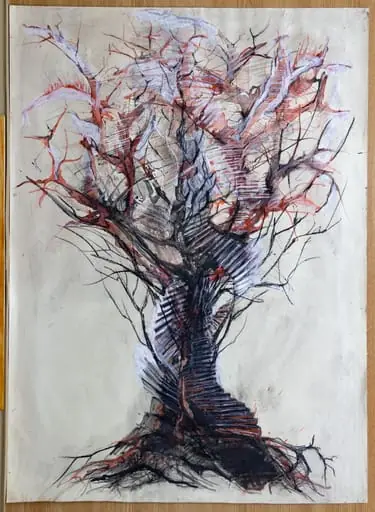
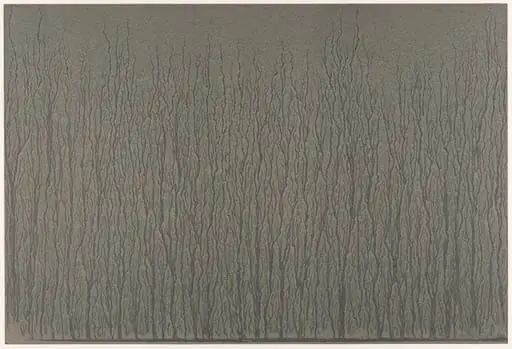
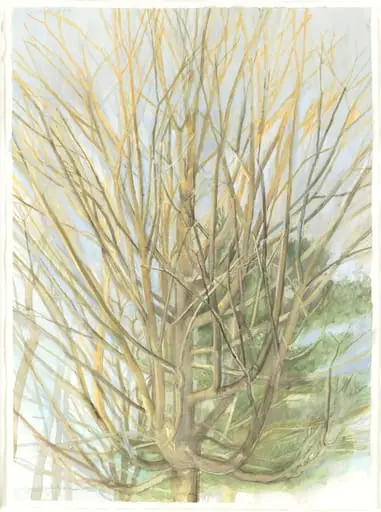
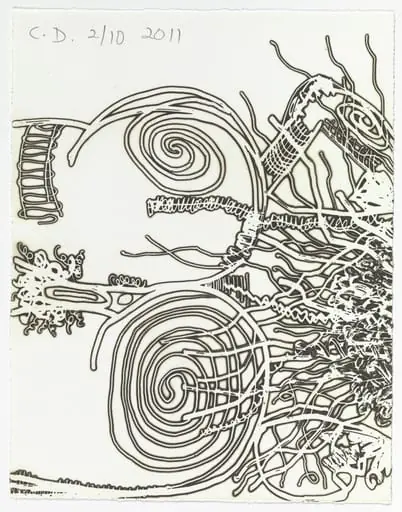
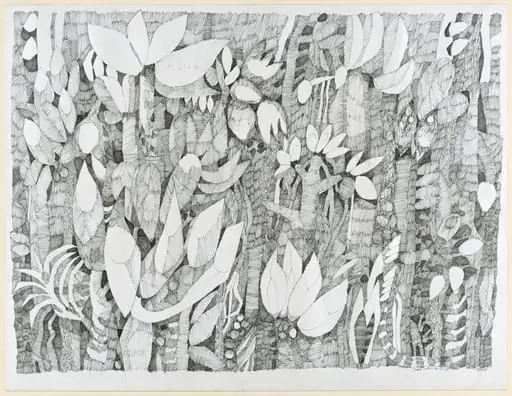
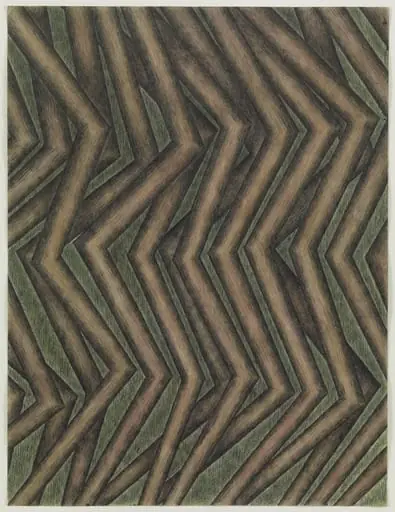
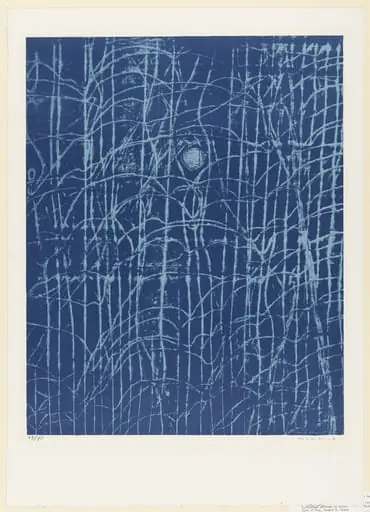
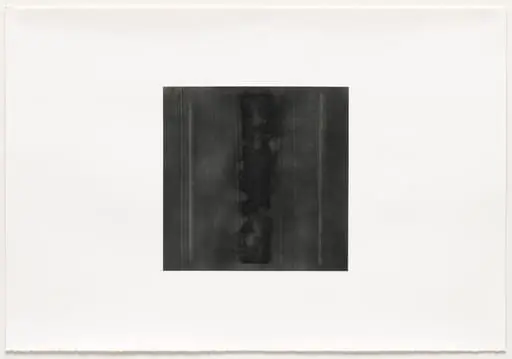
Created in 1923 by Mell Daniel, this drawing is executed in crayon and ink on paper. It resides in the collection of The Museum of Modern Art. The composition is entirely abstract, with no discernible figures or objects. The surface is densely covered with intersecting strokes that generate form through contrast alone, relying on tonal variation rather than hue or outline.
Subject & Meaning
The work resists literal interpretation. It does not depict a scene, person, or symbol. Instead, it presents a field of rhythmic, overlapping marks that evoke texture and spatial tension. The absence of recognizable subject matter invites attention to the physical act of mark-making and the visual weight of line density, suggesting an exploration of structure through abstraction.
Technique & Style
The technique emphasizes precision and repetition, transforming simple tools into a medium of intricate visual rhythm.
Daniel employed fine, tightly packed cross-hatching in black crayon and ink to build a complex surface. Layers of angular strokes create a sense of depth and shadow without color. The pressure and direction of each line contribute to a tactile quality resembling carved wood or etched metal. The technique emphasizes precision and repetition, transforming simple tools into a medium of intricate visual rhythm.
History & Provenance
The drawing was made in 1923 and entered the collection of The Museum of Modern Art at an early stage in the institution’s history. Its acquisition reflects the museum’s early interest in non-representational works by lesser-known artists. No public record details its creation context or prior ownership, but its preservation suggests recognition of its formal innovation within modernist drawing practices.
Context
Created during a period when abstraction was gaining traction in avant-garde circles, the work aligns with broader experiments in non-objective art. While European artists like Kandinsky or Klee were exploring similar ideas, Daniel’s approach remained distinct—rooted in manual, labor-intensive mark-making rather than symbolic or spiritual intent. It reflects a quiet, personal engagement with abstraction outside mainstream movements.
Legacy
Though not widely exhibited or published, the drawing contributes to the understanding of early 20th-century American drawing practices. Its emphasis on texture and process anticipates later postwar interests in materiality and gesture. It stands as a quiet example of how minimal means—crayon and ink—could generate complex visual fields, influencing how subsequent artists considered the potential of line and surface.
Artist & collection