Artwork
H Beard Print Collection
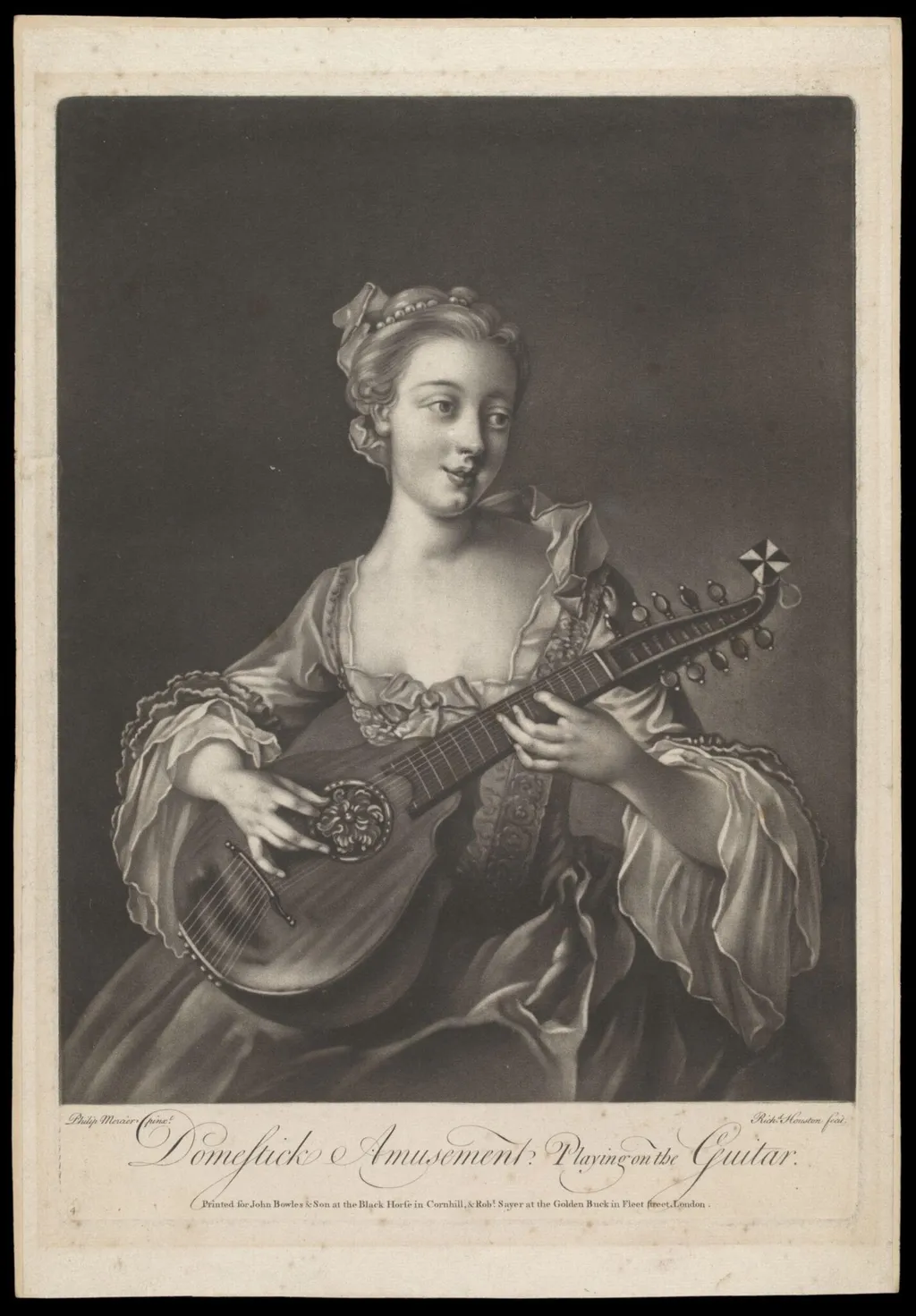
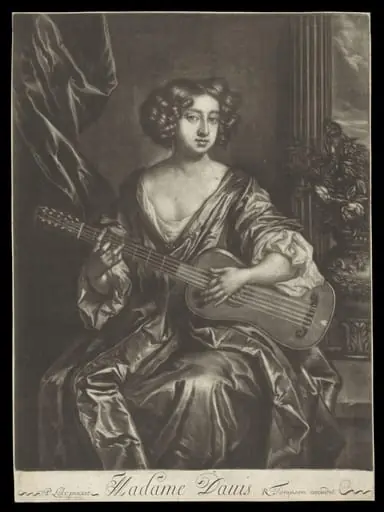
H Beard Print Collection is a print by Philip Mercier. It dates from 1750 and is held in the collection of the Victoria and Albert Museum. This 18th-century print depicts a quiet interior scene titled 'Domestick Amusement.
About this work
Overview
The composition reflects the era’s interest in everyday life, rendered through the accessible medium of print to reach a broad audience.
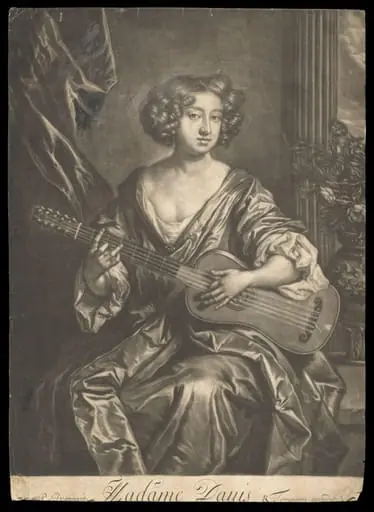
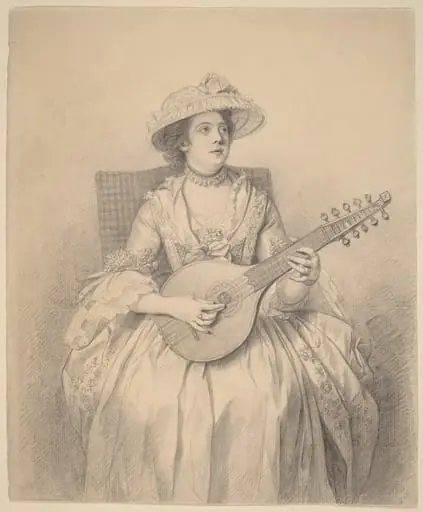
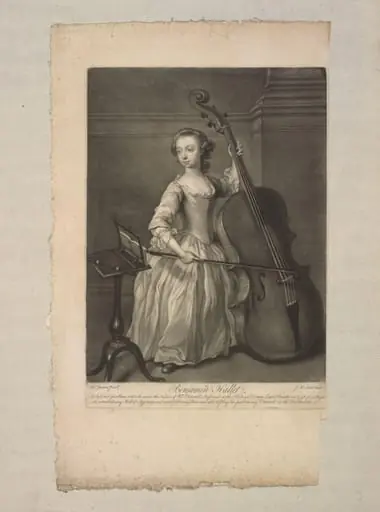
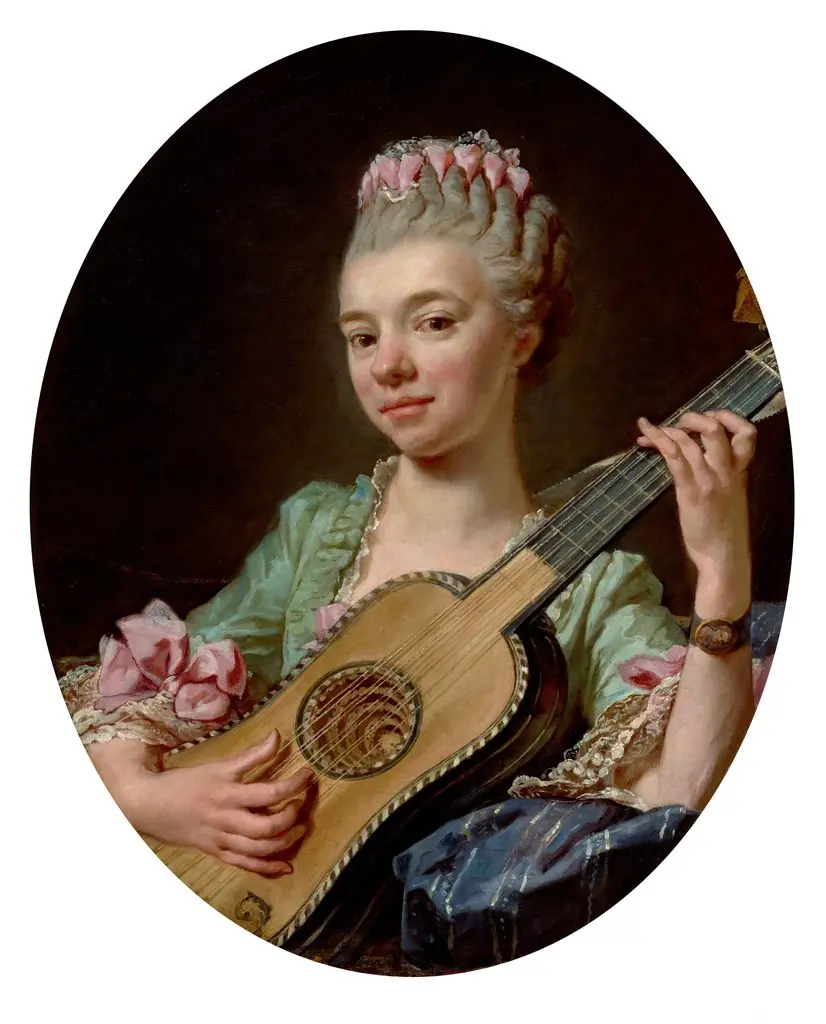
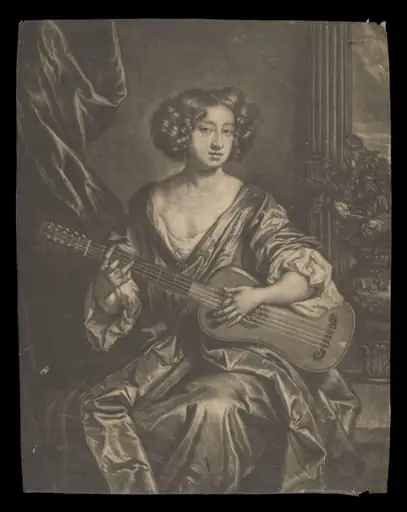
This 18th-century print depicts a quiet interior scene titled 'Domestick Amusement. Playing on the Guitar,' produced by the London publishers John Bowles & Son and Robert Sayer. It captures a domestic moment in which a woman plays guitar, surrounded by others in a modest home setting. The composition reflects the era’s interest in everyday life, rendered through the accessible medium of print to reach a broad audience.
Subject & Meaning
The scene illustrates a common theme in Georgian visual culture: intimate, unpretentious home life. The woman’s musical activity is not performance but leisure, suggesting harmony and quiet companionship. The title frames the moment as a form of domestic virtue, aligning with contemporary ideals of refined, private conduct among the middling classes.
Technique & Style
Executed as a line engraving with subtle tonal shading, the print employs controlled hatching to suggest light and texture without dramatic contrast. Figures are rendered with delicate precision, and the interior space is defined by simple furnishings and spatial depth, avoiding theatricality in favor of restrained realism characteristic of commercial printmaking of the period.
History & Provenance
Published in London during the mid-to-late 1700s, the print was part of a commercial series aimed at middle-class consumers interested in domestic imagery. Bowles and Sayer were prolific publishers of such scenes, distributing them widely through print shops and booksellers. The work survives in several institutional collections, indicating its circulation and enduring interest.
Context
This print belongs to a broader trend in British art that elevated ordinary domestic moments as worthy subjects, influenced by literature and moral philosophy of the time. Similar scenes appeared in paintings by Hogarth and later in mezzotints, reflecting a cultural shift toward valuing privacy, modesty, and familial bonds over grand narratives.
Legacy
Though not attributed to a single renowned artist, the print exemplifies how commercial printmaking democratized access to visual culture. Its preservation in archives underscores its role in documenting social norms and aesthetic preferences of 18th-century Britain, offering insight into how leisure and gender roles were visually constructed.
Artist & collection