Artwork
Woman Playing a Lute
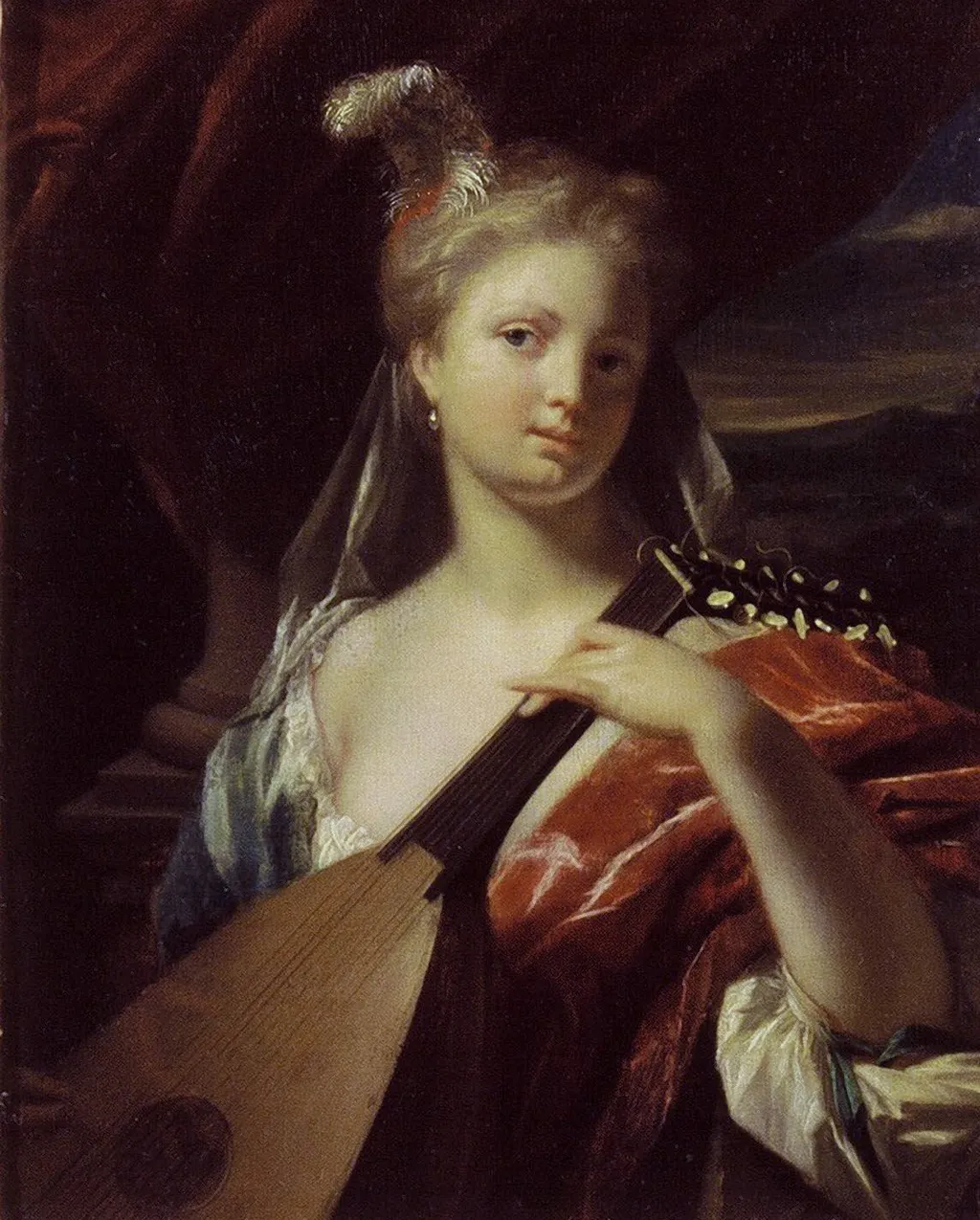
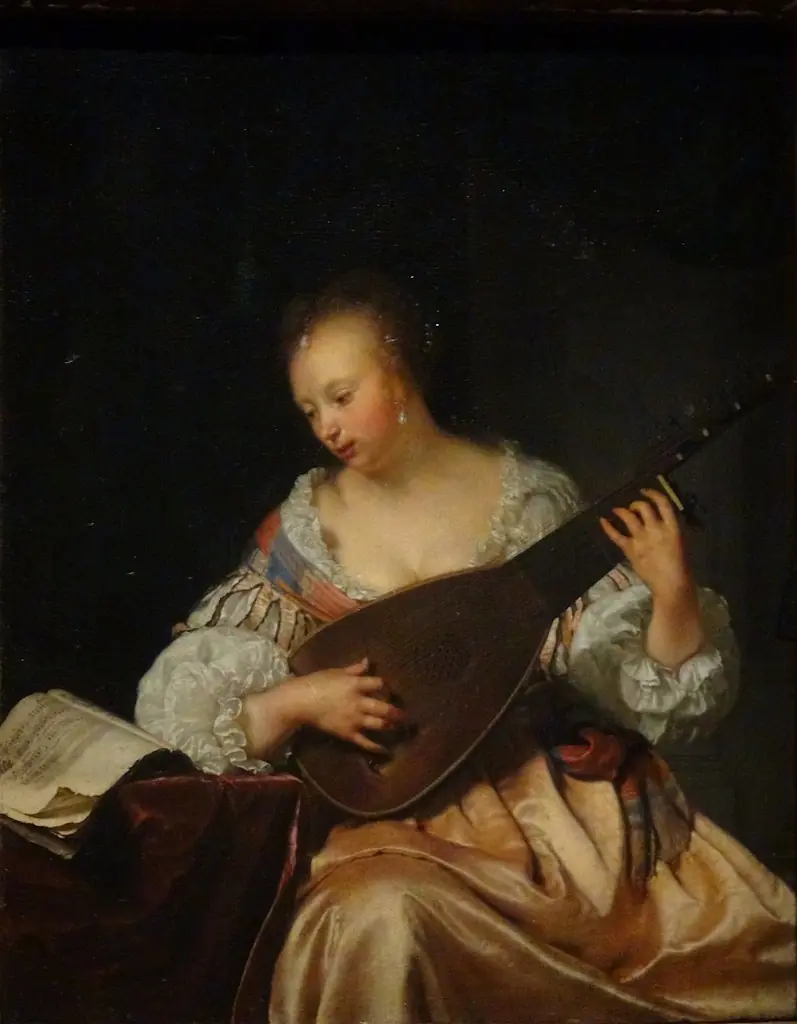
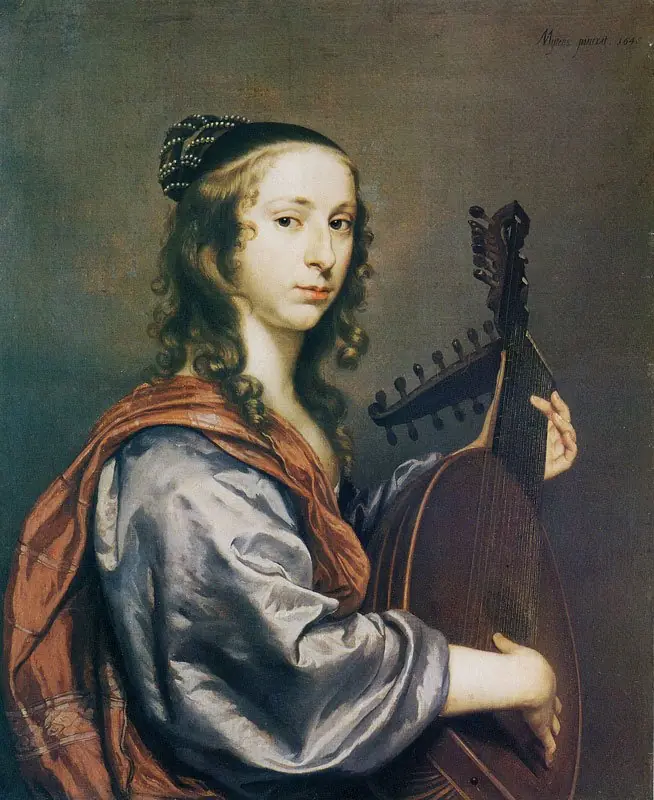
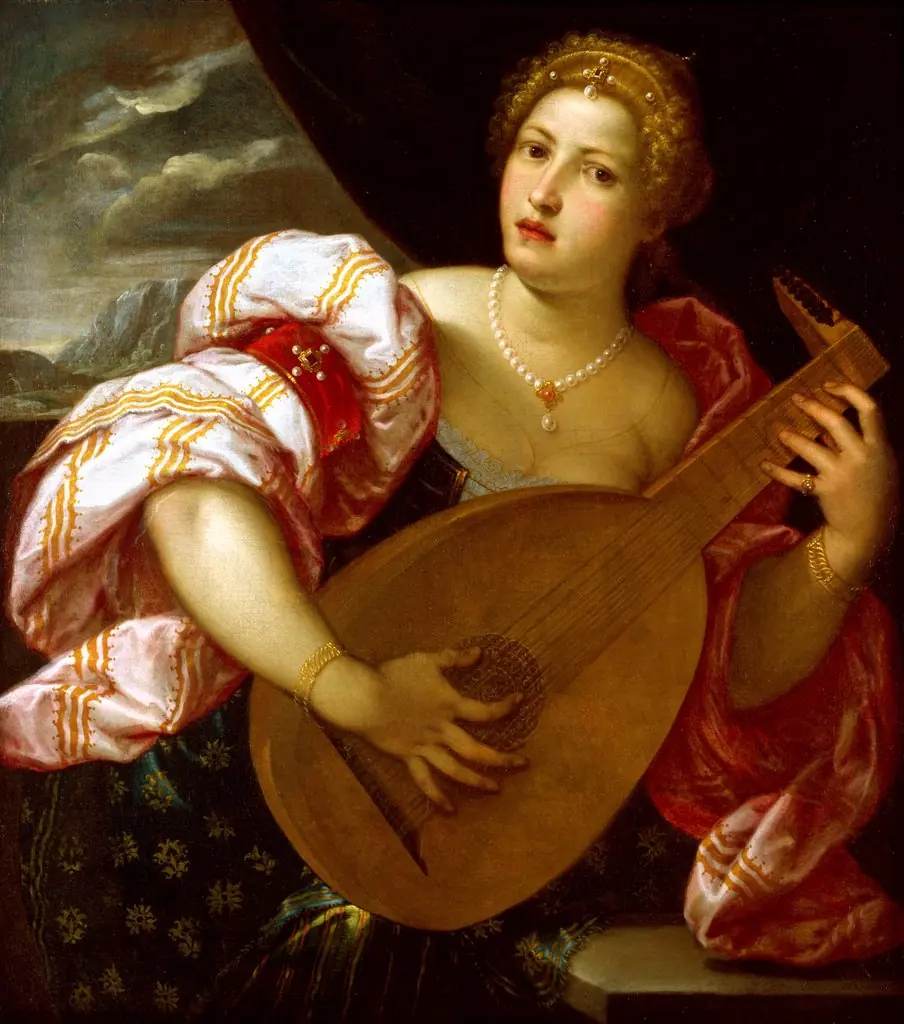
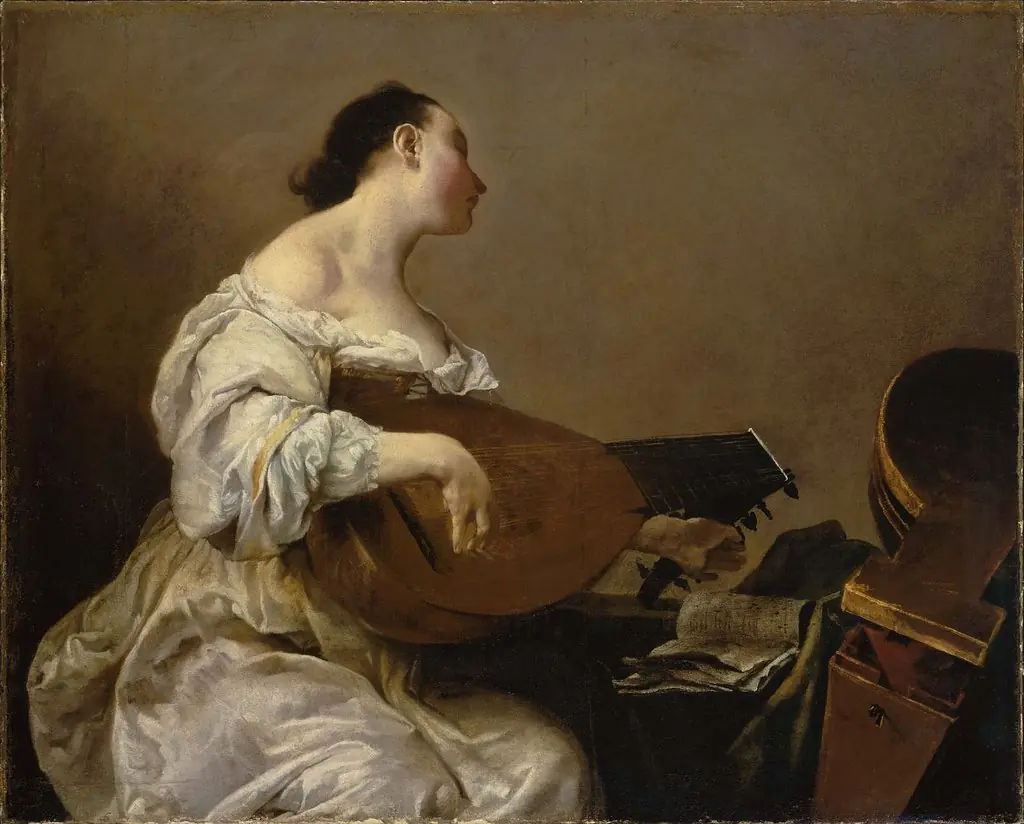
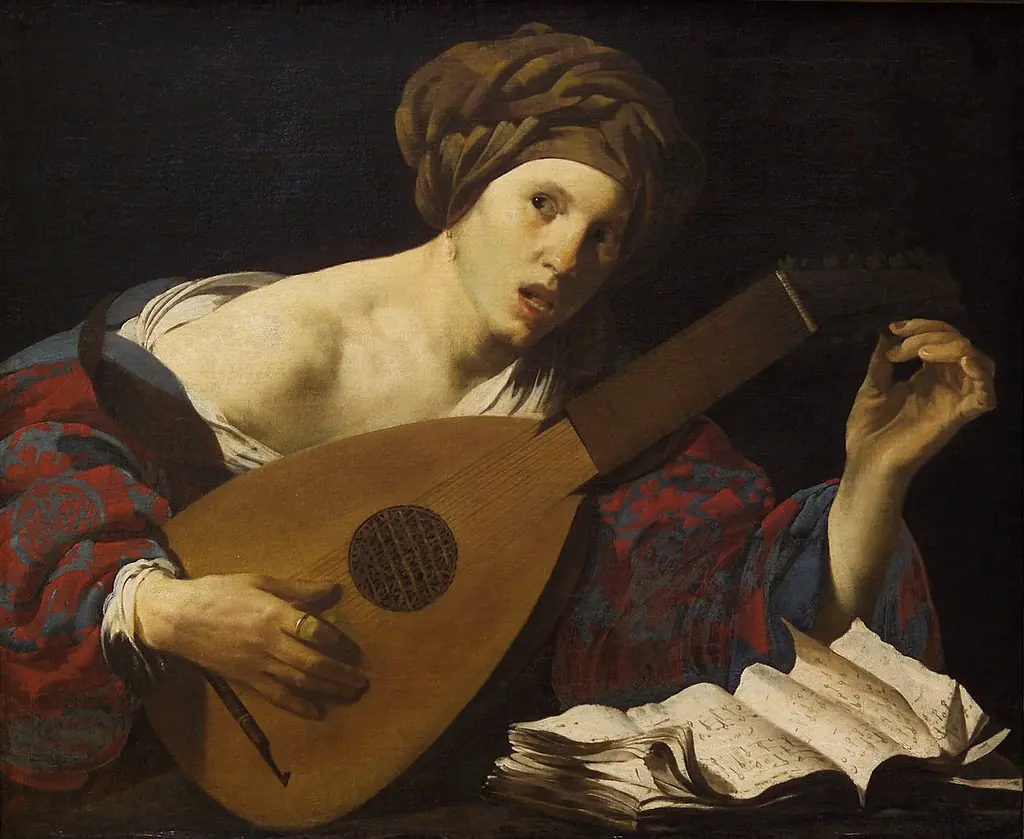
Woman Playing a Lute is an oil painting by the Rococo painting artist Philip van Dijk. It dates from 1725 and is held in the collection of the Rijksmuseum.
About this work
Overview
It is held in the collection of the Mauritshuis in The Hague, where it is displayed as an example of refined interior portraiture from the period.
Painted in 1725 by Philip van Dijk, this oil-on-canvas work presents a solitary woman engaged with a lute. The composition is intimate, focusing on the figure against a muted, dark background. The painting belongs to the genre tradition of quiet domestic scenes common in early 18th-century Dutch art. It is held in the collection of the Mauritshuis in The Hague, where it is displayed as an example of refined interior portraiture from the period.
Subject & Meaning
The woman, depicted in quiet repose, embodies a contemplative ideal of feminine refinement. Her engagement with the lute suggests musical leisure, a cultivated pastime associated with elegance and introspection. The absence of narrative or interaction emphasizes solitude, inviting the viewer to share in her stillness. The red ribbon and shawl introduce subtle color contrasts, reinforcing her presence without disrupting the calm mood.
Technique & Style
Van Dijk employs soft, controlled brushwork to render textures: the sheen of silk, the grain of the lute, and the smoothness of skin. The dark background isolates the figure, enhancing three-dimensionality through chiaroscuro. Light falls gently across her face and hands, drawing attention to her gesture. The landscape glimpsed behind her is rendered in faint, atmospheric tones, adding depth without distraction from the central subject.
History & Provenance
The painting entered the Mauritshuis collection in the 19th century, likely through acquisition from a Dutch private collection. Its attribution to Philip van Dijk has been consistently supported by stylistic analysis and archival records. No significant alterations or restorations are documented, preserving its original tonal balance and delicate detail as intended by the artist.
Context
In early 18th-century Holland, genre scenes of women in domestic settings were popular among middle- and upper-class patrons. Music-making was a socially acceptable expression of refinement, particularly for women. Van Dijk’s work aligns with this trend, reflecting cultural values that associated leisure, modesty, and artistic skill with idealized femininity.
Legacy
Though not widely known outside specialist circles, the painting exemplifies the quiet precision of Dutch genre painting in the decades after Rembrandt. It contributes to the understanding of how everyday moments were elevated through composition and light. Van Dijk’s restrained approach influenced later artists who favored introspective subjects over dramatic narratives.
Artist & collection
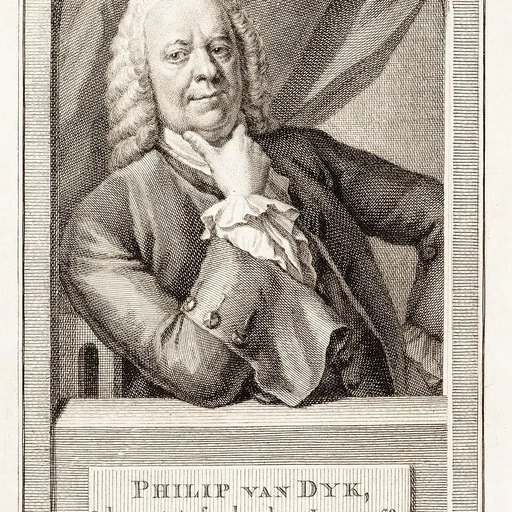

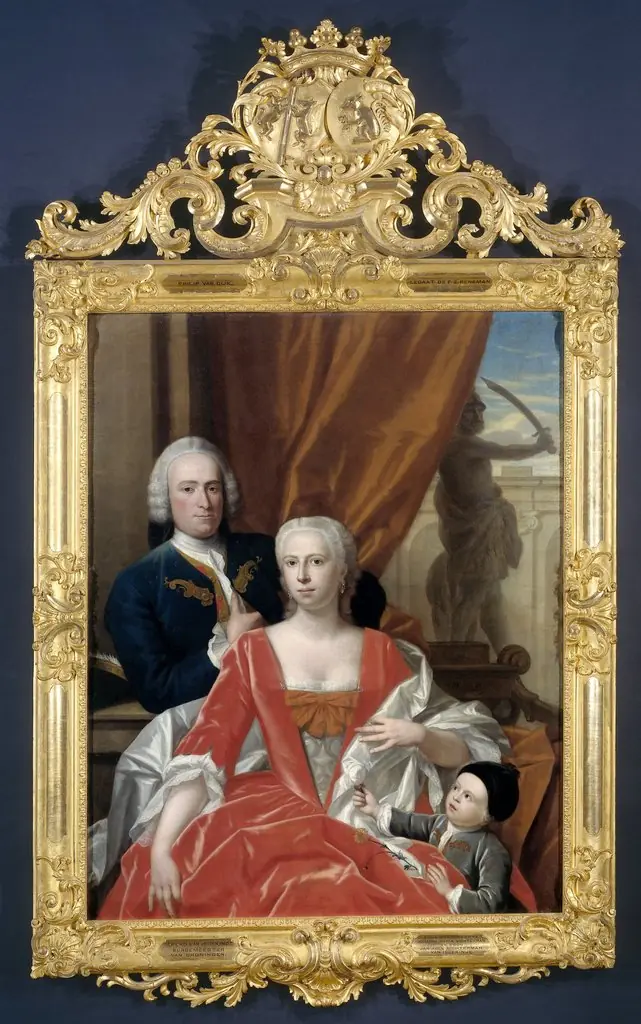 Berend van Iddekinge with his Wife and their Son
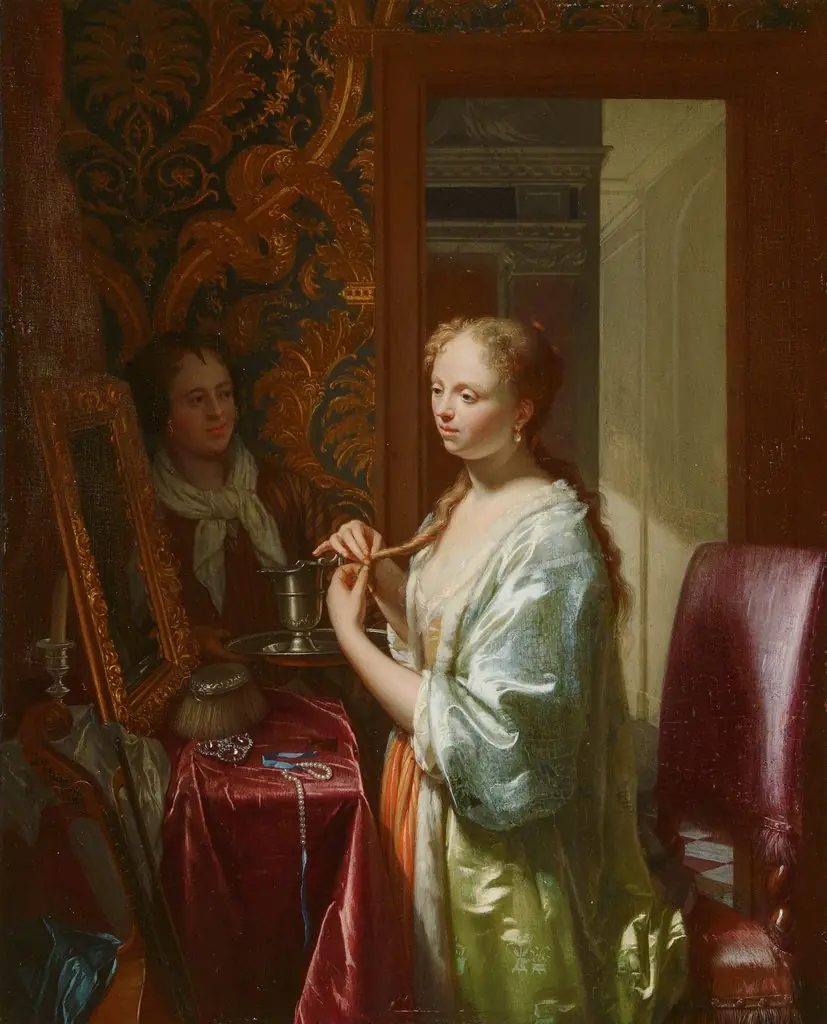 Lady attending to her toilet
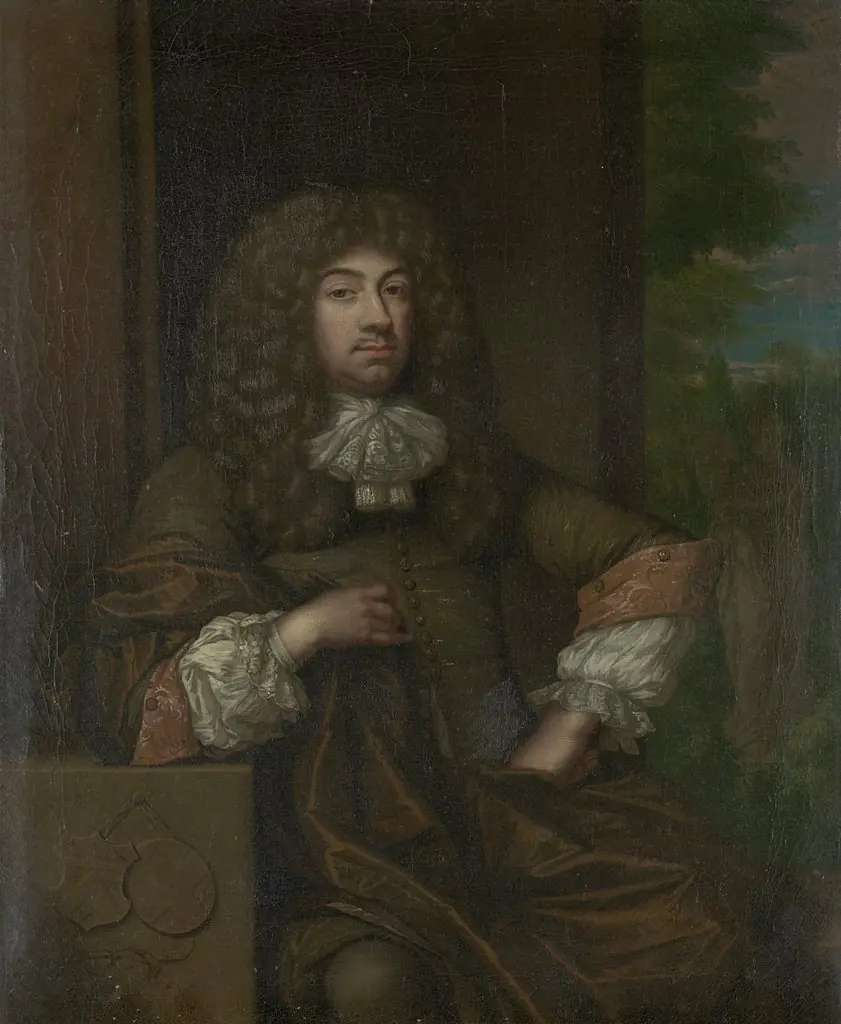 Portrait of Jan Boudaen Courten (1635-1716), lord of St. Laurens, Schellach and Popkensburg, Judge and alderman of Middelburg
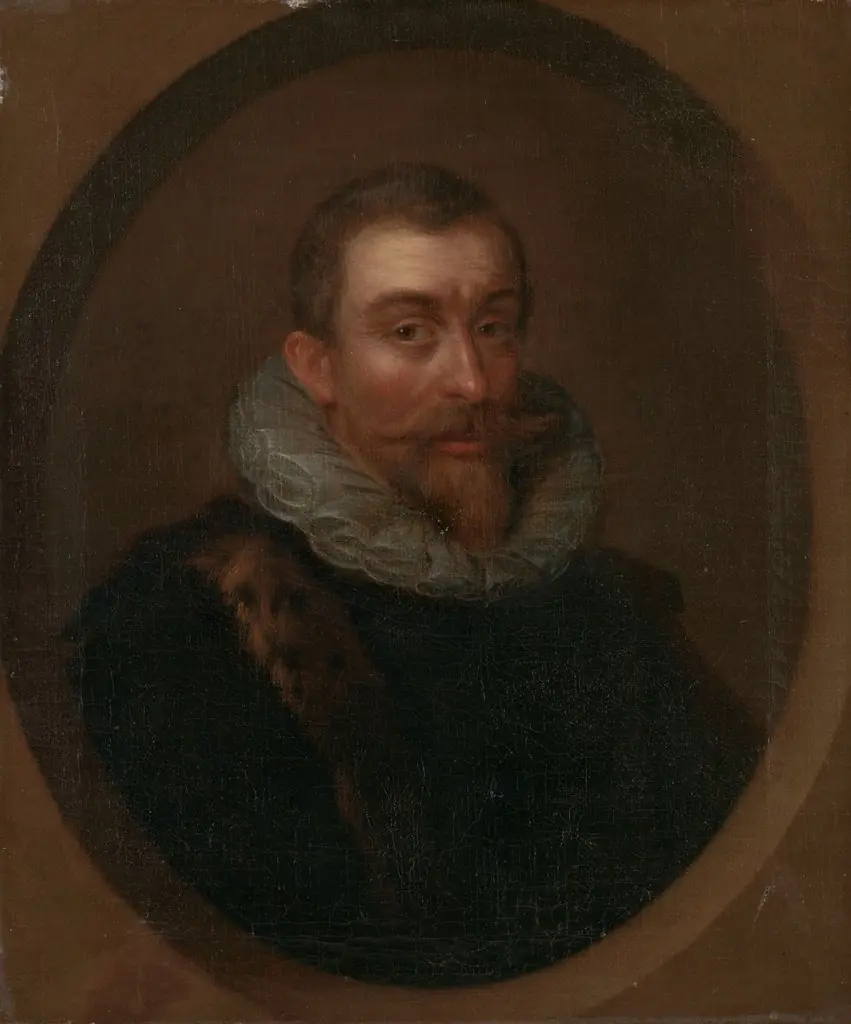 Portrait of Aernout van Citters, Lord of Gapinge
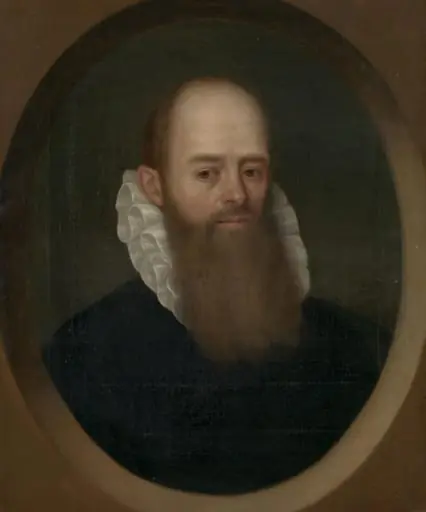 Cornelis van Ceters (1503-99)
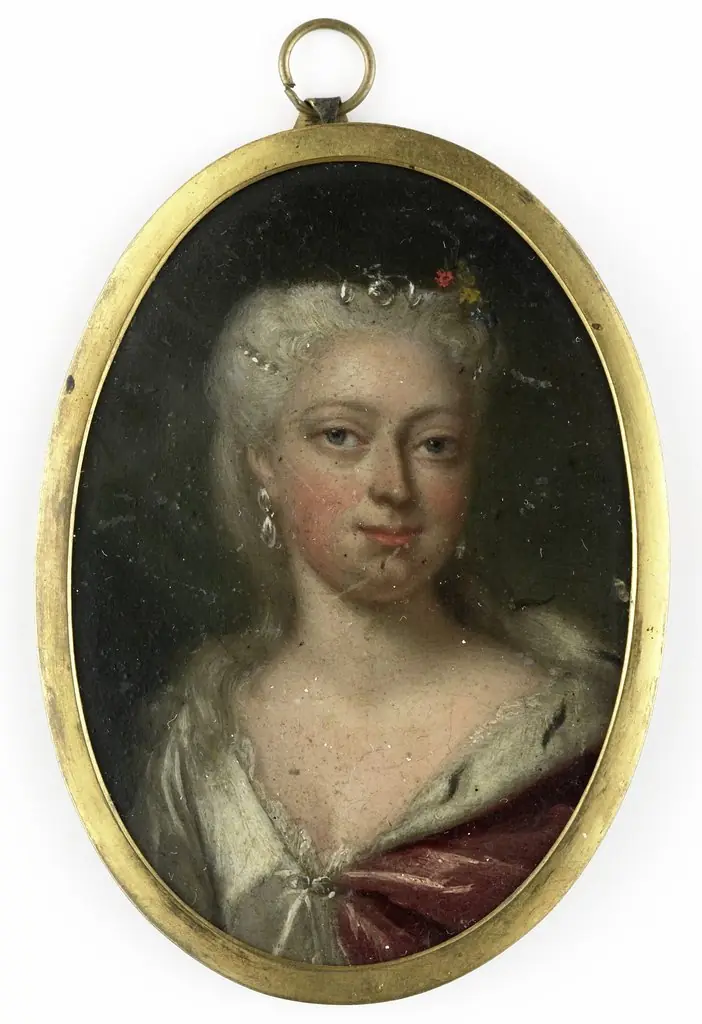 Anna van Hannover (1709-59). wife of Prince Willem IV
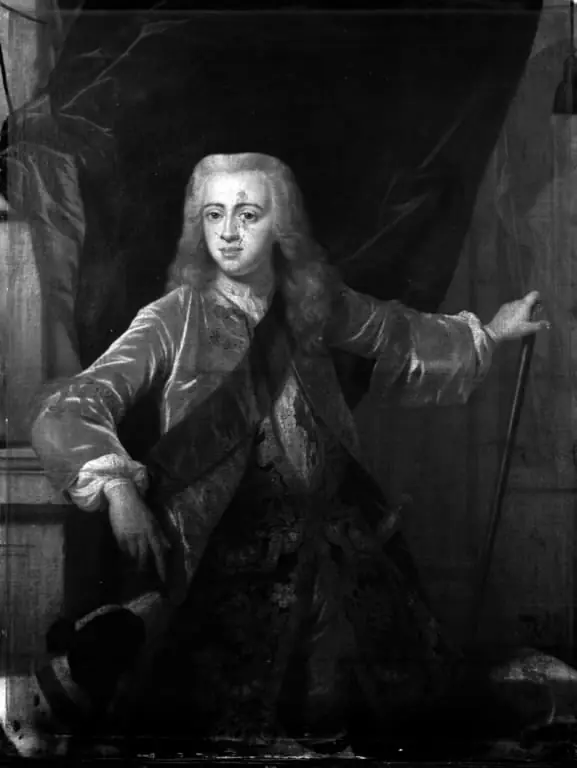 William IV of Orange
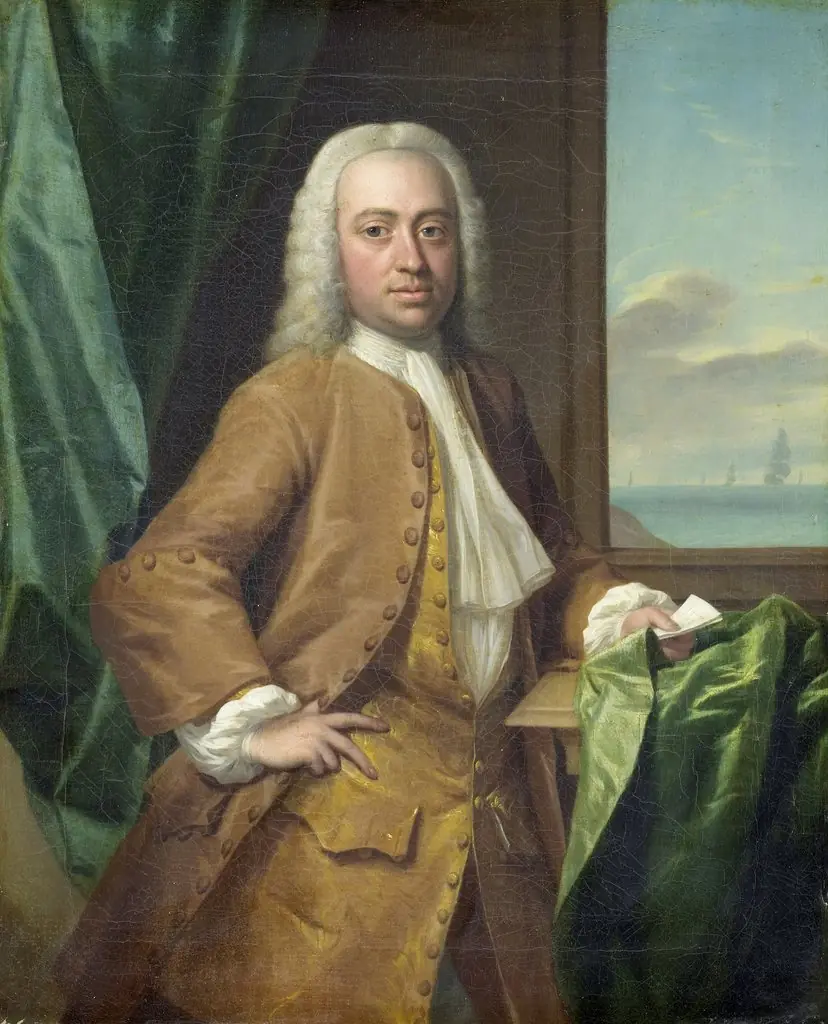 Portrait of Isaac Parker, Merchant from Middelburg