Artwork
Sennen Cove
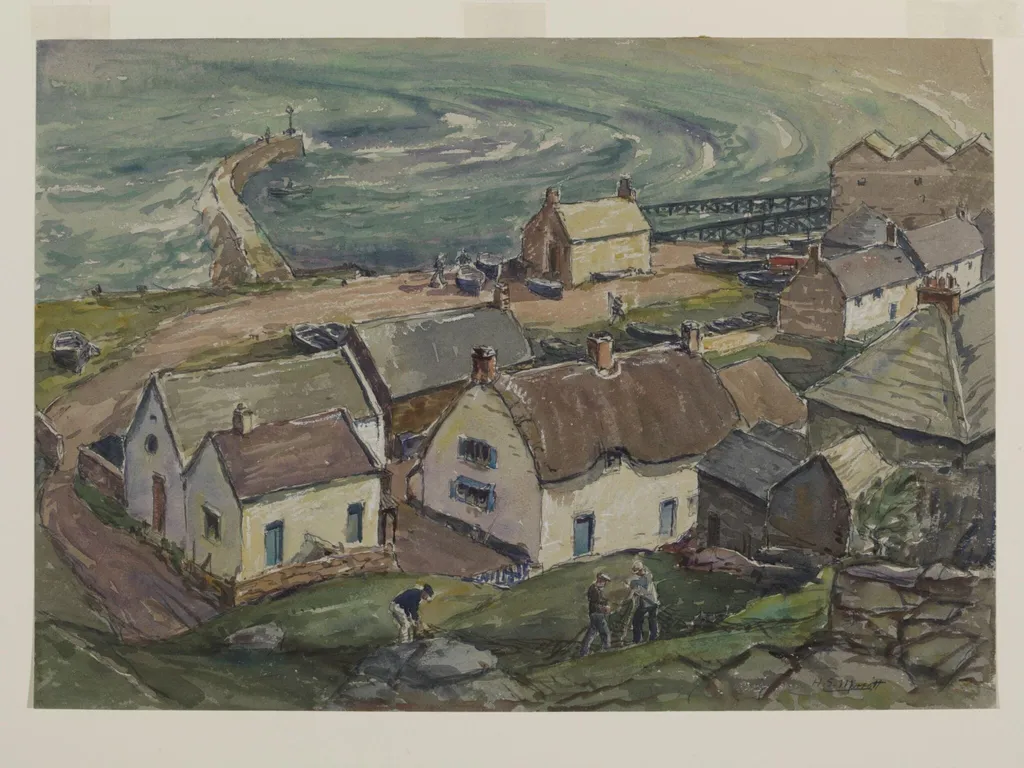
Sennen Cove is a watercolor work on paper by the American Impressionist artist H. S. Merritt. It dates from 1940 and is held in the collection of the Victoria and Albert Museum. This 1940 watercolour by H.
About this work
Overview
The piece is signed and reflects the project’s goal of preserving a sense of place through intimate, observational art.
This 1940 watercolour by H. S. Merritt captures the coastal village of Sennen Cove in southwest England. Created as part of the Recording Britain project, the work is one of over 1,500 watercolours commissioned during the early years of World War II to visually document landscapes and architecture considered vulnerable to change or destruction. The piece is signed and reflects the project’s goal of preserving a sense of place through intimate, observational art.
Subject & Meaning
The scene portrays modest cottages, some with thatched roofs, clustered near a stone harbour wall and a small pier where boats are moored. A winding path follows the shoreline, with figures moving along the water’s edge. The composition emphasizes quiet, everyday life in a remote coastal community, evoking a sense of continuity amid wartime uncertainty. The painting serves as a quiet testament to ordinary places deemed worthy of preservation.
Technique & Style
Merritt employed loose, fluid brushwork to convey the texture of weathered stone, the movement of waves, and the softness of thatch. Muted tones of green, brown, and blue dominate, reflecting the natural palette of the Cornish coast. The watercolour medium allowed for rapid execution, capturing fleeting light and atmospheric conditions. The sketch-like quality suggests immediacy, as if the scene was observed and recorded on the spot.
History & Provenance
Commissioned by the Recording Britain project, this work was produced under the direction of Sir Kenneth Clark and funded by the Pilgrim Trust between 1940 and 1943. It was created alongside hundreds of other watercolours by artists across the British Isles, all intended to form a visual archive of threatened or vanishing landscapes. The painting entered the collection of the Victoria and Albert Museum as part of the project’s endowment.
Context
During the early 1940s, fears of aerial bombardment and postwar development prompted a cultural effort to record Britain’s architectural and rural heritage. The Recording Britain project responded to this anxiety by mobilizing artists to document places perceived as culturally significant yet fragile. Sennen Cove, a working fishing village, represented the quiet endurance of coastal communities, making it a fitting subject for preservation.
Legacy
The Recording Britain collection remains a vital historical resource, offering insight into the British landscape during a period of profound change. Merritt’s watercolour contributes to this archive not as a grand statement, but as a modest, attentive record of a specific place and moment. Today, it continues to inform understanding of wartime cultural preservation and the value placed on everyday environments.
Artist & collection
Artist
This watercolourist painted the Cornish coast in the mid-20th century, blending light and sea in sheets of translucent colour.

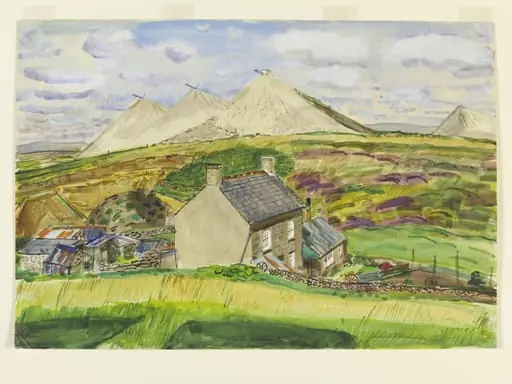 China Clay Works, Great Wheal Prosper, Tresayes, Roche
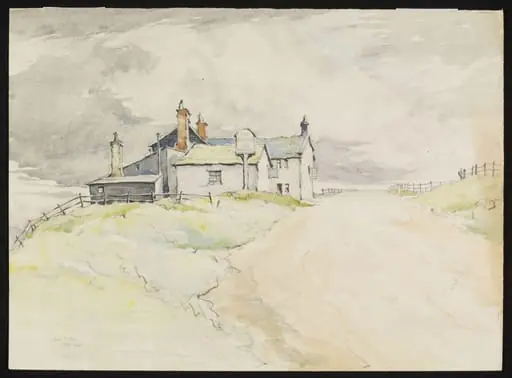 The White House Inn, Blackstone Edge, near Littleborough
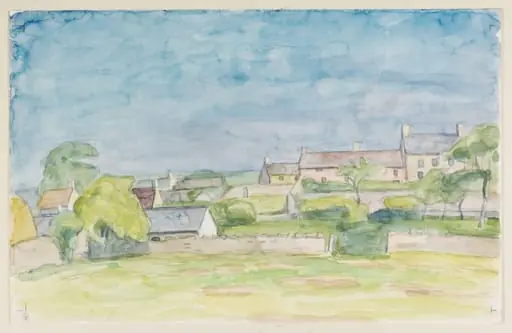 Llysworney, Glamorganshire
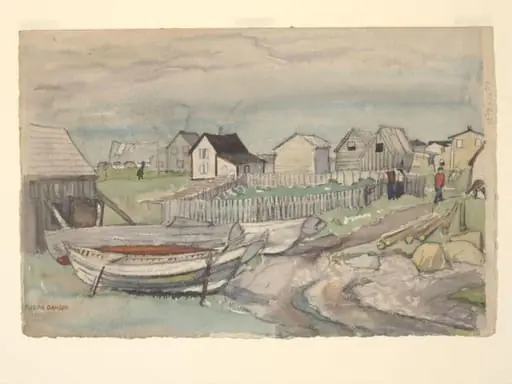 A Newfoundland Village
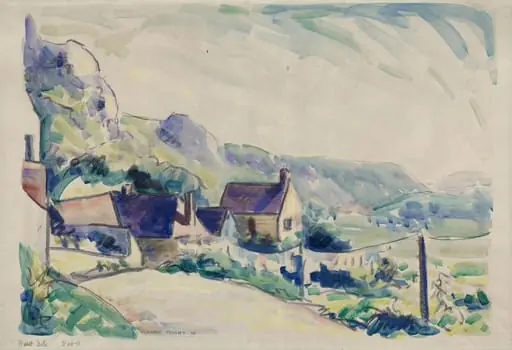 Haute-Isle
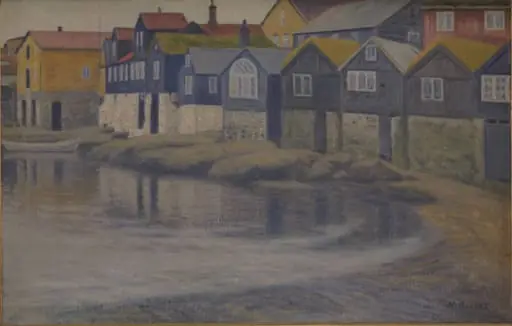 Gamle huse i Thorshavn
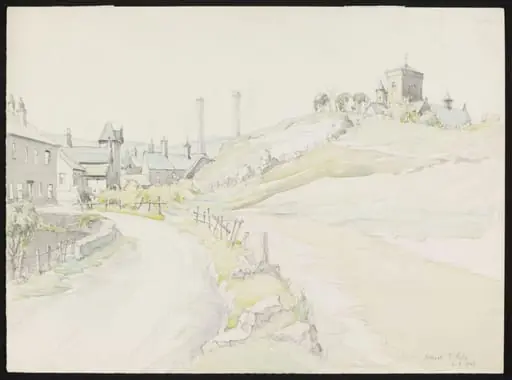 The church and village of Lumb
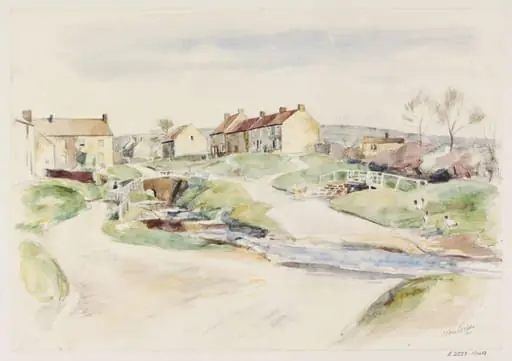 The lower ford, Hutton-le-Hole
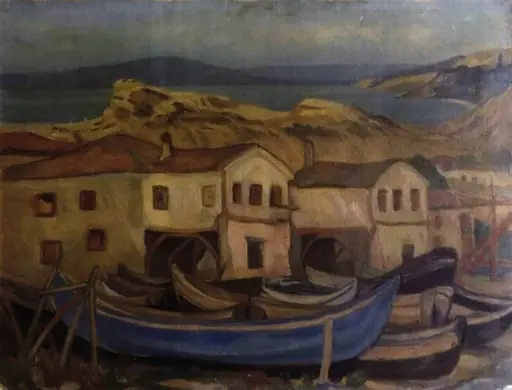 Case
Case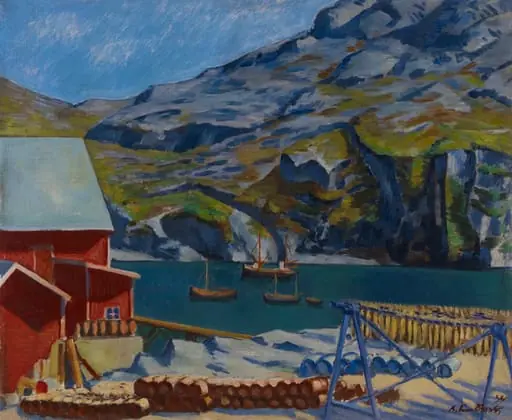 Petsamon vuono
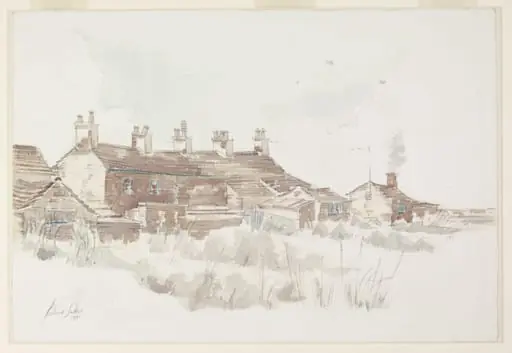 Cottages at Norton, No.3
 Roman Wall near Haltwhistle, Cumberland