Artwork
Omakuva
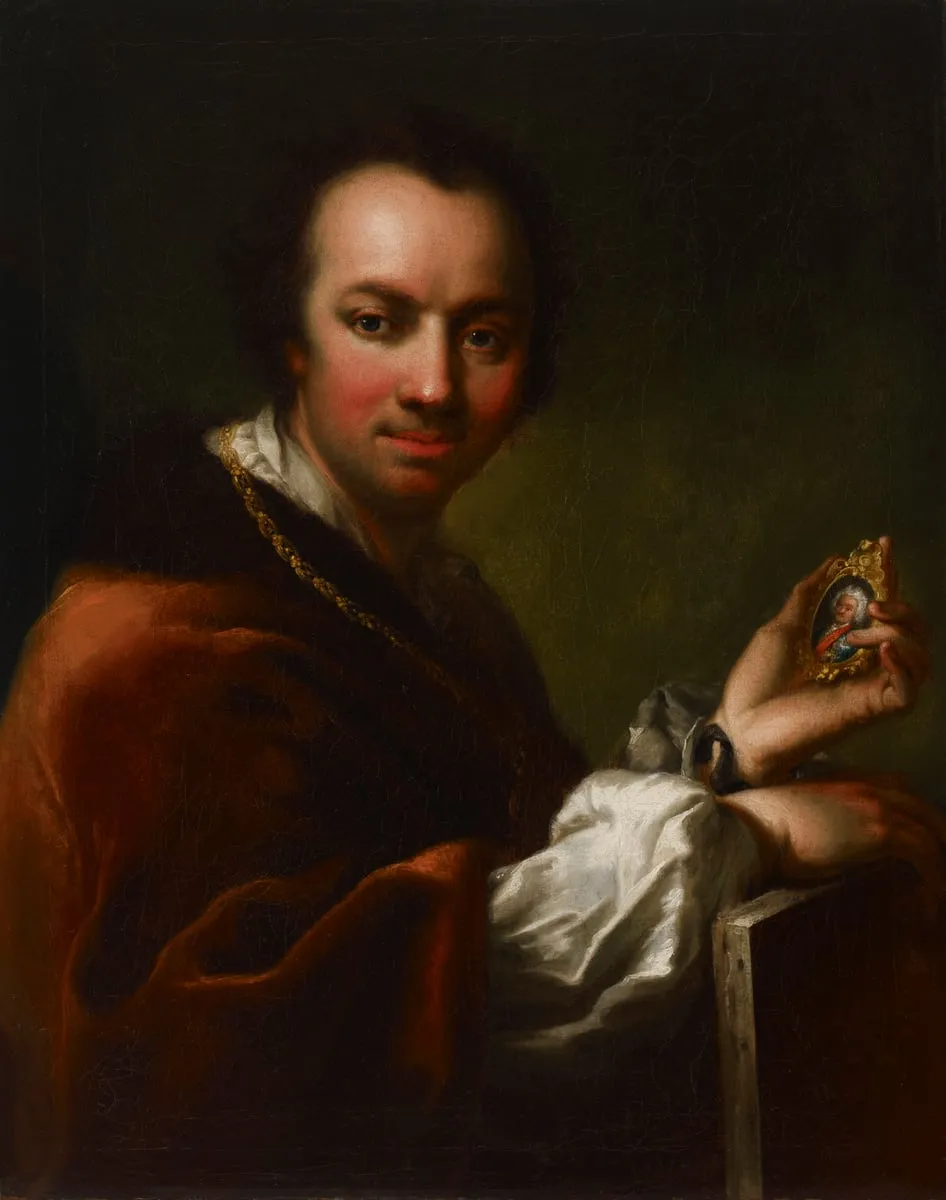
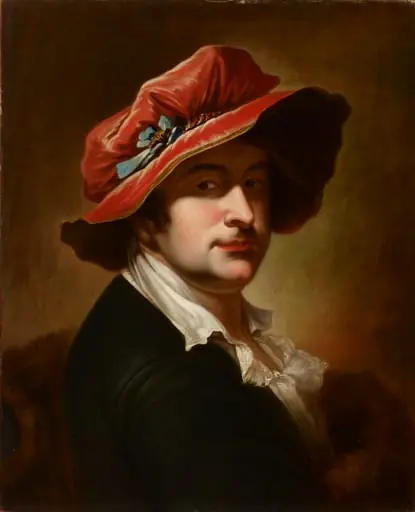
Omakuva is an unspecified painting by Martin van Meytens. It dates from 1742 and is held in the collection of the Finnish National Gallery.
About this work
Overview
Dressed in a dark red coat with gold embroidery, he sits against an unadorned background, his gaze directed outward yet seemingly absorbed in thought.
Painted around 1742 by Martin van Meytens, Omakuva is a portrait that captures a man in quiet introspection. Dressed in a dark red coat with gold embroidery, he sits against an unadorned background, his gaze directed outward yet seemingly absorbed in thought. The composition centers on his face and the small mirror he holds, creating a focal point that invites closer examination of both subject and object.
Subject & Meaning
The sitter holds a miniature portrait within a mirror, suggesting a reflection not just of appearance but of memory or emotional connection. The identity of the person in the miniature remains unknown, deepening the painting’s ambiguity. This layered imagery may imply self-reflection, loss, or the presence of an absent loved one, transforming the portrait into a meditation on inner life rather than mere likeness.
Technique & Style
Van Meytens employs chiaroscuro to model the figure with subtle gradations of light and shadow. Soft illumination highlights the sitter’s face and the mirror’s surface, while the coat and sleeve dissolve into darkness, enhancing volume and depth. The precision in rendering textures—fabric, skin, and the mirror’s frame—demonstrates a refined academic approach, rooted in Viennese court portraiture traditions of the mid-18th century.
History & Provenance
The painting is attributed to Martin van Meytens the Younger, a court painter in Vienna who served the Habsburgs. Though its early ownership is undocumented, its style aligns with other portraits from his workshop during the 1740s. It likely originated as a private commission, possibly for a member of the nobility or upper bourgeoisie, reflecting the era’s interest in personal symbolism within portraiture.
Context
In mid-18th-century Vienna, portraiture often blended aristocratic dignity with intimate psychological nuance. Van Meytens operated within this tradition, incorporating elements of Flemish realism and French elegance. The inclusion of a miniature portrait within a mirror reflects broader European trends where personal mementos were used to convey emotional depth, moving beyond formal representation.
Legacy
Omakuva stands as an example of how court painters subtly expanded the boundaries of portraiture by embedding narrative ambiguity. While not widely exhibited, it contributes to scholarly understanding of how private symbolism entered elite visual culture. Its restrained composition and psychological subtlety continue to inform studies of 18th-century identity representation in Central Europe.
Artist & collection

Artist
Martin van Meytens was a Swedish-Austrian painter who painted members of the Royal Court of Austria such as Marie Antoinette, Maria Theresa of Austria, Francis I, Holy Roman Emperor, the Emperor's family and members of the local…

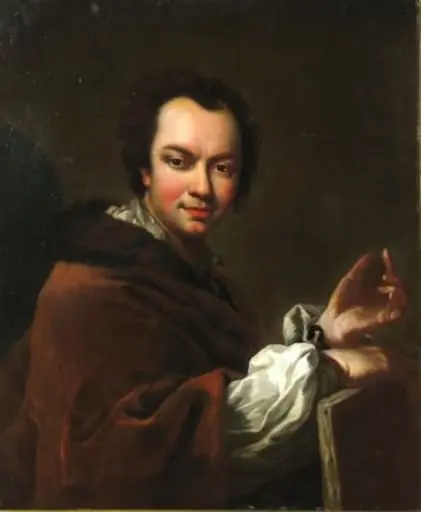 Autoportret
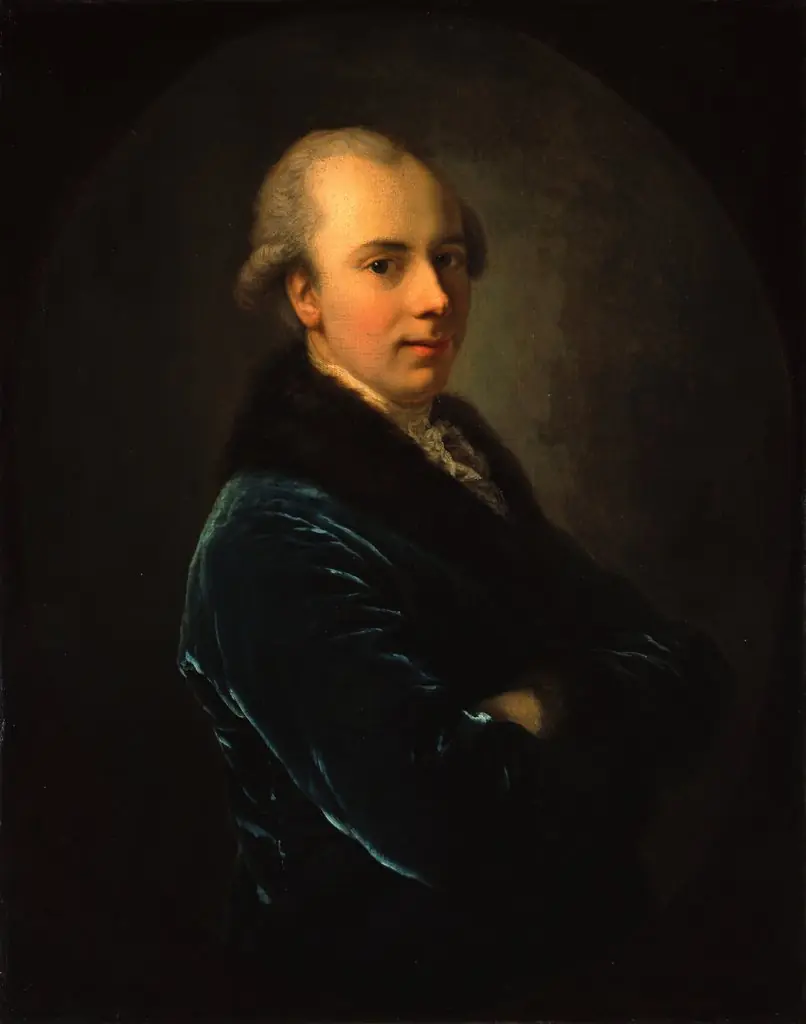 Portrait of Georg Friedrich von Martens
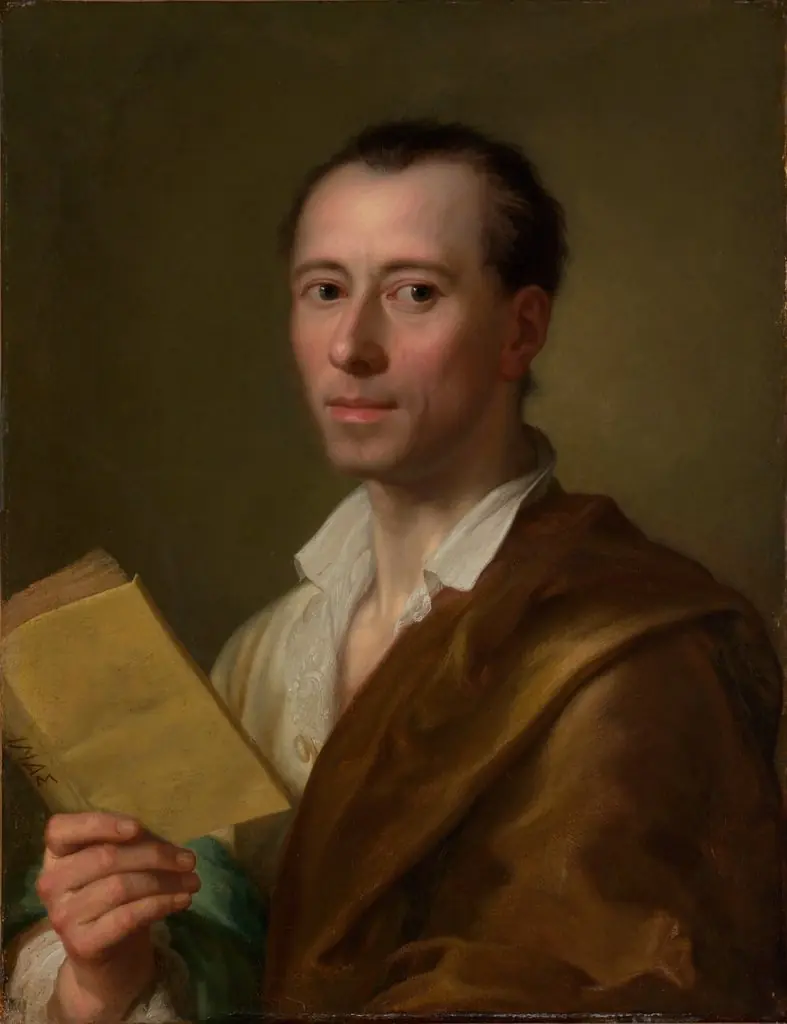 Portrait of Johann Joachim Winckelmann (1717–1768)
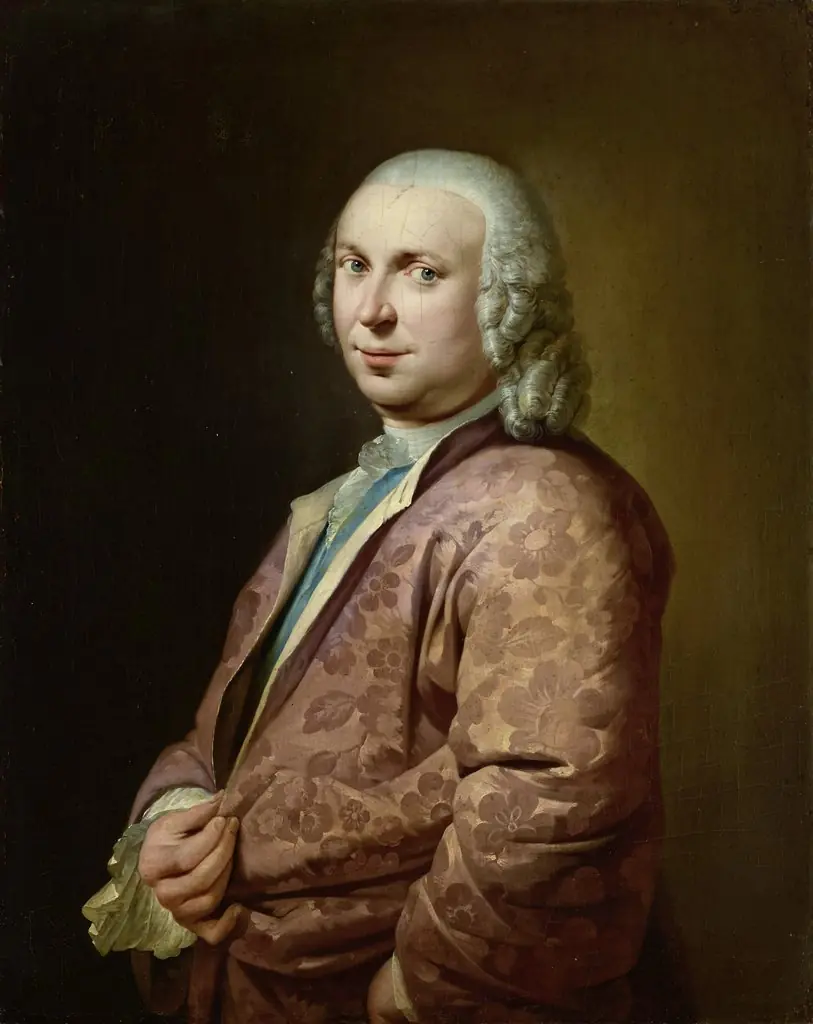 Portrait of a Man
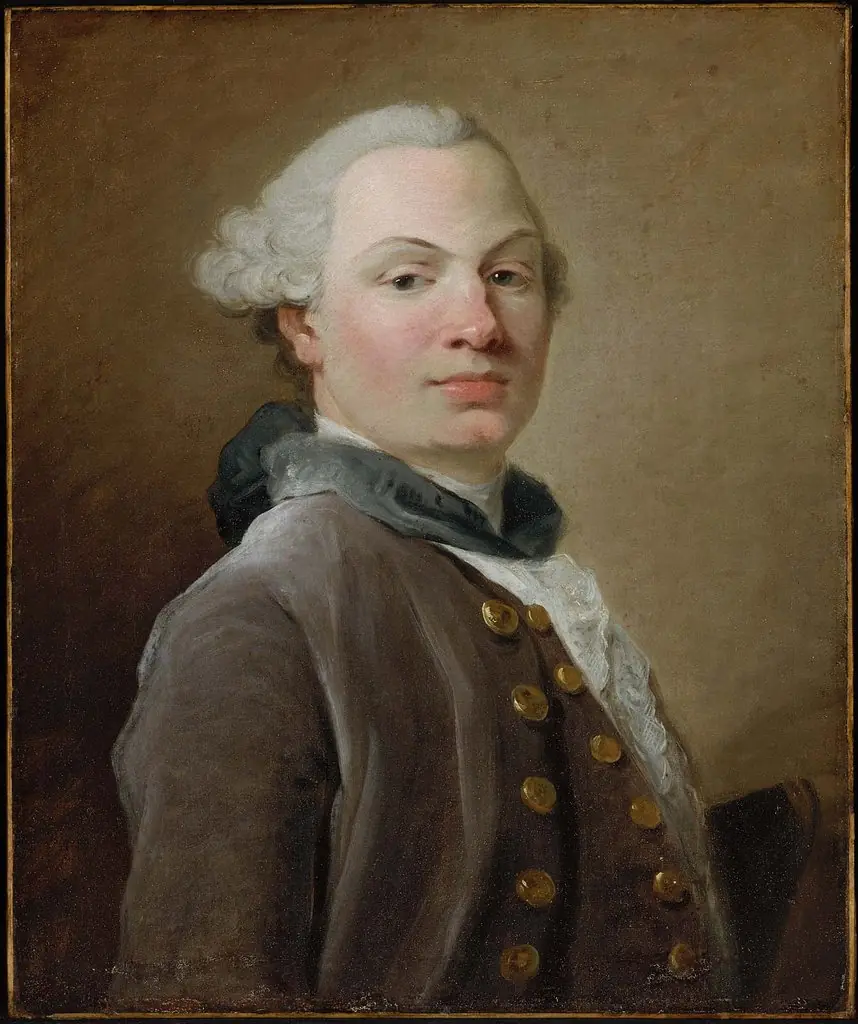 Portrait of a Man
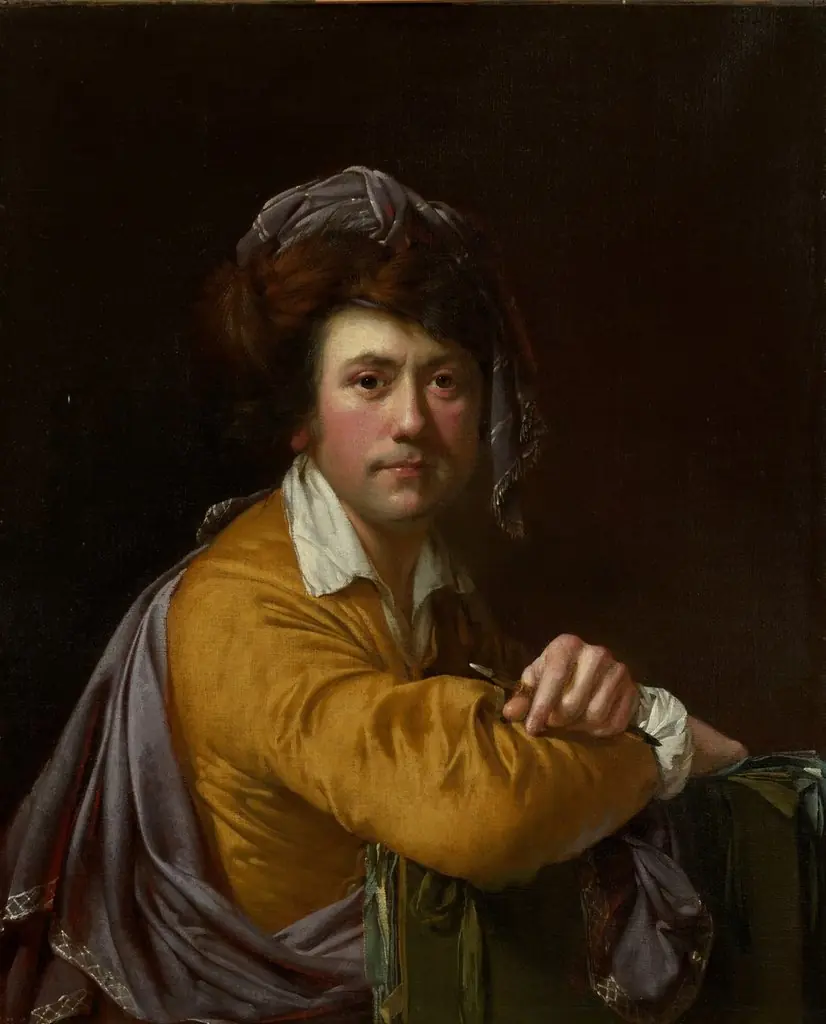 Self Portrait at the Age of about Forty; Verso: Study for 'An Experiment on a Bird in the Air Pump'
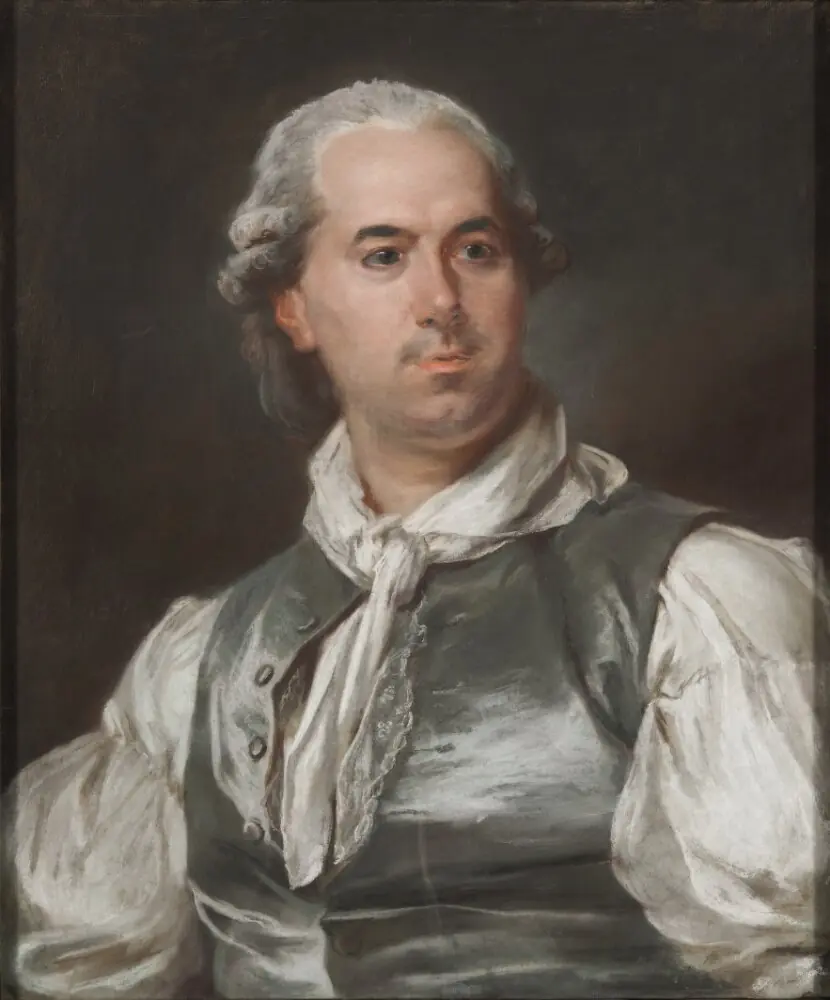 Hubert Robert, Artist and Garden Designer
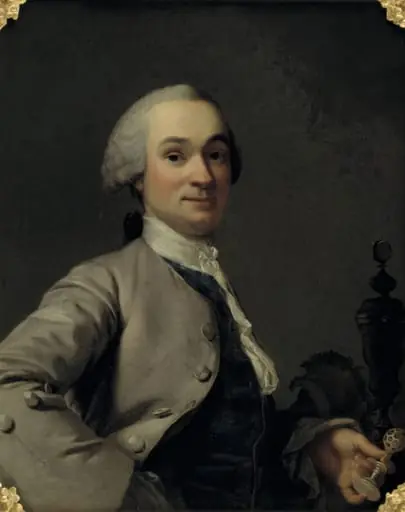 Portrait of Lorenz Spengler, Ivory Turner and Curator of the Royal Danish Kunstkammer
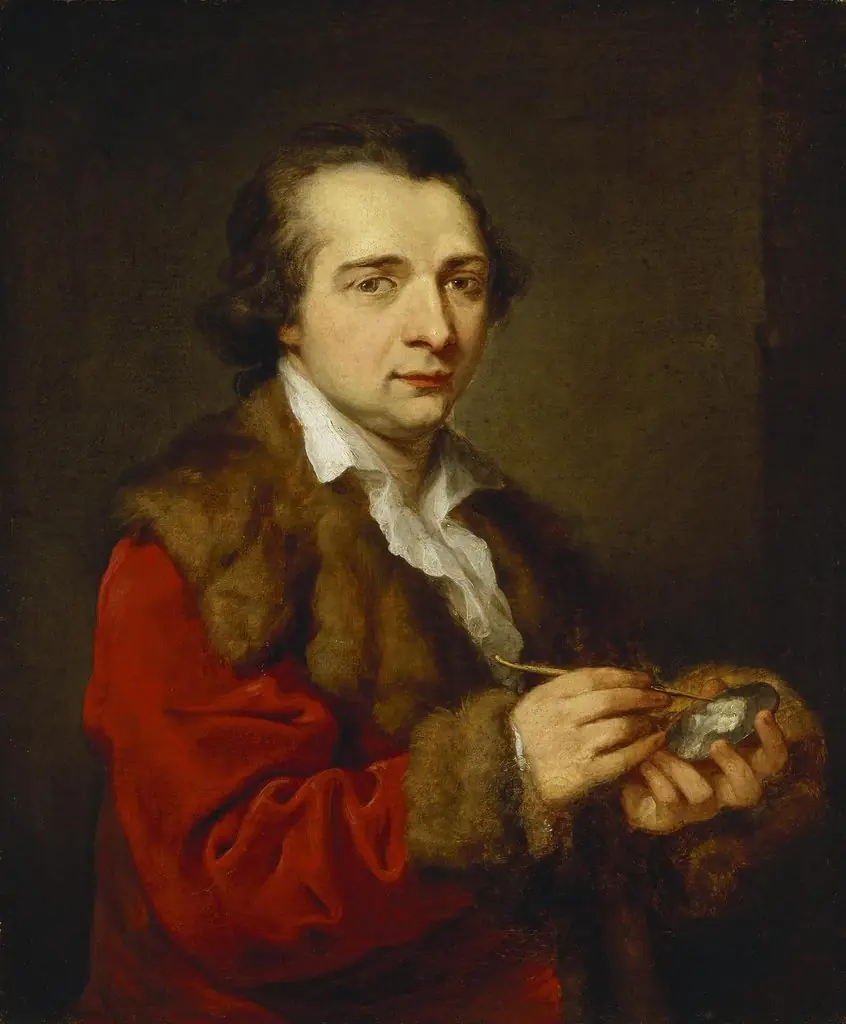 Portrait of Karl Leberecht (?)
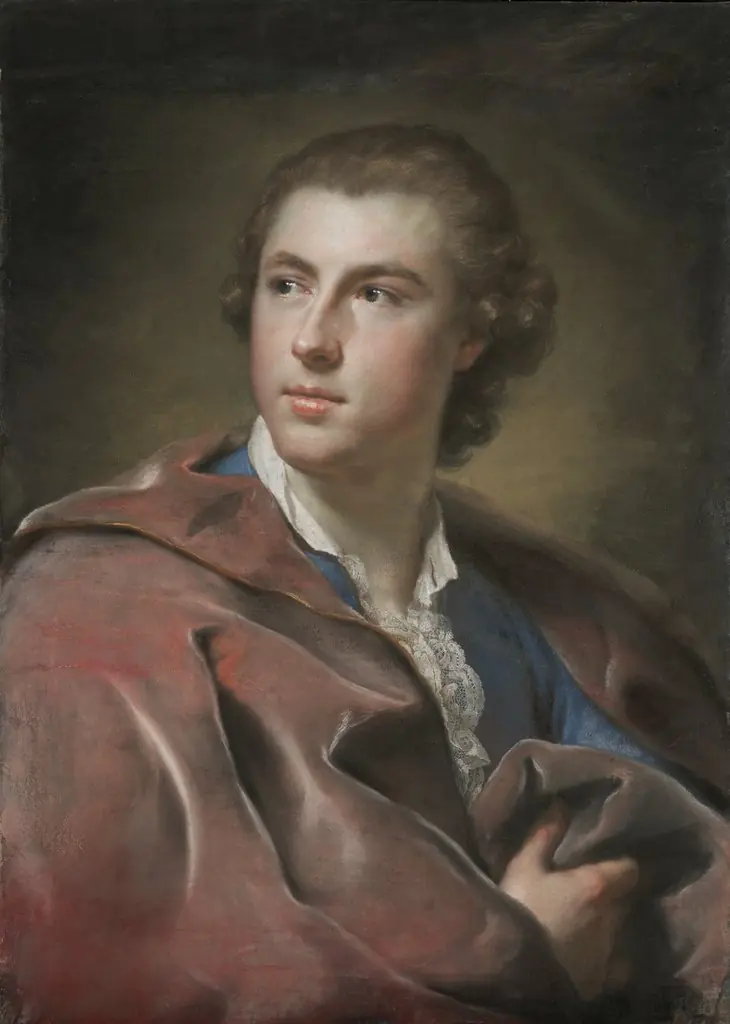 Portrait of William Burton Conyngham
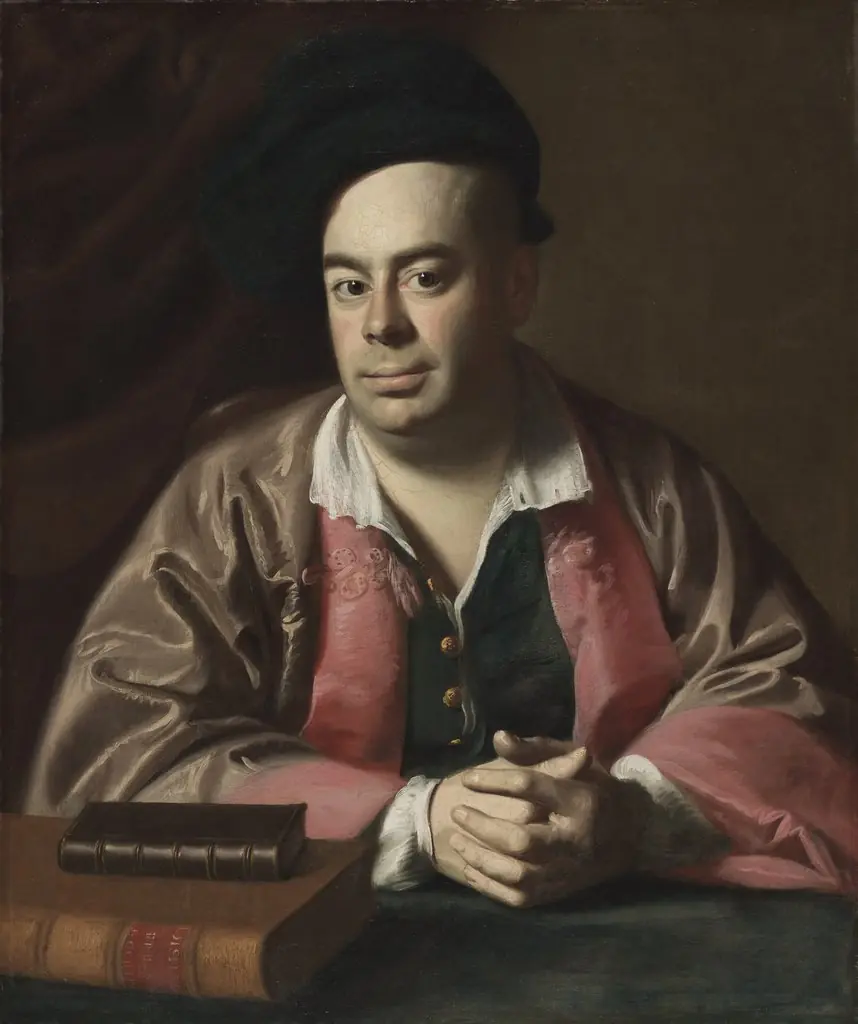 Nathaniel Hurd
 Omakuva