Artwork
Portrait of William Burton Conyngham
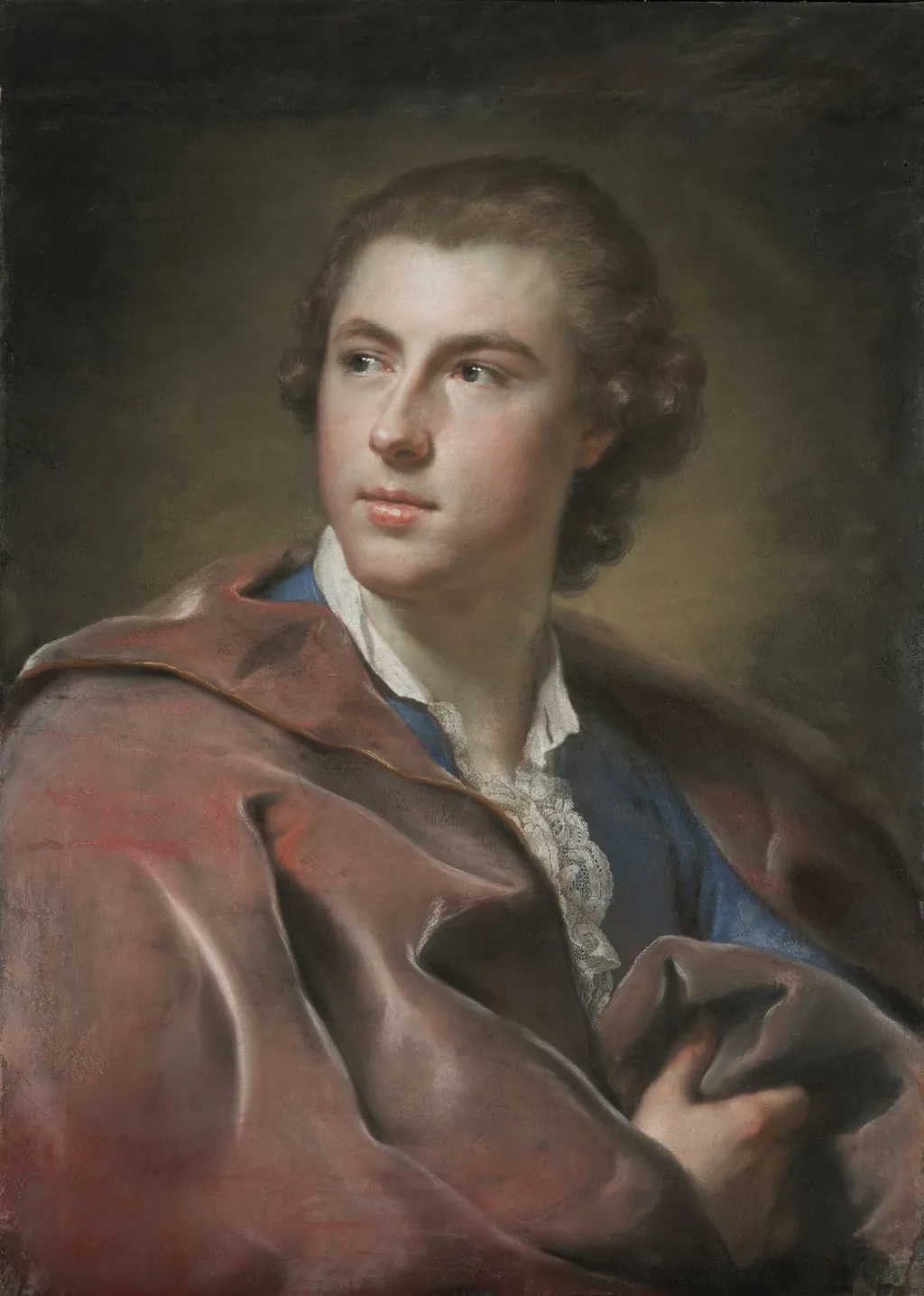
Portrait of William Burton Conyngham is an unspecified painting by the Rococo painting artist Anton Raphael Mengs. It dates from 1754 and is held in the collection of the J. Paul Getty Museum.
About this work
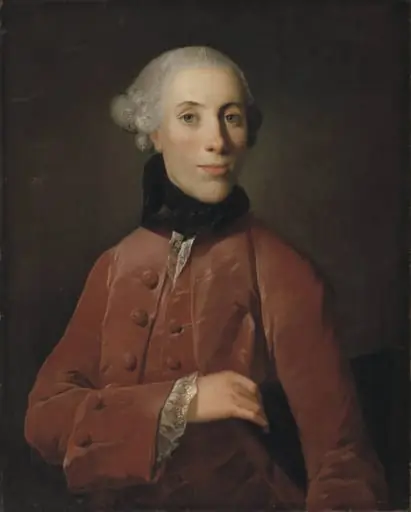
This painting shows a young man with curly brown hair, wearing a blue jacket with a white lace collar and a brown cloak draped over his shoulders.
This painting shows a young man with curly brown hair, wearing a blue jacket with a white lace collar and a brown cloak draped over his shoulders. He is turned slightly to the left, looking directly at the viewer with a neutral expression. The background is a muted brown color.
The young man's attire and hairstyle suggest that the painting was created in the 18th century. The artist's use of chiaroscuro, a technique that uses strong contrasts between light and dark to create a sense of volume and depth, adds depth and dimension to the portrait.
The painting is held at the J. Paul Getty Museum.
Overview
Painted in 1754 by Anton Raphael Mengs, this portrait depicts William Burton Conyngham, a young Irish nobleman. The work is an oil on canvas and is part of the J. Paul Getty Museum’s collection. Mengs, known for his classical approach, rendered Conyngham with restrained elegance, reflecting the aesthetic values of mid-18th-century portraiture in Europe.
Subject & Meaning
Conyngham is portrayed at a transitional stage in life, neither adolescent nor fully mature. His direct gaze and composed posture convey quiet confidence, typical of aristocratic self-presentation. The absence of symbolic objects or elaborate settings shifts focus to his demeanor, suggesting an emphasis on personal character over status markers.
Technique & Style
Mengs employed chiaroscuro to model the figure with subtle gradations of light and shadow, enhancing the three-dimensionality of the face and fabric. The brushwork is precise yet unobtrusive, favoring smooth transitions over visible strokes. The muted brown background isolates the subject, reinforcing the portrait’s intimate, contemplative tone.
History & Provenance
The painting entered the Getty Museum’s collection in the late 20th century, having passed through private European holdings since its creation. Its provenance traces back to Conyngham’s family, who likely commissioned it during his travels on the Grand Tour. No major alterations or restorations are documented, preserving its original condition.
Context
Created during the height of Neoclassicism, the portrait aligns with Mengs’s broader efforts to revive classical ideals in art. While contemporaries like Reynolds favored dramatic gestures, Mengs opted for clarity and restraint. This work reflects the influence of Raphael and ancient sculpture, filtered through the refined tastes of European aristocracy.
Legacy
Though not among Mengs’s most widely recognized works, this portrait exemplifies his skill in capturing psychological presence without theatricality. It remains a representative example of how Neoclassical principles were applied to portraiture, influencing later artists who sought balance between realism and idealized form.
Own this work as a print
Artist & collection


 Self-portrait with Portfolio
 Portrait of Georg Friedrich von Martens
 Self-Portrait
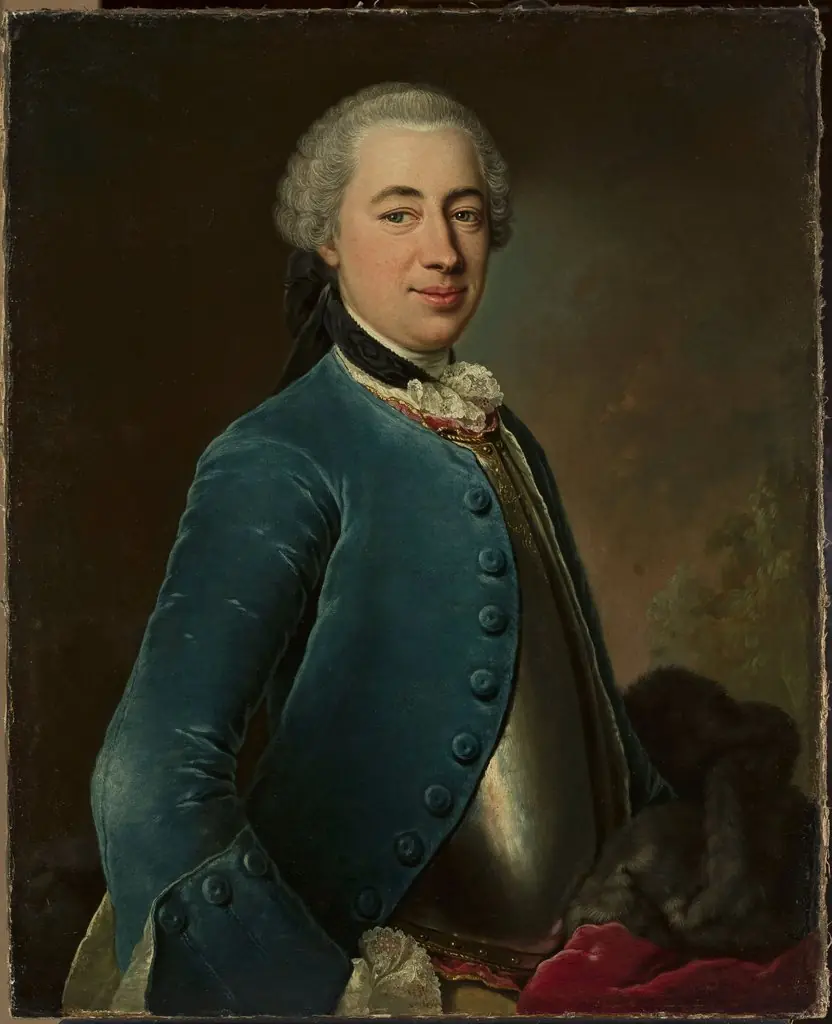 Portrait of a man in armour
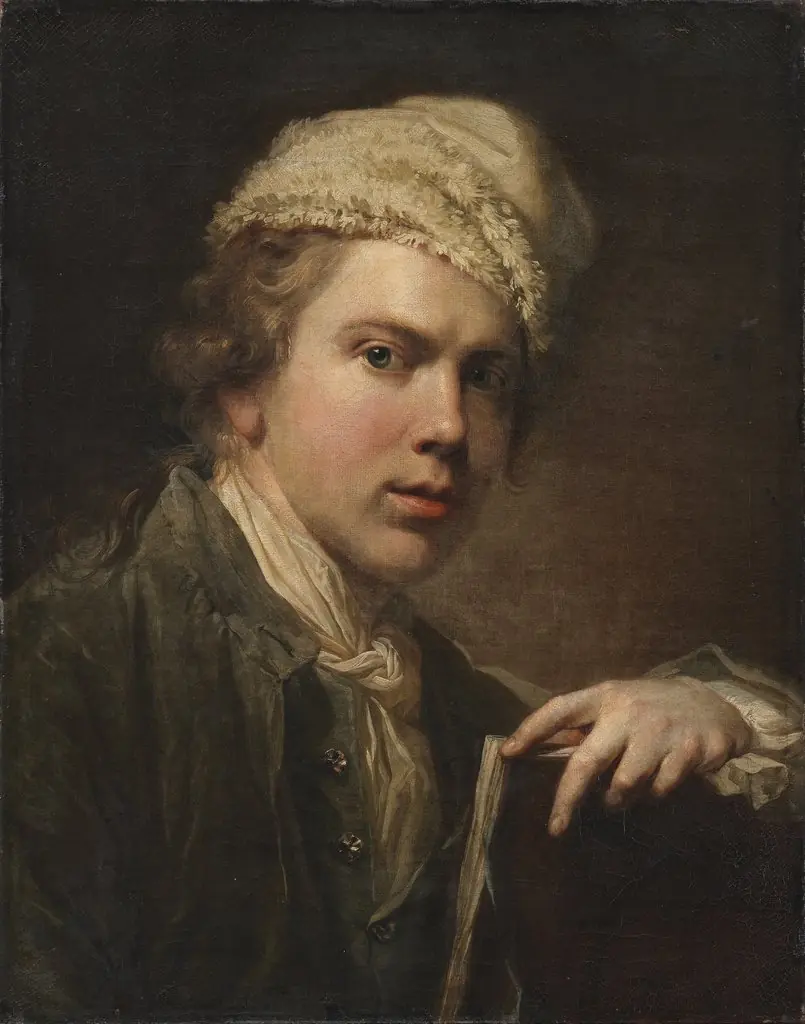 Self-portrait with Portfolio
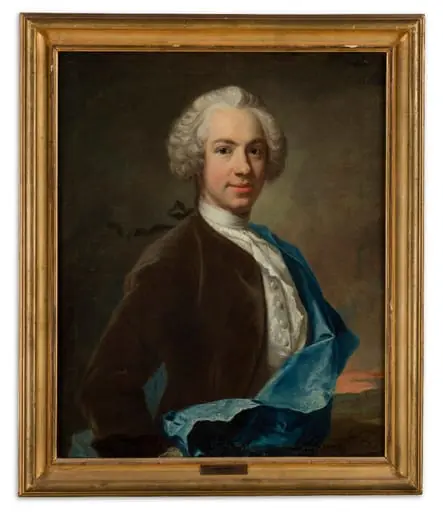 Kanslianeuvos Carl Fredrik Eckleff
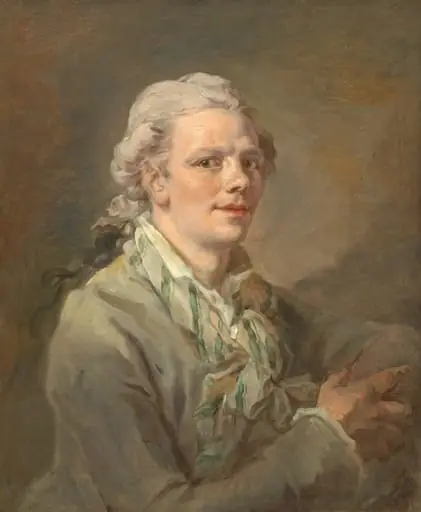 Portrait of a Young Man
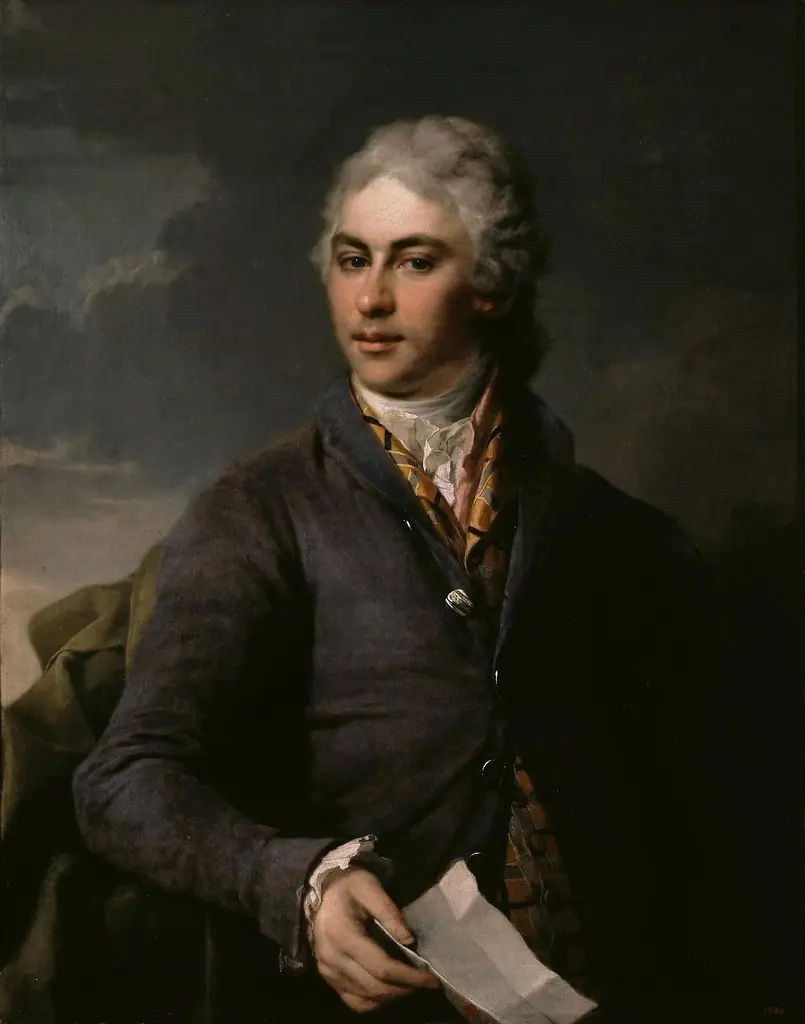 Portrait of Yakov Bilibin
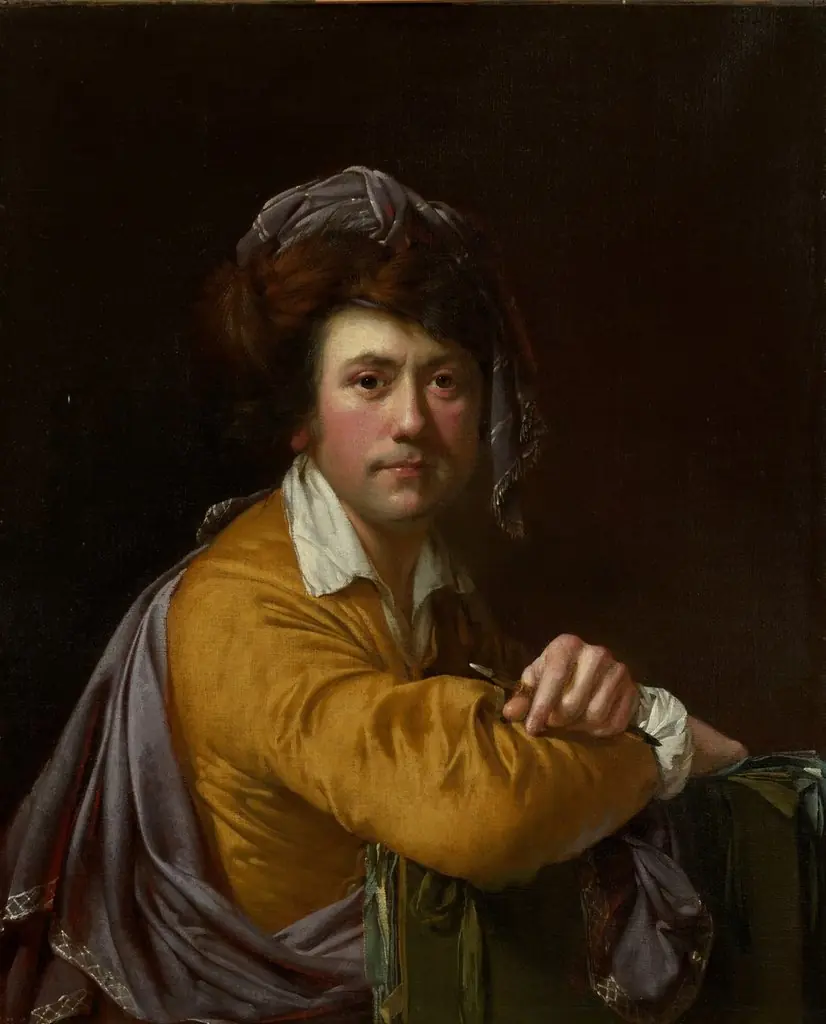 Self Portrait at the Age of about Forty; Verso: Study for 'An Experiment on a Bird in the Air Pump'
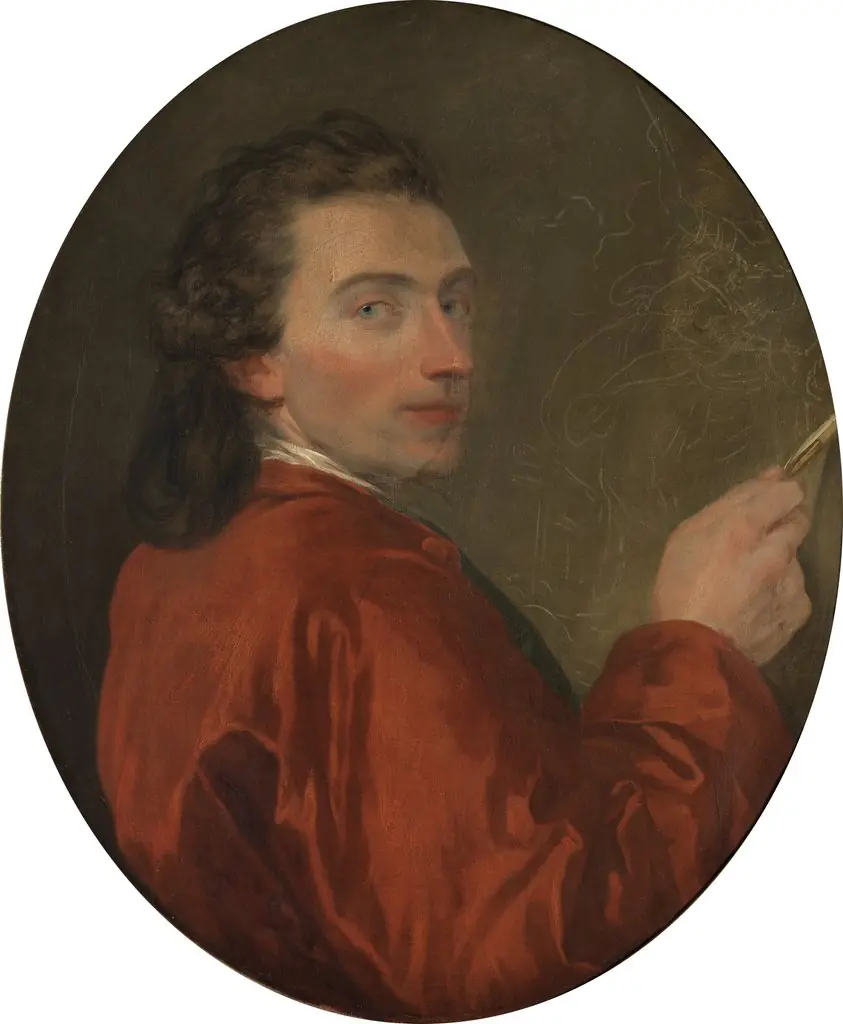 Self-portrait
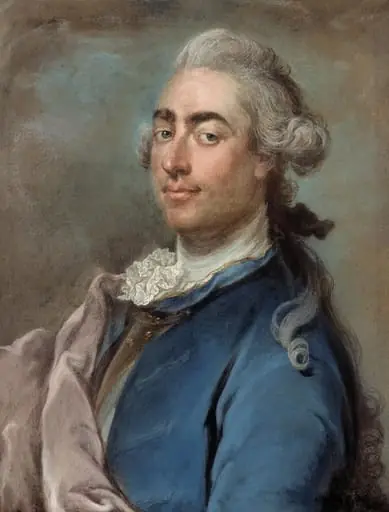 Nuori ylimys
 The Court Seal Engraver Ahron Jacobson