Artwork
Study of a Hand against a Wall
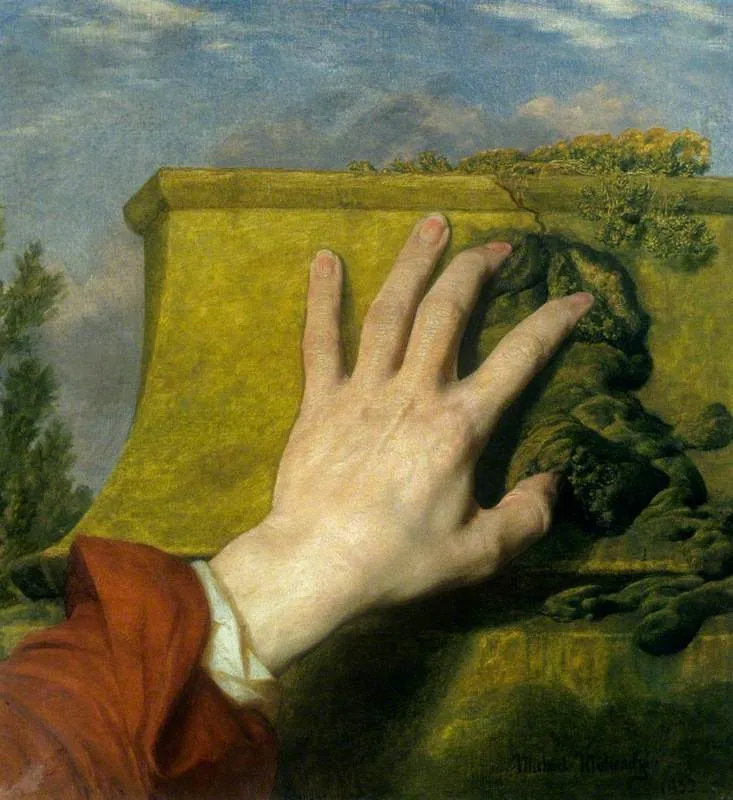
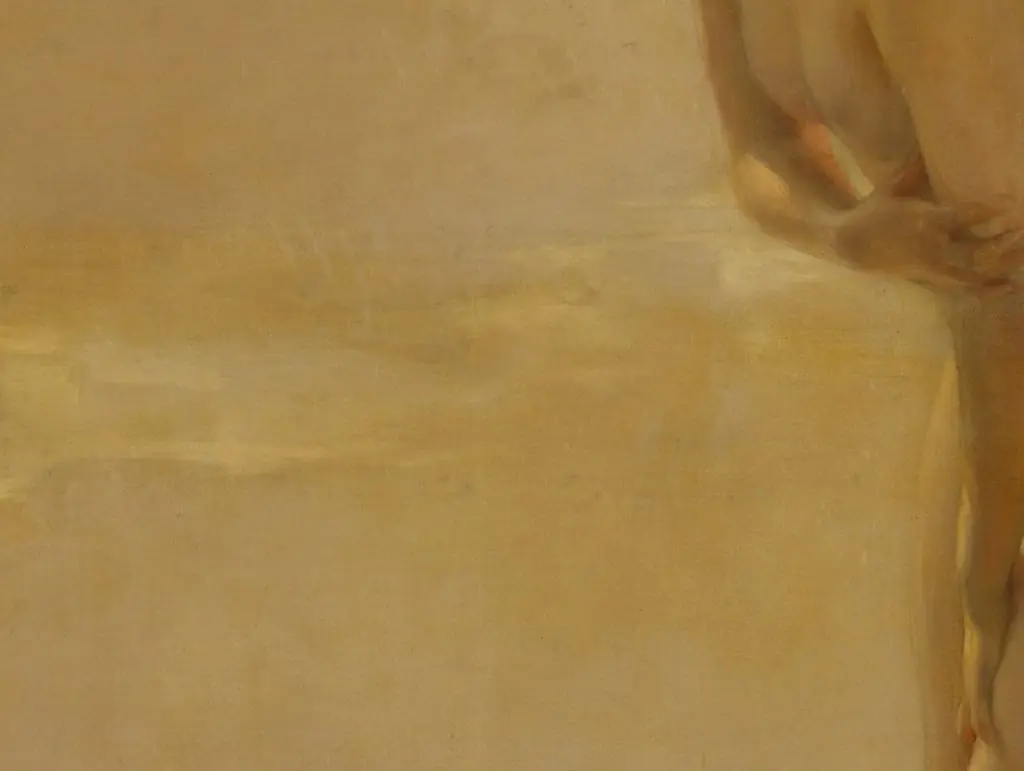
Study of a Hand against a Wall is an oil painting by the Realist artist Michael Mulready. It dates from 1852 and is held in the collection of the Victoria and Albert Museum.
About this work
Overview
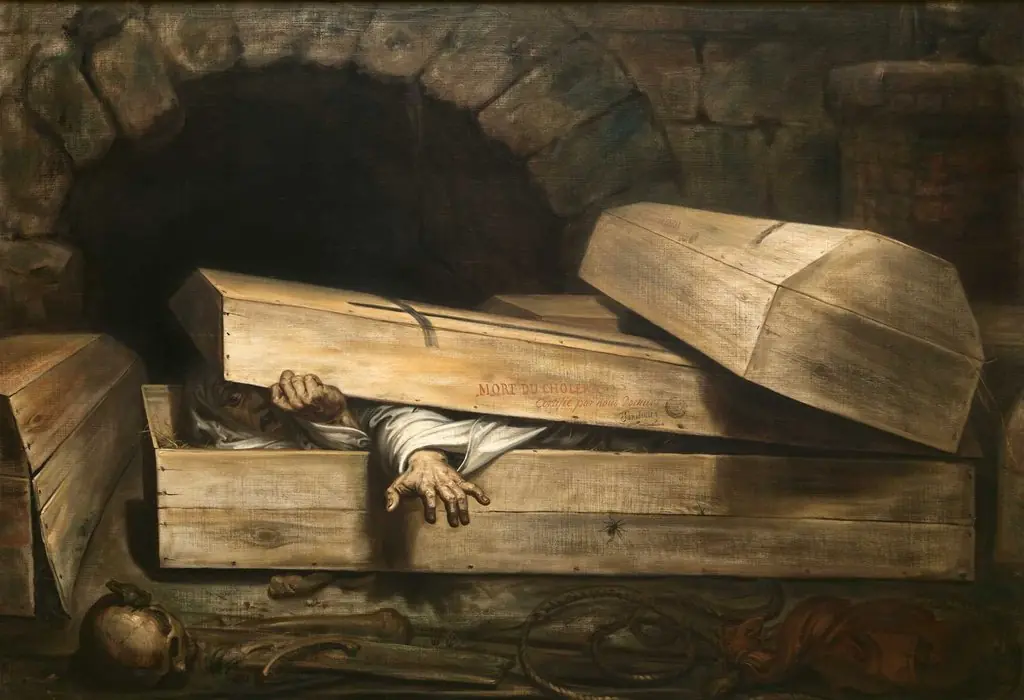
Painted in 1852 by Michael Mulready, this oil study depicts a single hand pressed gently against a textured wall. The composition is deliberately restrained, focusing attention on the hand’s form and its interaction with the surface. The background includes faint outlines of trees, suggesting an outdoor setting, but the wall and hand remain the sole subjects of visual interest.
Subject & Meaning
The painting presents the hand not as part of a larger narrative, but as an object of quiet observation. Its spread fingers and relaxed posture suggest contemplation rather than action. The work functions as an anatomical study, emphasizing the hand’s structure and the play of light across its contours, inviting attention to the subtleties of human form in stillness.
Technique & Style
Mulready employs subtle chiaroscuro to model the hand’s volume, using soft transitions between light and shadow to define its curves and joints. The brushwork is precise yet unobtrusive, avoiding dramatic contrast in favor of muted tones. The wall’s rough texture contrasts with the smoothness of skin, enhancing the tactile quality of the scene without diverting focus from the hand.
History & Provenance
The painting entered the collection of the Victoria and Albert Museum in the 19th century, likely acquired as part of the museum’s broader interest in artistic studies and preparatory works. Its modest scale and focused subject align with 19th-century academic practices that valued close observation and technical discipline over grand narrative.
Context
In mid-19th-century Britain, artists increasingly turned to isolated anatomical studies as part of formal training. Mulready’s work reflects this trend, where the human body was examined in fragments to understand form, proportion, and light. Such studies were often kept in private collections or used as references, rather than intended for public display.
Legacy
Though not widely exhibited, the painting remains a quiet example of 19th-century observational practice. It contributes to the understanding of how artists engaged with the human body beyond portraiture or historical scenes. Its preservation in a major museum underscores its value as a document of artistic pedagogy and attention to detail.
Artist & collection