Artwork
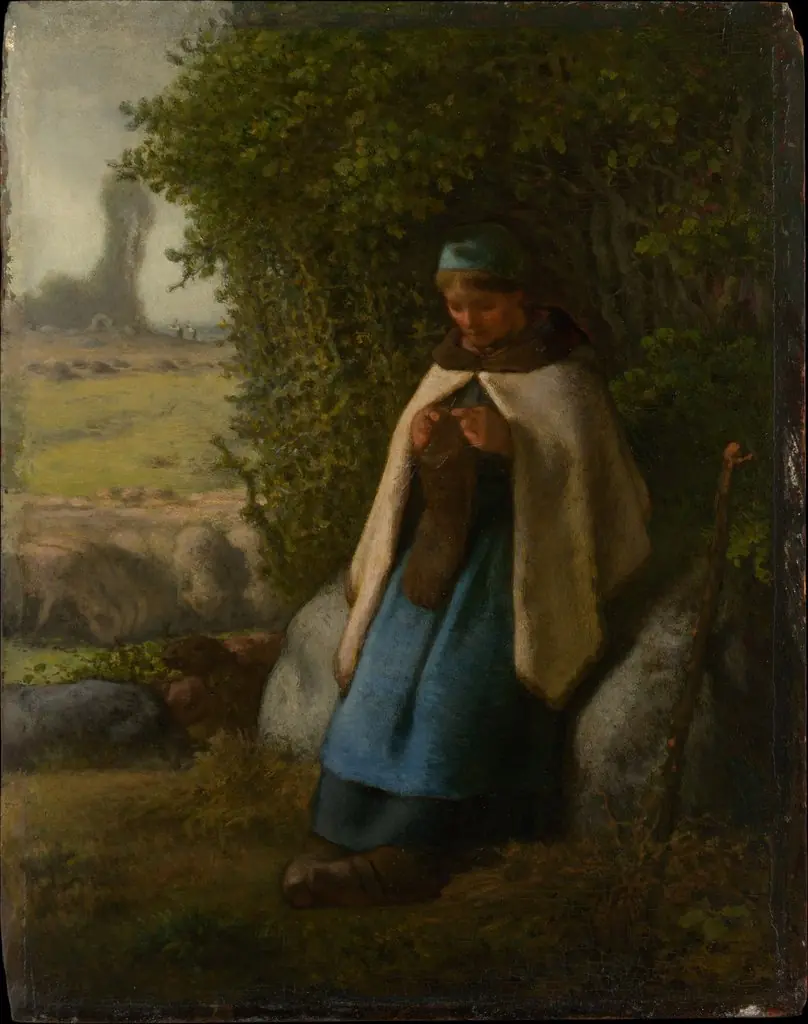
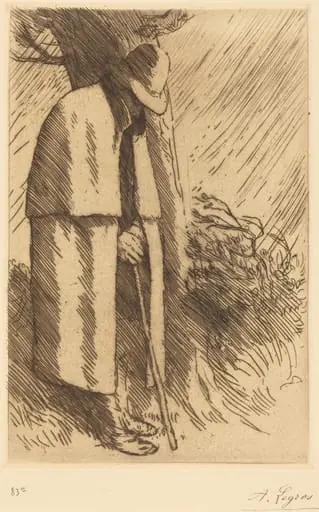
The Large Shepherdess (La grande bergere)
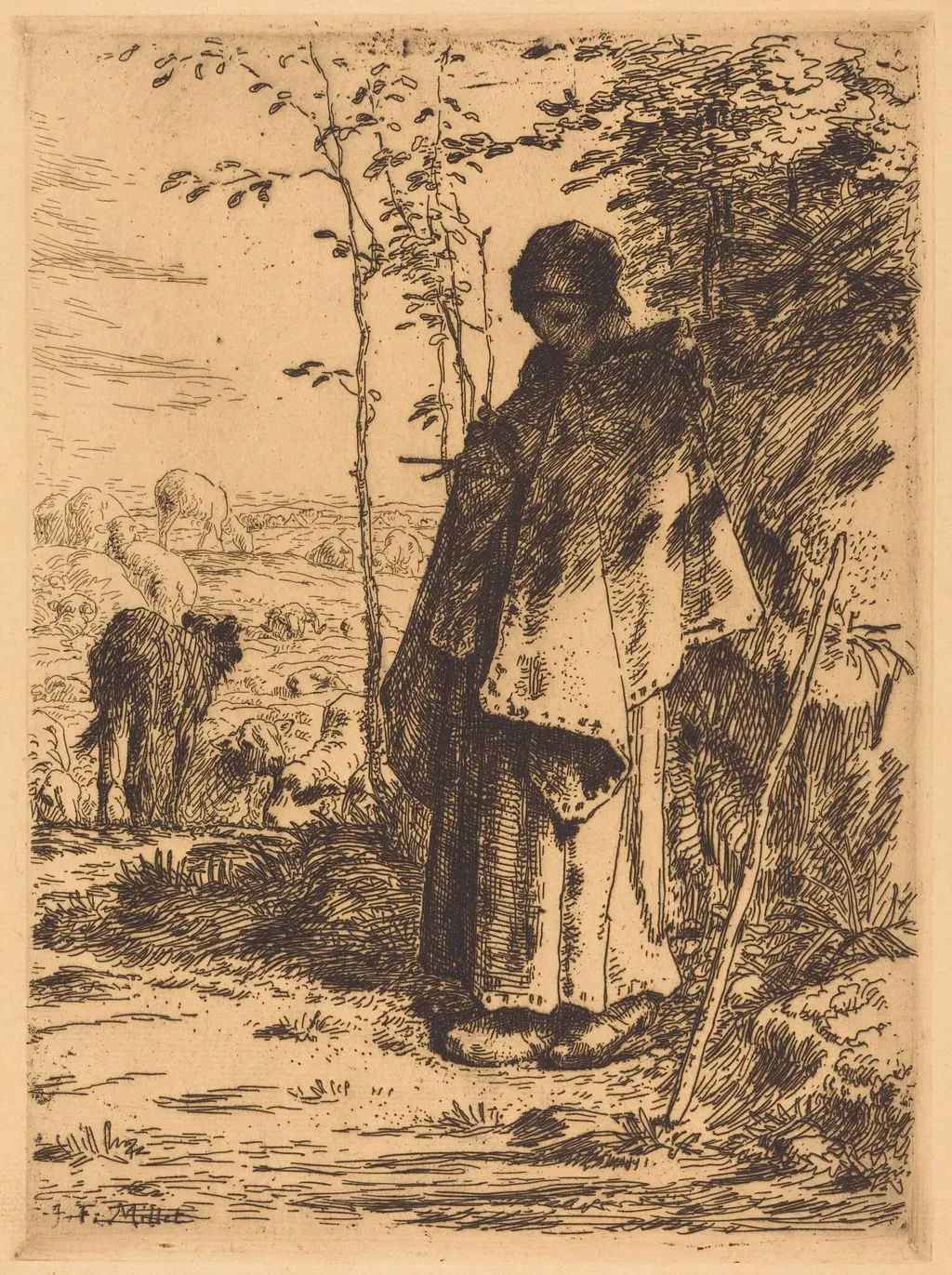
The Large Shepherdess (La grande bergere) is an ink print by the Impressionist artist Jean François Millet. It dates from 1862 and is held in the collection of the National Gallery of Art.
About this work
Overview
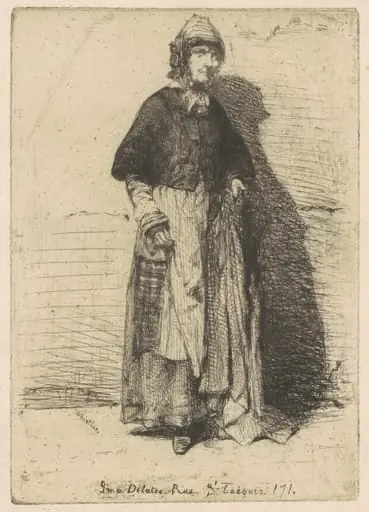
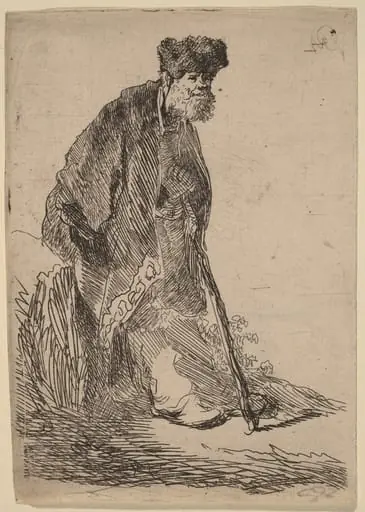
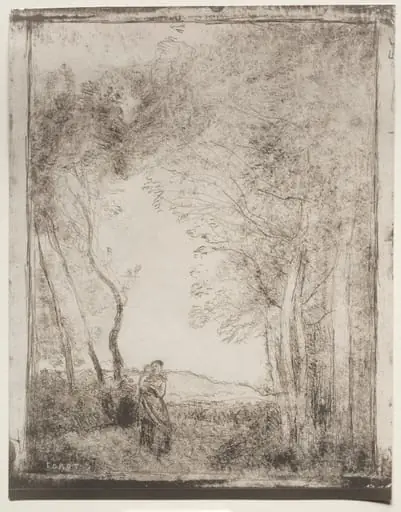
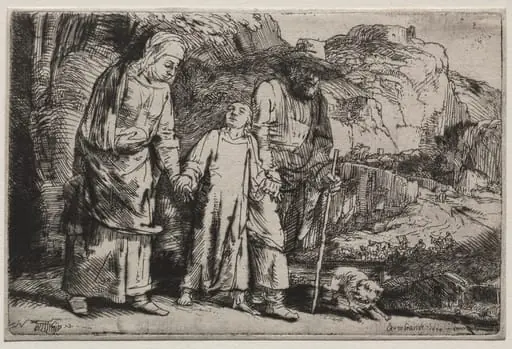
Created in 1862, *The Large Shepherdess* is an etching by Jean‑François Millet, a pivotal figure of the Barbizon school and the Realist movement. The print depicts a solitary peasant woman bearing a sizable basket across a rural landscape, accompanied by two smaller figures near a tree. The composition emphasizes the physicality of labor and the texture of the surrounding terrain.
Subject & Meaning
Millet’s focus on agrarian labor is evident in the portrayal of the shepherdess, whose sturdy posture and burdened load convey the dignity of everyday work. The presence of additional figures and the untended field suggest a broader narrative of community and the cyclical nature of rural life, themes that recur throughout Millet’s oeuvre.
Technique & Style
The image was produced by incising lines into a copper plate with a fine needle, a process that allows delicate gradations of tone. Millet employs cross‑hatching to render the woven texture of the woman's dress and the uneven ground, creating a sense of materiality without the use of pigment. The stark contrasts typical of etching enhance the work’s atmospheric depth.
History & Provenance
Although Millet is chiefly celebrated for his oil paintings, his printmaking activities—including etchings, pastels, and Conté crayon drawings—reflect a versatile engagement with paper media. *The Large Shepherdess* belongs to this lesser‑known segment of his production, illustrating his interest in extending realist subjects beyond canvas to the reproducible realm of prints.
Own this work as a print
Artist & collection
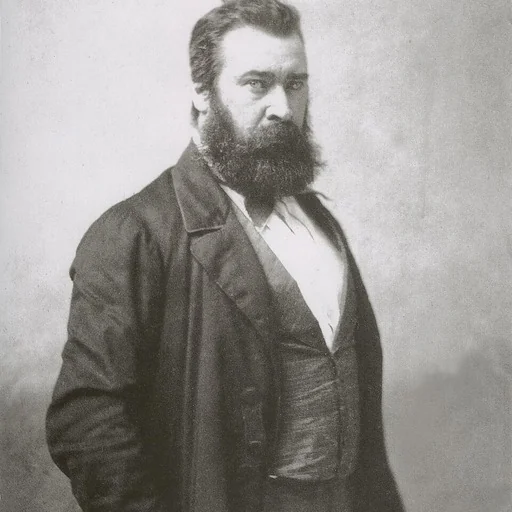
Artist
Jean-François Millet (French pronunciation: ; 4 October 1814 – 20 January 1875) was a French painter and one of the founders of the Barbizon school in rural France.