Artwork
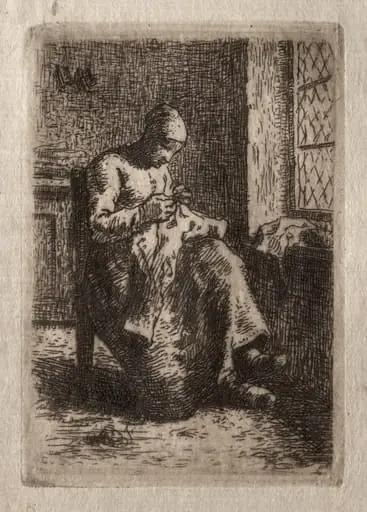
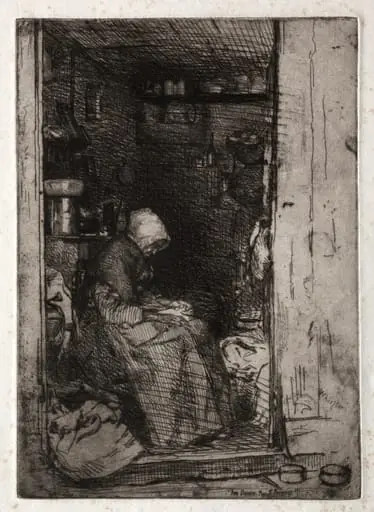
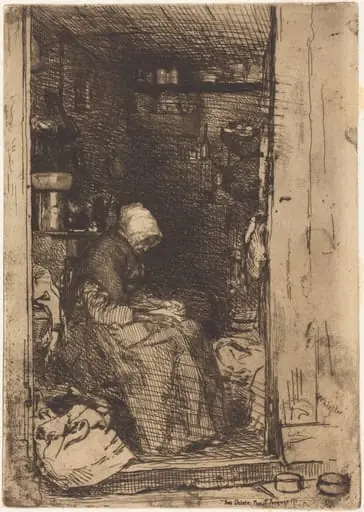
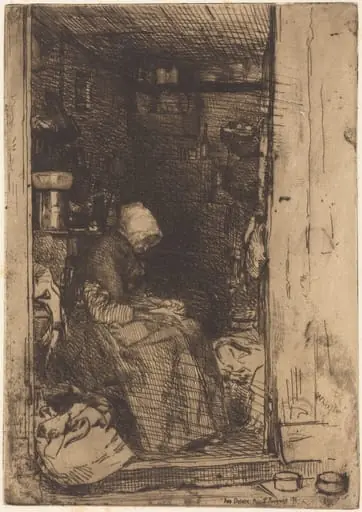
The Wool Carder (La Cardeuse)
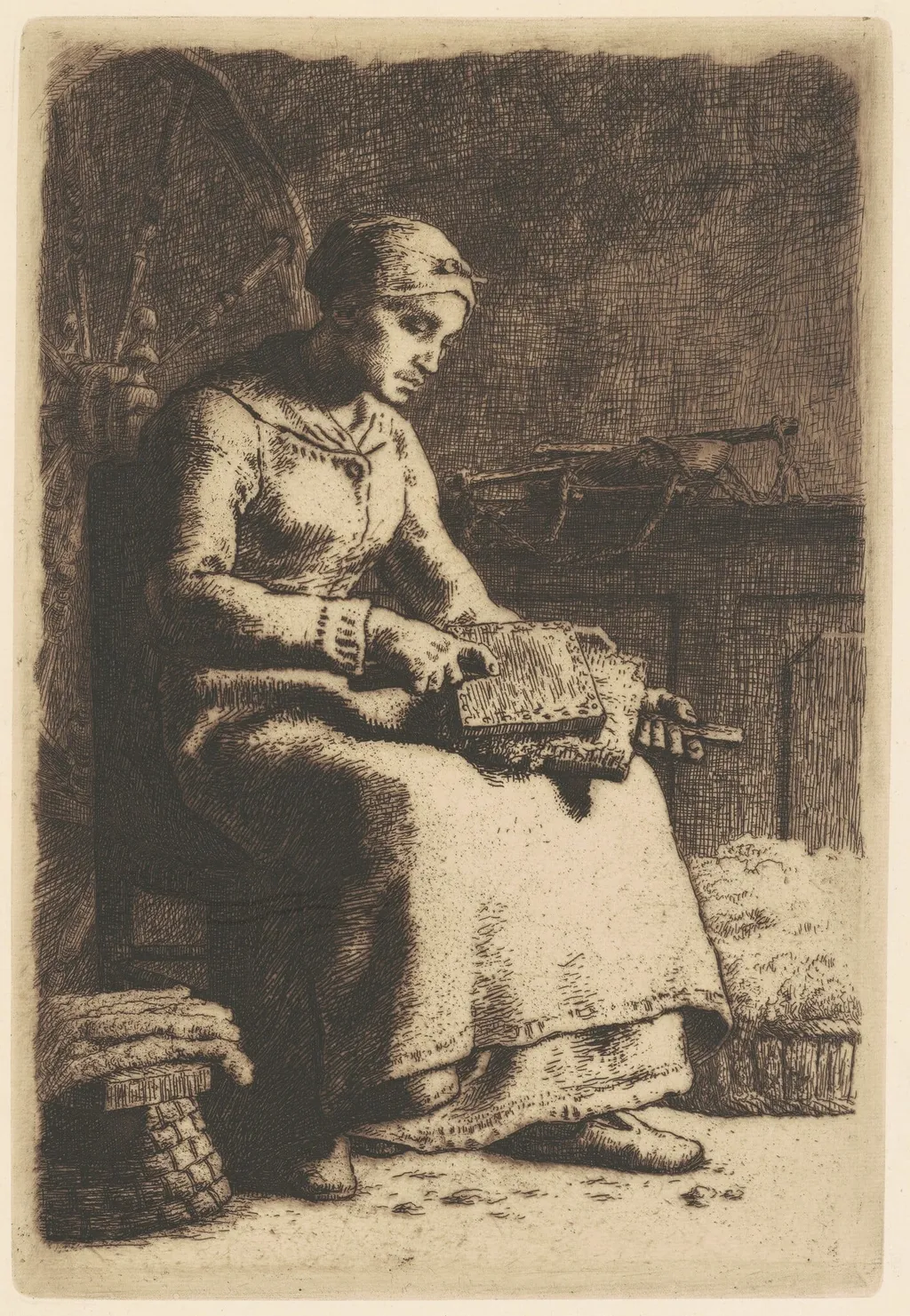
The Wool Carder (La Cardeuse) is an ink print by the Impressionist artist Jean François Millet. It dates from 1855 and is held in the collection of the National Gallery of Art.
About this work
Overview
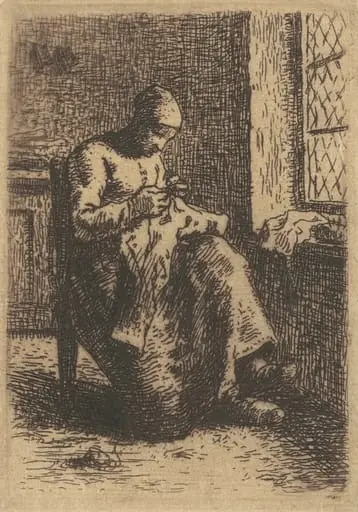
Created circa 1855, *The Wool Carder* is an etching on laid paper by Jean‑François Millet, a central figure of the Barbizon school and French Realism. The print depicts a solitary figure engaged in the manual task of carding wool, rendered in a restrained palette that emphasizes the quiet concentration of rural labor.
Subject & Meaning
The image centers on a woman seated in a simple chair, her hands working the wool while her face remains partially obscured. Dressed in a long skirt and head covering, she embodies the everyday toil of the peasant class, inviting viewers to contemplate the dignity and rhythm of domestic industry.
Technique & Style
Millet employed traditional etching methods on laid paper, using fine lines and deep shadows to model form. The dark background recedes, allowing the illuminated figure to dominate the composition. This restrained tonal range and emphasis on ordinary activity reflect the realist commitment to truthful representation.
History & Provenance
The print was produced during the mid‑nineteenth century, a period when Millet expanded his oeuvre beyond oil paintings to include drawings, pastels, and prints. While specific ownership records are limited, the work is recognized as part of Millet’s broader effort to document rural French life through multiple media.
Artist & collection
Artist
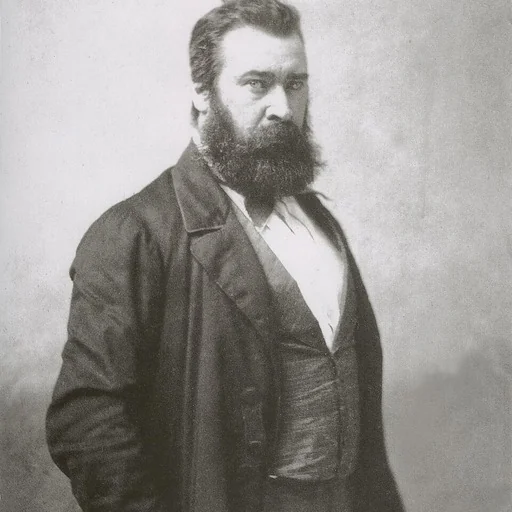
Jean-François Millet (French pronunciation: ; 4 October 1814 – 20 January 1875) was a French painter and one of the founders of the Barbizon school in rural France.