Artwork
The Seamstress (La Couseuse)
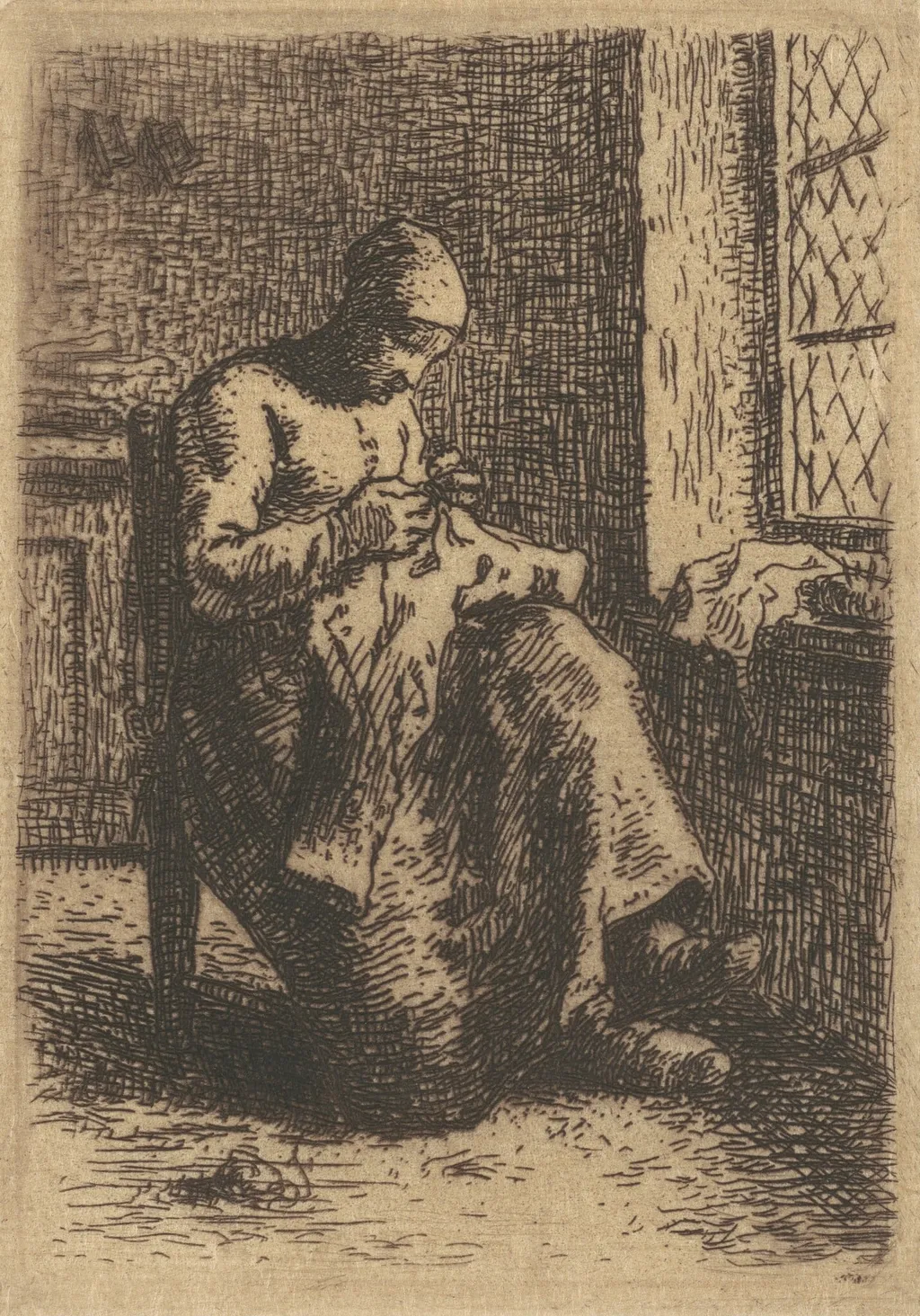
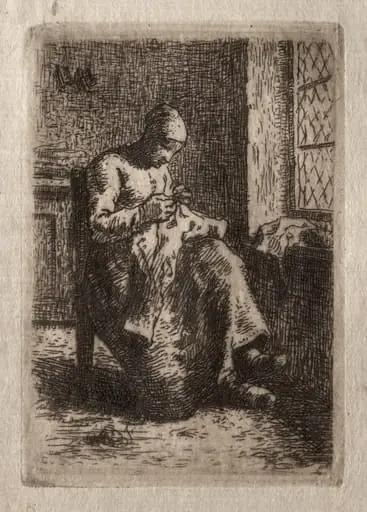
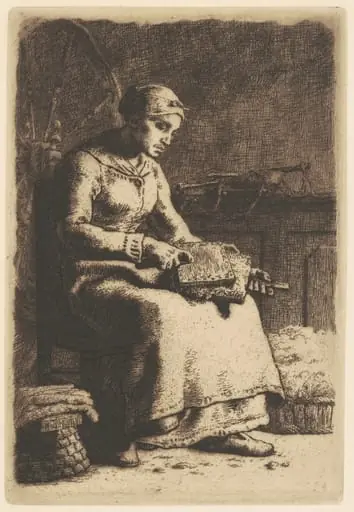
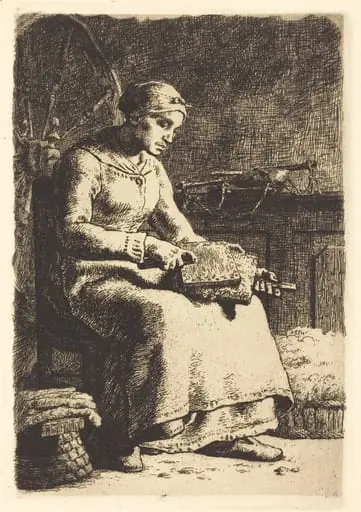
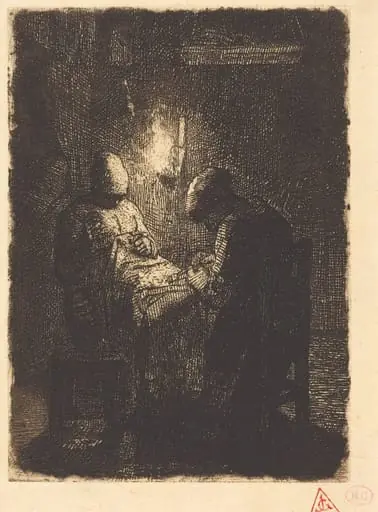
The Seamstress (La Couseuse) is an ink print by the Impressionist artist Jean François Millet. It dates from 1855 and is held in the collection of the National Gallery of Art. Created around 1855, *The Seamstress* is an etching by Jean-François Millet, one of the key figures in the Barbizon school.
About this work
Overview
Created around 1855, *The Seamstress* is an etching by Jean-François Millet, one of the key figures in the Barbizon school.
Created around 1855, *The Seamstress* is an etching by Jean-François Millet, one of the key figures in the Barbizon school. Unlike his more widely known oil paintings, this work is a print on laid paper, reflecting Millet’s engagement with printmaking as a means to explore everyday labor. The piece is held in the National Gallery of Art in Washington, D.C., and exemplifies his commitment to portraying quiet, domestic moments among working-class women.
Subject & Meaning
The image depicts a woman bent over her sewing, absorbed in meticulous handwork. Her posture and the dim interior suggest exhaustion and solitude, emphasizing the repetitive nature of domestic labor. Millet avoids idealization; instead, he presents the seamstress as a figure of quiet endurance. The absence of narrative or ornamentation focuses attention on the dignity of routine tasks, aligning with Realist principles that valued unembellished truth over romanticism.
Technique & Style
Millet employed etching to achieve a tactile, textured surface, using fine, irregular lines to model form and shadow. The rough hatching on walls and floor conveys materiality without detail, while the diamond-paned window introduces structured light against the otherwise chaotic texture. The artist preserved the raw quality of the etched lines, rejecting polish in favor of immediacy. This approach heightens the sense of intimacy and physical presence, as if the viewer observes the scene through a half-open door.
History & Provenance
The print was made during Millet’s most active period in Barbizon, where he lived among rural laborers and sought to depict their lives with authenticity. Though few of his etchings were widely circulated in his lifetime, *The Seamstress* was preserved in institutional collections. It entered the National Gallery of Art’s holdings in the 20th century, where it remains as part of a broader effort to document 19th-century printmaking as a vehicle for social observation.
Context
In mid-19th-century France, Realism emerged as a reaction against historical and mythological themes in art. Millet, alongside Courbet and others, turned to peasants and laborers as worthy subjects. While oil paintings dominated public exhibitions, etchings like this one offered a more intimate, accessible format. *The Seamstress* reflects a broader cultural shift toward documenting the unseen rhythms of working life, particularly within the domestic sphere.
Legacy
Though less celebrated than Millet’s paintings, *The Seamstress* influenced later artists interested in the expressive potential of printmaking for social observation. Its unadorned depiction of labor contributed to the legitimacy of everyday scenes in fine art. The work endures as a quiet testament to the aesthetic value of ordinary moments, preserved not through grandeur but through the precision of its line and the weight of its silence.
Own this work as a print
Artist & collection
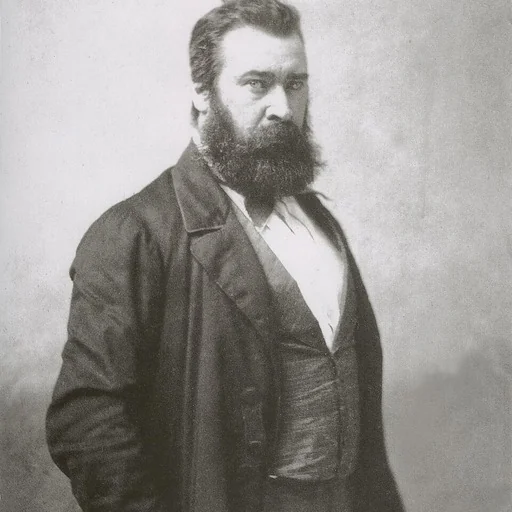
Artist
Jean-François Millet (French pronunciation: ; 4 October 1814 – 20 January 1875) was a French painter and one of the founders of the Barbizon school in rural France.