Artwork
Ōta ware: by Makudzu Kozan
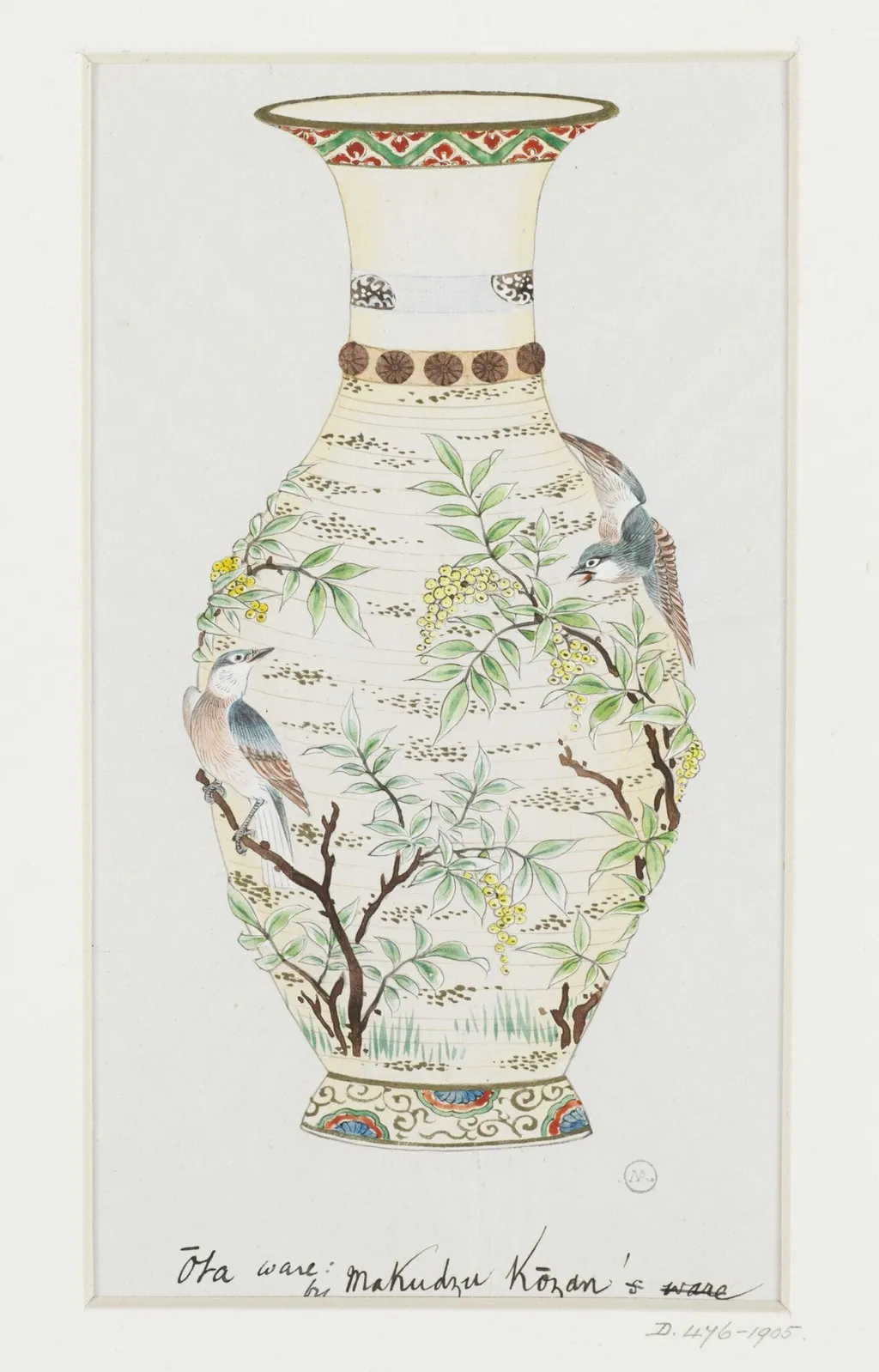
Ōta ware: by Makudzu Kozan is a paint painting by the Impressionist artist Miyagawa Kōzan. It dates from 1877 and is held in the collection of the Victoria and Albert Museum.
About this work
Overview
This 1877 porcelain vase, produced at the Ōta kilns and painted by Miyagawa Kōzan under the artist name Makudzu Kozan, presents a tall, narrow‑necked form with a broad base. Its surface is enlivened by vivid green foliage, yellow berries and two meticulously rendered birds, set against a pale cream background. The rim is accented with swirling bands of red, green and blue.
Subject & Meaning
The decorative program centers on a stylized branch laden with leaves and fruit, upon which two birds rest. The naturalistic rendering of the birds and foliage suggests an appreciation for seasonal motifs common in late‑19th‑century Japanese decorative arts, while the composition balances realism with ornamental abstraction.
Technique & Style
Kōzan employed fine, controlled brushwork to achieve delicate line and texture, especially in the feathered birds and the veined leaves. The pigments, applied over a glazed porcelain surface, retain their brightness, and the multicolored rim pattern demonstrates a harmonious use of complementary hues typical of Meiji‑era porcelain painting.
History & Provenance
The vase entered the museum’s collection in 1905, purchased from the estate of Mary Dresser, a collector who previously owned several objects now held by the institution. Its documented origin links directly to the Ōta kilns, a prominent production centre during the Meiji period.
Context
Ōta ware represents a regional response to the broader Meiji revival of traditional crafts, integrating Western market demands with Japanese aesthetic principles. Artists like Miyagawa Kōzan were instrumental in adapting porcelain decoration to suit both domestic tastes and export markets, employing vivid palettes and natural motifs.
Artist & collection

Artist
Miyagawa Kōzan I (宮川香山) (1842–1916) was a Japanese ceramist. He was appointed artist to the Japanese Imperial household and was one of the major potters of the Meiji Era. From 1876 to 1913, Kōzan won prizes at 51…

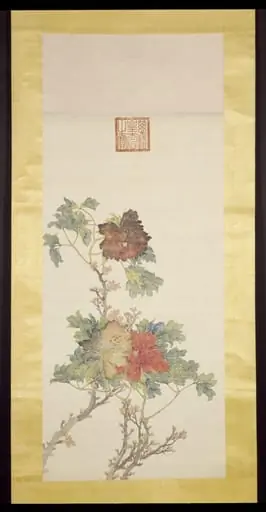 Peonies
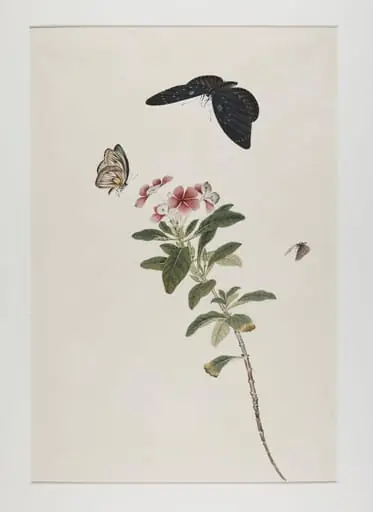 Madagascar periwinkle (catharanthus roseus) and butterflies
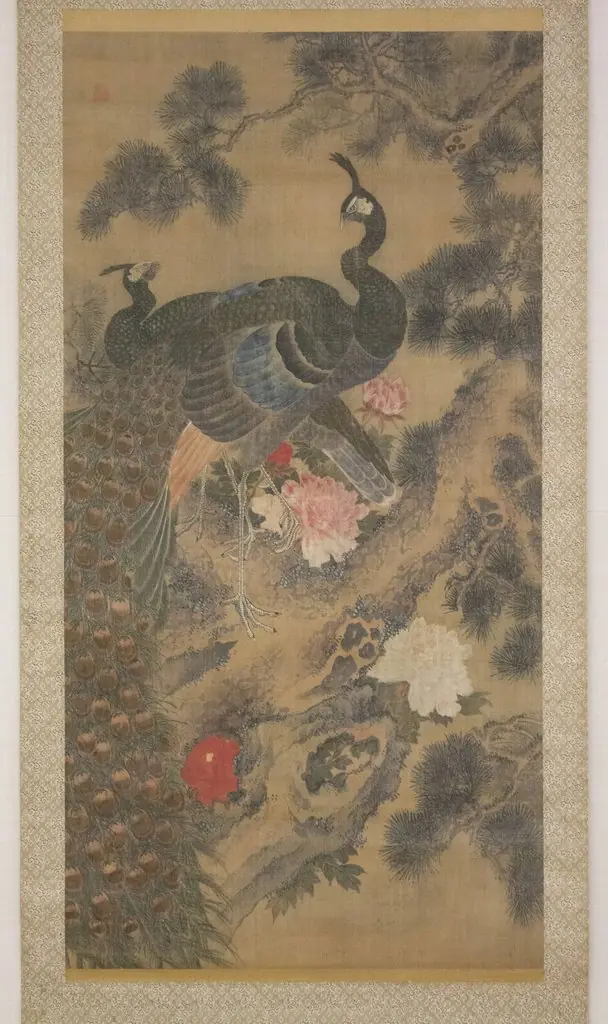 Peacocks, Pine Tree, and Peonies
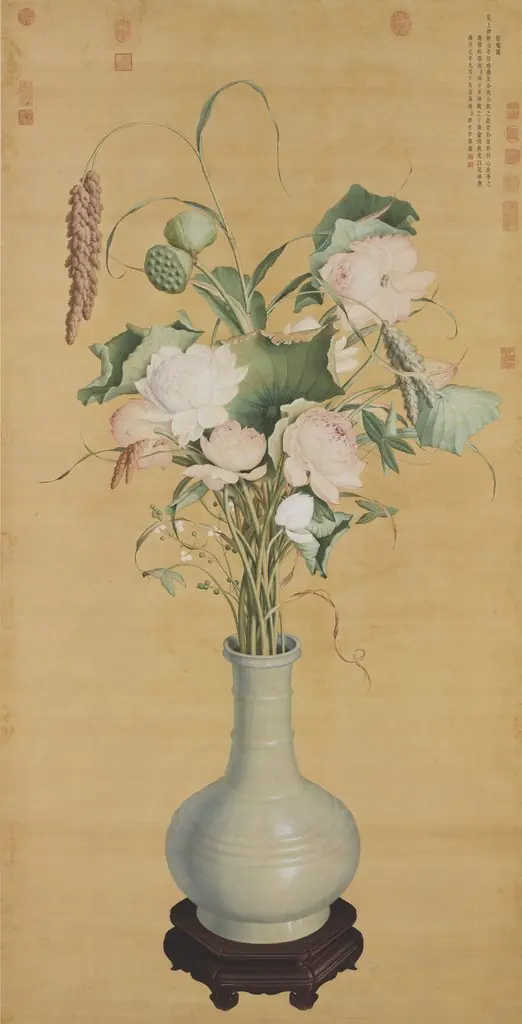 Gathering of Auspicious Signs
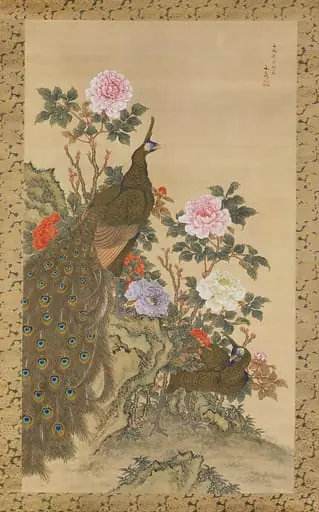 牡丹に孔雀図|Peacocks and Peonies
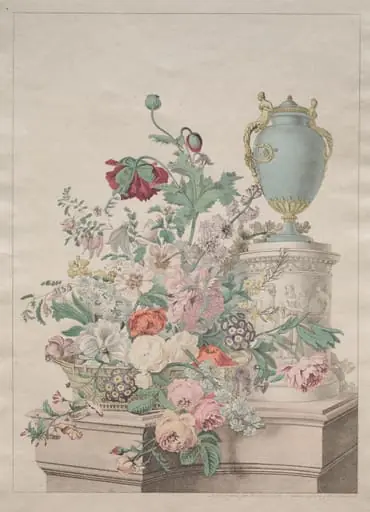 Flore Pittoresque ou Recueil de Fruits et de Fleurs
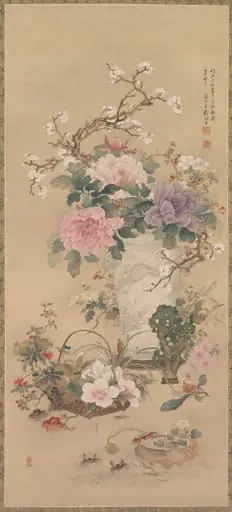 Vase of Flowers with Grasshopper, Marine Life, and Garden Rock
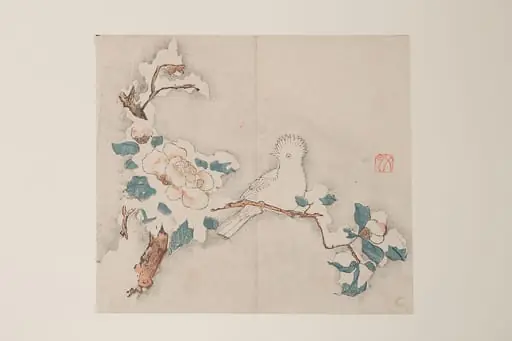 明 十竹齋書畫譜 四開|Leaf from the Ten Bamboo Studio Manual of Painting and Calligraphy
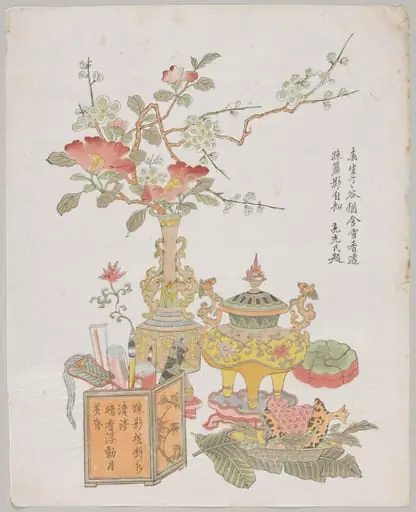 Plum and Camellia in a Bronze Vase
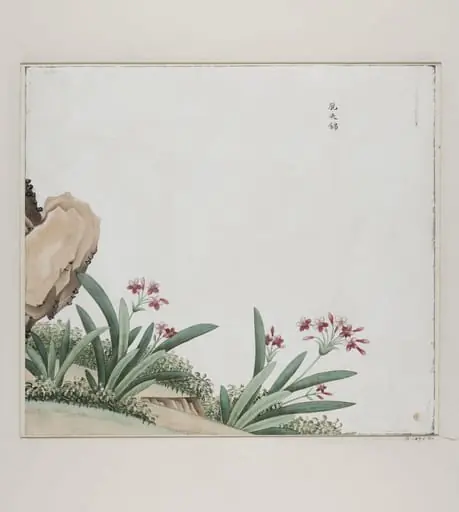 tuo yi jin
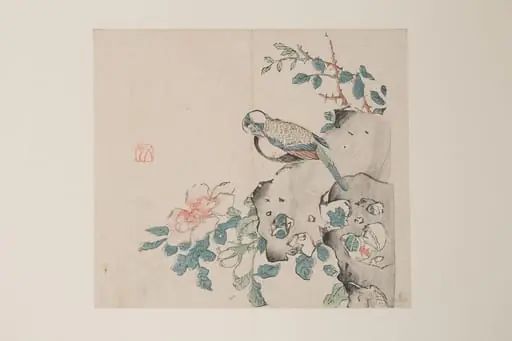 明 十竹齋書畫譜 四開|Leaf from the Ten Bamboo Studio Manual of Painting and Calligraphy
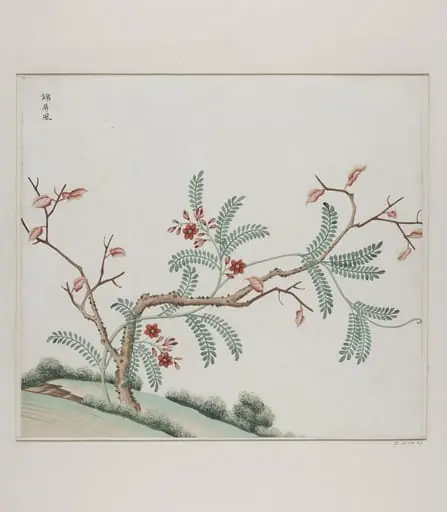 Jin pin feng