Artwork
Peacocks, Pine Tree, and Peonies
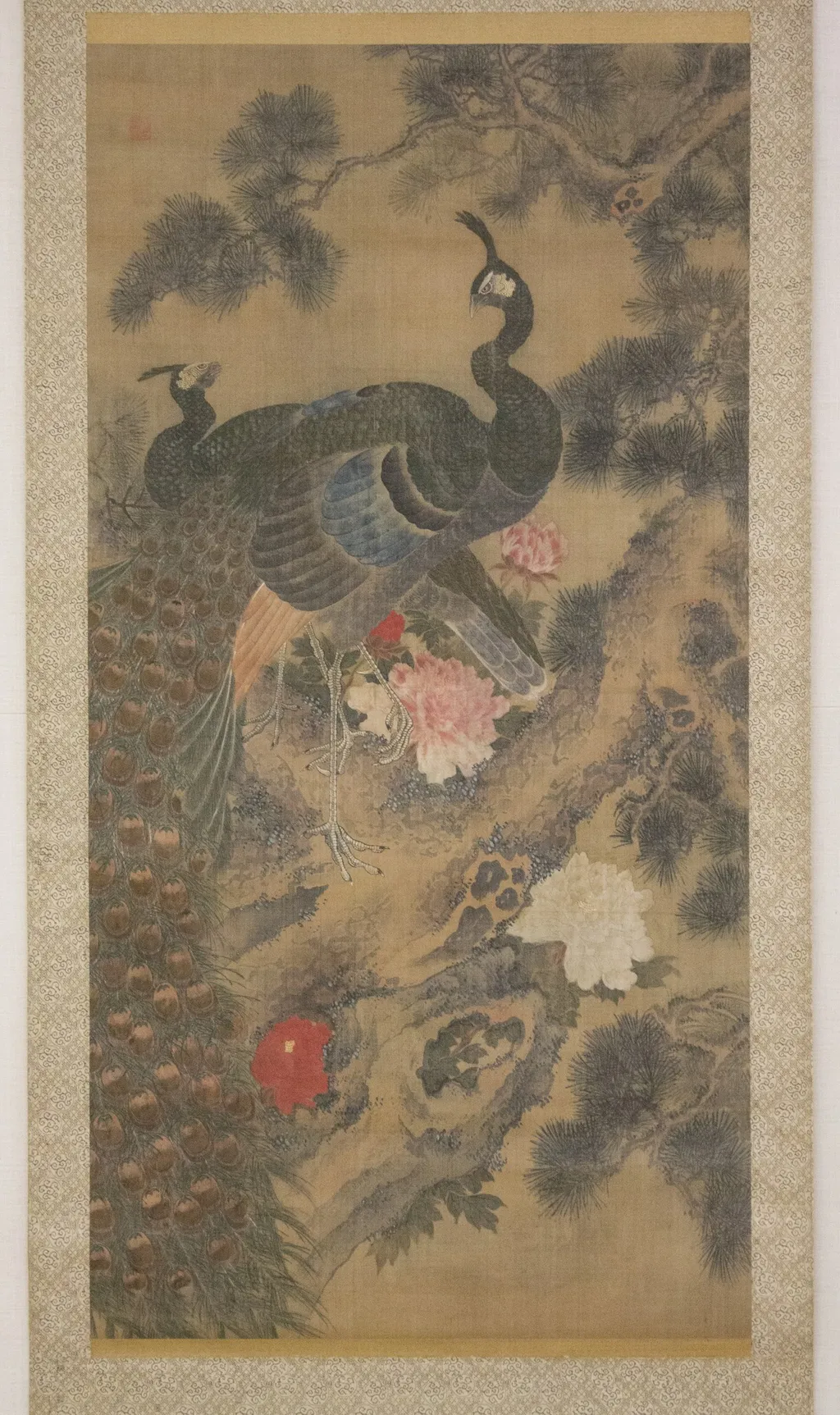
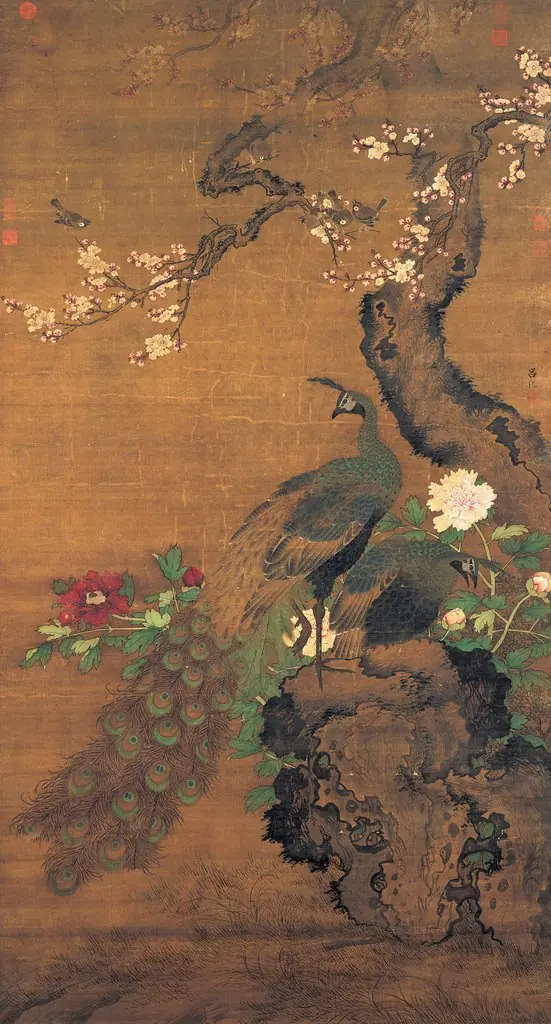
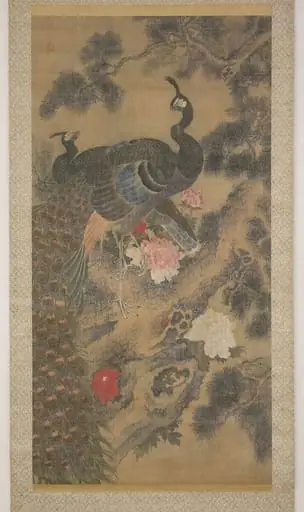
Peacocks, Pine Tree, and Peonies is an unspecified painting by Lü Ji. It dates from 1849 and is held in the collection of the Metropolitan Museum of Art.
About this work
Overview
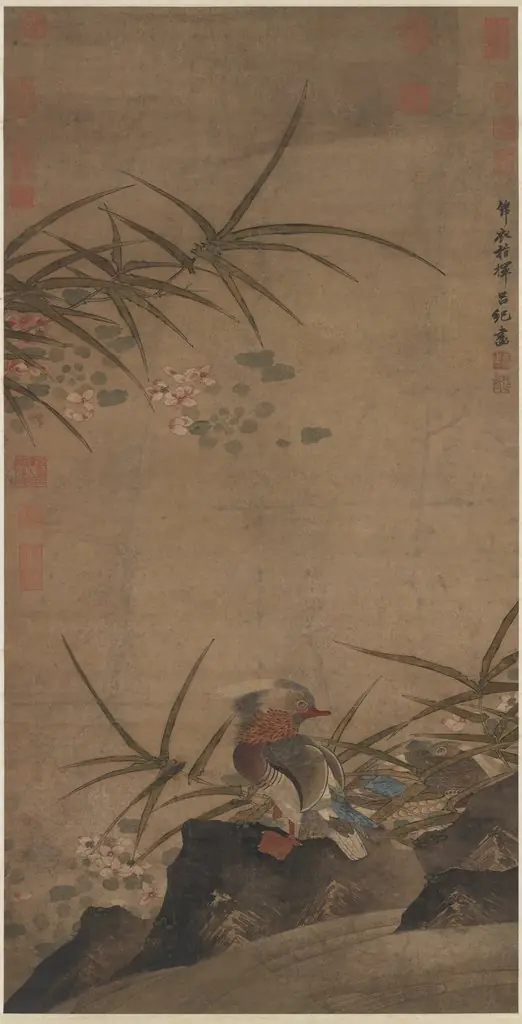
Created in 1849, the painting titled *Peacocks, Pine Tree, and Peonies* is attributed to the Chinese artist Lü Ji. Executed in traditional brushwork, the work combines avian, arboreal, and floral motifs on a single pictorial plane. It is part of the collection of the Metropolitan Museum of Art in New York, where it is displayed among other 19th‑century Chinese paintings.
Subject & Meaning
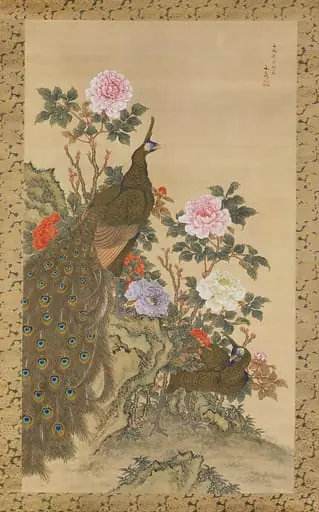
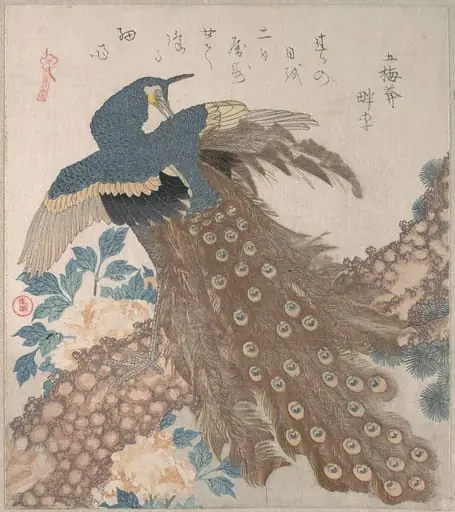
The composition brings together three emblematic elements of Chinese visual culture: the peacock, a symbol of beauty and dignity; the pine tree, representing longevity and steadfastness; and the peony, long associated with prosperity and honor. Their juxtaposition suggests a harmonious celebration of auspicious qualities, a theme common in literati painting of the period.
Technique & Style
The overall effect balances meticulous detail with the spontaneous brushwork characteristic of late Qing dynasty court and scholar painters.
Lü Ji employs fine brush strokes to render the iridescent plumage of the peacocks, while the pine branches are suggested with ink‑washed washes that convey texture and depth. The peonies are painted in layered pigment, allowing the blossoms to appear lush and three‑dimensional. The overall effect balances meticulous detail with the spontaneous brushwork characteristic of late Qing dynasty court and scholar painters.
History & Provenance
The work entered the Metropolitan Museum of Art’s collection through acquisition in the early 20th century, reflecting the museum’s expanding interest in East Asian art. Documentation traces its ownership back to a private Chinese collector before its transfer to the museum, where it has been catalogued as a representative example of Lü Ji’s mature period.
Context
Lü Ji was active during a time of cultural transition in China, when traditional painting practices were encountering new influences from Western art and increasing contact with foreign markets. This painting exemplifies the continued relevance of classical symbolism while also displaying a refined, courtly aesthetic that appealed to both domestic patrons and emerging international audiences.
Artist & collection