Artwork
Still Life with a Basket of Peaches and Grapes
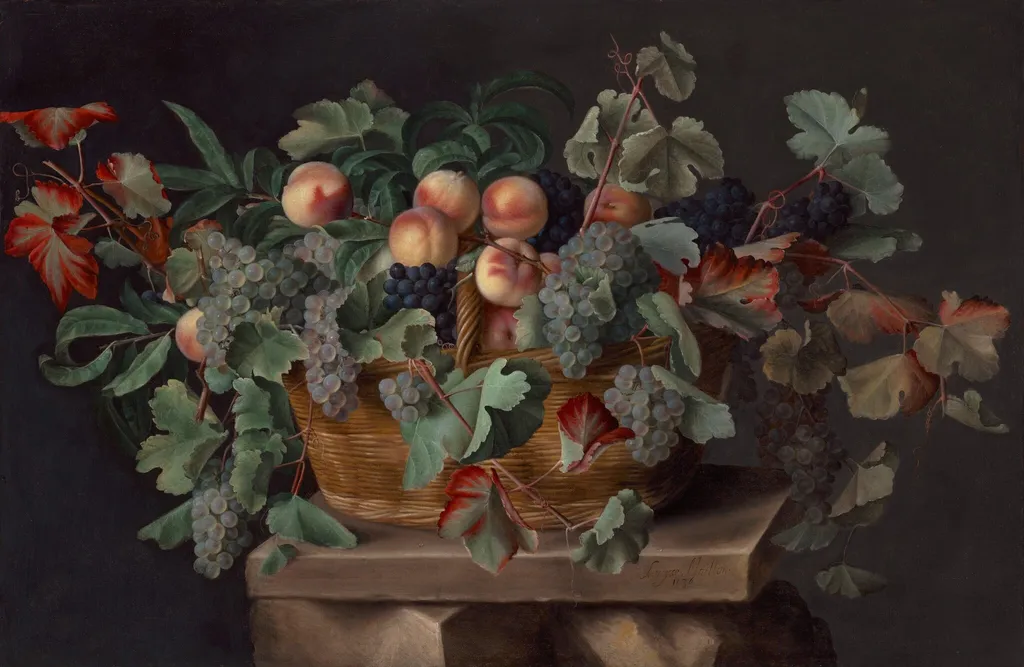
Still Life with a Basket of Peaches and Grapes is an oil painting by the Baroque artist Louise Moillon. It dates from 1636 and is held in the collection of the National Gallery of Art.
About this work
Overview
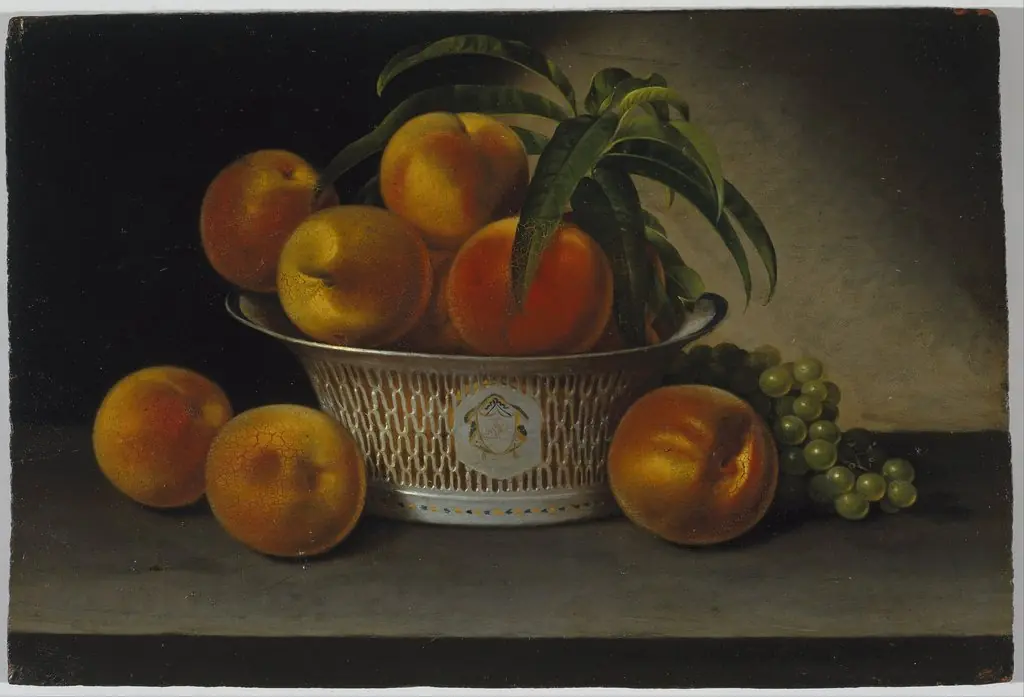
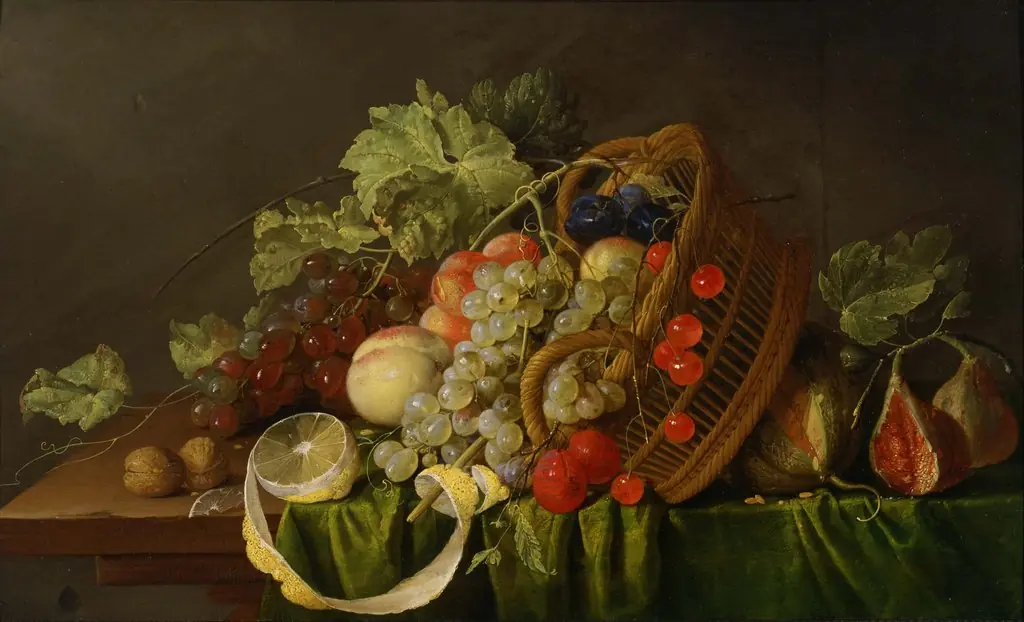
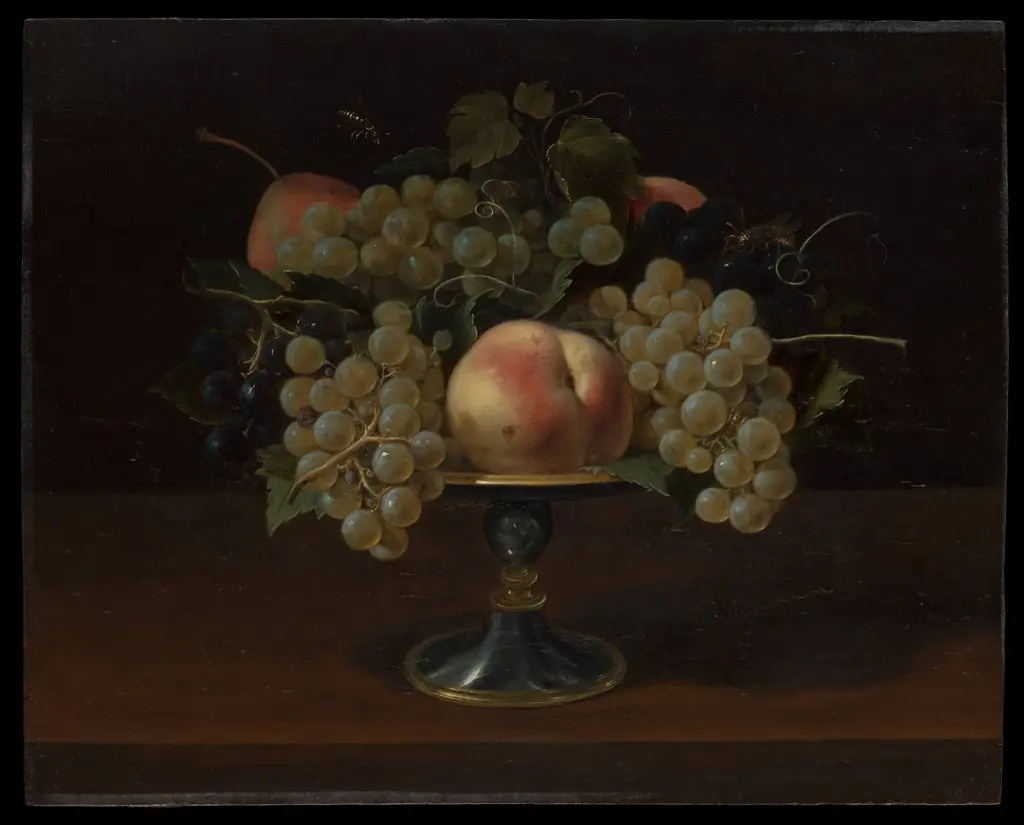
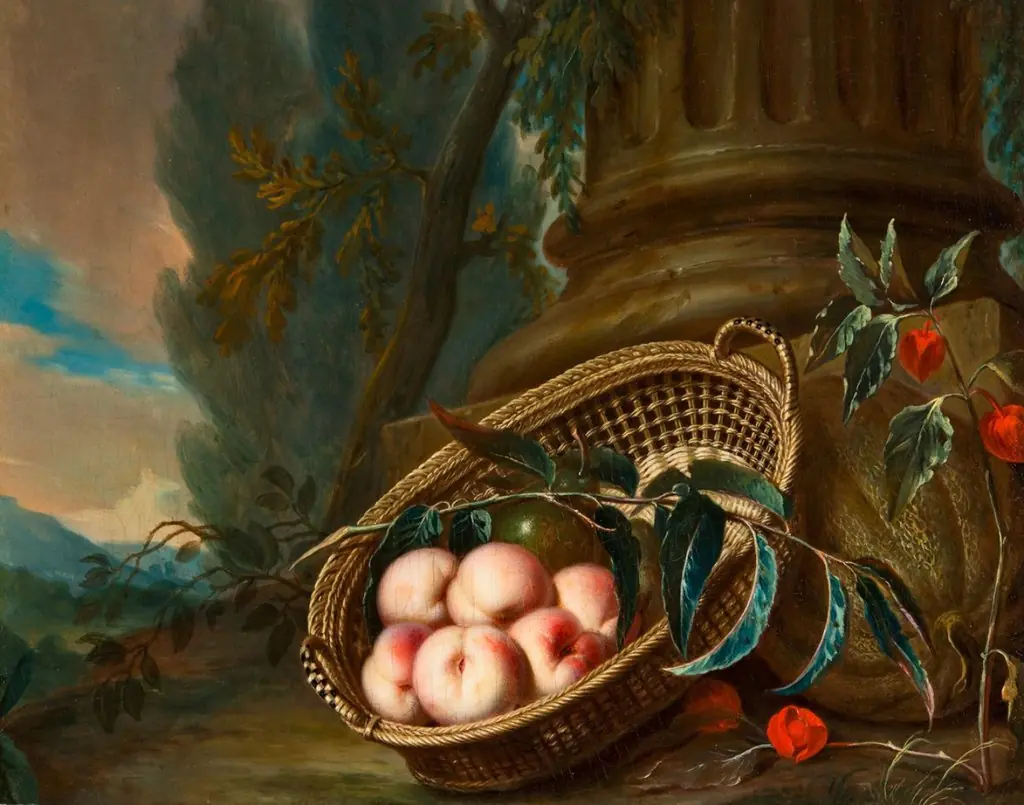
Painted in 1636 by French artist Louise Moillon, this oil on canvas work presents a carefully arranged still life of peaches and grapes in a woven basket.
Painted in 1636 by French artist Louise Moillon, this oil on canvas work presents a carefully arranged still life of peaches and grapes in a woven basket. Moillon, active in 17th-century Paris, specialized in quiet, precise depictions of fruit and domestic objects. The composition reflects the influence of Northern European traditions while adhering to French sensibilities of restraint and clarity. It is now part of the National Gallery of Art’s collection in Washington, D.C.
Subject & Meaning
The painting features a basket spilling over with ripe peaches and dark grapes, accompanied by scattered leaves and vine tendrils. The abundance suggests themes of harvest and natural fertility, common in Baroque still lifes. Unlike overtly luxurious displays, Moillon’s arrangement avoids excess, instead emphasizing the quiet dignity of everyday produce. The inclusion of organic decay—slightly curled or bent leaves—hints at the passage of time and the impermanence of earthly things.
Technique & Style
Moillon employed fine brushwork to render the soft fuzz of peaches, the glossy sheen of grapes, and the intricate weave of the basket with meticulous attention. Light falls evenly across the scene, enhancing texture without dramatic contrast. The stone ledge grounds the composition, creating a sense of physical presence. Her style merges Flemish realism in detail with French understatement, avoiding theatricality in favor of calm, observational precision.
History & Provenance
Created in 1636, the painting entered the National Gallery of Art’s collection in the 20th century. Moillon, one of the few documented female still life painters of her time, was active in Paris and enjoyed patronage from aristocratic circles. While her works were collected in France during the 17th century, many were later dispersed. This piece remains a rare surviving example of her mature output, preserved with minimal alteration since its creation.
Context
Though often associated with the Dutch Golden Age, this work was produced in France, where still life painting was gaining prestige among urban elites. French artists like Moillon adapted Northern European techniques but favored quieter, more orderly compositions than their Dutch counterparts. The genre reflected growing interest in natural science, domestic economy, and the aesthetic value of ordinary objects during the early Baroque period.
Legacy
Moillon’s work contributed to the legitimization of still life as a serious genre in French art. Her focus on naturalism and restraint influenced later generations of French painters who sought to elevate everyday subjects. Though less widely known than her male contemporaries, her paintings remain important for demonstrating the technical skill and compositional discipline of women artists in a male-dominated field.
Own this work as a print
Artist & collection
Artist
Louise Moillon (c. 1610–1696) was a French still life painter in the Baroque era. It is recorded that she became known as one of the best still life painters of her time, as her work was purchased by King Charles I of…

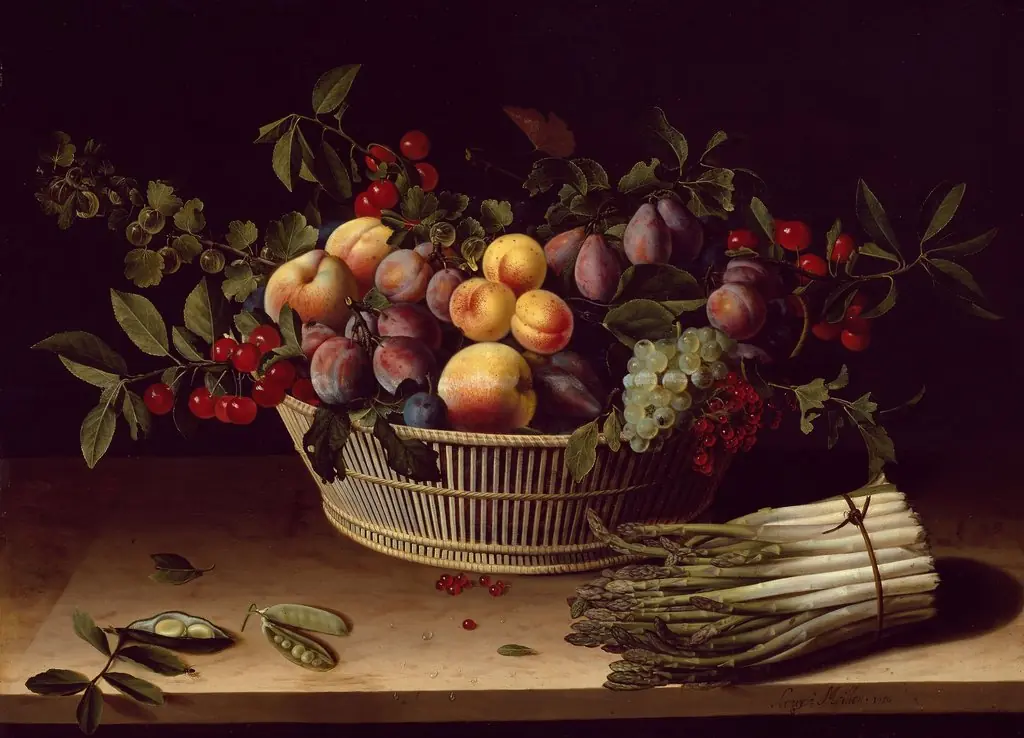 Still Life with a Basket of Fruit and a Bunch of Asparagus
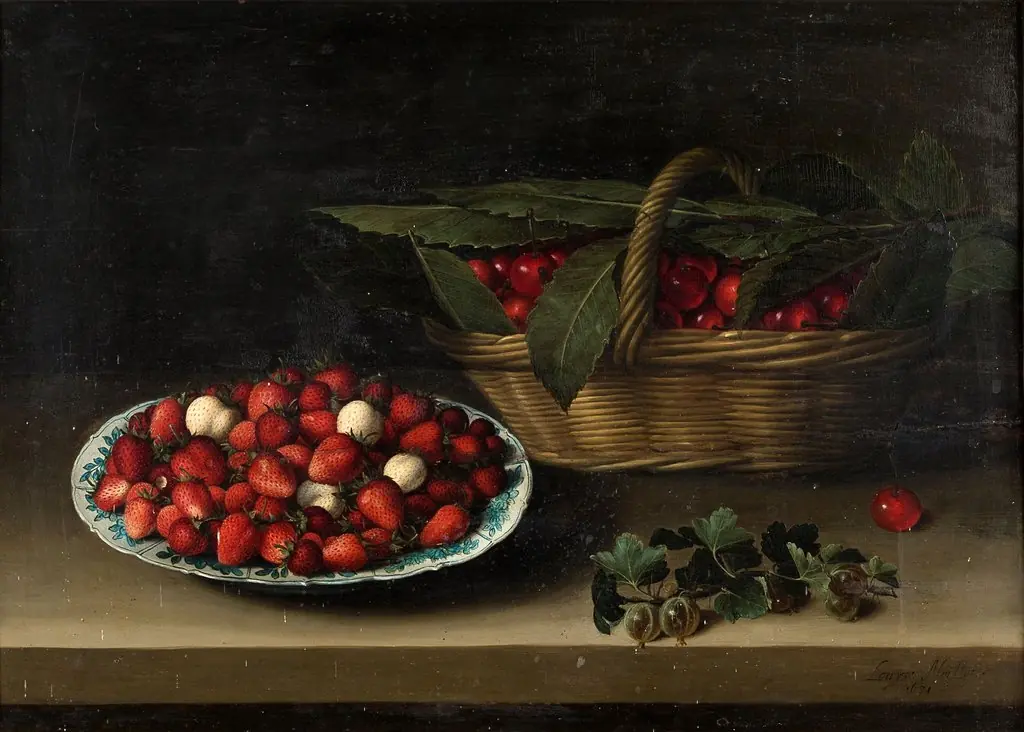 Still Life with a Bowl of Strawberries, Basket of Cherries, and Branch of Gooseberries
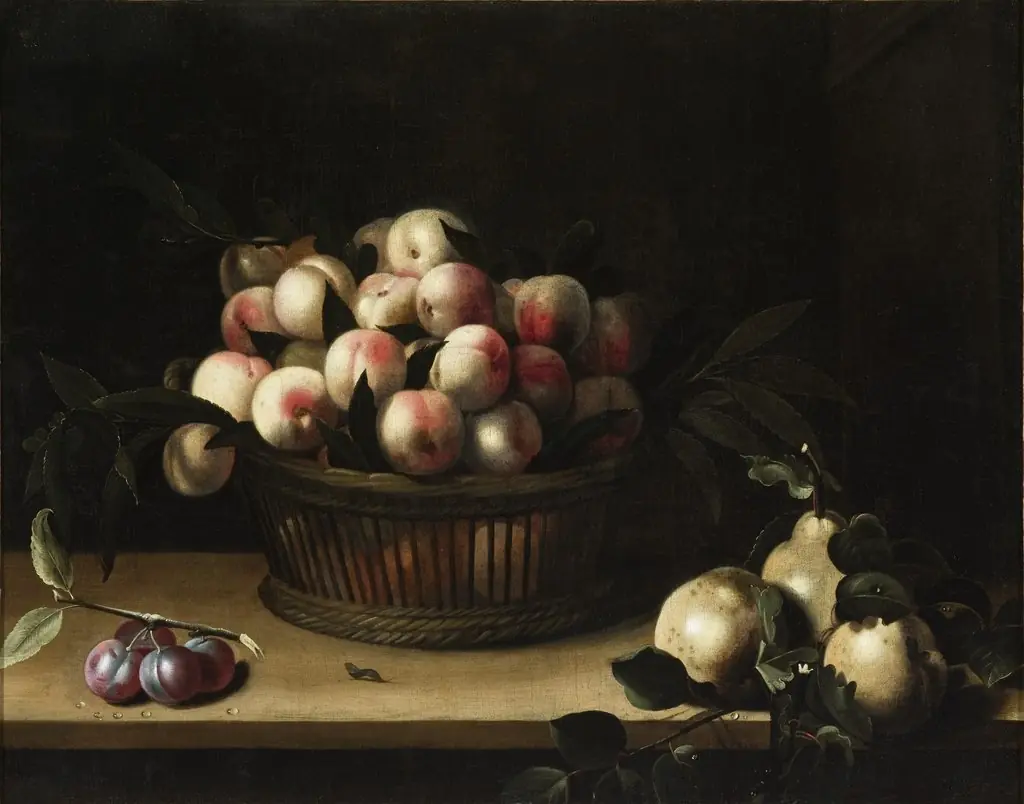 Basket of Peaches, with Quinces, and Plums
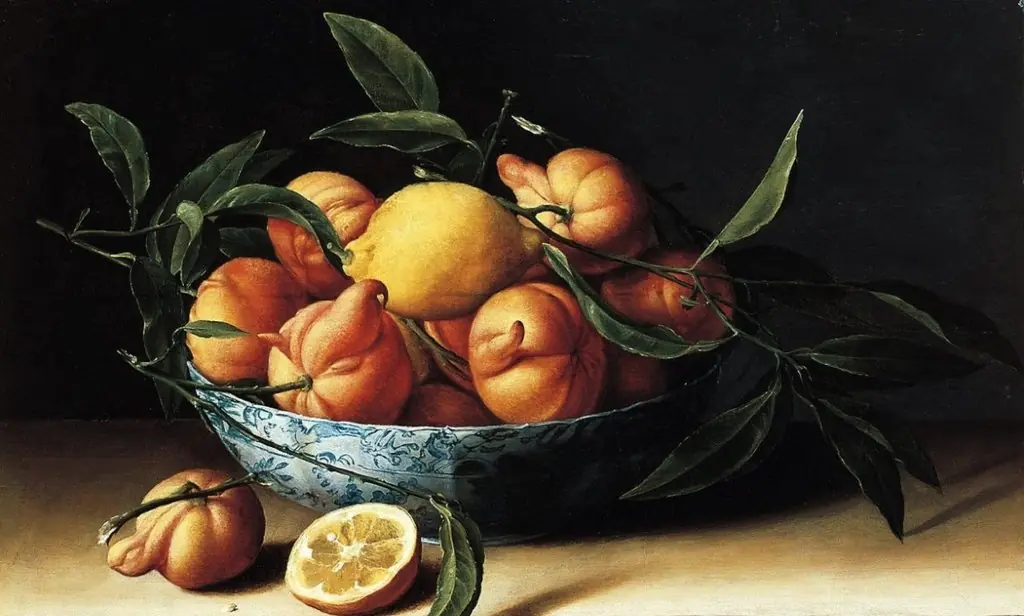 Still Life with Bowl of Curacao Oranges
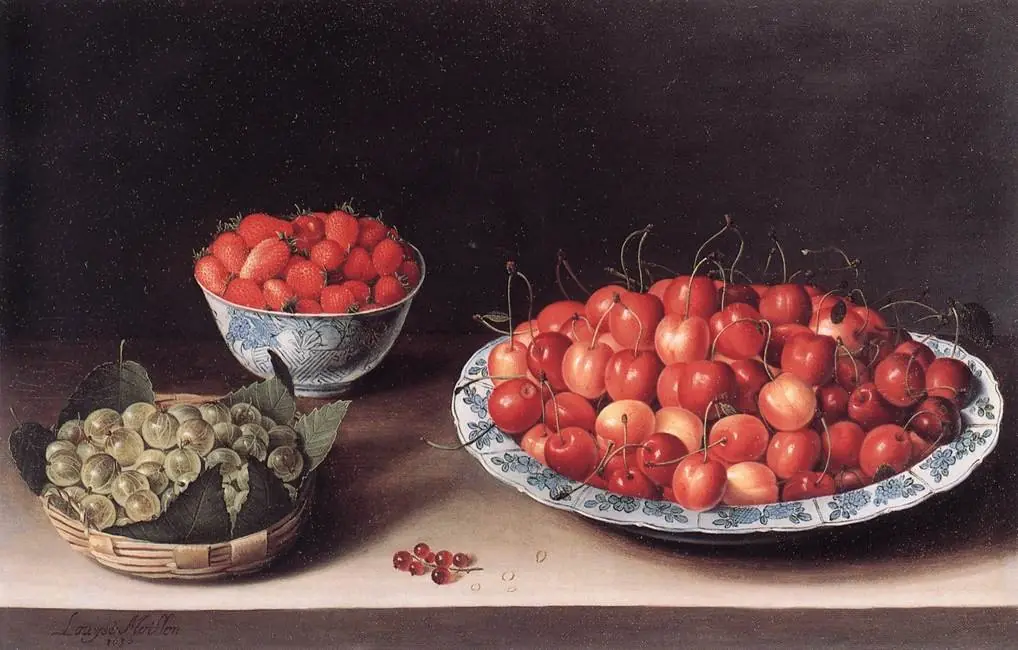 Still Life with Cherries, Strawberries and Gooseberries
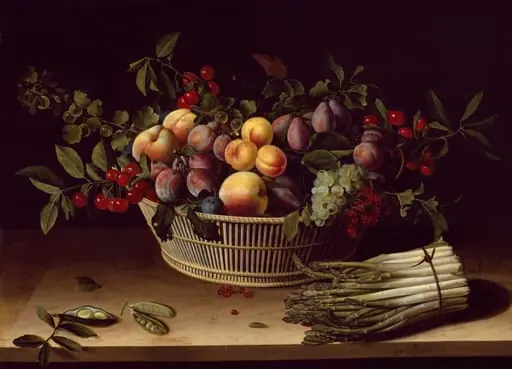 Still Life with a Basket of Fruit and a Bunch of Asparagus