Artwork
Ecaterina Ghica
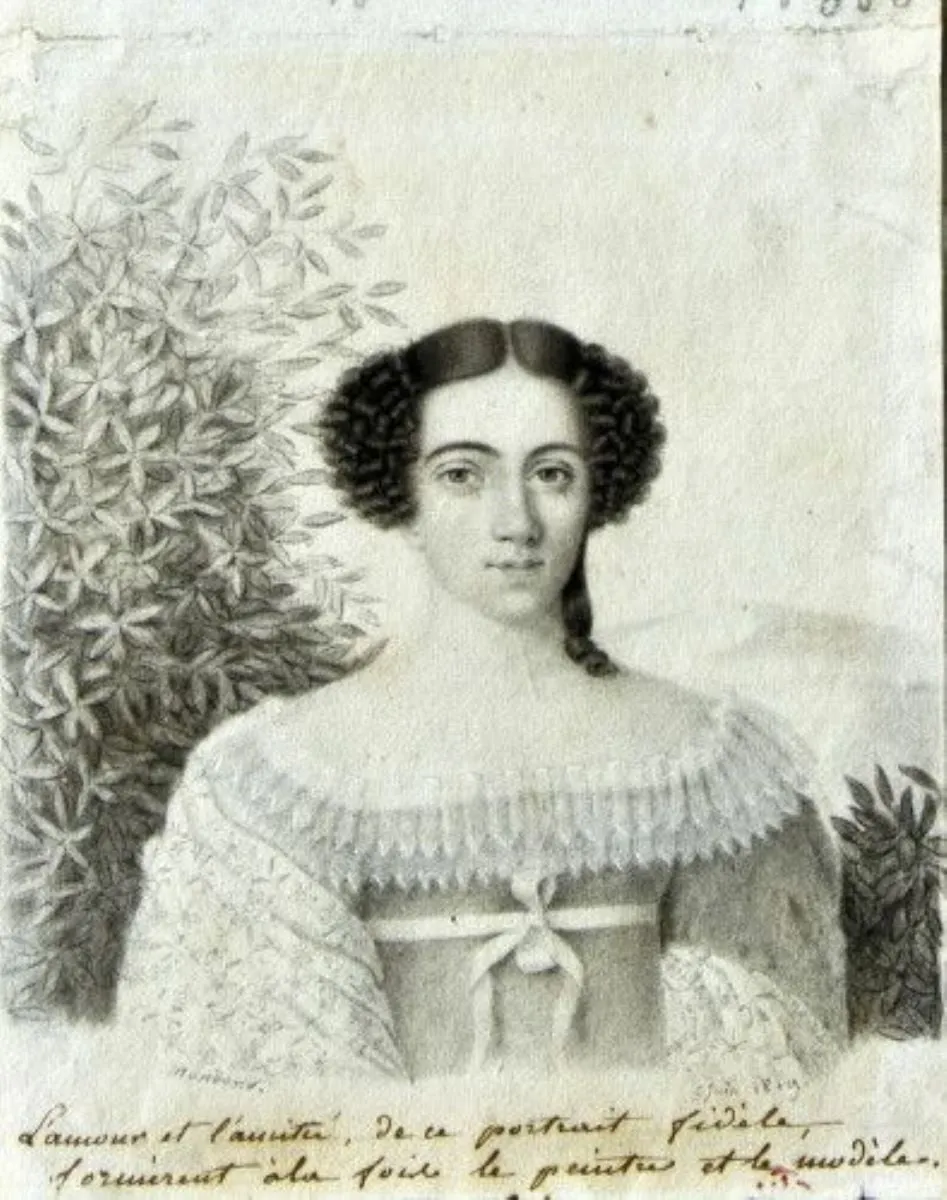
Ecaterina Ghica is an unspecified painting by the Romanesque artist Henri de Mondonville. It dates from 1819 and is held in the collection of the National Museum of Art of Romania.
About this work
Overview
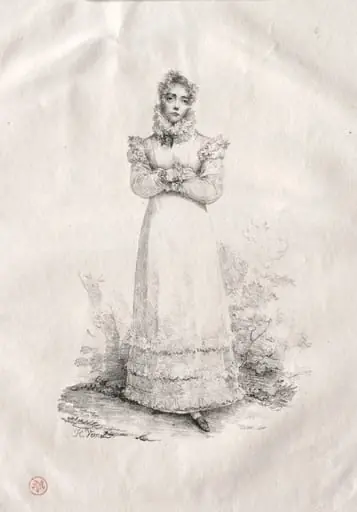
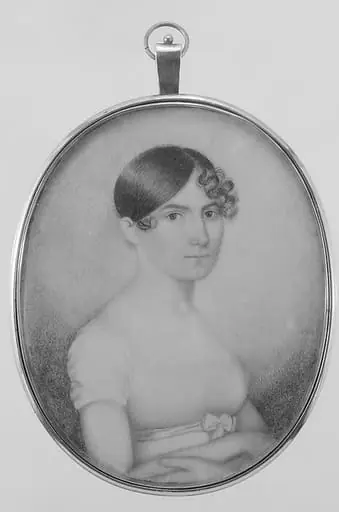
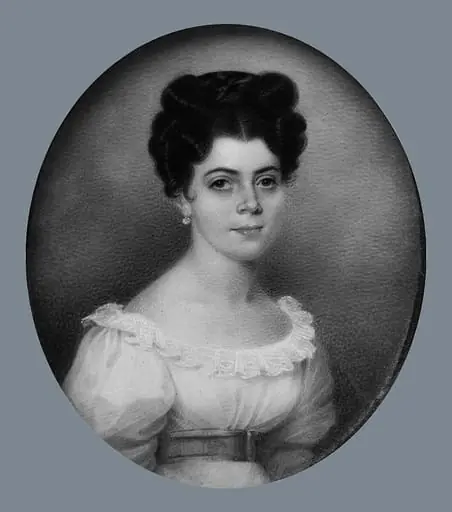
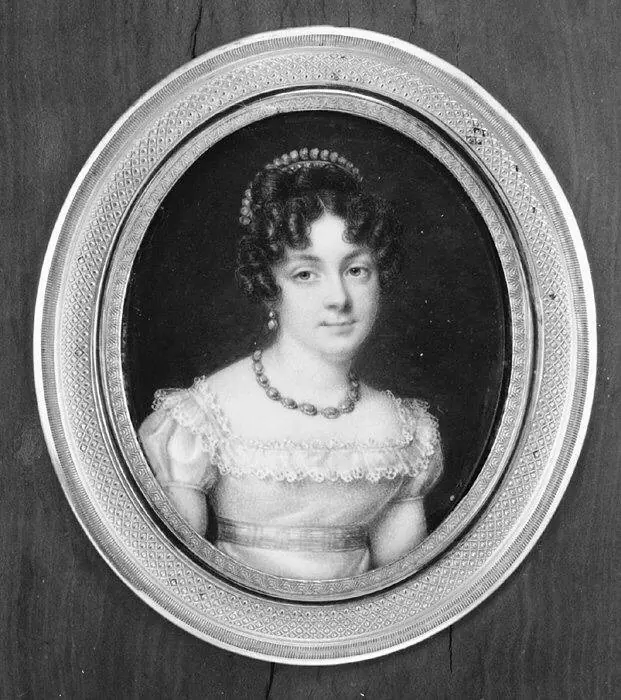
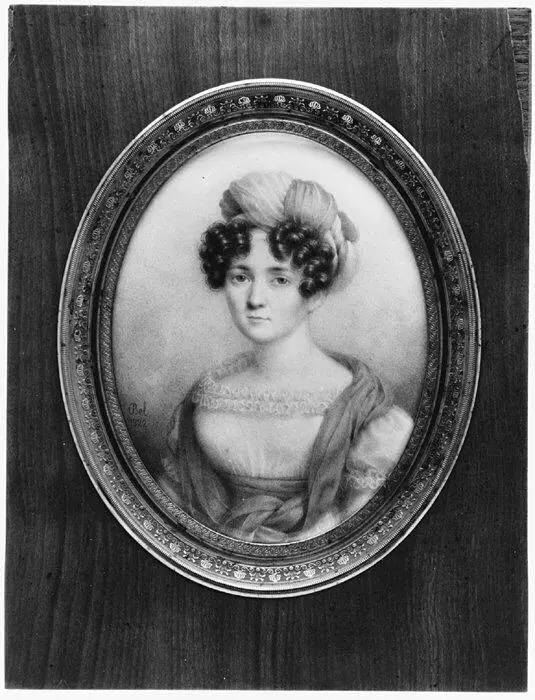
This portrait drawing, dated 1819, depicts Ecaterina Ghica, a woman of Romanian nobility, rendered in pencil or charcoal. The composition is intimate and restrained, emphasizing quiet dignity over grandeur. The artist, Henri de Mondonville, employed subtle tonal gradations to model the face and form, avoiding sharp lines in favor of a soft, atmospheric effect.
Subject & Meaning
Her simple attire—a modest dress with a draped shawl and a small bow at the neck—suggests refinement without ostentation.
Ecaterina Ghica is portrayed with composure and stillness, her expression serene and unadorned. Her simple attire—a modest dress with a draped shawl and a small bow at the neck—suggests refinement without ostentation. The framing branch behind her, delicate and natural, reinforces a sense of harmony between the sitter and the organic world, aligning with Romantic ideals of inner calm and connection to nature.
Technique & Style
The work is executed with delicate pencil or charcoal strokes, building form through gentle hatching and smudging rather than outline. Light shading defines the contours of the face and shoulders, creating a hazy, tender quality. The background is left largely unworked, allowing the figure to emerge softly from the paper, a technique that enhances the portrait’s emotional subtlety and spatial ambiguity.
History & Provenance
Created in 1819, the drawing likely originated in a private or aristocratic context, given Ghica’s noble status. Its survival suggests it was valued as a personal keepsake or study. While little is documented about its early ownership, the piece remains a rare surviving example of Mondonville’s portraiture, distinct from his better-known landscape and decorative works.
Context
Produced during the height of Romanticism, the portrait reflects the movement’s shift from formal Neoclassical rigidity toward emotional nuance and naturalism. Unlike grand historical portraits, this work prioritizes quiet presence and psychological depth. The emphasis on simplicity, natural framing, and subdued tone aligns with broader trends in early 19th-century intimate portraiture across Europe.
Legacy
Though not widely exhibited, the drawing contributes to understanding the breadth of Mondonville’s practice beyond large-scale commissions. It stands as a quiet testament to the Romantic preference for personal, unembellished representation. Its preservation offers insight into how noblewomen were visually conceived in private circles, away from public spectacle.
Artist & collection
Artist
French painter in the early 1800s, Henri de Mondonville made formal portraits like Ecaterina Ghica from 1819.