Artwork
Szentiványi Ignácné
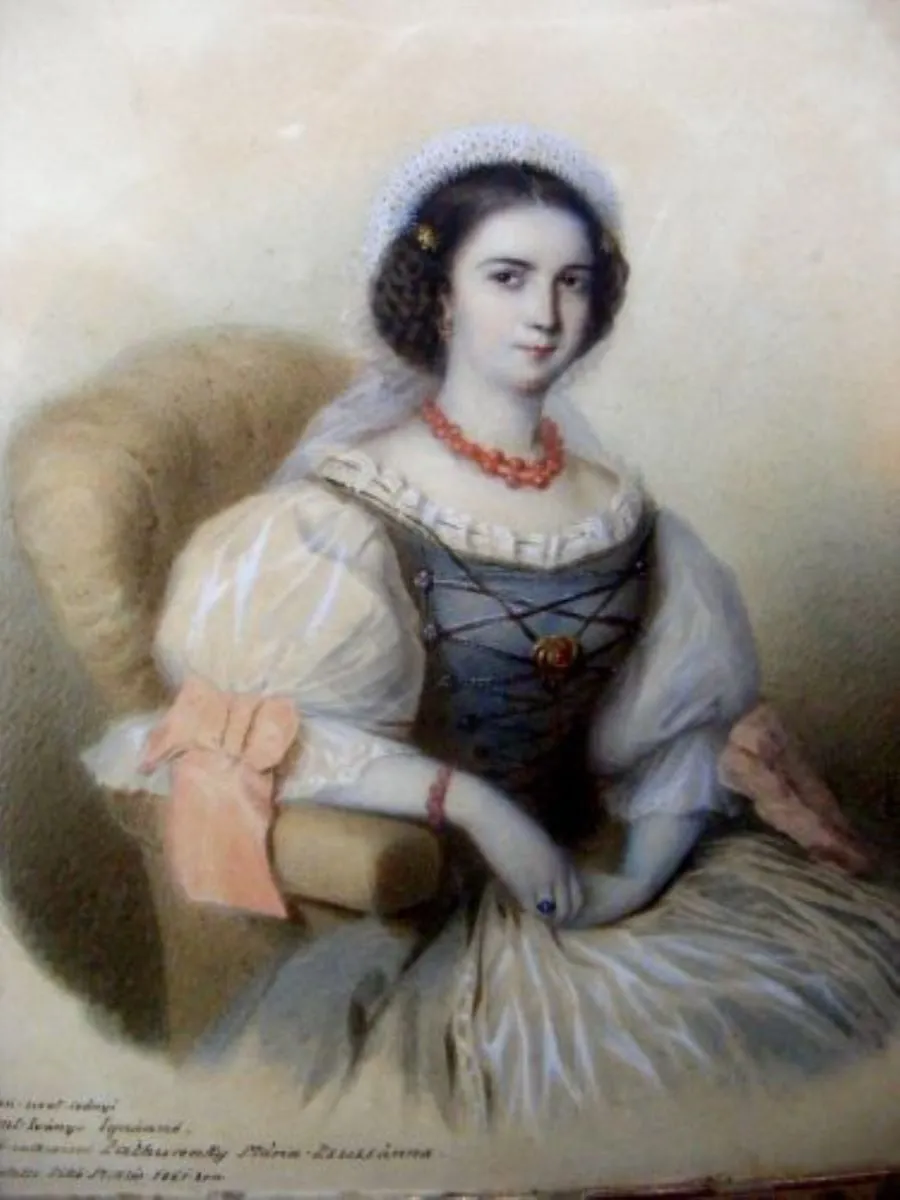
Szentiványi Ignácné is an unspecified painting by the Biedermeier artist Miklós Sikó. It dates from 1861 and is held in the collection of the Székely National Museum.
About this work
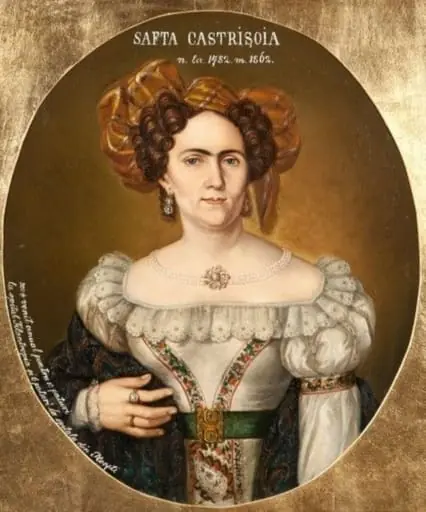
Her dark hair is styled in an updo, and she wears a white headpiece, a red necklace, and a ring on her left hand.
This painting is a portrait of a woman. She is seated in a chair, wearing a white dress with puffy sleeves and a blue corset. Her dark hair is styled in an updo, and she wears a white headpiece, a red necklace, and a ring on her left hand.
The woman's attire and hairstyle suggest a formal setting, possibly from the 19th century. The artist's use of color and lighting creates a sense of depth and dimensionality in the portrait.
For more information on the artist's use of chiaroscuro, explore the technique of chiaroscuro.
Overview
Miklós Sikó's 1861 portrait, Szentiványi Ignácné, is a seated depiction of a woman, characterized by formal attire and meticulous detail, housed at the Museum of Ethnography.
Subject & Meaning
The subject, a woman identified as Szentiványi Ignácné, is portrayed in a formal, possibly 19th-century context, conveyed through her white dress, blue corset, updo hairstyle, and adornments (white headpiece, red necklace, and ring).
Technique & Style
Sikó employs chiaroscuro, leveraging color and lighting to achieve depth and dimensionality in the portrait, drawing the viewer's eye through contrasting tones.
History & Provenance
Created in 1861 by Miklós Sikó, the work is part of the collection at the Museum of Ethnography, with no detailed provenance provided beyond its current holdings.
Context
The painting reflects the formal portraiture conventions of its time, with the subject's attire and pose suggesting an emphasis on social status or occasion.
Legacy
While specific influences or impacts of Szentiványi Ignácné on broader art historical trends are not detailed, it remains a representative example of mid-19th-century portraiture techniques and aesthetics.
Artist & collection
Artist
Miklós Sikó painted portraits in 19th-century Hungary. In *Haller Anna* he shows a woman in a dark dress with a white collar, and in *Szentiványi Ignácné* (1861) he captures another woman in similar style—calm poses and…
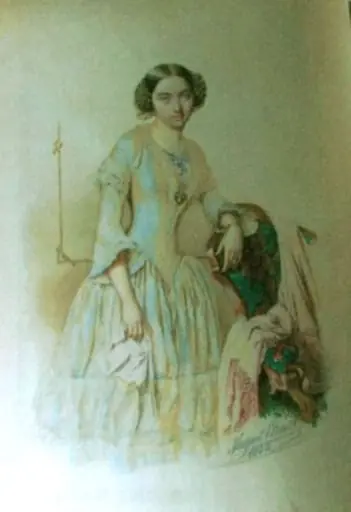 Portret de femeie
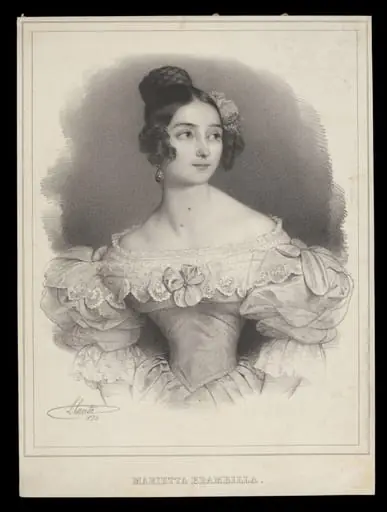 H Beard Print Collection
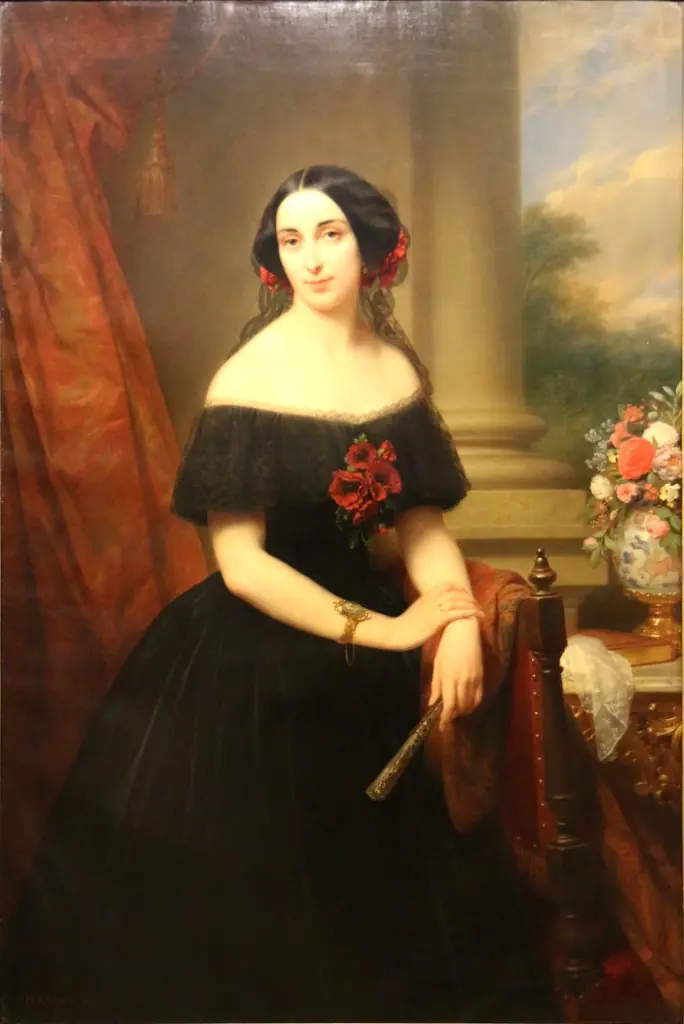 portrait of Louise van Campenhout (Louise-Caroline-Françoise van Campenhout)
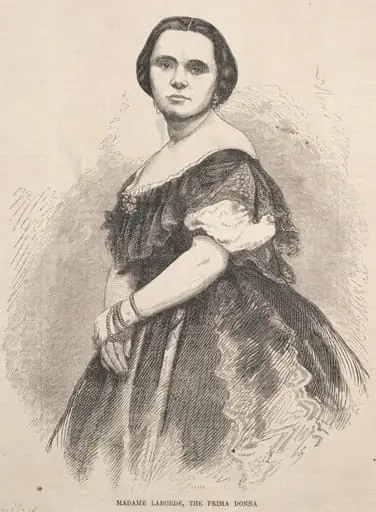 Madame Laborde, the Prima Donna
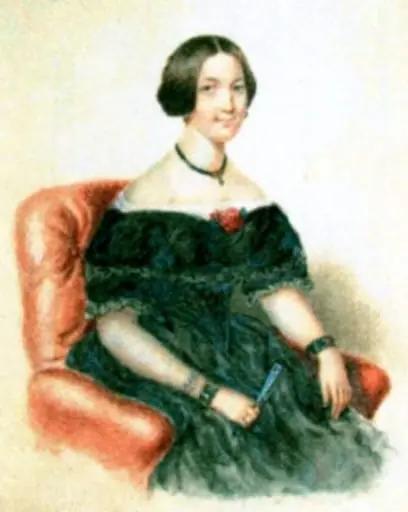 Portret de femeie
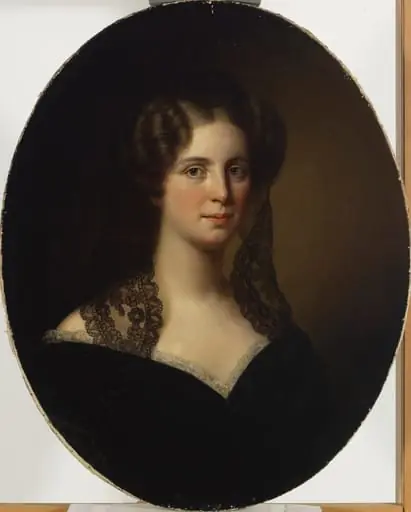 Maria Helena Rosina von Haartman
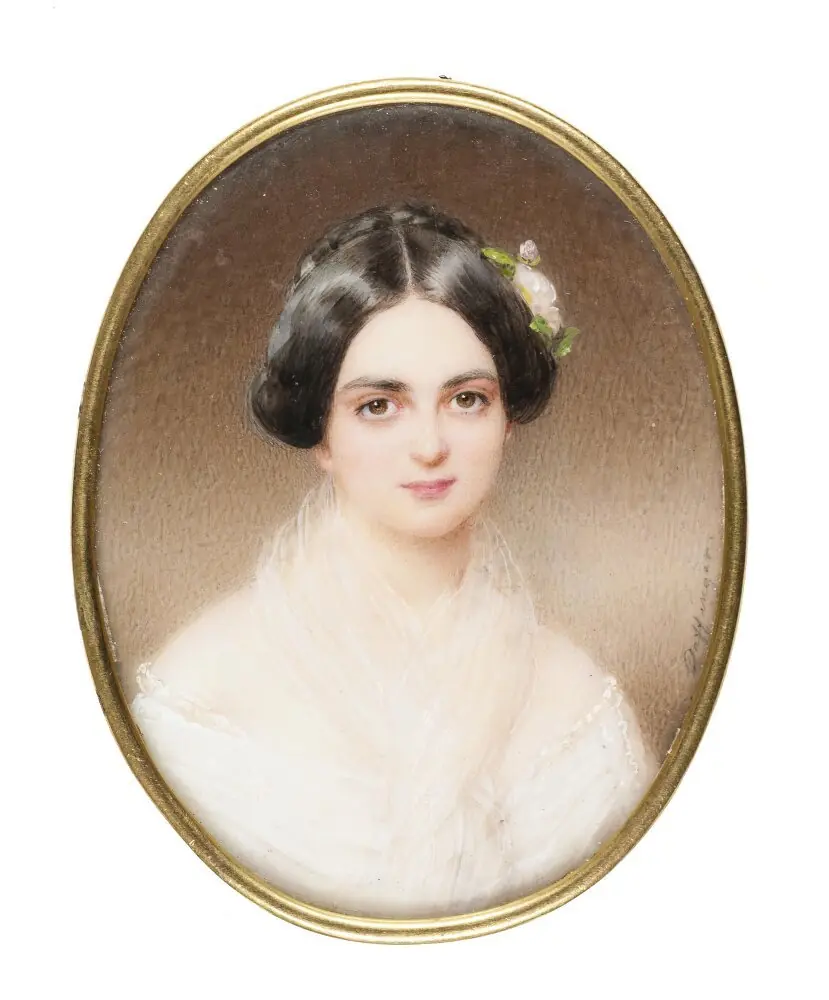 Unknown woman
 Amparo Romero
 Untitled
 Portret de femeie în alb
 Wife Charlotta in Russian dress
 Safta Castrișoaia