Artwork
Tanuki in the Snow with First Bamboo Shoots of Spring
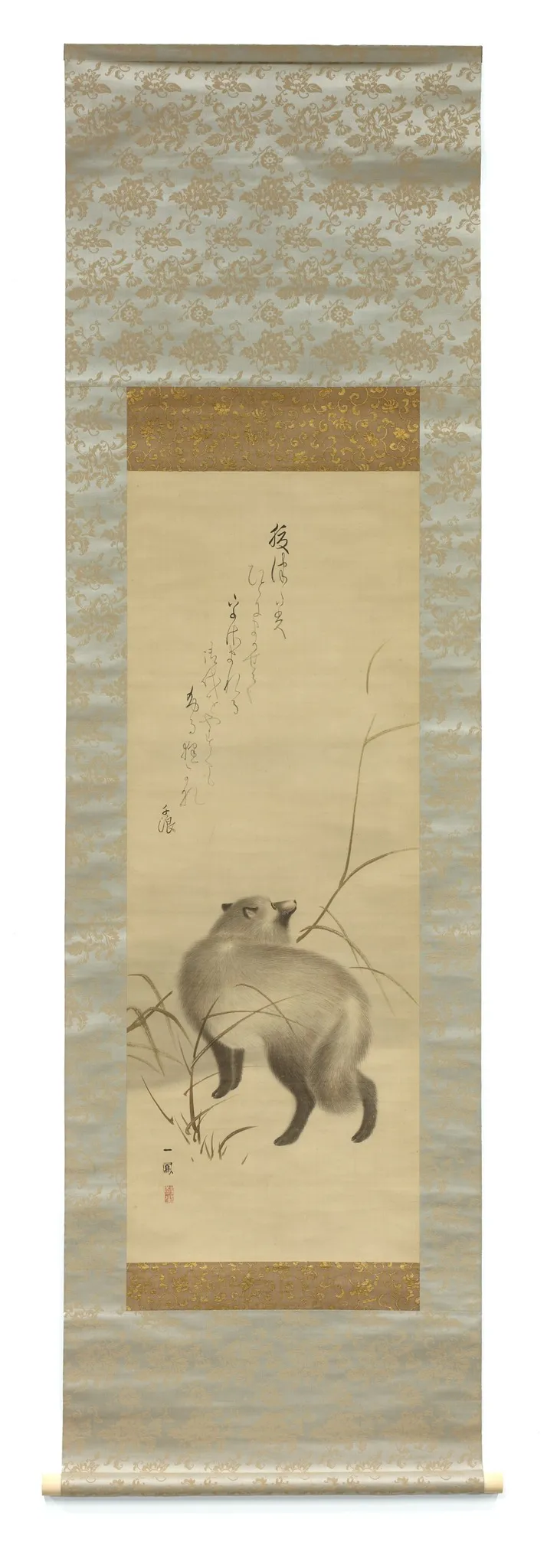
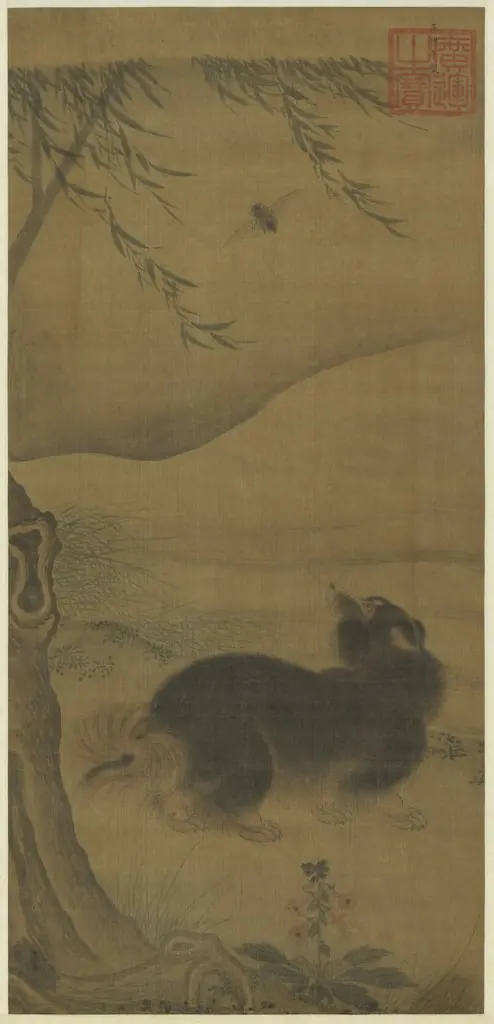
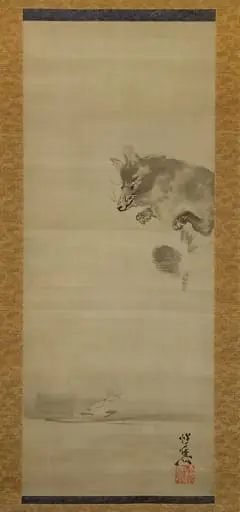
Tanuki in the Snow with First Bamboo Shoots of Spring is an unspecified painting by Mori Ippō. It is held in the collection of the Museum of Fine Arts, Houston. This ink-and-wash painting depicts a tanuki, or Japanese raccoon dog, standing motionless in a snowy landscape.
About this work
Overview
A faint green tint in the shoots introduces a delicate contrast against the muted tones of snow and earth, reinforcing a sense of seasonal transition.
This ink-and-wash painting depicts a tanuki, or Japanese raccoon dog, standing motionless in a snowy landscape. Above it, the first tender shoots of bamboo emerge from the frozen ground. Rendered in subtle monochrome with minimal detail, the composition conveys stillness and quiet observation. A faint green tint in the shoots introduces a delicate contrast against the muted tones of snow and earth, reinforcing a sense of seasonal transition.
Subject & Meaning
The tanuki, often associated with folklore and transformation in Japanese culture, is shown here in a moment of quiet anticipation. Its gaze upward toward the emerging bamboo shoots suggests awareness of renewal amid winter’s stillness. The scene evokes the Japanese aesthetic of mono no aware—the gentle sadness of impermanence—while the bamboo symbolizes resilience and the quiet return of life after dormancy.
Technique & Style
The artist employs soft, economical brushwork in ink and light washes, favoring restraint over detail. The tanuki’s form is suggested with minimal strokes, while the snow is implied through the untouched paper rather than painted. A single hue of pale green, applied with precision, highlights the bamboo shoots. The overall effect is one of understated elegance, rooted in the literati tradition of expressive simplicity.
History & Provenance
The painting is attributed to Mori Ippō, a late Edo-period artist known for his intimate nature studies. Though little is documented about its early ownership, it likely originated in a private collection of scholars or tea practitioners who valued contemplative art. Its survival suggests it was preserved for its quiet beauty rather than as a public display piece.
Context
Created during a time when Japanese artists increasingly turned to nature as a subject for introspection, this work reflects the influence of Chinese literati painting and the Japanese tea ceremony’s emphasis on simplicity. The focus on seasonal change aligns with broader cultural practices of observing nature’s cycles, particularly in the transition from winter to spring.
Legacy
Mori Ippō’s restrained style influenced later artists who sought to capture transient natural moments without embellishment. This painting, though not widely exhibited, remains a quiet example of how Edo-period painters used minimal means to evoke deep emotional and seasonal resonance, contributing to the enduring appeal of nature-focused ink painting in Japan.
Artist & collection
Artist
Mori Ippō painted animals and quiet nature scenes in Japan during the 1800s. In “Tanuki in the Snow with First Bamboo Shoots of Spring,” soft snow meets fresh green shoots under a pale sky—simple, gentle, and full of…