Artwork
Enrag'd Monster
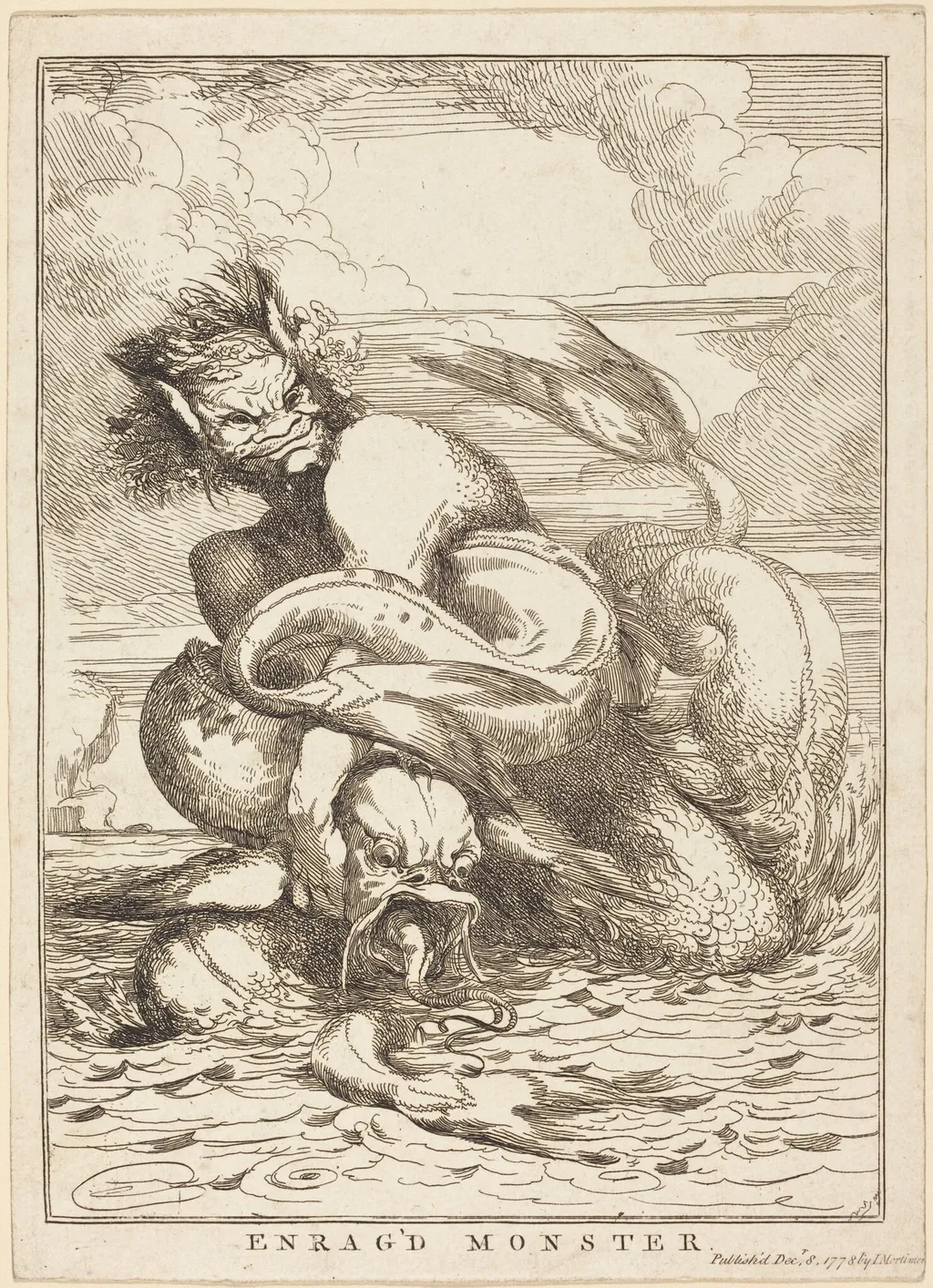
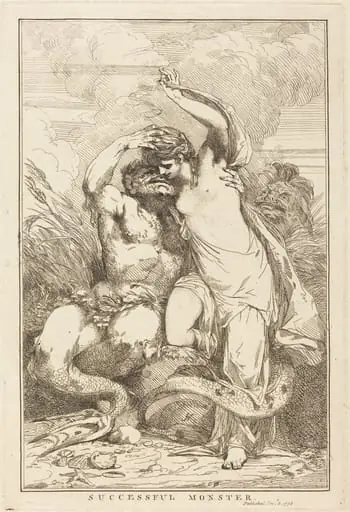
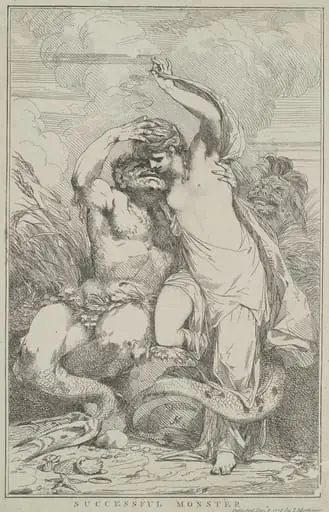
Enrag'd Monster is an ink print by the Romanticist artist John Hamilton Mortimer. It dates from 1778 and is held in the collection of the National Gallery of Art.
About this work
Overview
The work stands apart from his more conventional Italianate landscapes, reflecting a shift toward visceral, emotionally charged imagery during the late 1770s.
Created in 1778 by British artist John Hamilton Mortimer, *Enrag'd Monster* is an etching that captures a violent encounter between two men and a colossal octopus. Mortimer, known for his theatrical compositions and interest in the sublime, used the medium to explore themes of nature’s overwhelming power. The work stands apart from his more conventional Italianate landscapes, reflecting a shift toward visceral, emotionally charged imagery during the late 1770s.
Subject & Meaning
The print depicts two figures entangled by the tentacles of a monstrous octopus emerging from turbulent seas. One man covers his head in despair; the other stares upward in terror as the creature’s beak looms above them. The title suggests the octopus is not merely a beast but an enraged force, possibly symbolizing uncontrollable natural or psychological threats. The scene evokes vulnerability before elemental chaos, aligning with contemporary fascination with the sublime and the perilous unknown.
Technique & Style
Mortimer employed etching to achieve sharp, agitated lines that convey motion and tension. The inked contours of the octopus’s limbs and the stormy sky are rendered with dense, swirling strokes, enhancing the sense of chaos. Contrasts between dark, heavy shadows and stark, exposed plate areas create dramatic lighting, typical of Romantic-era prints. The technique allows for fine detail in the figures’ expressions while maintaining a raw, urgent energy in the composition.
History & Provenance
Mortimer produced this work during a period of intense creative activity before his early death at 39. Though little is documented about the print’s immediate reception, it was likely circulated among artistic circles in London. As president of the Society of Artists in 1774, Mortimer was embedded in the British art scene, and this etching may have been part of a broader exploration of dramatic, non-classical subjects that challenged prevailing aesthetic norms.
Context
In the 1770s, British artists increasingly turned to themes of nature’s fury and human fragility, influenced by Enlightenment inquiries into the sublime and the rise of maritime exploration. Mortimer’s octopus scene echoes contemporary fears of the unknown ocean depths and the vulnerability of man in the face of uncharted natural forces. The work aligns with a growing interest in visceral, emotionally charged imagery beyond idealized classical forms.
Legacy
Though not widely reproduced, *Enrag'd Monster* remains a distinctive example of Mortimer’s engagement with the grotesque and the sublime. It reflects a lesser-known strand of 18th-century British printmaking that prioritized emotional intensity over decorum. The print contributes to the broader narrative of artists using print media to explore psychological and natural terror, foreshadowing later Romantic preoccupations with chaos and the uncanny.
Artist & collection
Artist
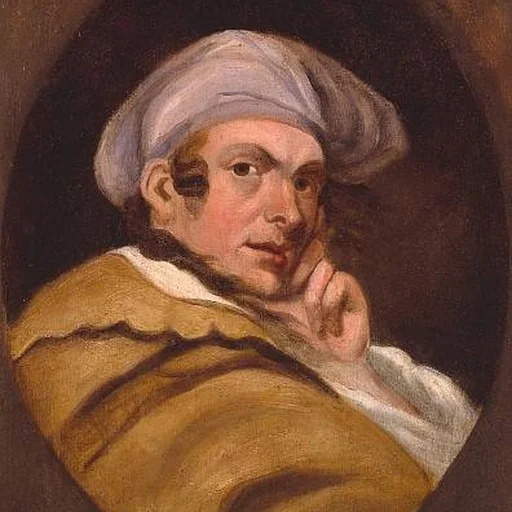
John Hamilton Mortimer (17 September 1740 – 4 February 1779) was a British figure and landscape painter and printmaker, known for romantic paintings set in Italy, works depicting conversations, and works drawn in the…

![Mucius Scaevola [recto], by John Hamilton Mortimer](https://artifactworldgallery.com/img/john-hamilton-mortimer--mucius-scaevola-recto--0de678fa443f7962-w320.webp)