Artwork
H Beard Print Collection
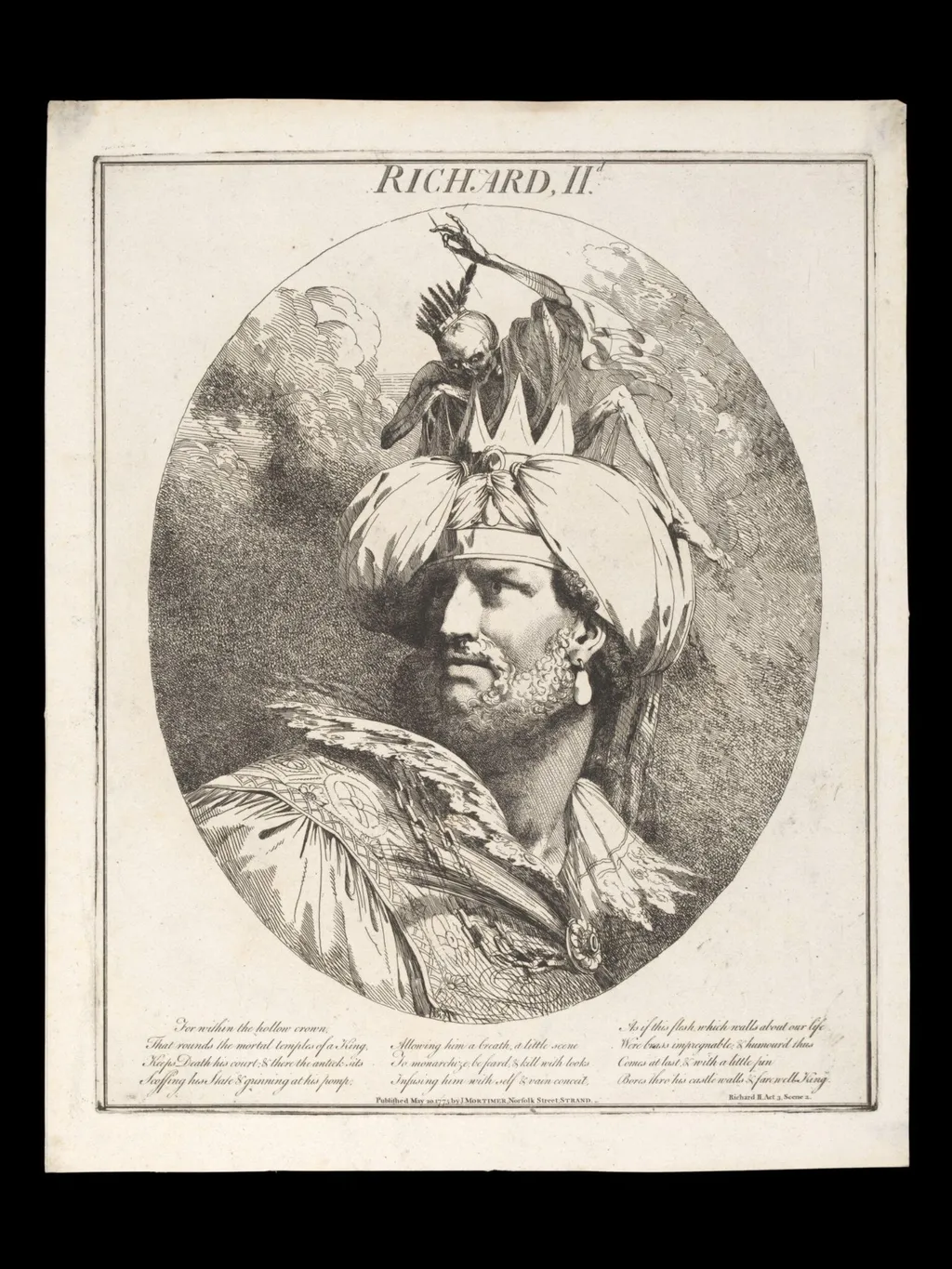
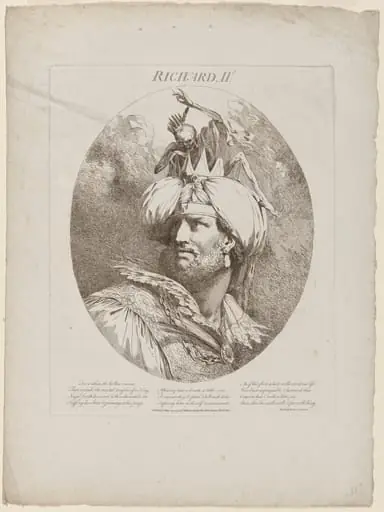
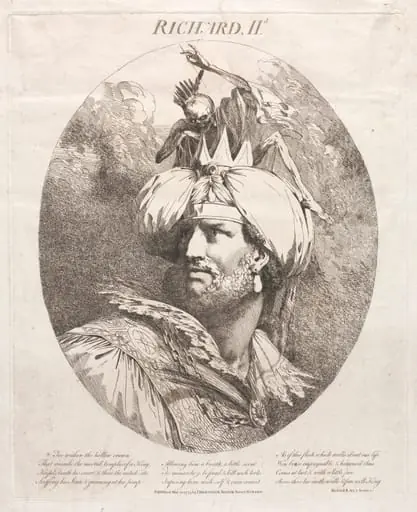
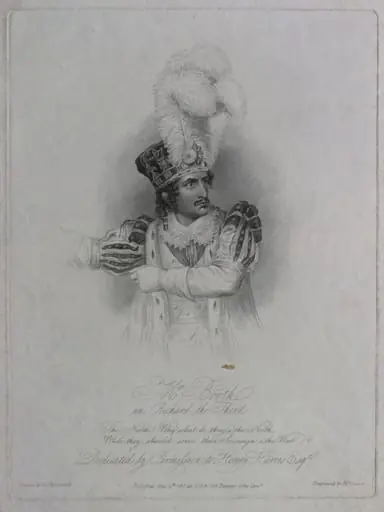
H Beard Print Collection is a print by the Romanticist artist John Hamilton Mortimer. It dates from 20 and is held in the collection of the Victoria and Albert Museum. This print, published on 20 May 1775 by J.
About this work
Overview
It captures the deposed king in a moment of emotional vulnerability, rendered through linear engraving typical of late 18th-century theatrical illustrations.
This print, published on 20 May 1775 by J. Mortimer, illustrates a moment from Act III, Scene 2 of Shakespeare’s Richard II. It captures the deposed king in a moment of emotional vulnerability, rendered through linear engraving typical of late 18th-century theatrical illustrations. The composition focuses on the figure of Richard, isolated and introspective, reflecting the play’s themes of loss and authority.
Subject & Meaning
The scene depicts King Richard II after his abdication, confronting the collapse of his power. Alone in his chamber, he reflects on his fallen kingship, a moment of profound psychological depth in Shakespeare’s text. The print translates this internal turmoil into visual form, emphasizing solitude and resignation rather than action, aligning with the scene’s introspective tone.
Technique & Style
Executed in line engraving, the print employs controlled, minimal strokes to define form and mood. Shadows are suggested through hatching rather than deep tonal contrast, avoiding the dramatic chiaroscuro of painting. The restrained technique prioritizes clarity and narrative legibility, suited to mass reproduction and theatrical audiences seeking recognizable scenes from popular plays.
History & Provenance
Produced by publisher J. Mortimer, known for theatrical prints, this image was part of a series illustrating Shakespearean dramas for public consumption. It circulated widely in the decades after its publication, serving as a visual reference for audiences unfamiliar with live performances. Its survival in the H. Beard Print Collection reflects its role in documenting 18th-century popular culture.
Context
In the 1770s, illustrated Shakespeare prints were popular commodities, bridging elite literature and public taste. Theatrical imagery was often tied to stage productions, and this print likely responded to contemporary performances of Richard II. Such prints helped standardize visual interpretations of characters, reinforcing cultural memory of Shakespeare’s figures beyond the stage.
Legacy
Though not artistically innovative, the print contributed to the visual canon of Shakespearean drama in the public sphere. It represents a moment when printed media shaped how audiences imagined literary characters, laying groundwork for later illustrated editions. Its preservation offers insight into how theater was consumed and remembered in the pre-photographic era.
Artist & collection
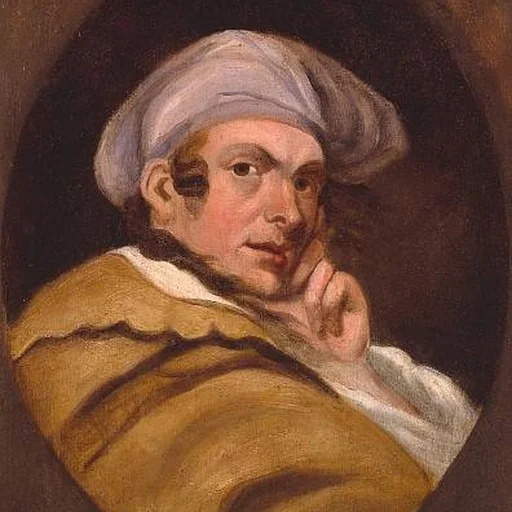
Artist
John Hamilton Mortimer (17 September 1740 – 4 February 1779) was a British figure and landscape painter and printmaker, known for romantic paintings set in Italy, works depicting conversations, and works drawn in the…

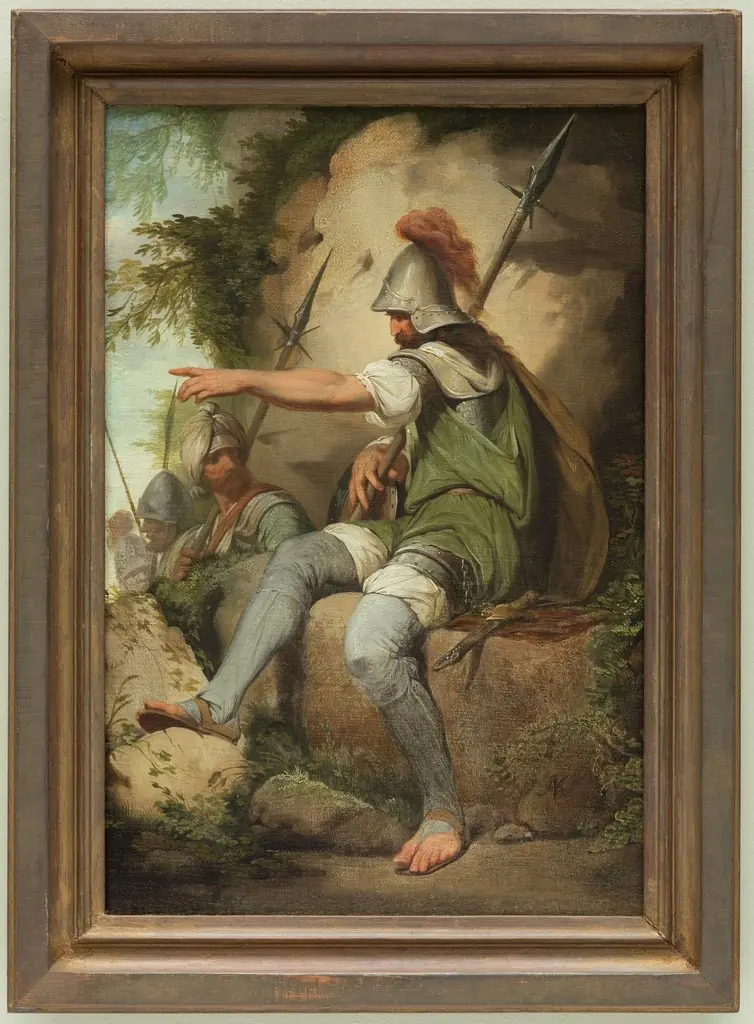
![Mucius Scaevola [recto], by John Hamilton Mortimer](https://artifactworldgallery.com/img/john-hamilton-mortimer--mucius-scaevola-recto--0de678fa443f7962-w320.webp)
 Richard II
 Richard II
 Banditti: Three Heads
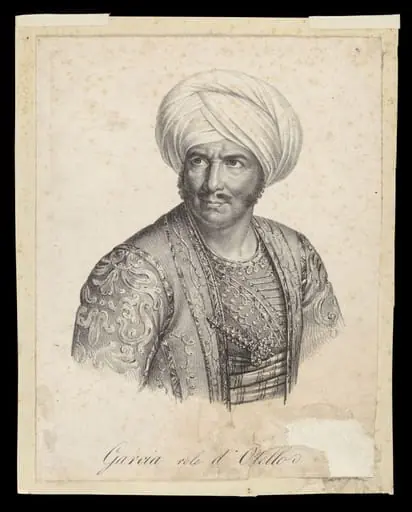 H Beard Print Collection
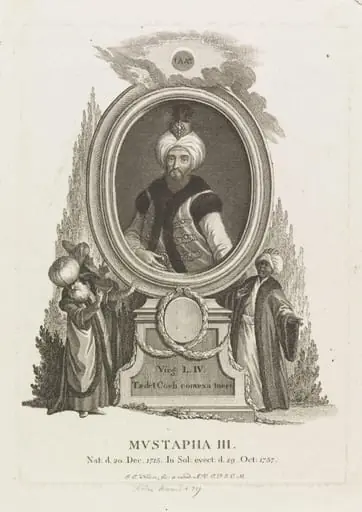 Turkish sultans, sultanas and other historical figures
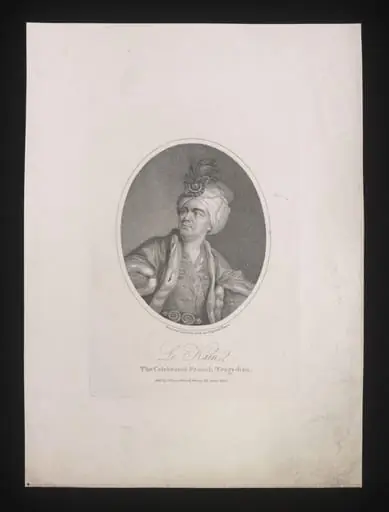 Le Kain/the celebrated French Tragedian
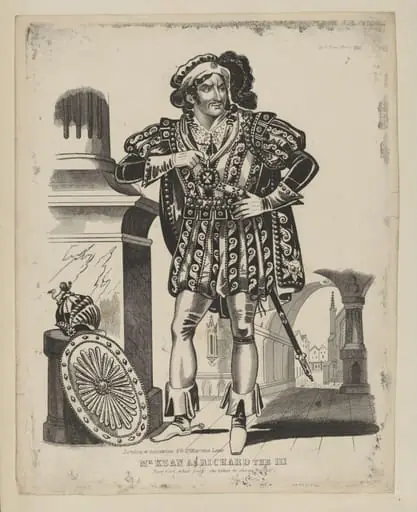 H Beard Print Collection
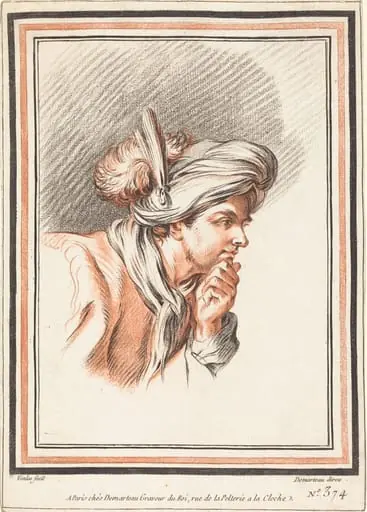 Head of a Man Wearing a Plumed Turban
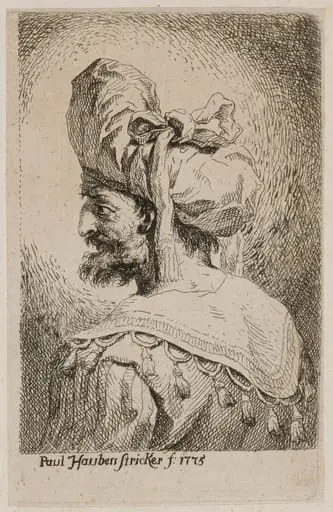 Oriental with a Soft Hat in Profile, Looking Left
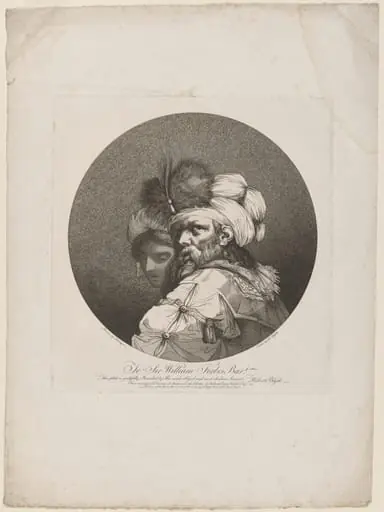 Bearded Man with Turban and Young Woman
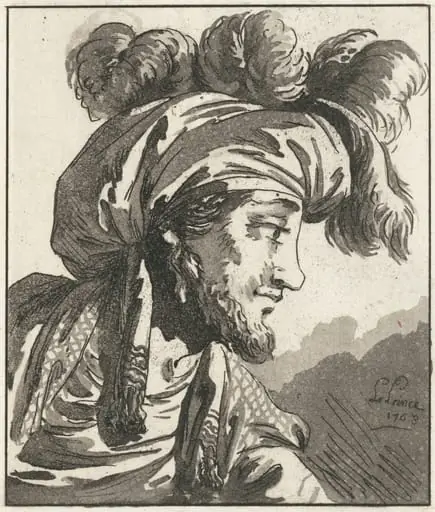 Head of a Turbaned Man without a Moustache
 H Beard Print Collection