Artwork
Old Woman
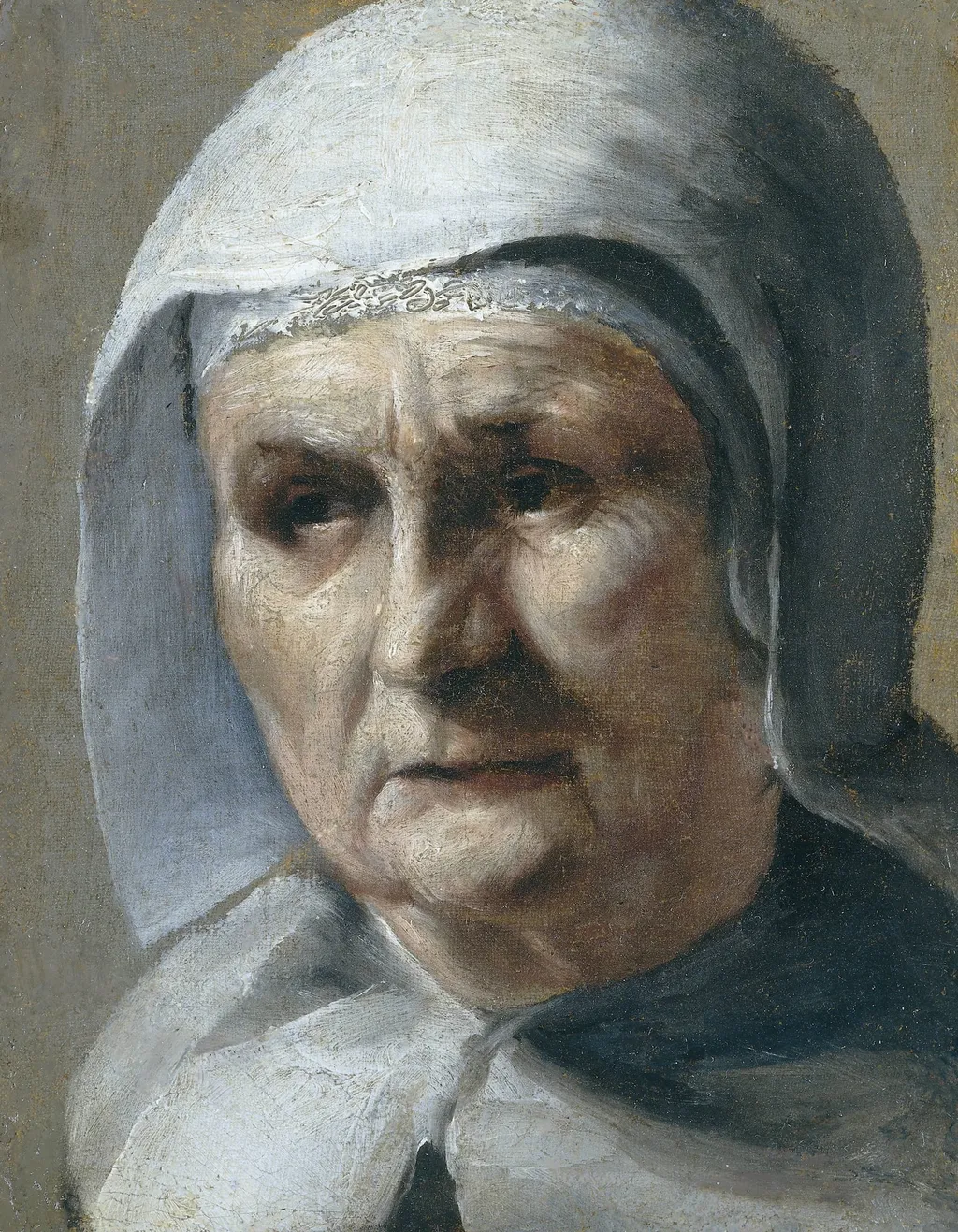
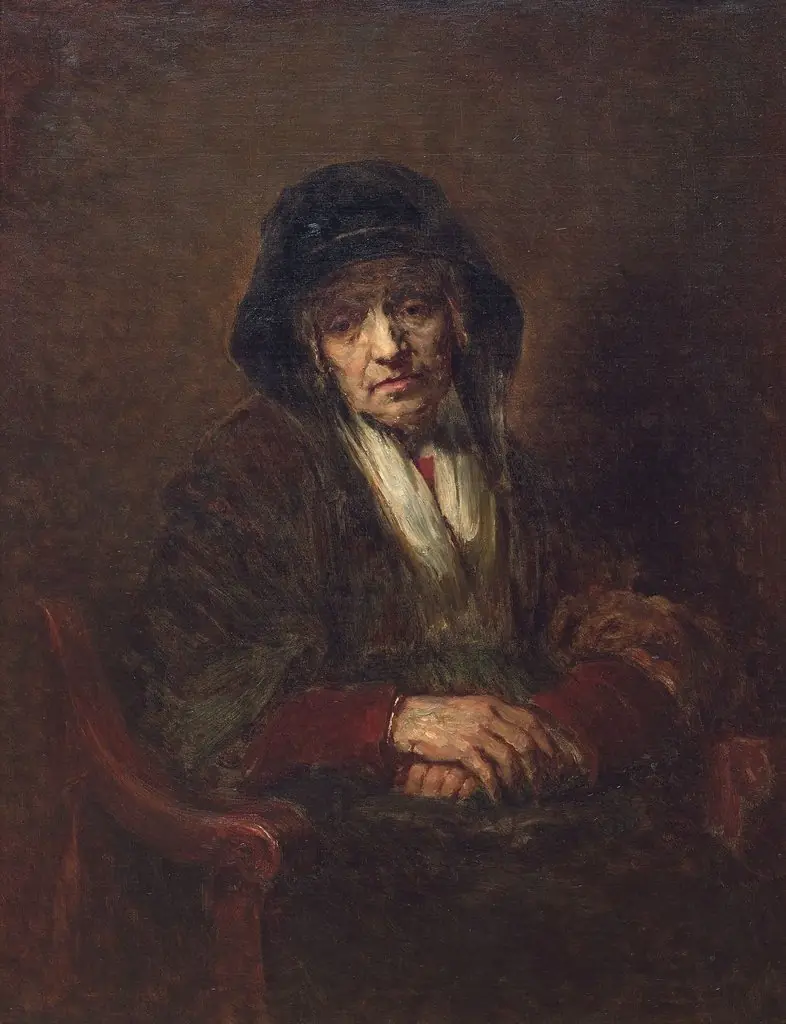
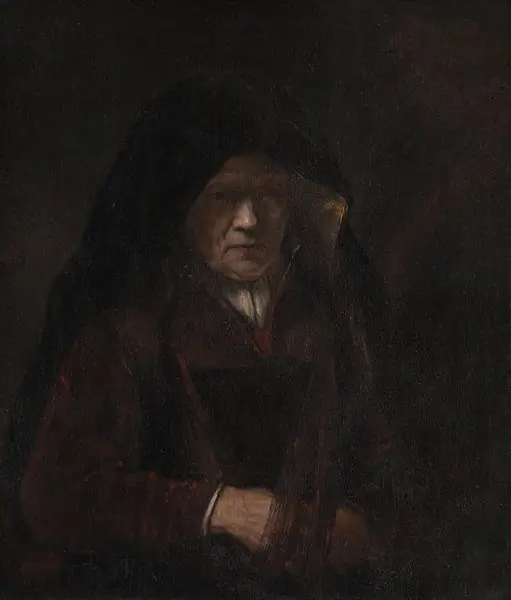
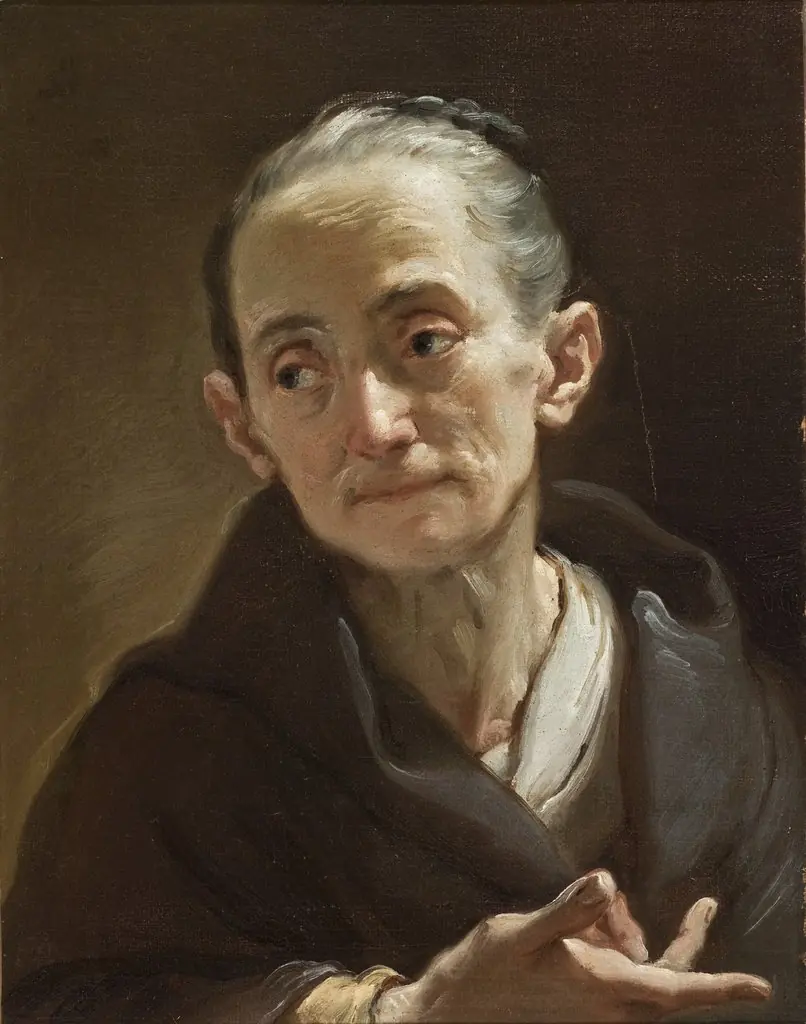
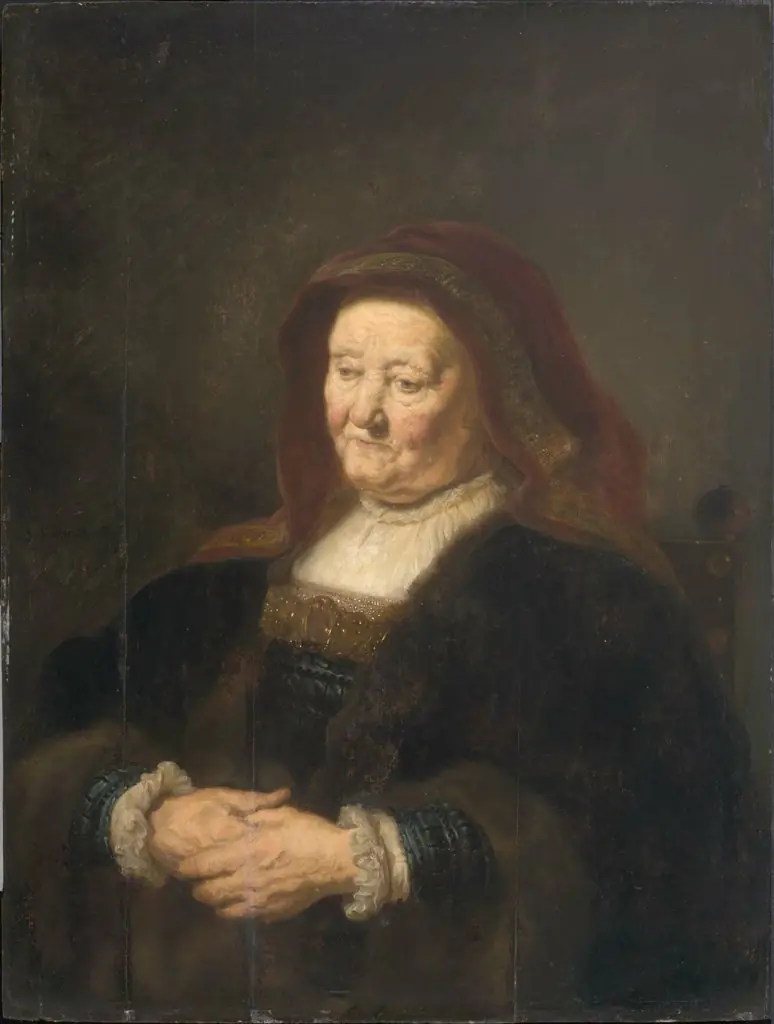
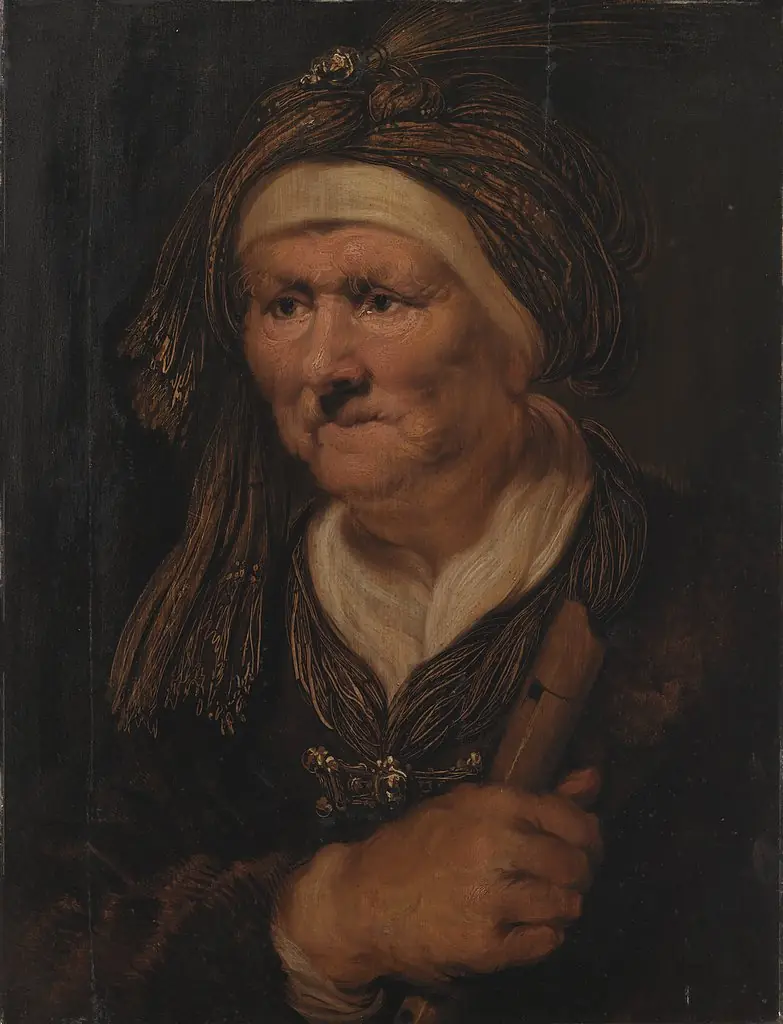
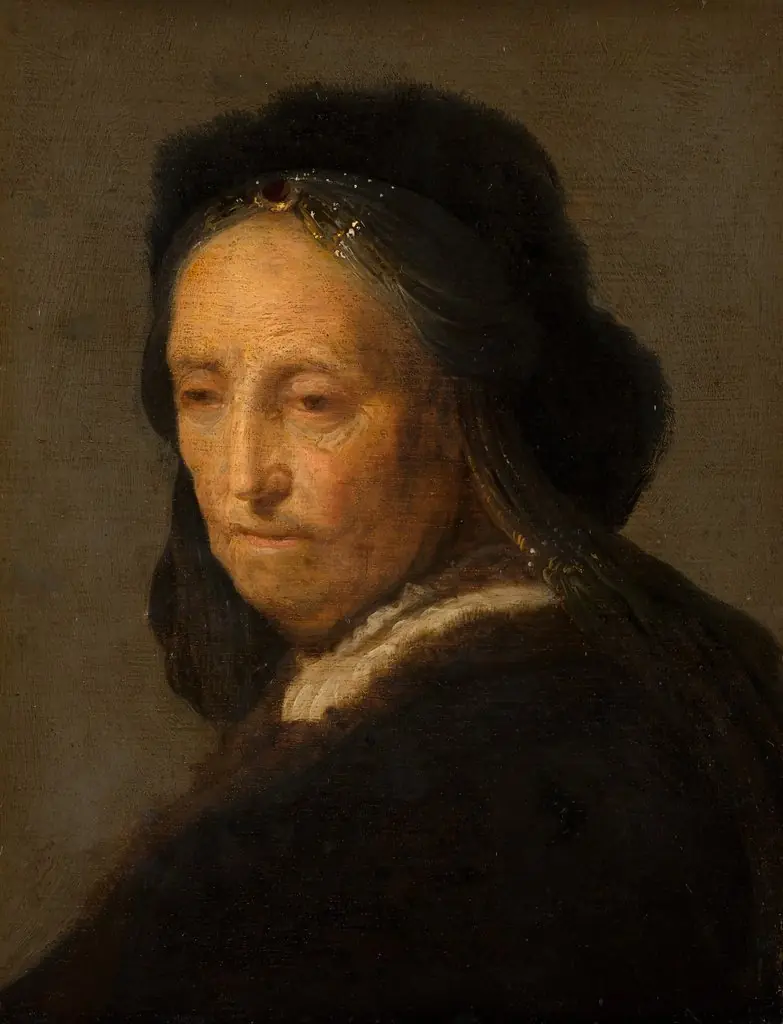
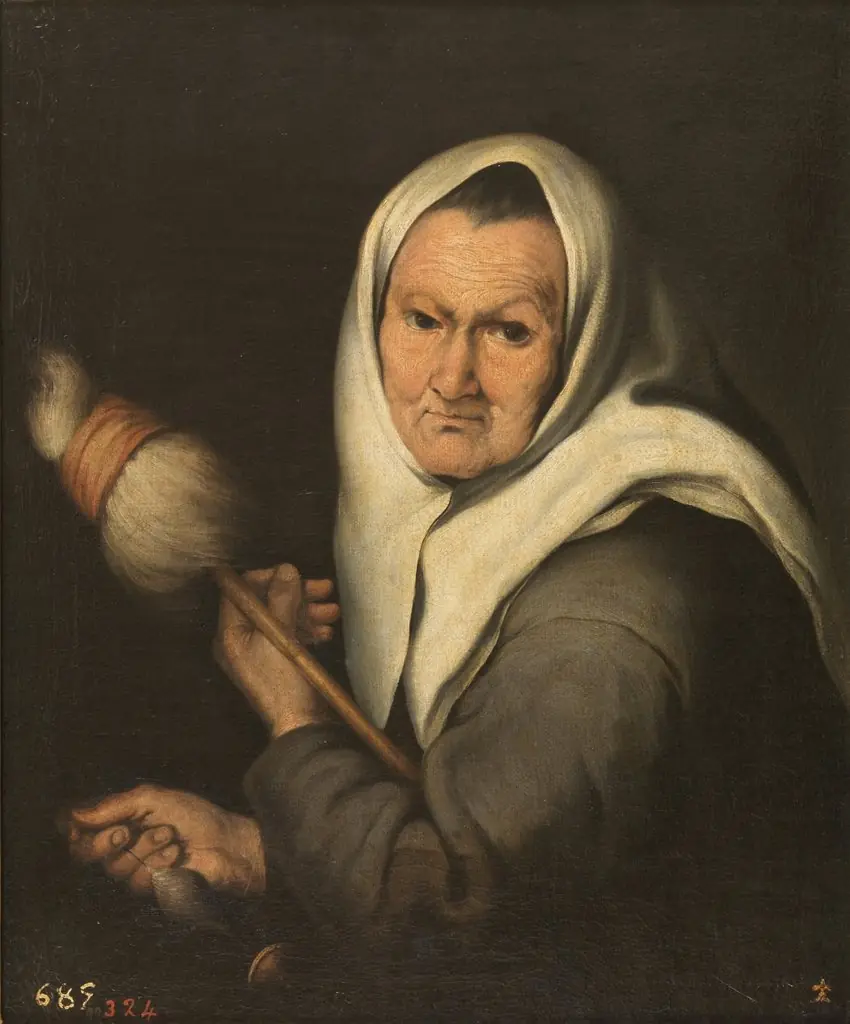
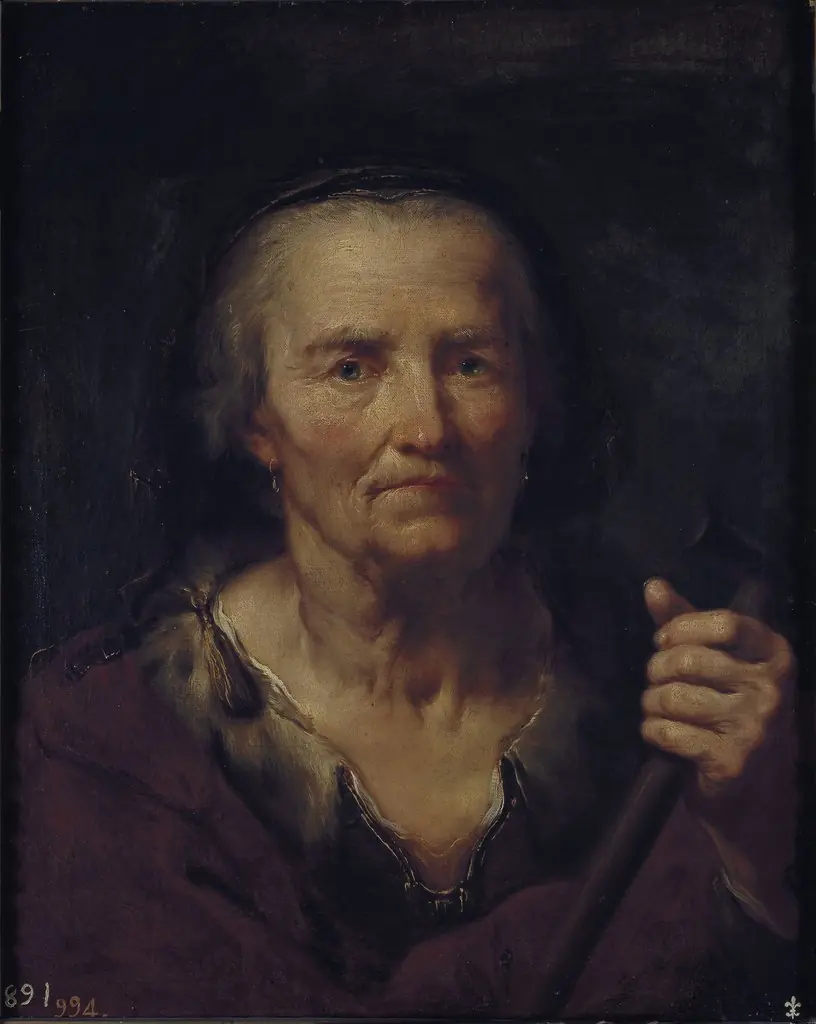
Old Woman is an unspecified painting by the Dutch Golden Age artist Moses ter Borch. It dates from 1661 and is held in the collection of the Rijksmuseum.
About this work
Overview
Moses ter Borch's 'Old Woman,' painted in 1661, is a character study that exemplifies the Dutch Golden Age's commitment to unidealized realism.
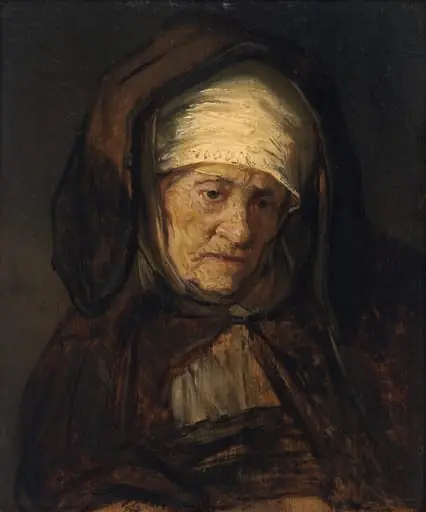
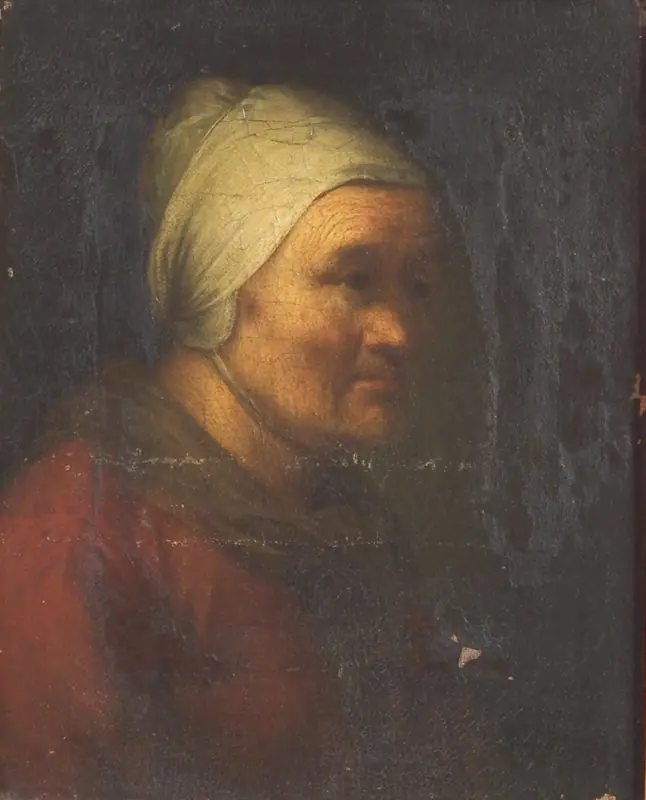
Moses ter Borch's 'Old Woman,' painted in 1661, is a character study that exemplifies the Dutch Golden Age's commitment to unidealized realism. The composition centers on a single elderly figure, depicted from the chest up against a dark, neutral background that isolates her form. She wears a simple white cap that frames a face defined by deep wrinkles, sagging skin, and a direct, unflinching gaze. Ter Borch renders the textures of aging with meticulous attention, capturing the translucency of thin skin and the weary expression without resorting to caricature or sentimentalization. Executed during the artist's brief career, which ended with his death in 1667, this work reflects the influence of his father, Gerard ter Borch, and the broader Dutch tradition of genre painting that elevated everyday subjects to the status of high art. Unlike formal portraits of the era that often sought to flatter the sitter, this piece prioritizes psychological presence and physical truth. It stands as a significant example of 17th-century Dutch portraiture, demonstrating how artists of the period found dignity and narrative depth in the depiction of ordinary, aging individuals.
Subject & Meaning
The sitter’s aged features—sagging skin, tired eyes, and pronounced wrinkles—are rendered without idealisation, suggesting an intention to capture the individual’s lived reality rather than an allegorical or flattering image. The painting conveys a quiet dignity rooted in the honest portrayal of ordinary humanity.
Technique & Style
Executed with a restrained palette, the artist employs clear, unsoftened brushwork that emphasizes texture on the skin and the crispness of the white cap. The lack of chiaroscuro modelling and the straightforward composition focus attention on the sitter’s facial expression, reinforcing the work’s candid tone.
Context
During the period when portraiture often softened age or employed symbolic attributes, this straightforward depiction was uncommon. The painting aligns with a modest strand of Dutch genre portraiture that favoured realistic observation over idealised representation, reflecting a shift toward documenting everyday individuals.
Own this work as a print
Artist & collection
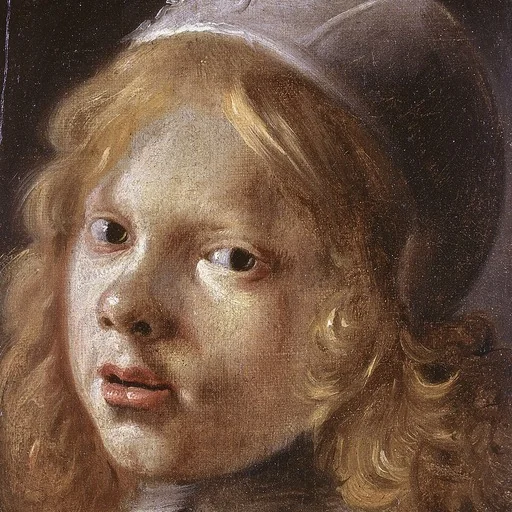
Artist
Moses ter Borch or Mozes ter Borch (1645–1667) was a Dutch painter, draughtsman and enlisted sailor in the Dutch navy.