Artwork
Untitled
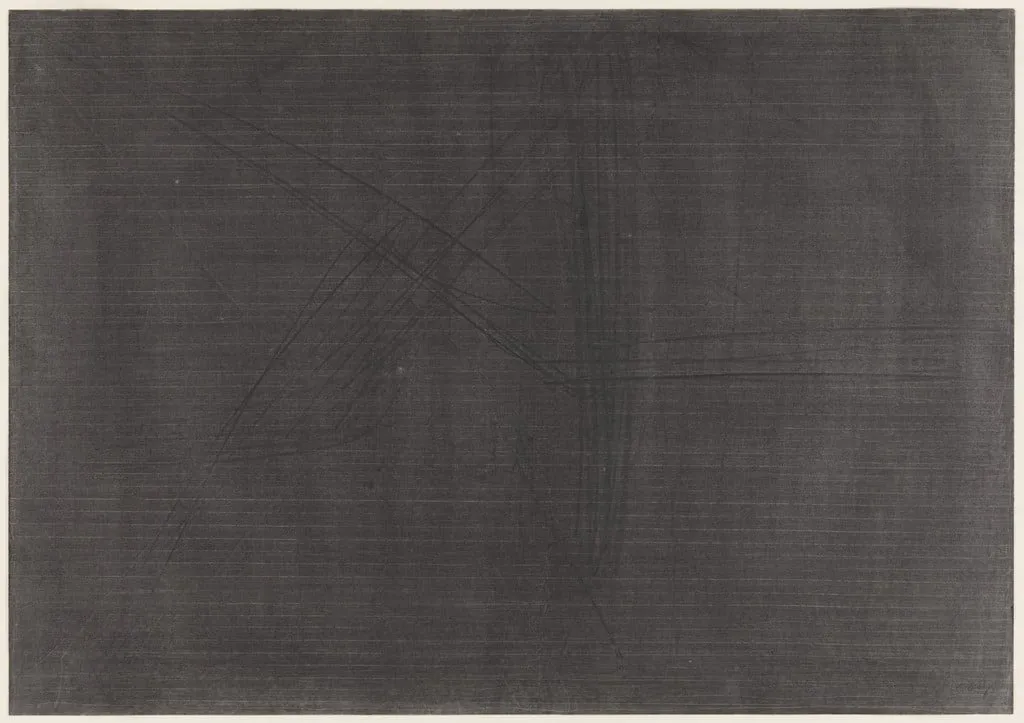
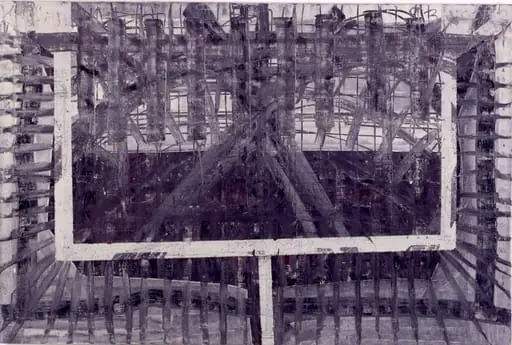
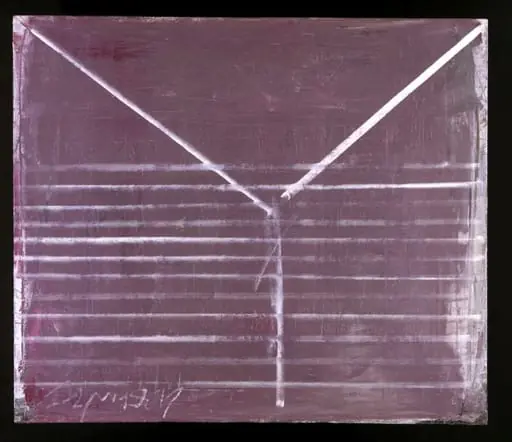
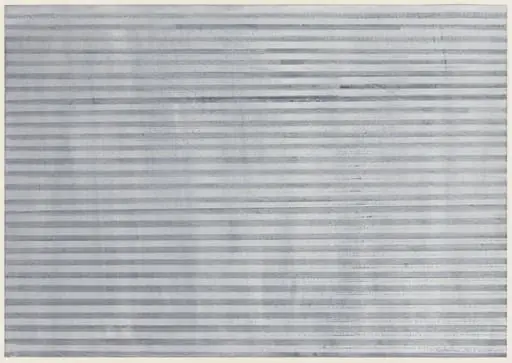
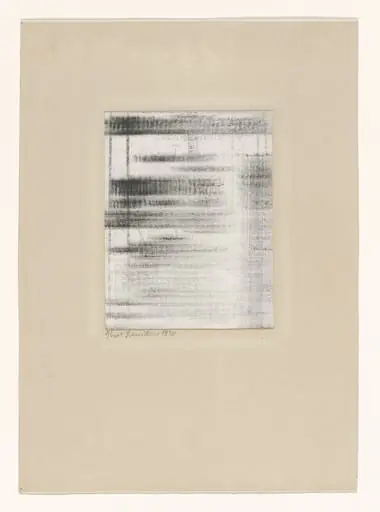
Untitled is a charcoal drawing by Moshe Kupferman. It dates from 1977 and is held in the collection of the Museum of Modern Art.
About this work
Overview
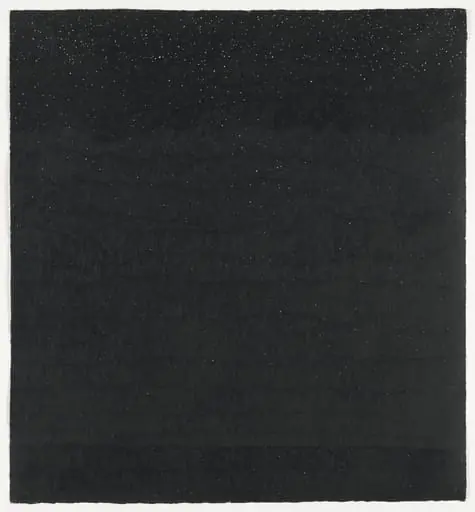
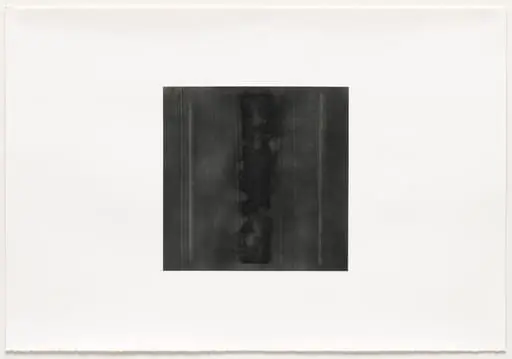
The composition is entirely abstract, relying solely on the interplay of dark, layered strokes without figurative elements or color.
Created in 1977, this drawing by Moshe Kupferman is executed in charcoal and graphite on paper. It resides in the collection of The Museum of Modern Art. The composition is entirely abstract, relying solely on the interplay of dark, layered strokes without figurative elements or color. The surface is densely marked, with no clear focal point, inviting sustained attention to the physicality of the hand-made line.
Subject & Meaning
The work resists narrative or symbolic interpretation. Its subject is the act of mark-making itself—accumulated gestures that suggest memory, labor, or emotional residue. The absence of recognizable forms shifts focus to the rhythm and pressure of the artist’s hand, evoking a sense of quiet persistence rather than explicit meaning.
Technique & Style
Kupferman built the image through repeated, non-uniform strokes of charcoal and faint pencil lines. The lines overlap erratically, creating areas of varying density and subtle tonal shifts. The hand-drawn quality—wobbly, uneven, and layered—emphasizes process over precision. Cross-hatching is present but not systematic; it functions as texture rather than modeling.
History & Provenance
The drawing entered The Museum of Modern Art’s collection following its creation in 1977. It is one of many works by Kupferman from this period, made during his time in Israel, where he developed a minimalist, process-oriented approach. No prior ownership or exhibition history beyond institutional acquisition is documented.
Context
This piece aligns with post-war European abstraction, particularly tendencies that valued materiality and gesture over representation. Kupferman, a Holocaust survivor, often infused his work with restrained emotional weight. His drawings from the 1970s reflect a broader interest among artists in reducing form to elemental marks, responding to trauma through silence and repetition.
Legacy
Kupferman’s drawings, including this one, influenced later generations of artists exploring abstraction through minimal means. His use of layered, non-representational marks contributed to a discourse on art as a record of time and presence. The work remains a quiet example of how restraint can carry profound psychological resonance.
Artist & collection