Artwork
元 佚名 墨龍圖 軸|Dragon
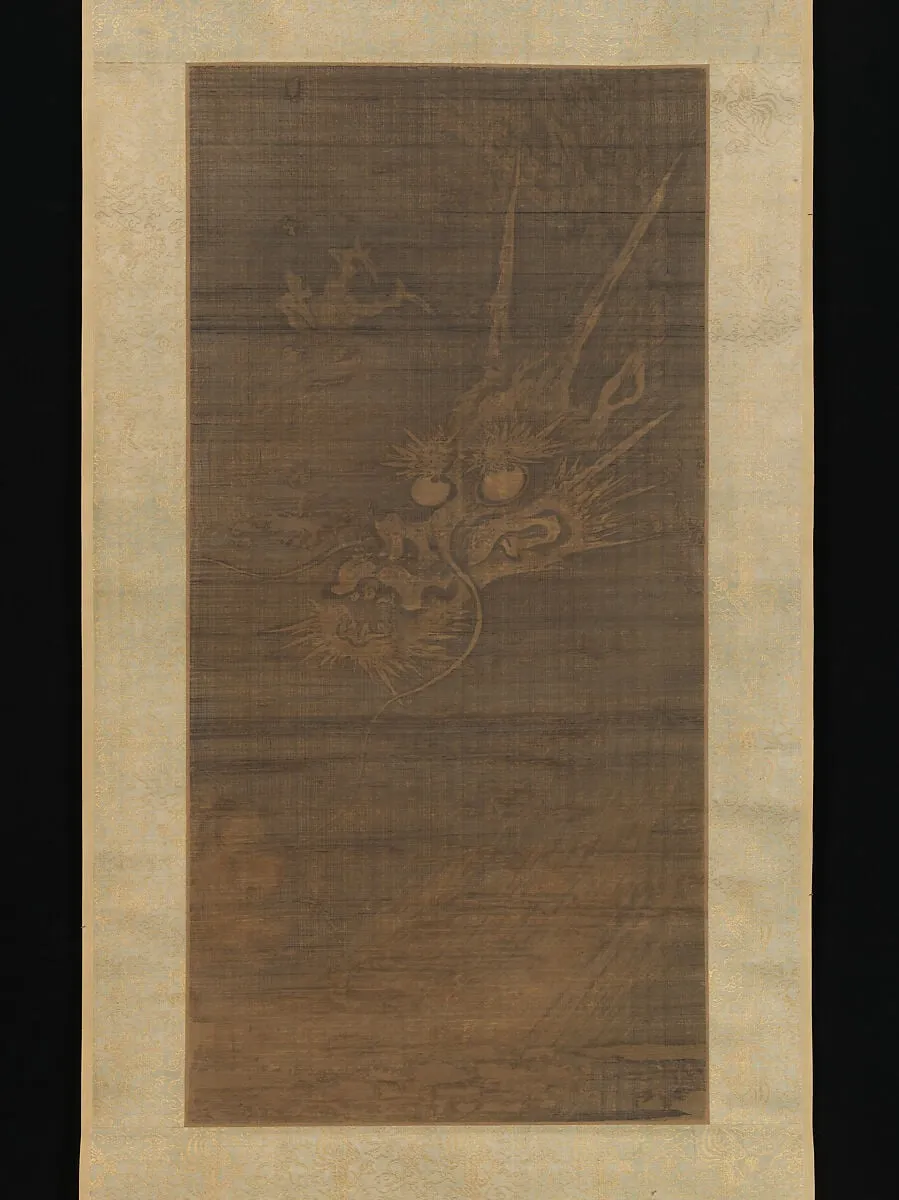
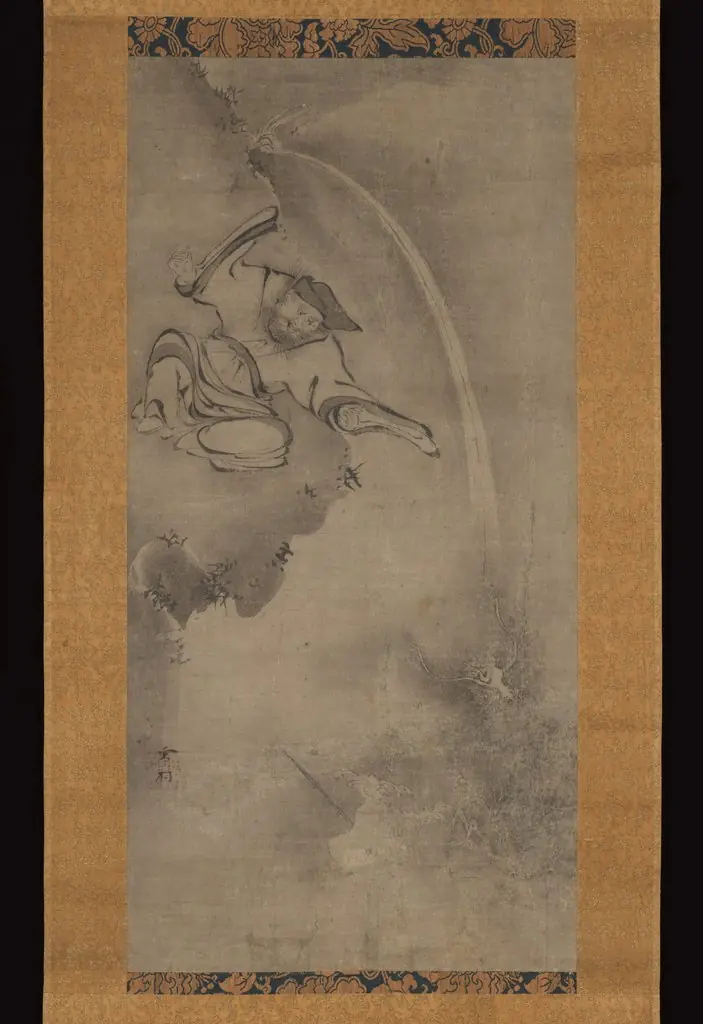
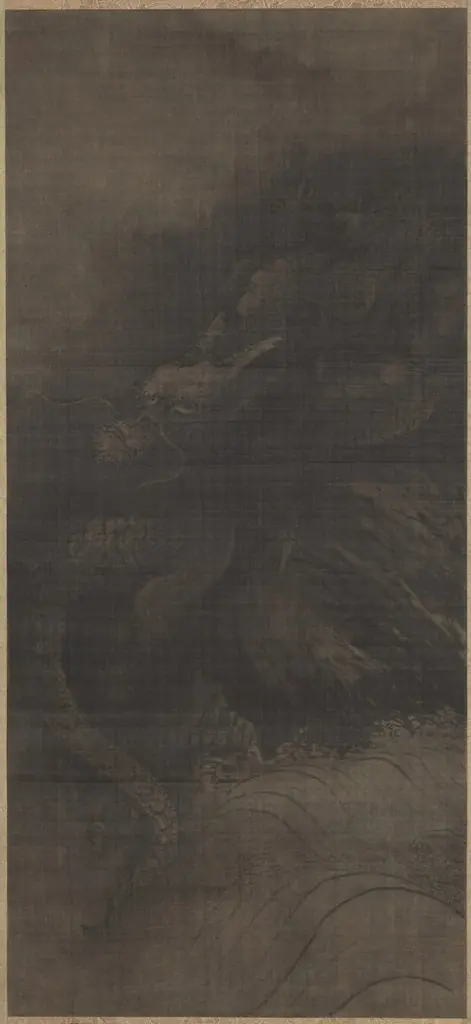
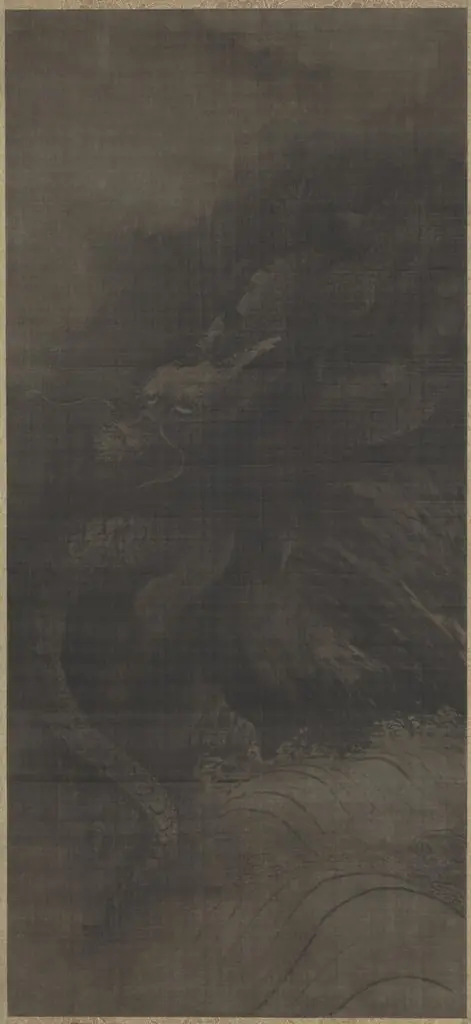
元 佚名 墨龍圖 軸|Dragon is an ink painting by the Ming dynasty painting artist Muqi|Unidentified. It dates from 1334 and is held in the collection of the Metropolitan Museum of Art. This hanging scroll, rendered in black ink on silk, presents a solitary dragon winding amid stylized clouds.
About this work
Overview
This hanging scroll, rendered in black ink on silk, presents a solitary dragon winding amid stylized clouds. The composition occupies the vertical format typical of Chinese scroll paintings, allowing the creature to ascend and recede within the limited space. The work dates to the mid‑fourteenth century, placing it within the Yuan dynasty’s artistic milieu.
Subject & Meaning
The central figure is a mythic dragon, a symbol of power and auspiciousness in Chinese culture. Its eyes are left unfilled, lacking pupils, which imparts an ambiguous presence—neither fully animate nor entirely abstract. This deliberate omission suggests a creature caught between the tangible world and the realm of legend, emphasizing its ethereal nature.
Technique & Style
Executed with ink washes and fine cross‑hatching, the artist builds the dragon’s scales, claws, and cloud forms through intersecting, delicate strokes. The ink fades toward the edges, creating a mist‑like dissolution that blurs the boundary between figure and background. The use of negative space and subtle tonal gradations reflects the literati aesthetic of the period.
History & Provenance
The scroll bears no signed attribution; its creator remains unknown, though some catalogues have linked it to the workshop of the monk‑painter Muqi. It entered the collection of a private Yuan‑era household before being acquired by a museum in the early twentieth century, where it has been conserved on silk backing.
Context
During the Yuan dynasty, Chinese painters often embraced monochrome ink to convey spiritual resonance, favoring brushwork over color. Dragons were a common motif, employed to convey imperial authority or cosmic order. This piece aligns with those conventions while also displaying a personal, introspective approach to the legendary beast.
Artist & collection