Artwork
View of Smyrna (Izmir)
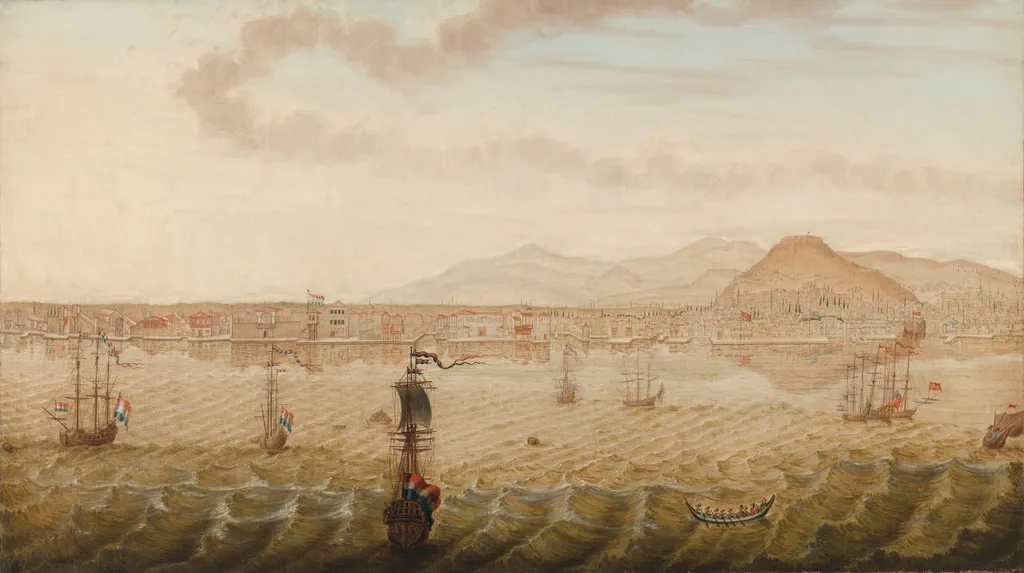
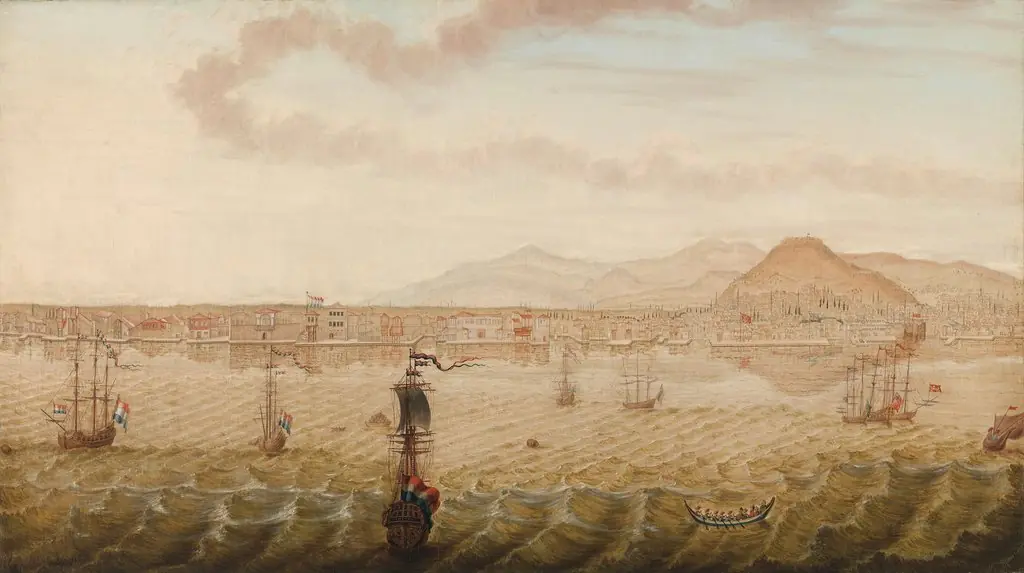
View of Smyrna (Izmir) is an unspecified painting by the Rococo painting artist N. Knop. It dates from 1779 and is held in the collection of the Rijksmuseum. The canvas presents a panoramic view of the Ottoman port city of Smyrna, now known as Izmir, as it appeared in the late eighteenth century.
About this work
The ship in front is named *De Hector*—a real Dutch vessel that likely carried goods between Europe and the Ottoman Empire.
You see a busy harbor: white buildings climb a hill, a ruined castle sits near the top, and Dutch ships fill the water.
This painting was made in 1779, when Smyrna (now Izmir) was a key trading port. The ship in front is named *De Hector*—a real Dutch vessel that likely carried goods between Europe and the Ottoman Empire. The artist probably stood on deck to sketch it.
To see more old harbor scenes like this, visit the Rijksmuseum.
Overview
The canvas presents a panoramic view of the Ottoman port city of Smyrna, now known as Izmir, as it appeared in the late eighteenth century. A bustling harbor fills the lower register, while the hillside behind is dotted with white façades and the silhouette of a ruined fortress. The composition balances natural landscape, architecture, and maritime activity.
Subject & Meaning
Central to the scene is a Dutch sailing vessel whose hull bears the name ‘De Hector,’ indicating the presence of European merchant traffic. The inclusion of this specific ship underscores Smyrna’s role as a vital conduit for trade between the Ottoman Empire and the Dutch Republic, reflecting the interconnected commercial networks of the period.
Technique & Style
Executed in 1779, the work employs a detailed, top‑down perspective that suggests the artist observed the harbor from an elevated deck. Fine brushwork renders the textures of stone, water, and rigging, while a restrained palette of earth tones and muted blues conveys both the heat of the Mediterranean climate and the clarity of the sea.
History & Provenance
Created during a time when Smyrna was a prominent hub for international commerce, the painting likely served as a visual record for merchants or patrons interested in the city’s infrastructure. The depiction of the Kadife‑kale ruins and Mount Pagos situates the work within a recognizable topography, aiding its identification in later collections.
Context
The late eighteenth century saw increased Dutch involvement in Eastern Mediterranean trade, and artworks such as this functioned as documentary evidence of shipping routes and port conditions. By portraying both the Ottoman urban landscape and the Dutch vessel, the painting bridges two cultural spheres engaged in mutual economic exchange.
Artist & collection
Artist
Here you’ll find two crisp views of Smyrna painted in 1779, the city’s rooftops and harbor captured in oil.

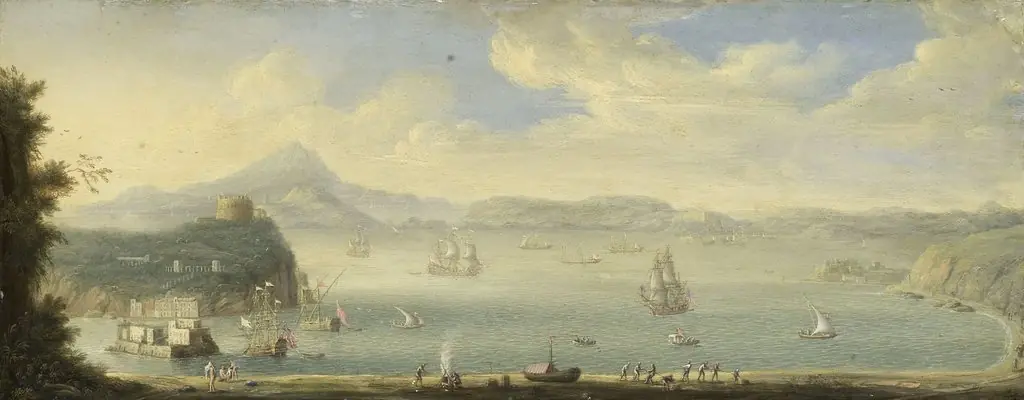 View of the Gulf of Naples
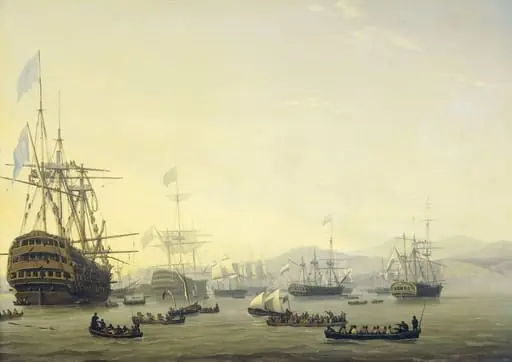 Council of War on board the 'Queen Charlotte', commanded by Lord Exmouth, prior to the Bombardment of Algiers, 26 August 1816
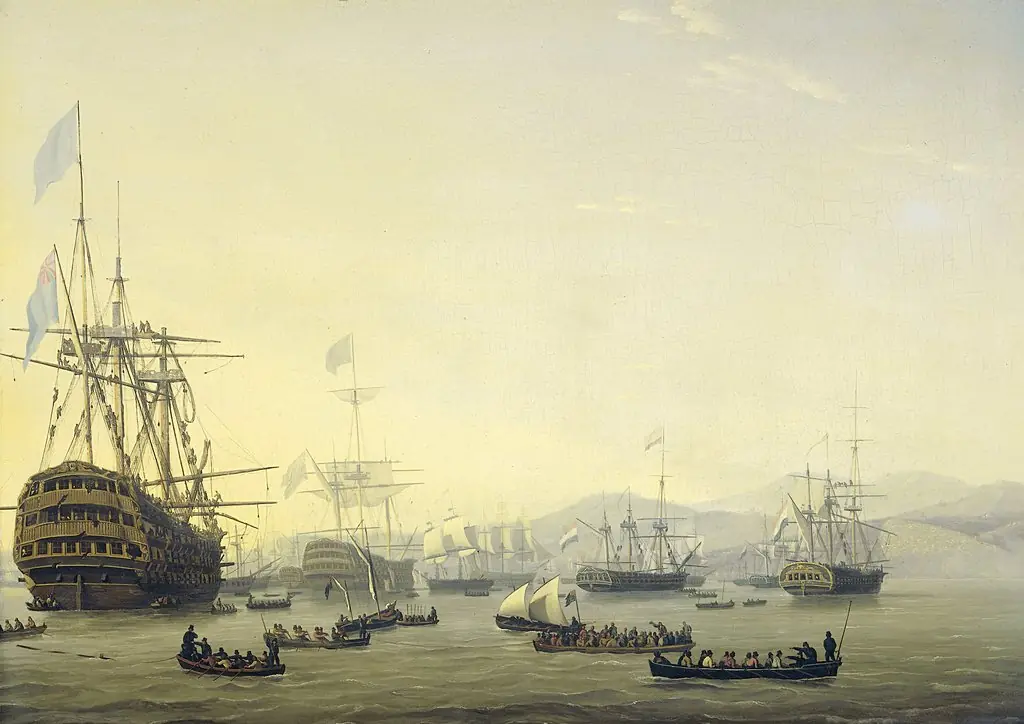 Council of War on board the 'Queen Charlotte', commanded by Lord Exmouth, prior to the Bombardment of Algiers, 26 August 1816
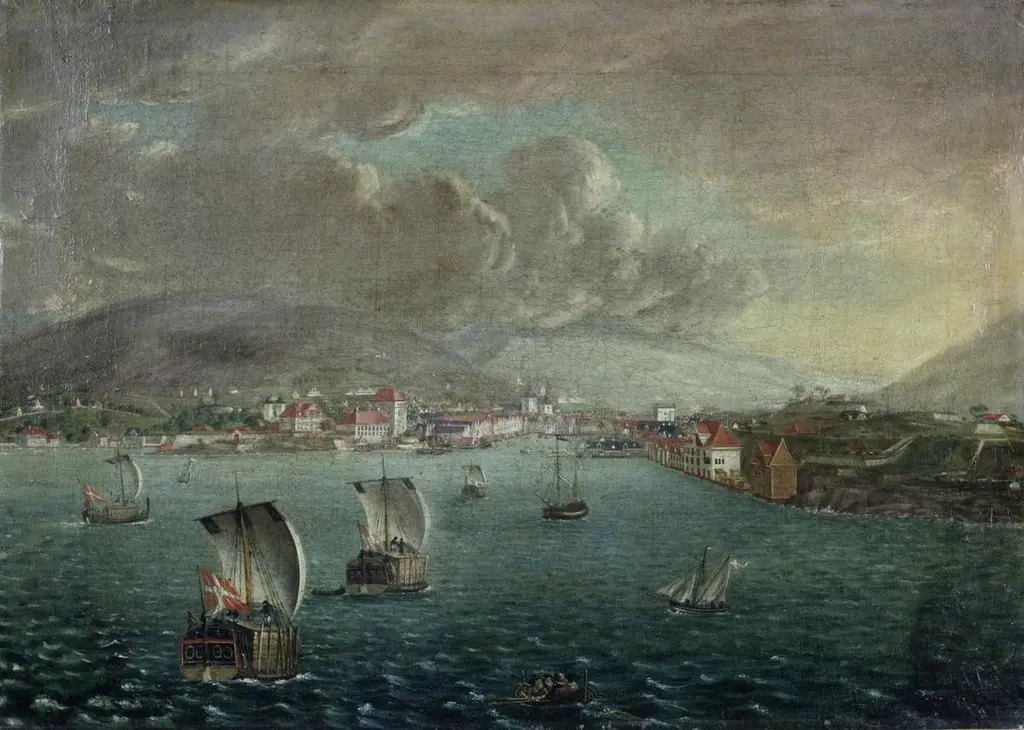 The Entrance to Bergen
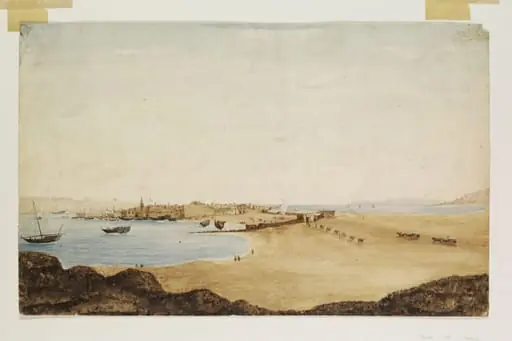 Suez from the Ruins of Colsum
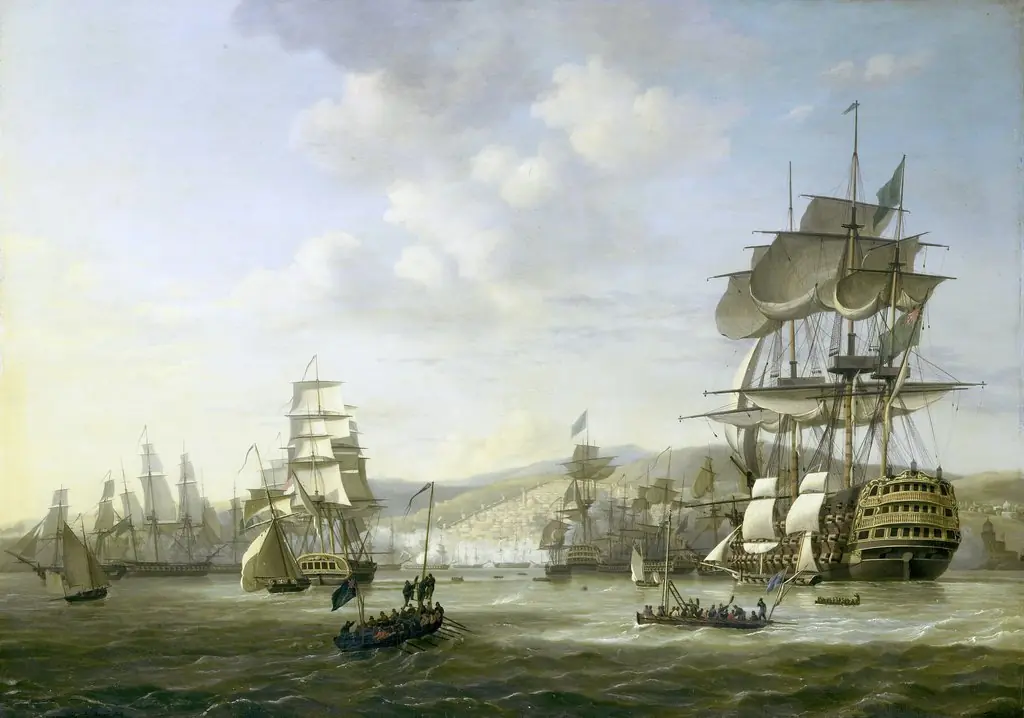 The Anglo-Dutch Fleet in the Bay of Algiers Backing up the Ultimatum to Release the Christian Slaves, 26 August 1816
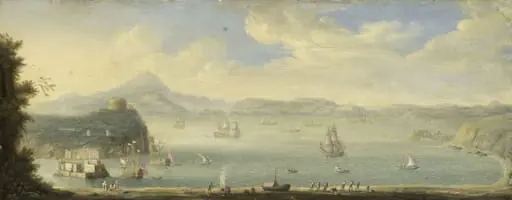 View of the Gulf of Naples
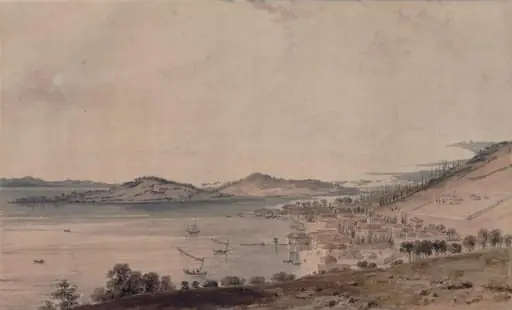 Islands Khalxi and Prinkipos, Sea of Marmora
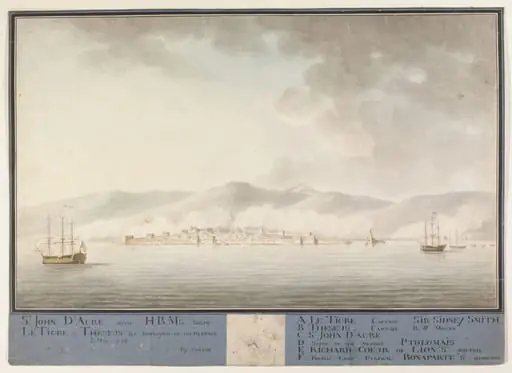 St. John d'Acre with H.B.M's ships Le Tigre & Theseus &c employed in its defence 2. May 1799 with a plan of St. John D'Acre and of the naval action'
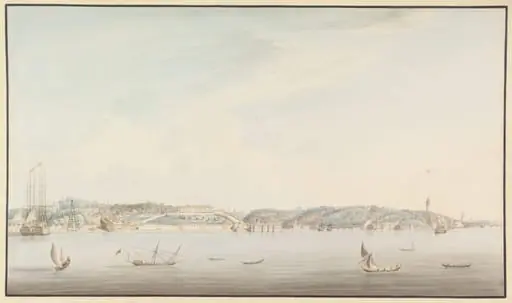 Kasim Pasa, the former Ottoman Naval Arsenal, from the Golden Horn
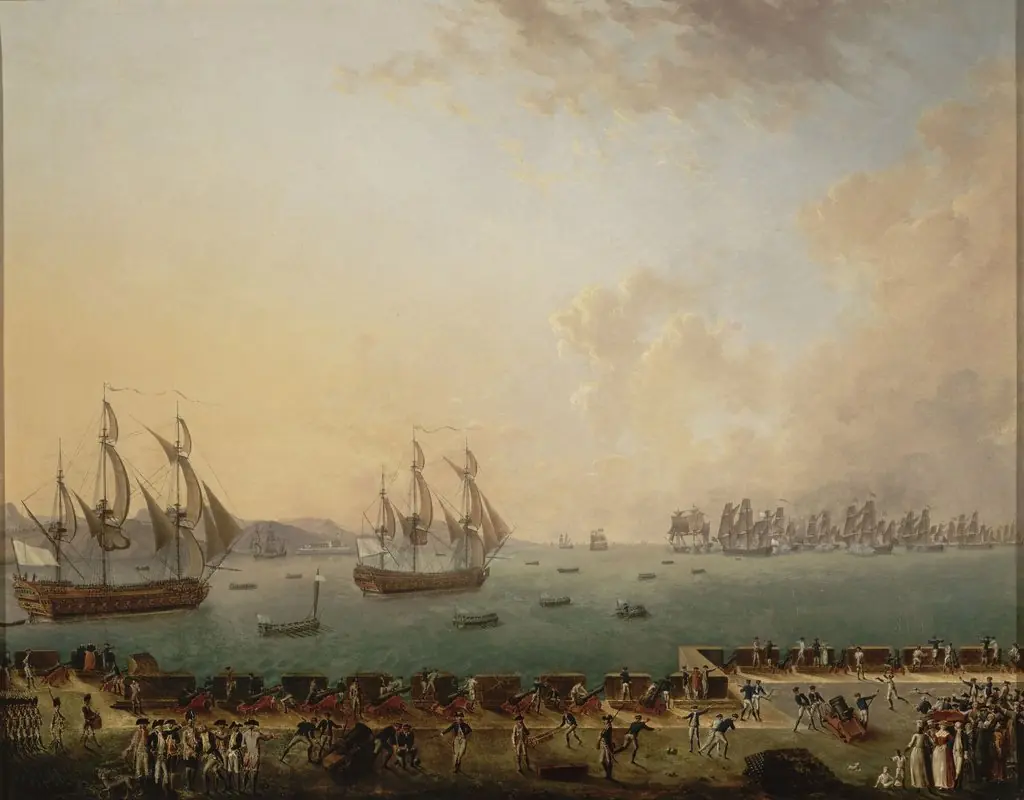 Combat naval dans la rade de Fort Royal de la Martinique, 18 décembre 1779
 View of Smyrna (Izmir)