Artwork
Spring Time
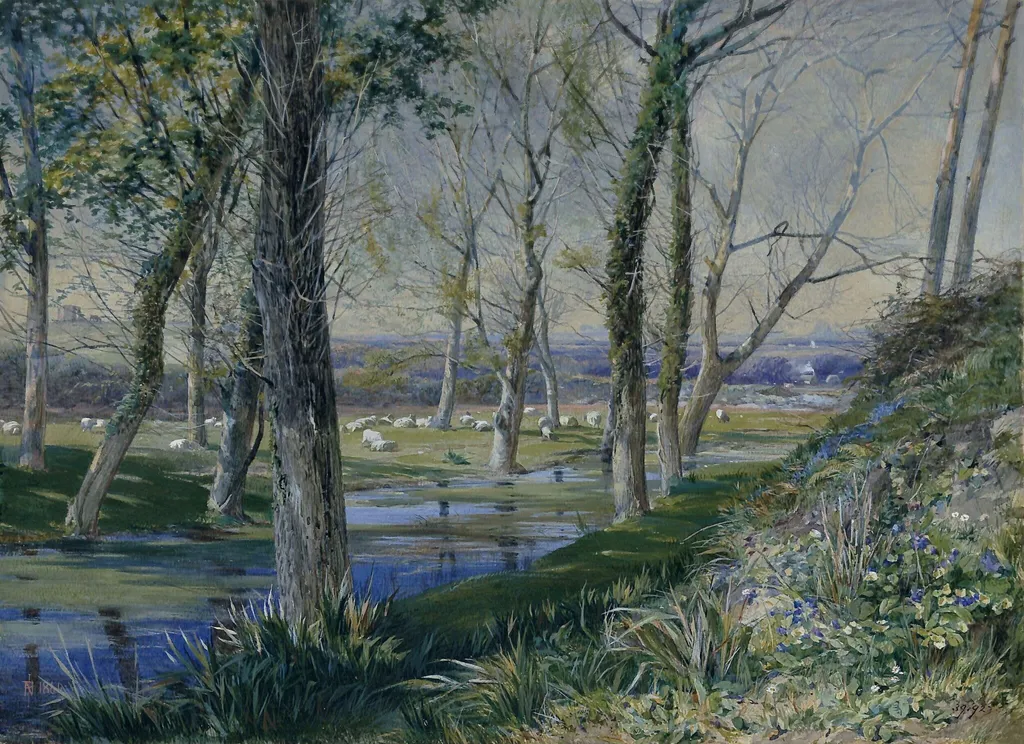
Spring Time is a watercolor work on paper by the Impressionist artist Paul Jacob Naftel. It dates from 1864 and is held in the collection of the Victoria and Albert Museum.
About this work
Overview
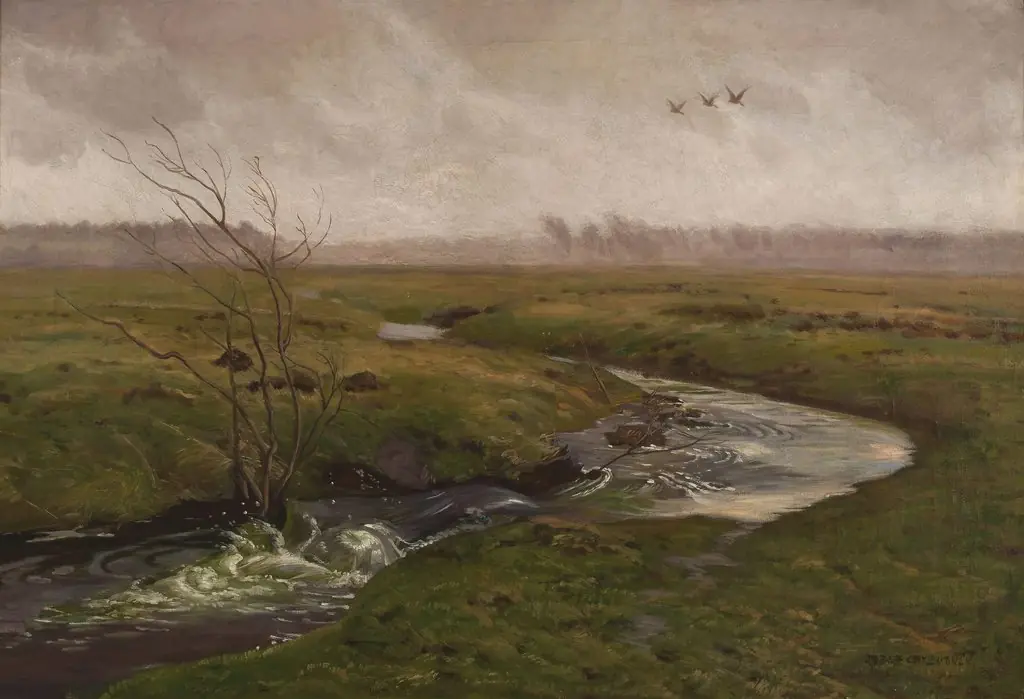
Paul Jacob Naftel’s 1864 watercolour titled *Spring Time* captures a quiet rural landscape in soft, translucent washes. The work is signed and dated by the artist, reflecting its place within his mid-career output. Rendered with delicate precision, it presents a tranquil scene of natural elements—trees, a winding stream, and grazing sheep—arranged to evoke stillness rather than drama.
Subject & Meaning
The scene portrays early spring, with bare trees still holding patches of moss, suggesting the season’s transitional nature. White sheep dot the distant hillside, while foreground flora—delicate flowers and tender grasses—emerge near the stream. The absence of human figures and the muted palette emphasize solitude and the quiet renewal of nature, evoking contemplation over celebration.
Technique & Style
Naftel employed thin, layered watercolour washes to achieve subtle tonal transitions in greens, blues, and earth browns.
Naftel employed thin, layered watercolour washes to achieve subtle tonal transitions in greens, blues, and earth browns. Soft brushwork defines foliage and water, with minimal detail to preserve a sense of atmosphere. The lack of sharp outlines and the gentle blending of hues reflect a preference for mood over realism, aligning with contemporary British watercolour traditions rather than later Impressionist methods.
History & Provenance
Created in 1864, the work belongs to Naftel’s period of active exhibition in Britain, where he was known for landscape watercolours. While specific ownership history is not documented here, its survival in good condition suggests it remained in private collections, likely within the UK. The signature and date indicate the artist’s personal endorsement of the piece as a finished work.
Context
In mid-19th century Britain, watercolour was widely respected for its suitability in depicting natural scenes, especially among artists influenced by the Romantic tradition. Naftel’s approach aligns with the Hudson River School’s reverence for nature and the quiet lyricism of British watercolourists like David Cox, though he avoided overt narrative or dramatic lighting.
Legacy
Naftel’s *Spring Time* exemplifies the quiet, observational mode of Victorian watercolour painting. Though not widely known today, his works contribute to the broader understanding of how landscape was rendered in intimate, non-monumental terms during a period when art increasingly valued personal response over grandeur. The painting remains a modest but thoughtful record of seasonal change.
Own this work as a print
Artist & collection
Artist
Paul Jacob Naftel painted delicate watercolors of Guernsey’s landscape and daily life in the 1860s.

 Trees and Cattle
 The Brook in May
 The Ponds of the "Grijze Molen" in Terhulpen
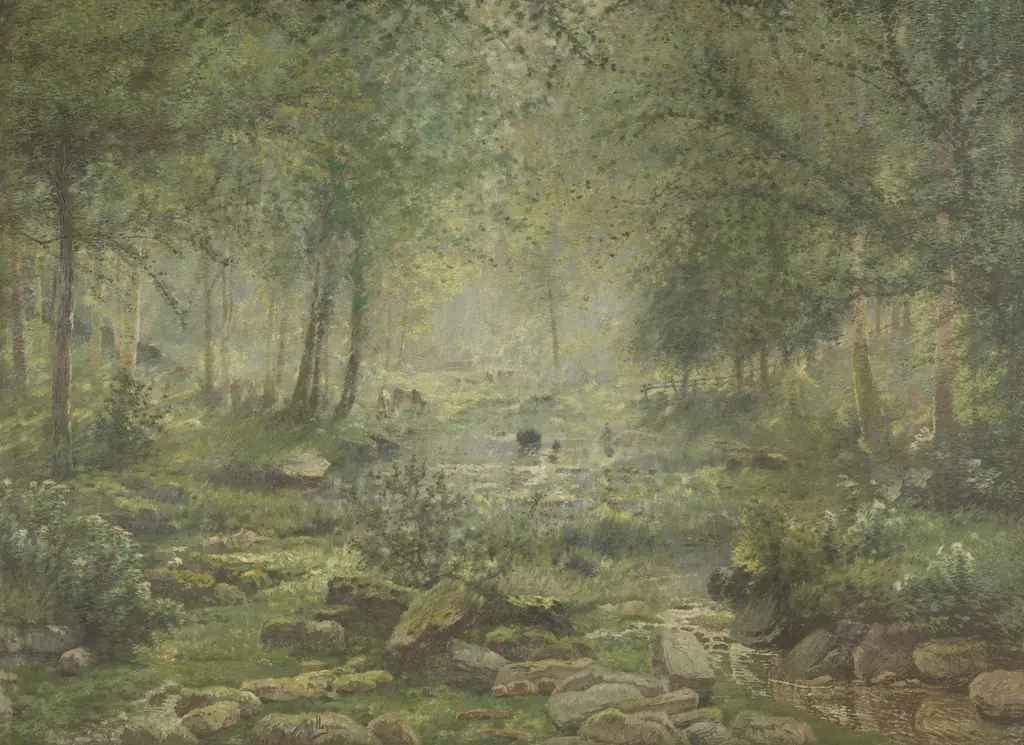 Woodland near Bertogne
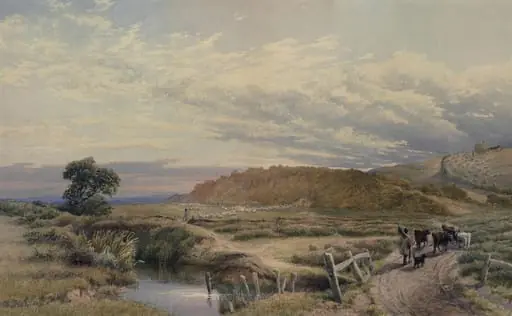 On the Hill at St. Leonards
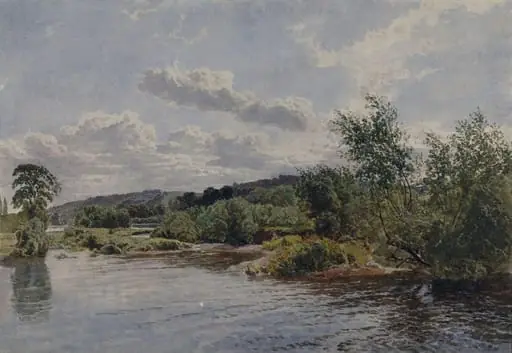 A reach on the Thames, near Goring
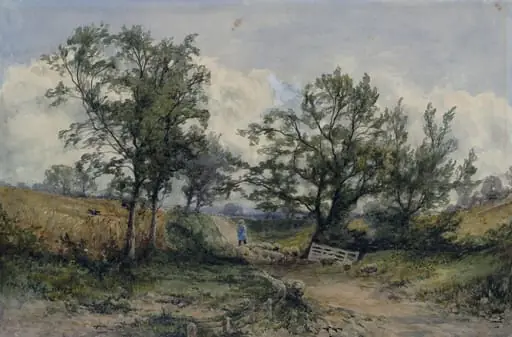 Landscape with sheep and cornfield
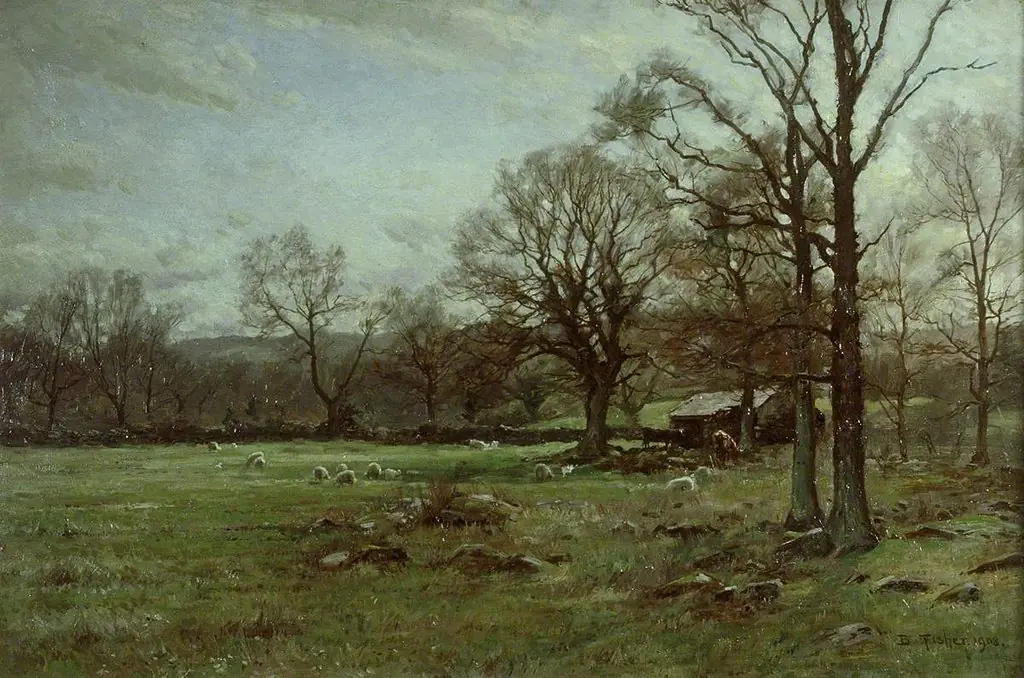 Early Spring, Dolcwm, Talycafn
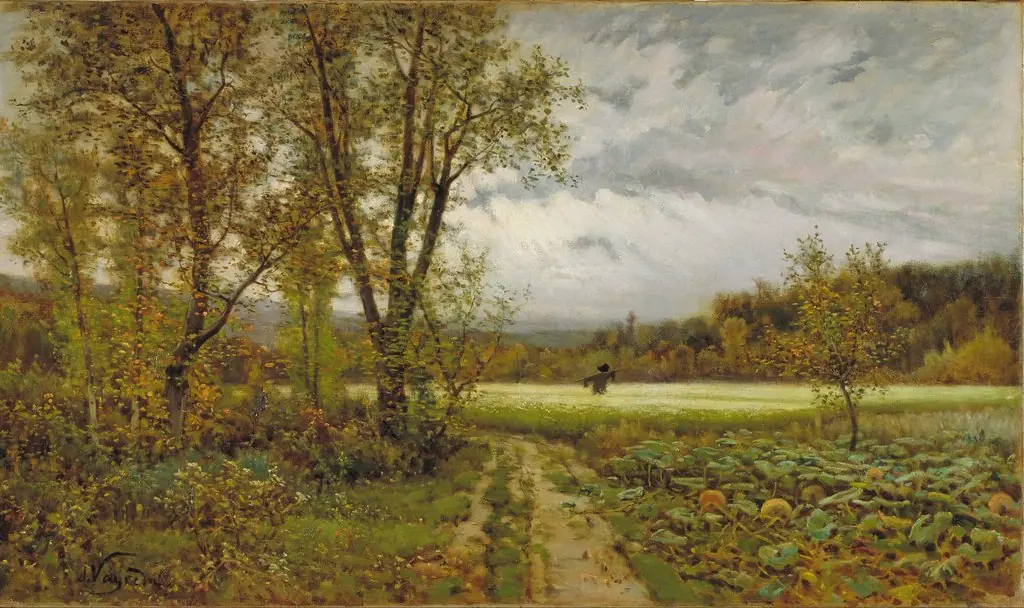 The Scarecrow
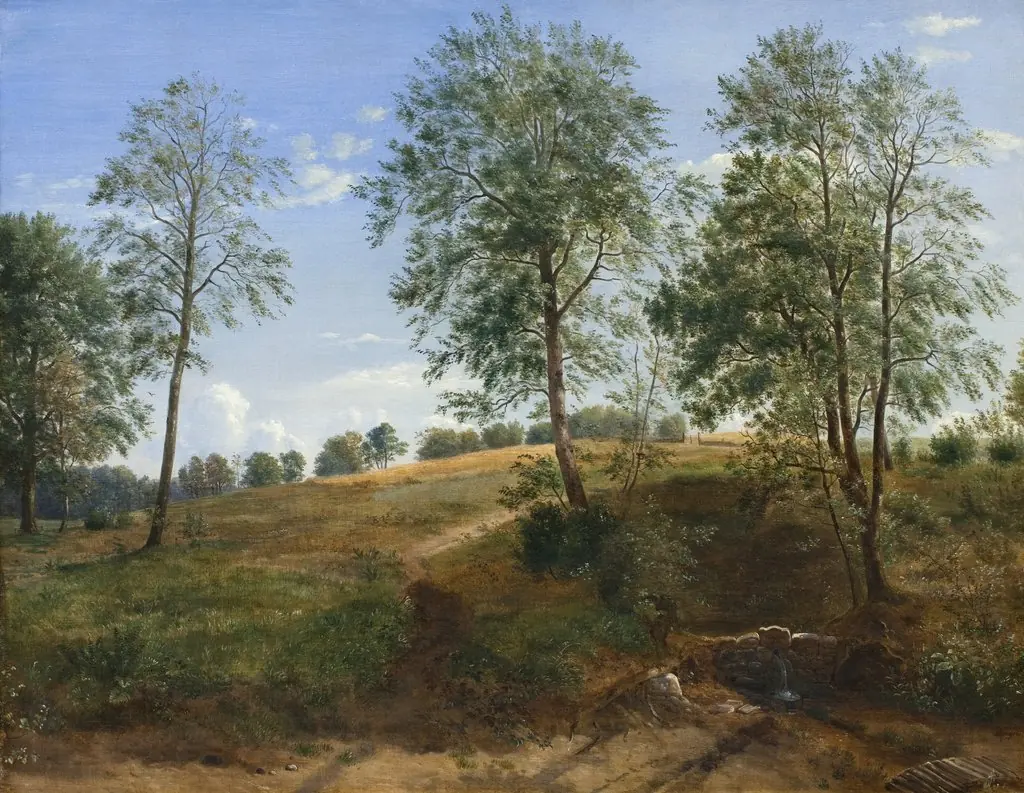 The Caroline Spring at Næsby on Funen
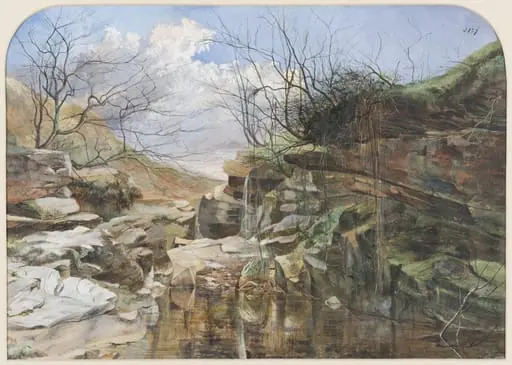 View near Chapeltown, near Bolton
 Springtime