Artwork
Interior of a Wood with Lake and Figures
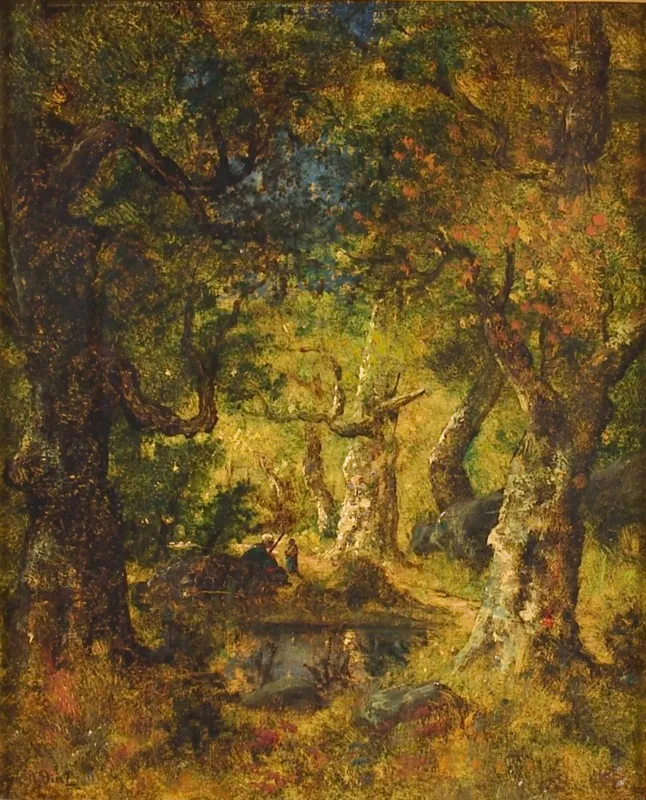
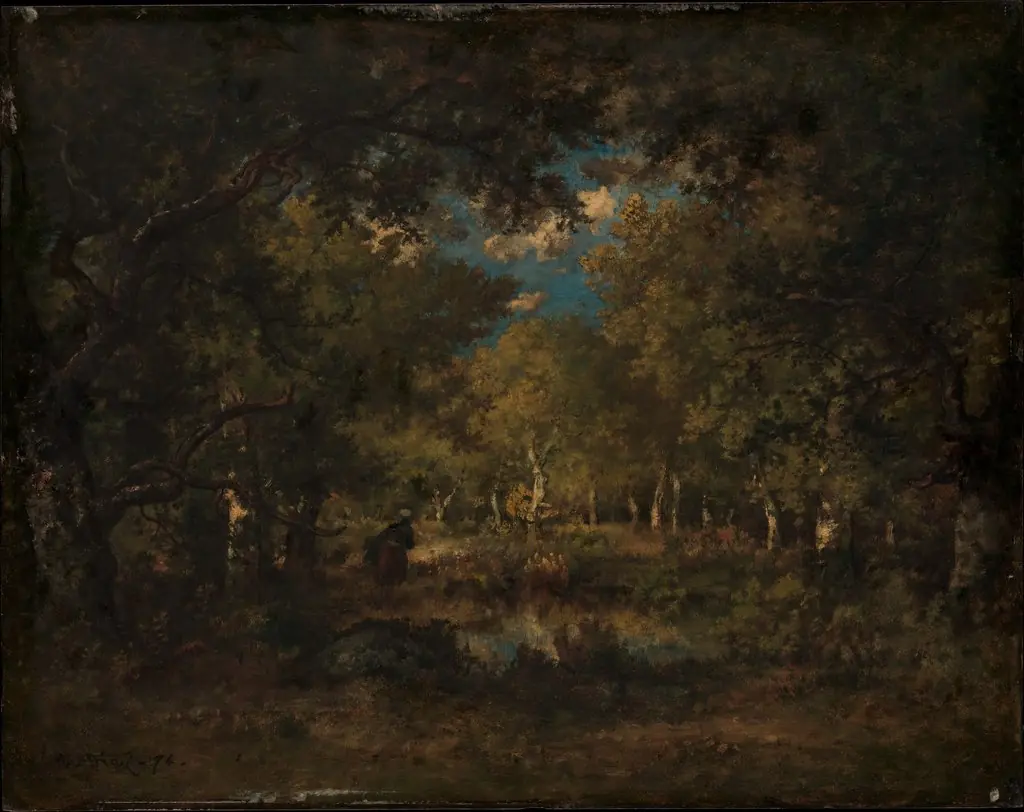
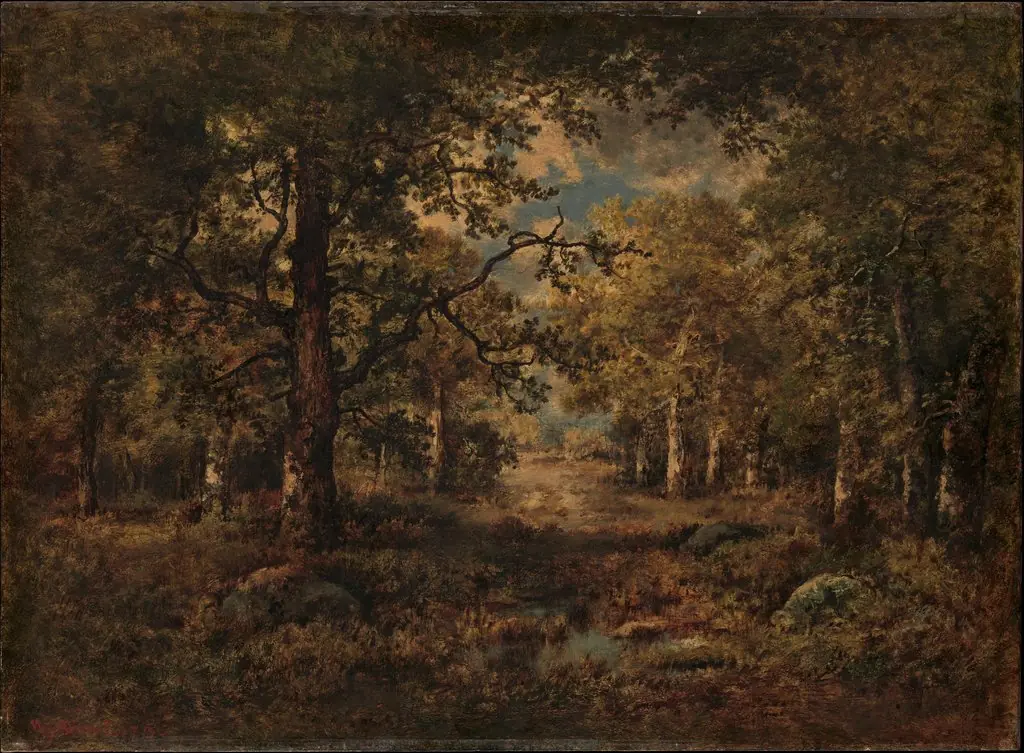
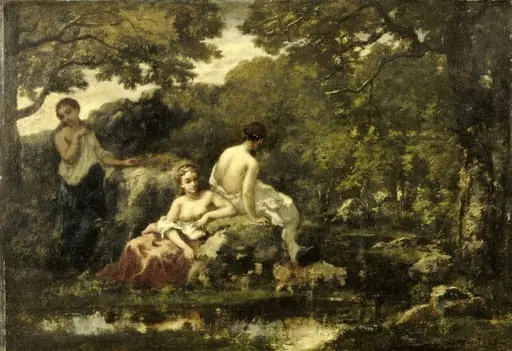
Interior of a Wood with Lake and Figures is an oil painting by the Barbizon school artist Narcisse Virgilio Díaz. It dates from 1849 and is held in the collection of the Statens Museum for Kunst.
About this work
Overview
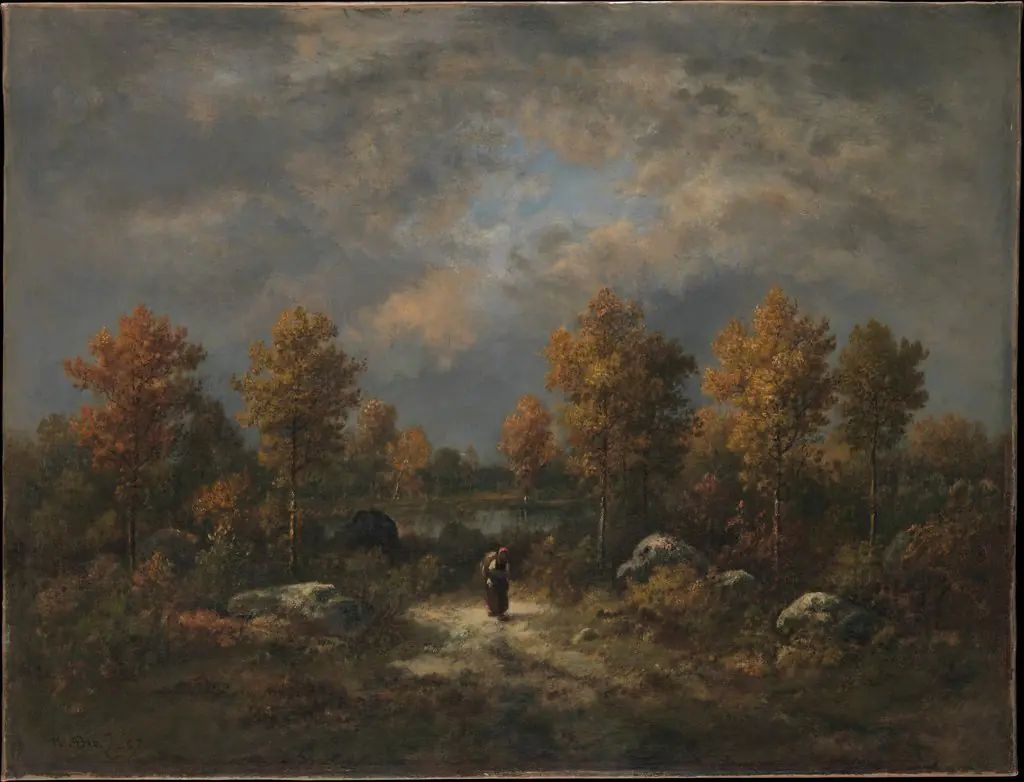
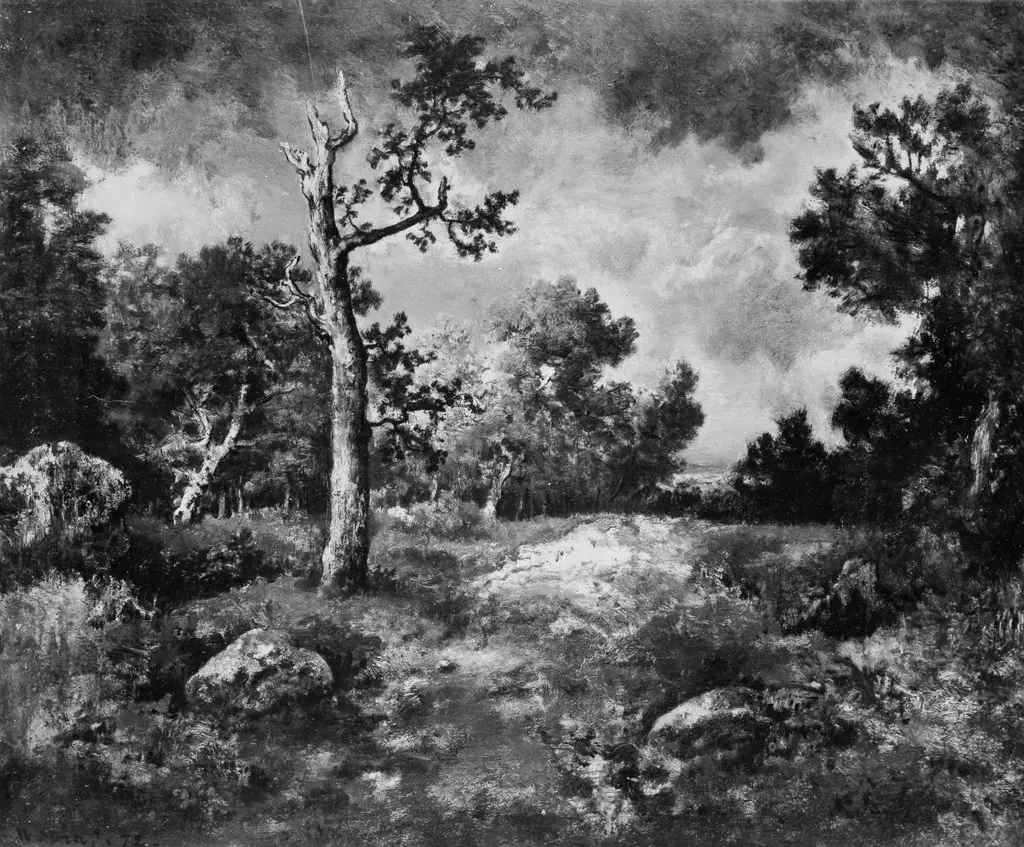
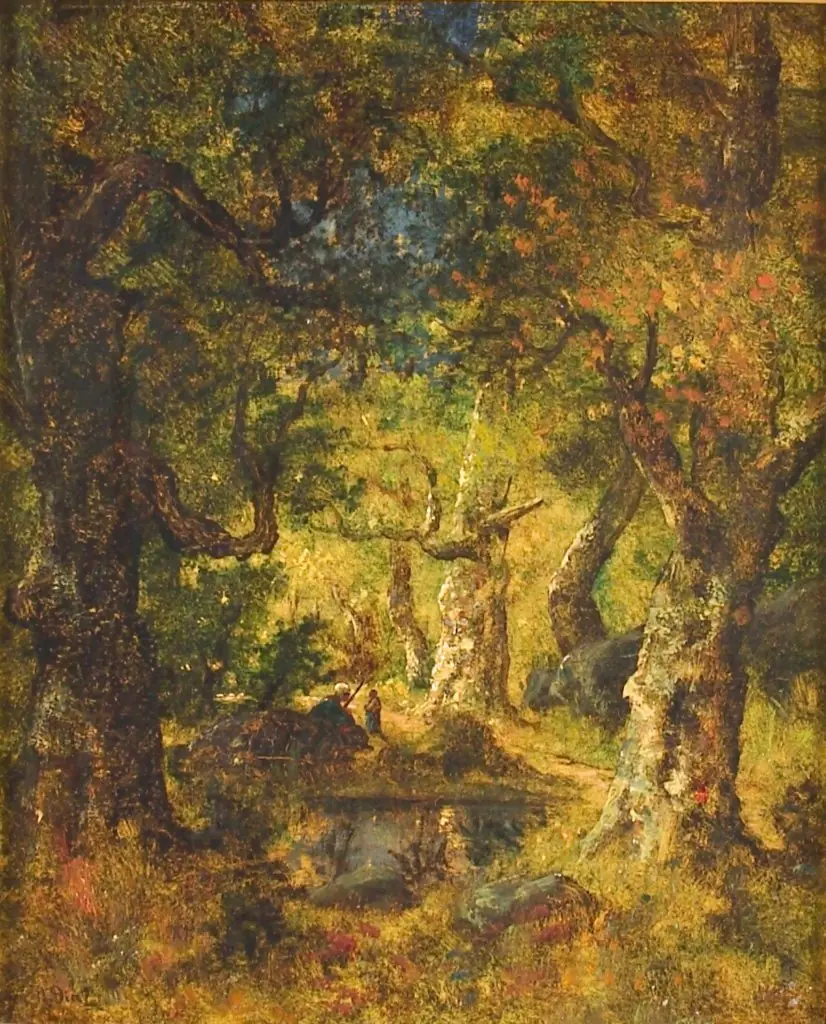
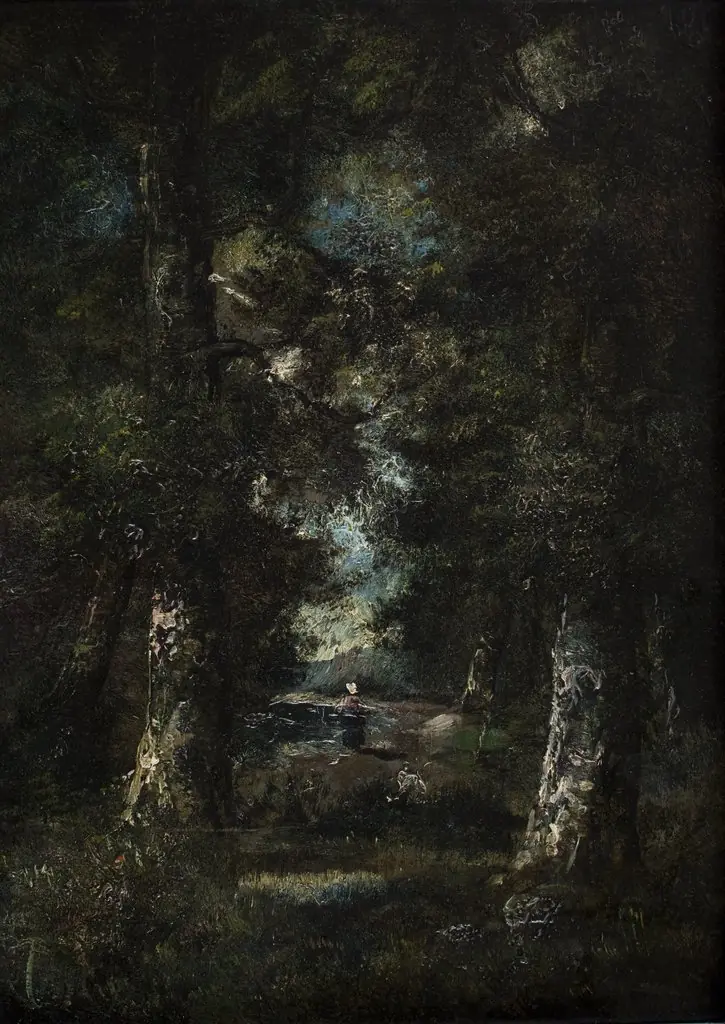
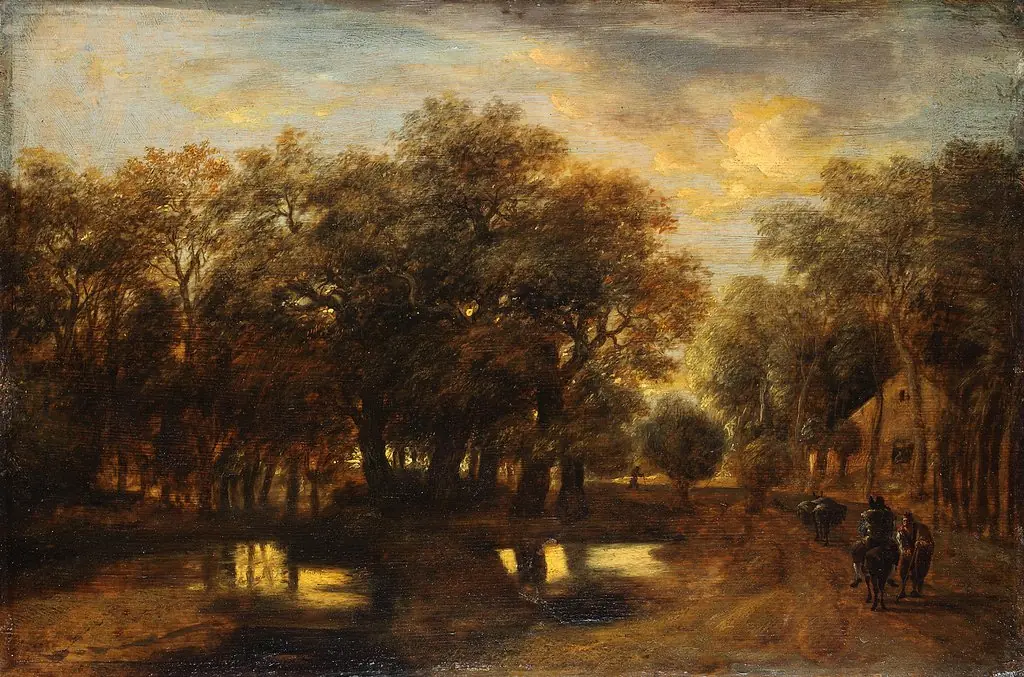
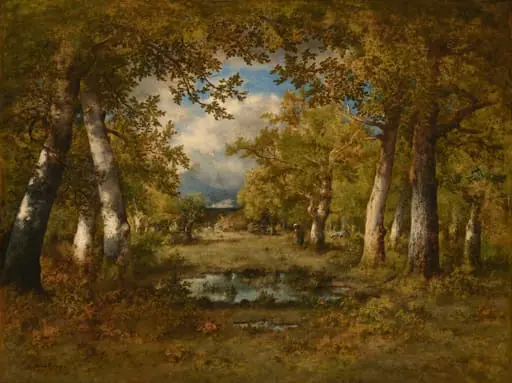
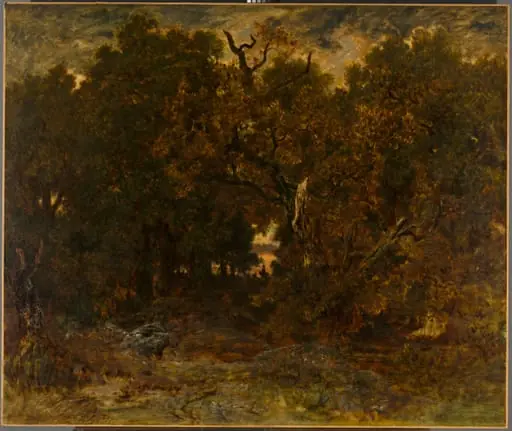
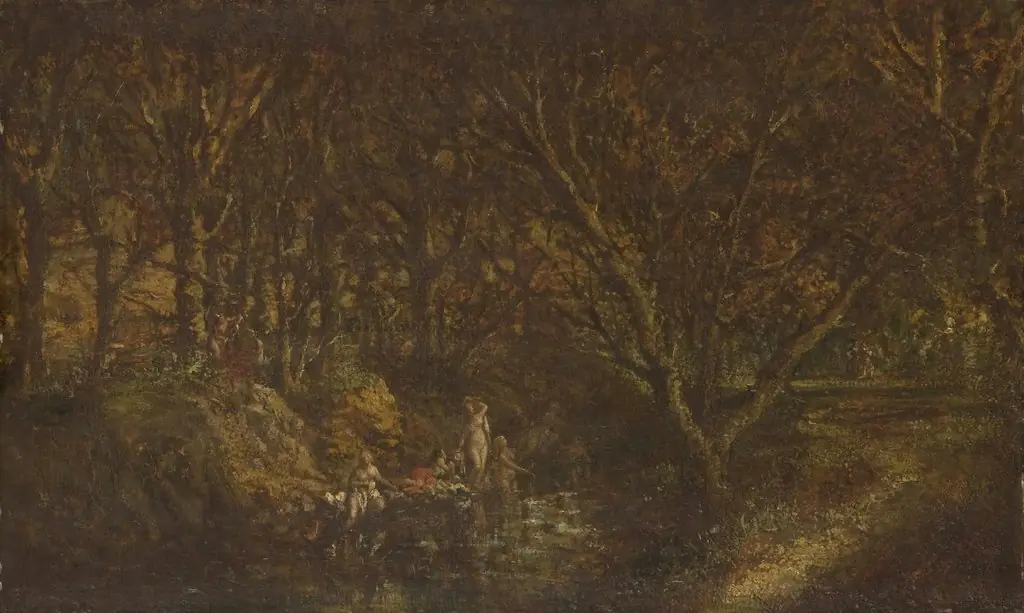
The composition emphasizes natural depth, with dense trees framing the water’s edge and faint human figures visible in the far distance.
Painted in 1849 by Narcisse Virgilio Díaz, this oil on canvas depicts a secluded woodland setting centered around a quiet lake. The composition emphasizes natural depth, with dense trees framing the water’s edge and faint human figures visible in the far distance. The work is part of the collection at Statens Museum for Kunst in Copenhagen, reflecting the artist’s engagement with landscape as a contemplative subject during the mid-nineteenth century.
Subject & Meaning
The scene presents an undisturbed natural environment, devoid of dramatic action or narrative. The blurred figures suggest transient human presence, neither dominating nor interacting with the landscape. This quietude aligns with Romantic-era ideals of nature as a refuge from industrialization, inviting quiet reflection rather than storytelling. The atmosphere prioritizes mood over event, emphasizing stillness and immersion in the wild.
Technique & Style
Díaz employed thick, layered oil paint to build texture in the tree trunks and foliage, using soft transitions between tones to suggest atmospheric depth. The palette favors muted greens, browns, and cool blues, with subtle highlights on the water’s surface. Brushwork is deliberate yet fluid, avoiding sharp detail in the distance to enhance the sense of receding space and hazy light, characteristic of the Barbizon school’s approach to naturalism.
History & Provenance
Created in 1849, the painting entered the Danish national collection at Statens Museum for Kunst in the late nineteenth or early twentieth century. Its acquisition reflects the museum’s interest in French landscape painting of the period. While not widely exhibited outside Denmark, it remains a representative example of Díaz’s mature style, produced during his time in the Forest of Fontainebleau, where he and other artists sought direct observation of nature.
Context
Díaz was associated with the Barbizon school, a group of French painters who rejected idealized classical landscapes in favor of direct observation of rural nature. Working en plein air, they emphasized mood and light over narrative. This painting aligns with their broader project: portraying forests and lakes not as backdrops for myth, but as quiet, living spaces worthy of attention in their own right, responding to growing environmental awareness in mid-century Europe.
Legacy
Though less known than contemporaries like Corot or Rousseau, Díaz’s work contributed to the legitimization of landscape as a serious genre in French art. This painting exemplifies the Barbizon approach’s influence on later movements, including Impressionism, through its focus on atmosphere and natural light. Its presence in a major Nordic collection underscores its role in cross-European artistic dialogue during the century’s middle decades.
Artist & collection
Artist
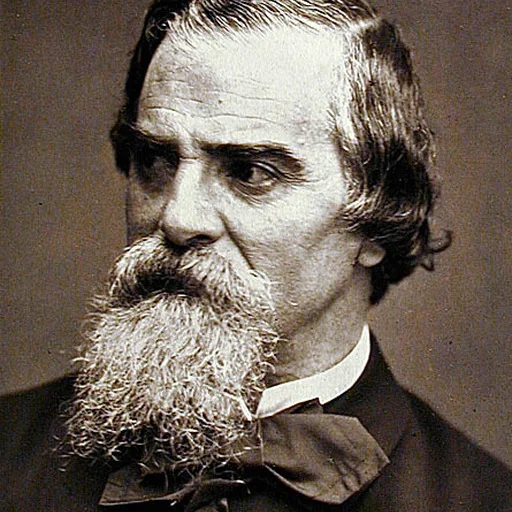
Narcisse Virgilio Díaz (1807–1876) was a French artist, born in Bordeaux.