Artwork
Le chemin
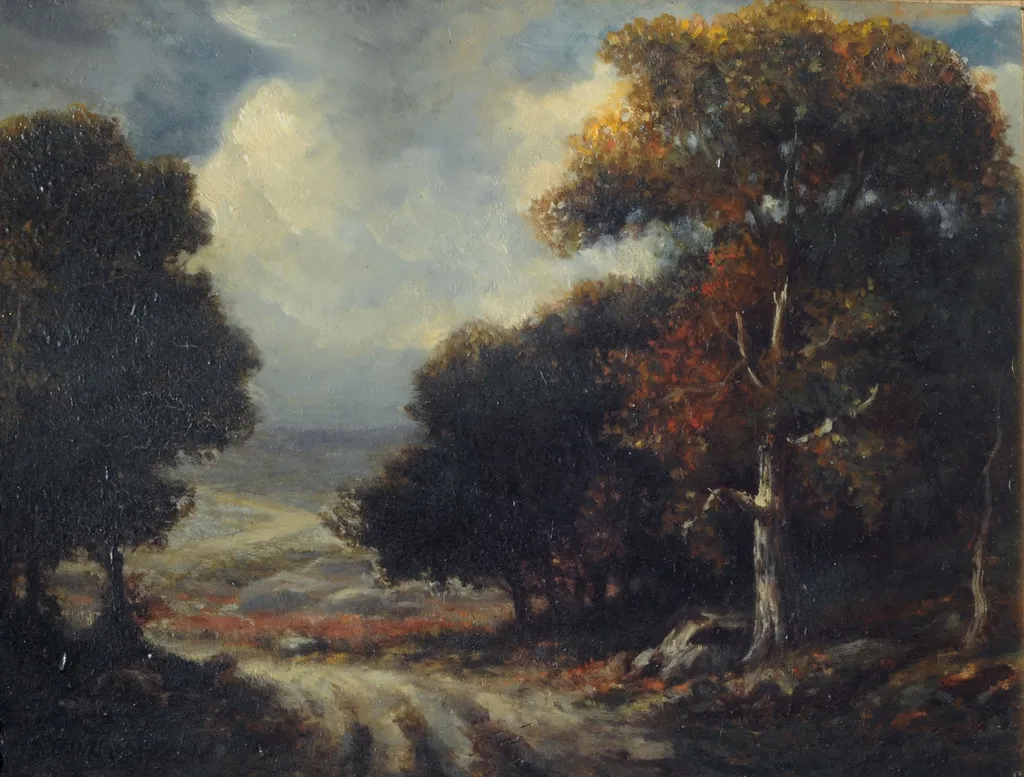
Le chemin is an unspecified painting by the Barbizon school artist Narcisse Virgilio Díaz. It dates from 1851 and is held in the collection of the National Museum of Fine Arts, Argentina.
About this work
Overview
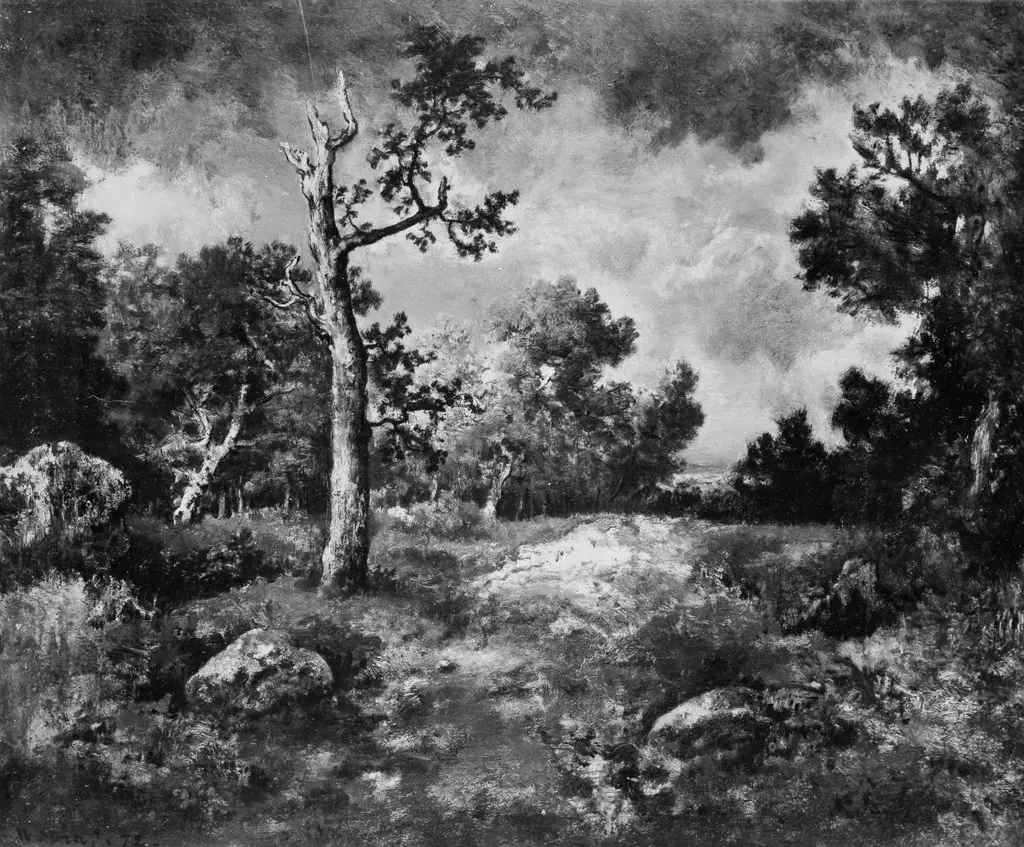
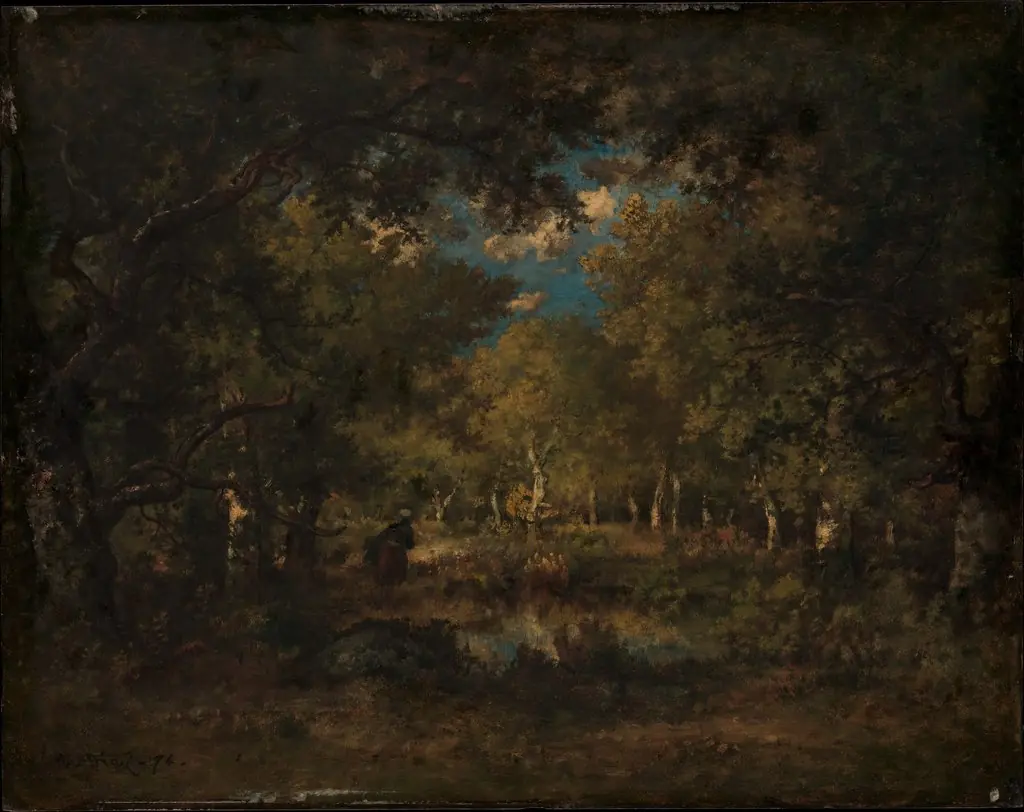
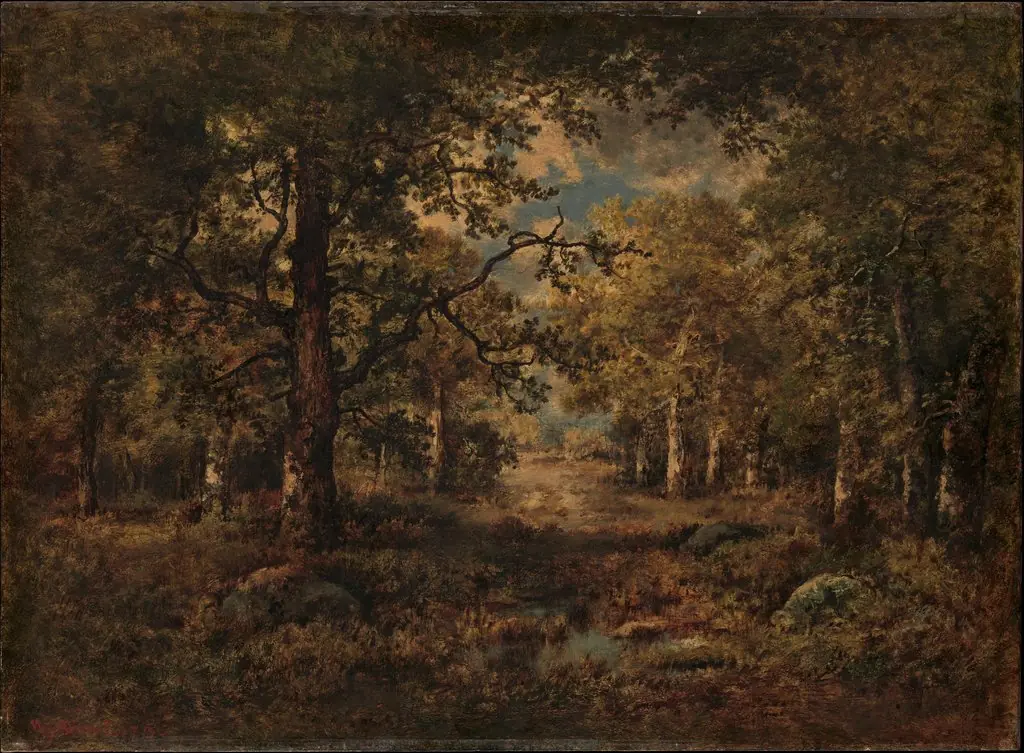
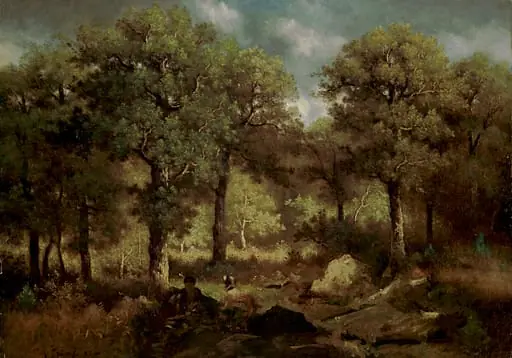
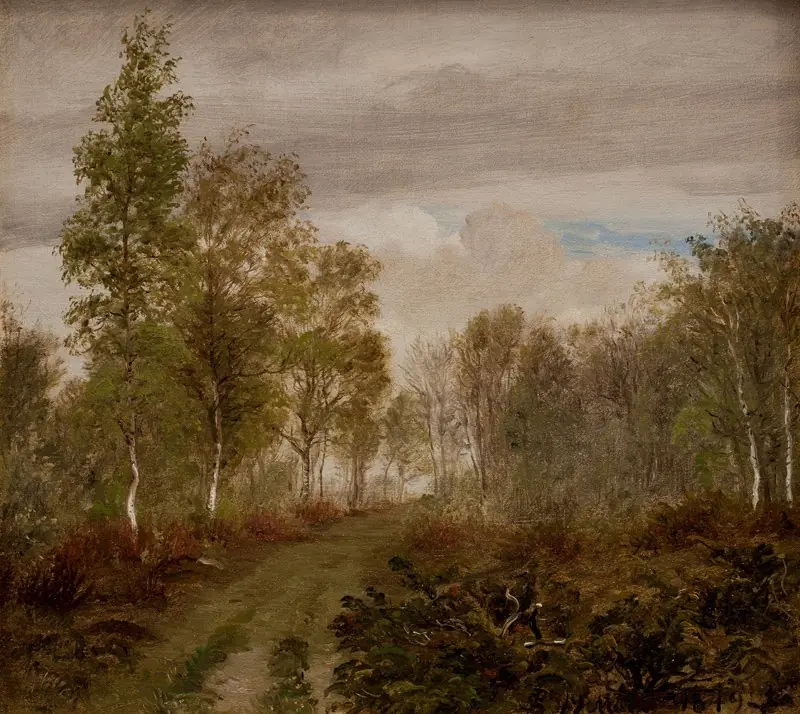
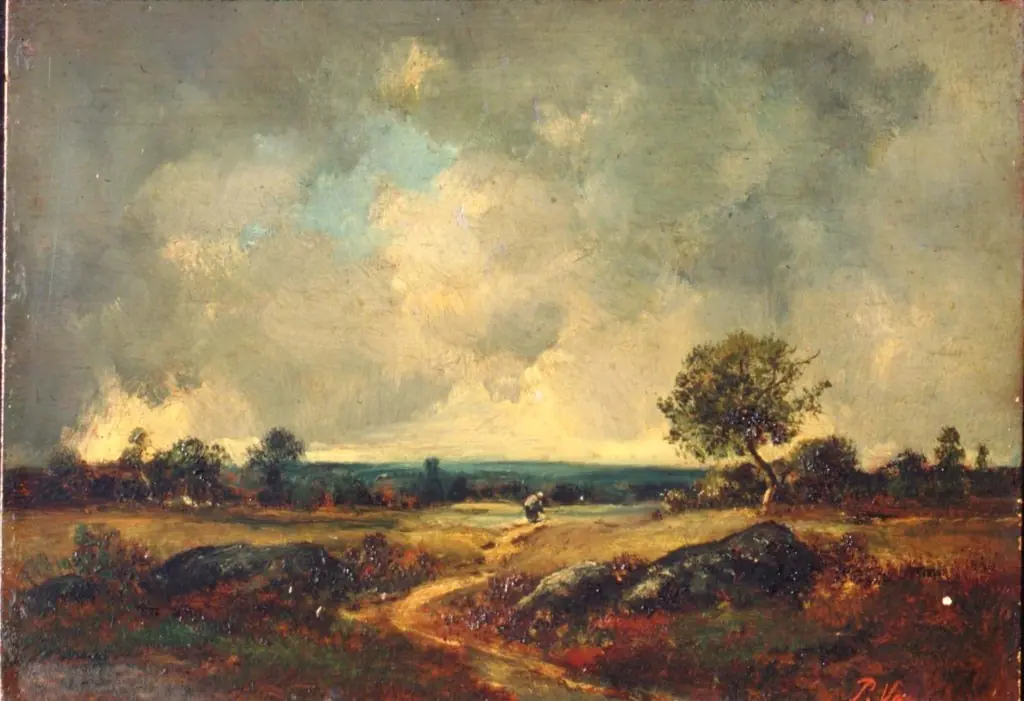
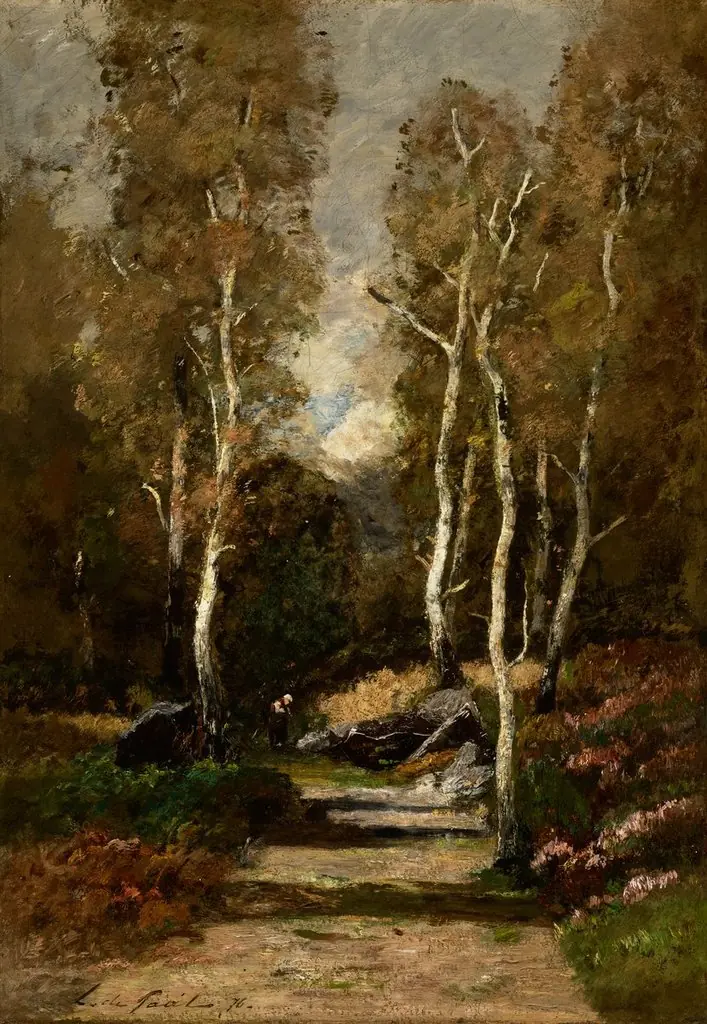
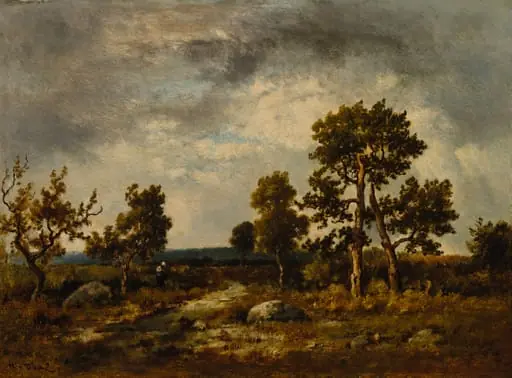
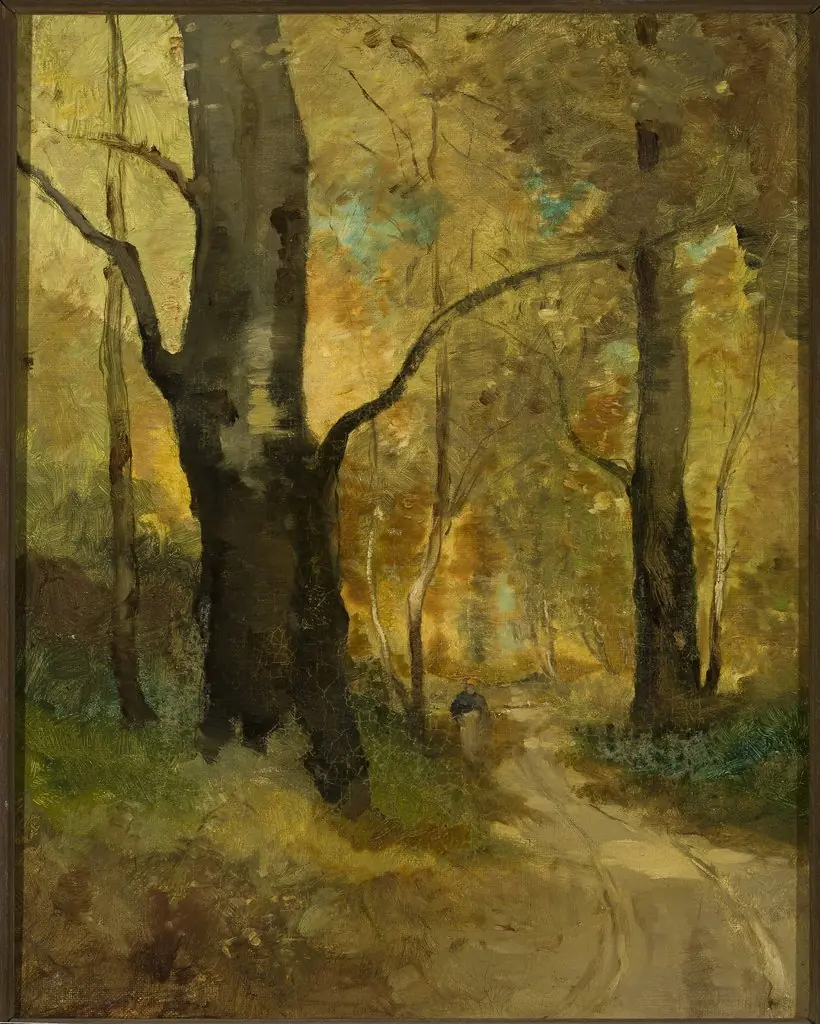
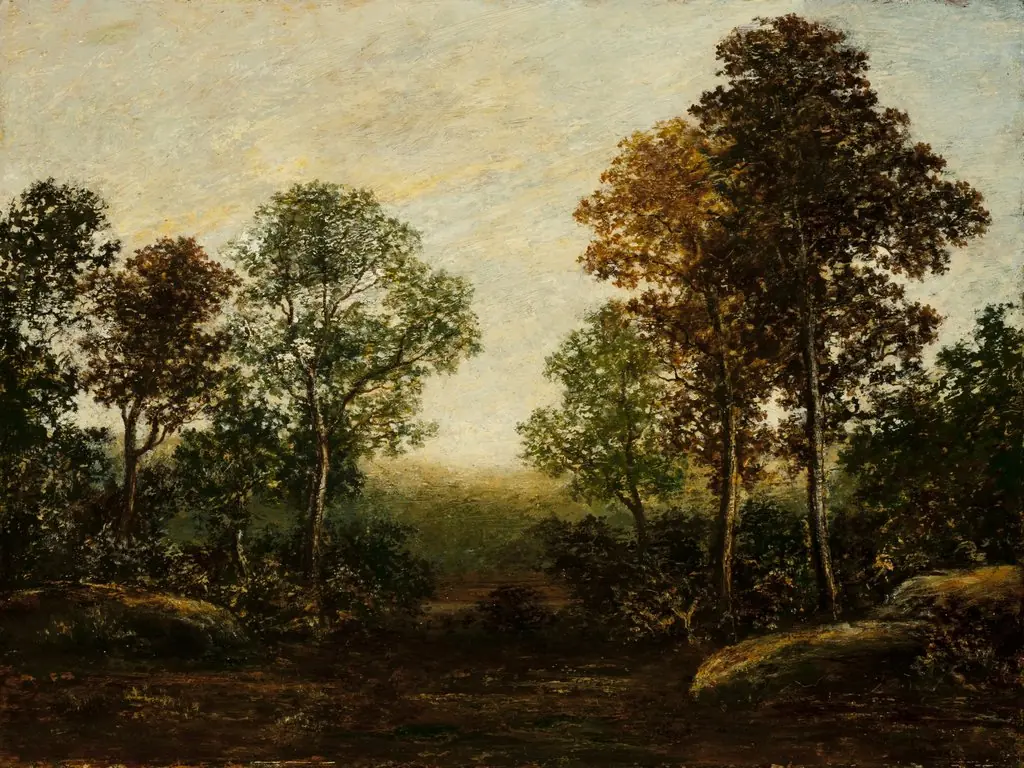
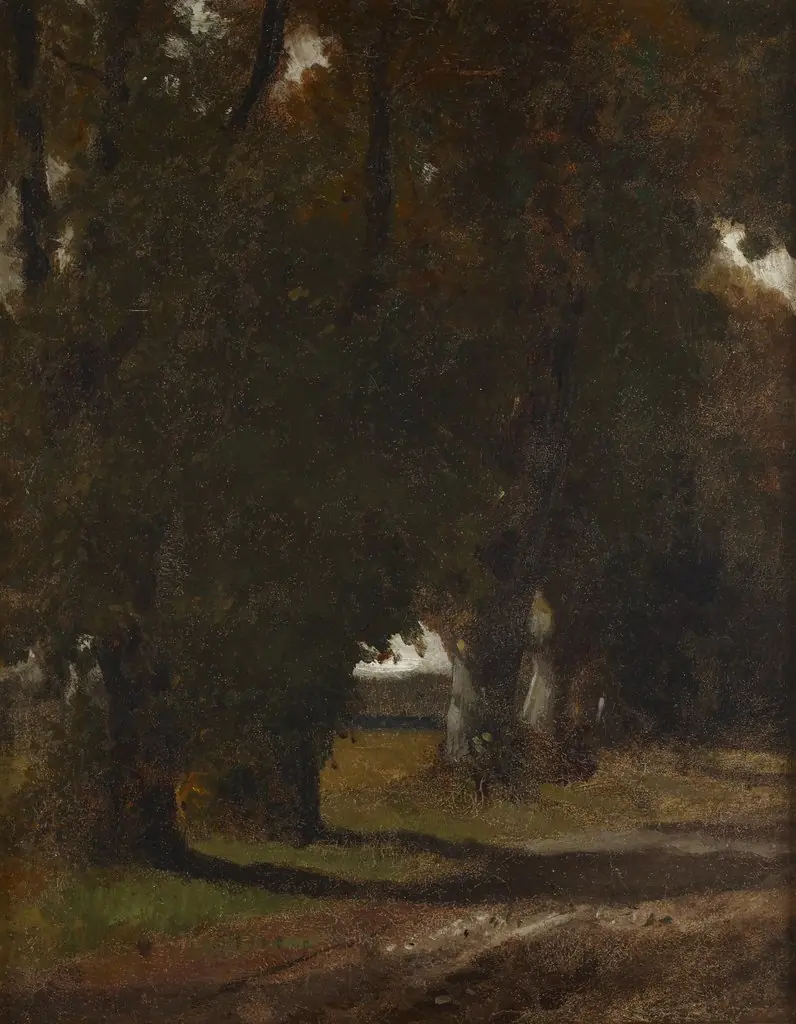
Painted around 1851 by Narcisse Virgilio Díaz, Le chemin is a landscape that captures a quiet rural path winding through a wooded area. The composition emphasizes stillness and subtle natural rhythms, with no human figures present. Its muted palette and soft transitions between light and shadow create an atmosphere of calm, characteristic of Díaz’s approach to nature during this period.
Subject & Meaning
The painting presents a solitary dirt path disappearing into a forest, framed by dense trees and a heavy, overcast sky.
The painting presents a solitary dirt path disappearing into a forest, framed by dense trees and a heavy, overcast sky. The absence of people or activity invites reflection on solitude and the passage of time. The path, neither leading to nor from anything specific, suggests a meditative journey rather than a narrative, aligning with Romantic-era sensibilities that valued emotional resonance over literal storytelling.
Technique & Style
Díaz employs layered brushwork to build texture in the foliage and bark, using dark, earthy tones for trunks and lighter, warmer hues for sunlit leaves. The sky is rendered with broad, blended strokes that suggest movement in the clouds, adding depth without dramatic contrast. The technique avoids sharp definition, favoring atmospheric harmony and tonal subtlety to evoke mood over detail.
History & Provenance
Created in the early 1850s, the painting entered the collection of the National Museum of Fine Arts in Buenos Aires, where it remains today. Its journey from France to Argentina is undocumented, but its presence in the museum reflects broader 19th-century efforts to build international art collections in Latin America, often acquiring works by European Romantic and Barbizon School artists.
Context
Díaz was associated with the Barbizon School, a group of French painters who sought to depict nature truthfully, away from idealized academic conventions. Le chemin reflects this movement’s emphasis on direct observation and emotional atmosphere. While not as radical as later Impressionist works, it shares their interest in light, weather, and the quiet dignity of rural scenes.
Legacy
Though not among Díaz’s most widely reproduced works, Le chemin exemplifies his contribution to landscape painting’s shift toward introspection and naturalism. It stands as a quiet testament to the Barbizon ethos and continues to be studied for its restrained use of color and composition, offering insight into how European landscape traditions influenced collections beyond France.
Own this work as a print
Artist & collection
Artist
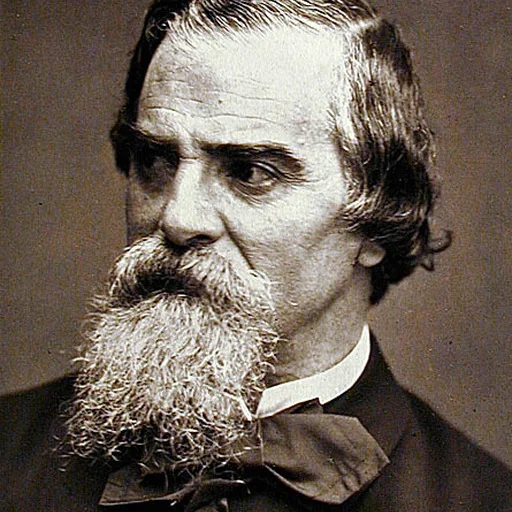
Narcisse Virgilio Díaz (1807–1876) was a French artist, born in Bordeaux.

Museum
National Museum of Fine Arts, Argentina
Continue through works from the same source collection.