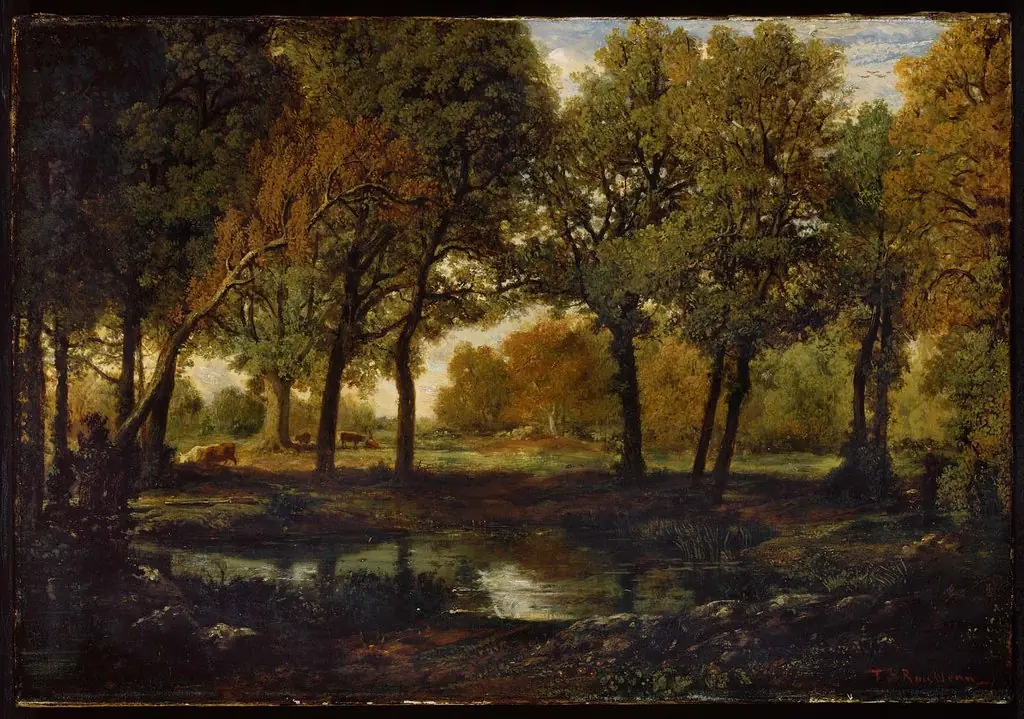
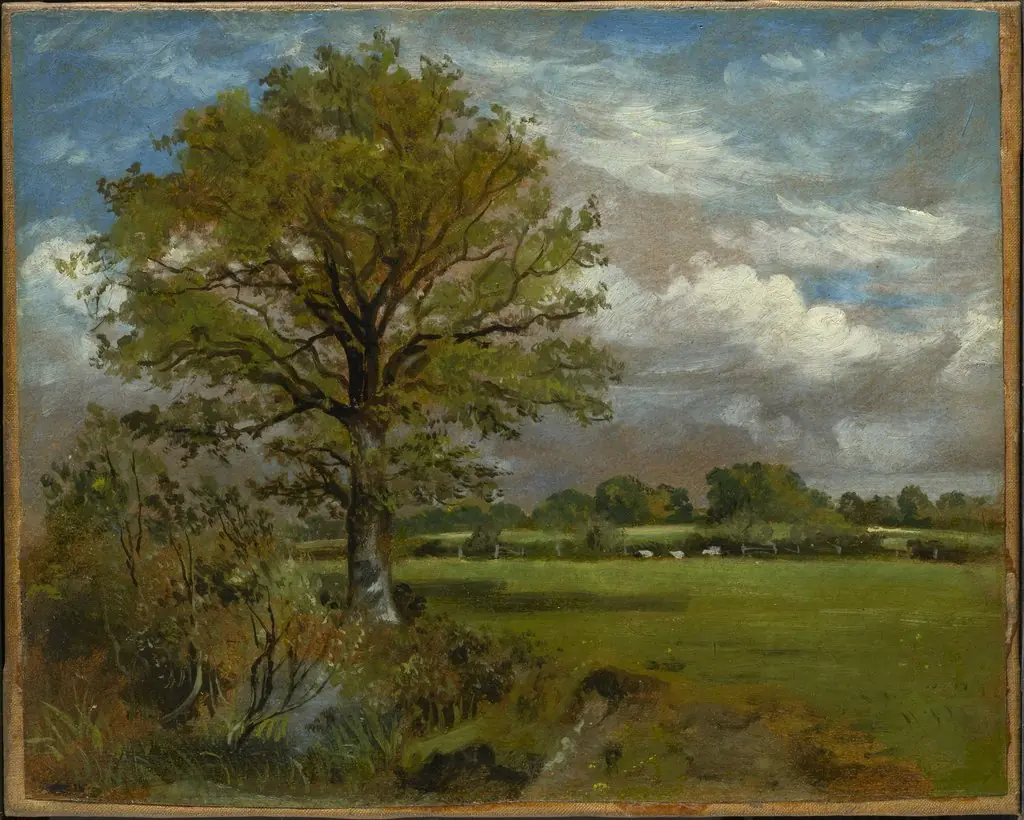
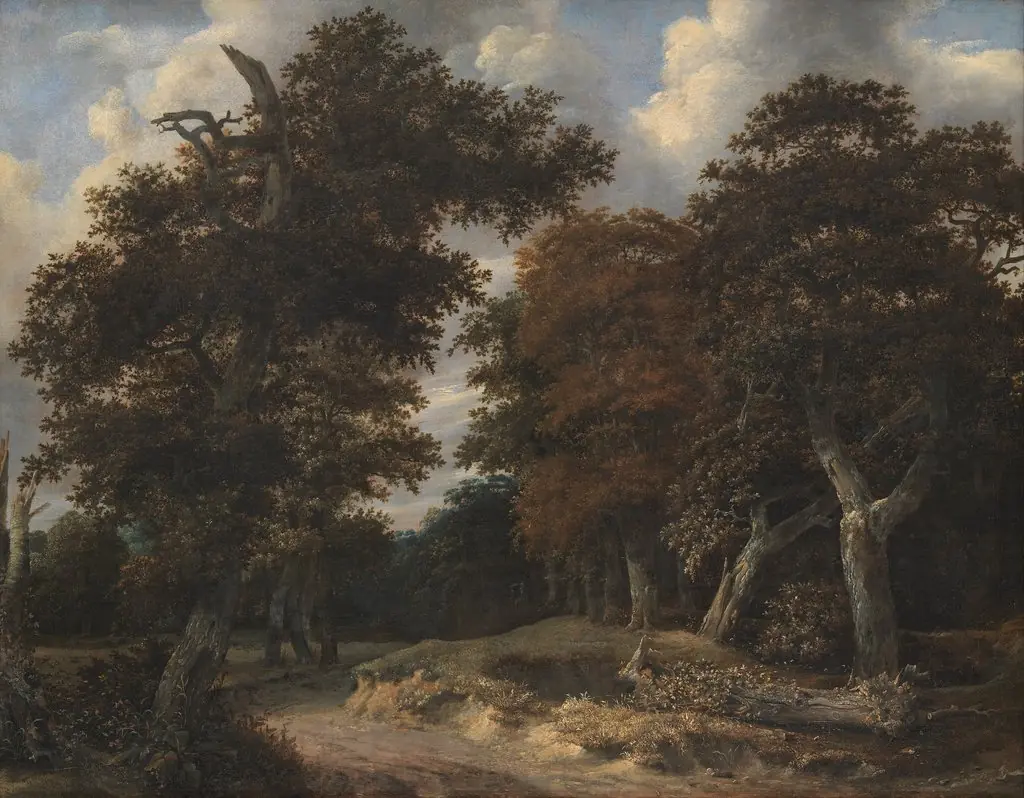
Artwork
The Oak Tree
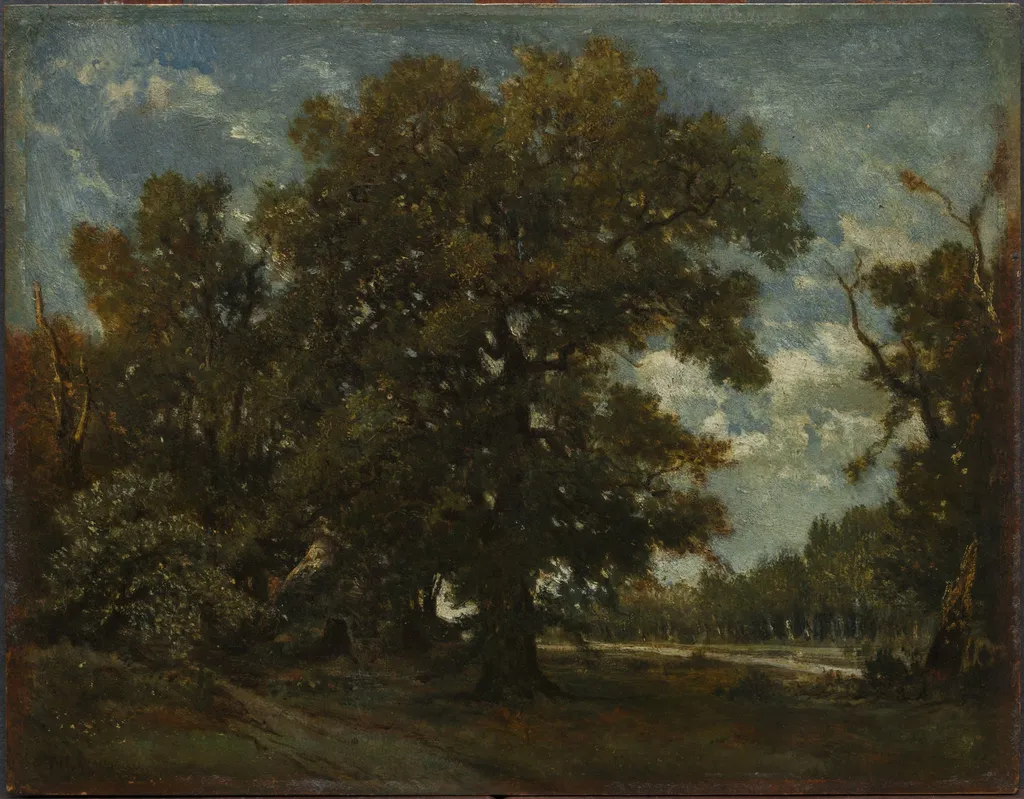
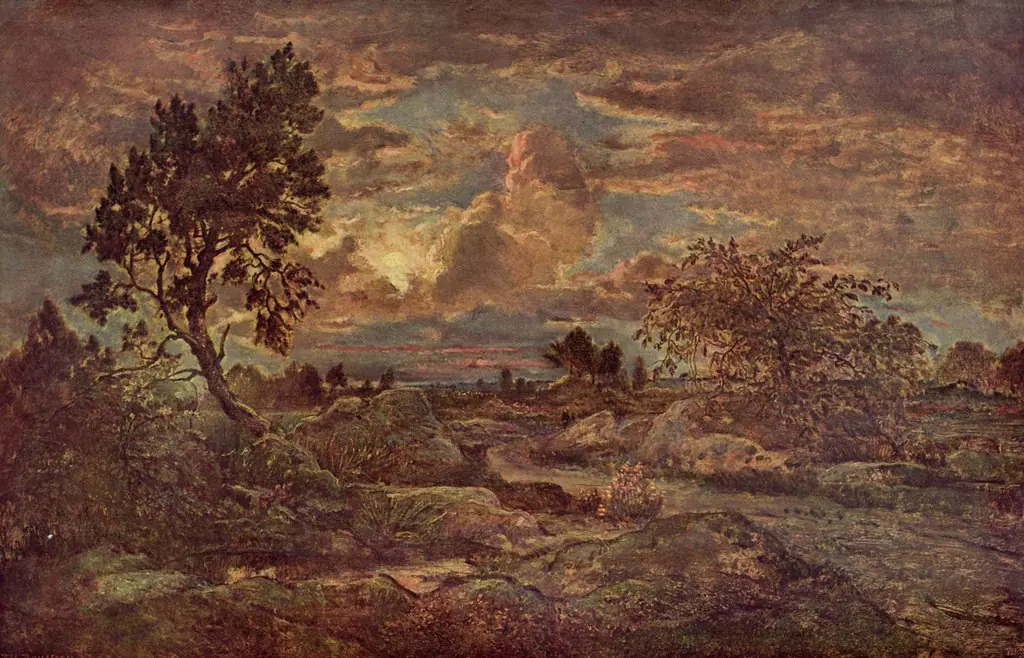
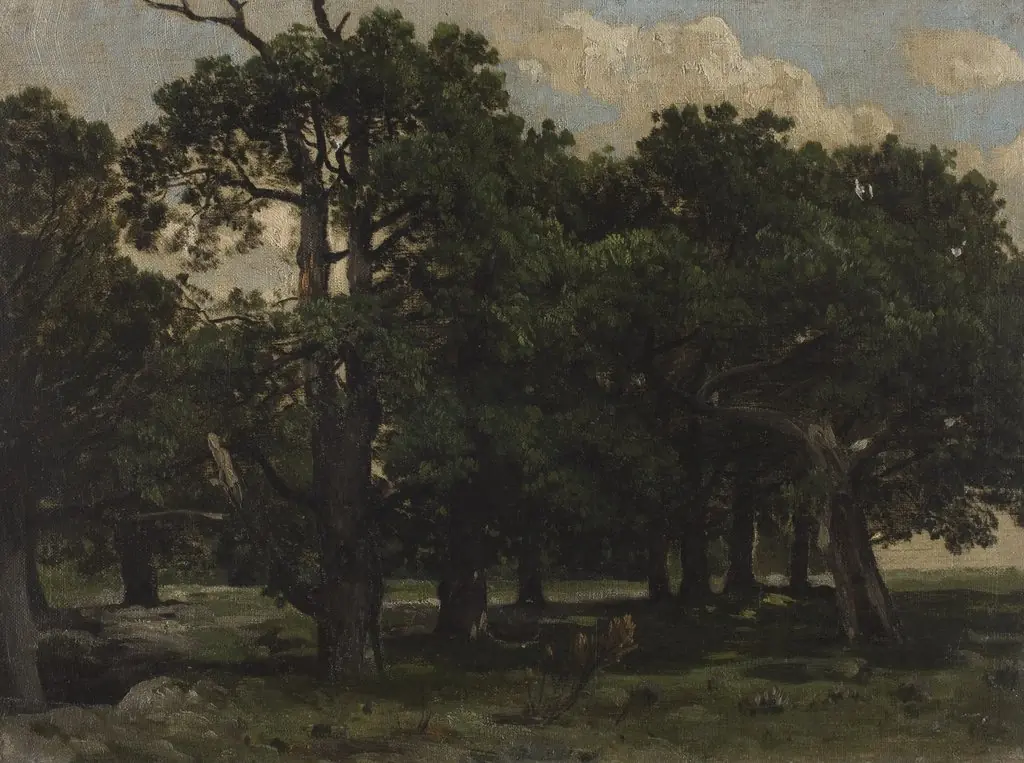
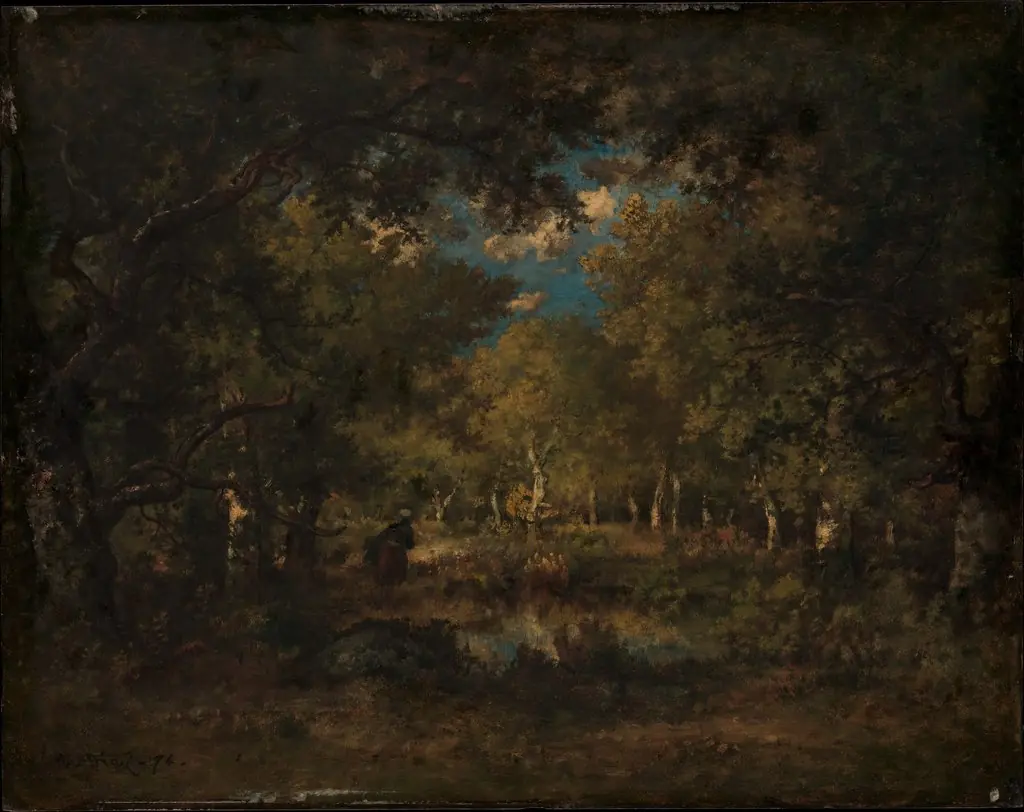
The Oak Tree is an unspecified painting by the Barbizon school artist Théodore Rousseau. It dates from 1850 and is held in the collection of the Cleveland Museum of Art.
About this work
Overview
Painted in 1850 by Théodore Rousseau, *The Oak Tree* is a landscape work rooted in the Barbizon school’s commitment to observing nature directly.
Painted in 1850 by Théodore Rousseau, *The Oak Tree* is a landscape work rooted in the Barbizon school’s commitment to observing nature directly. Rather than idealizing the countryside, Rousseau rendered it with quiet intensity, capturing the mood and structure of a forest without theatrical embellishment. The painting reflects a shift toward authenticity in 19th-century French art, prioritizing the experience of place over narrative or sentiment.
Subject & Meaning
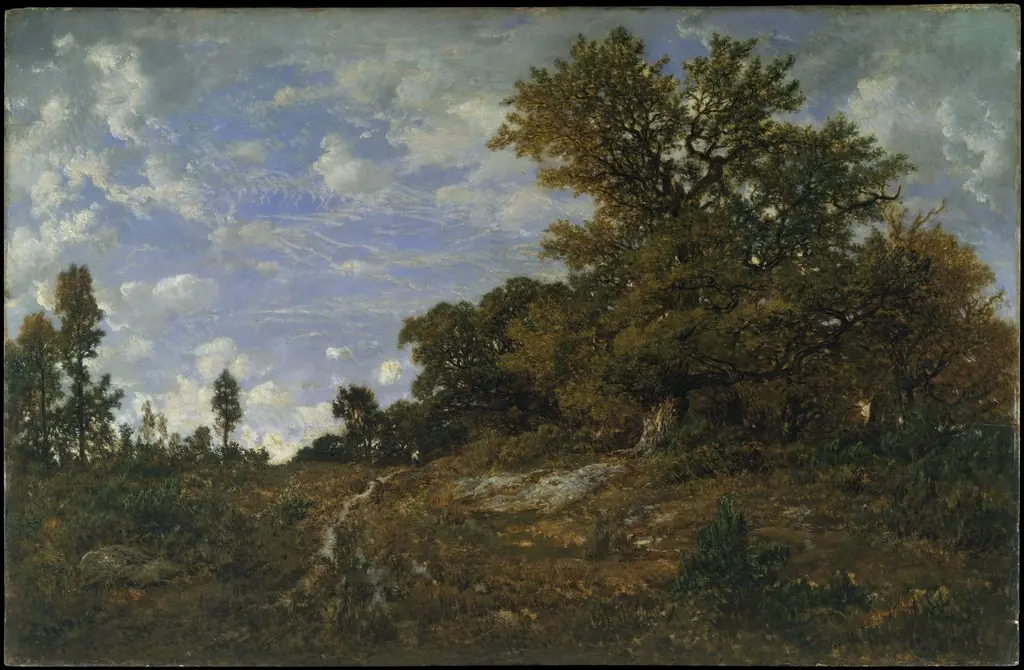
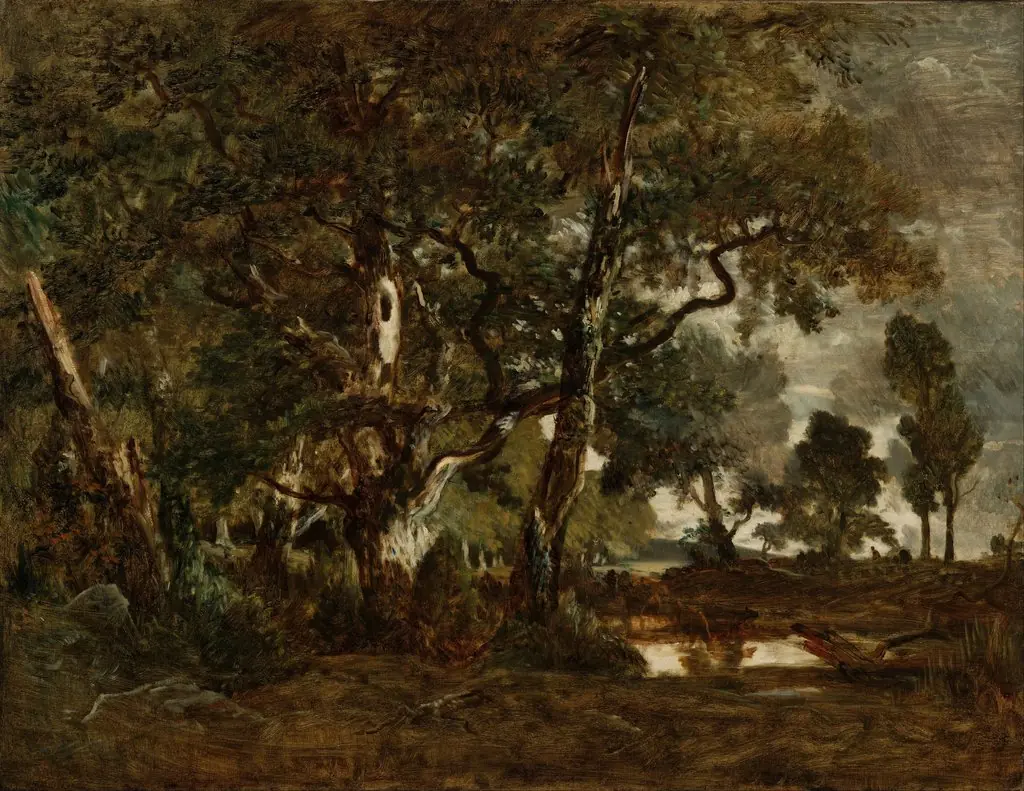
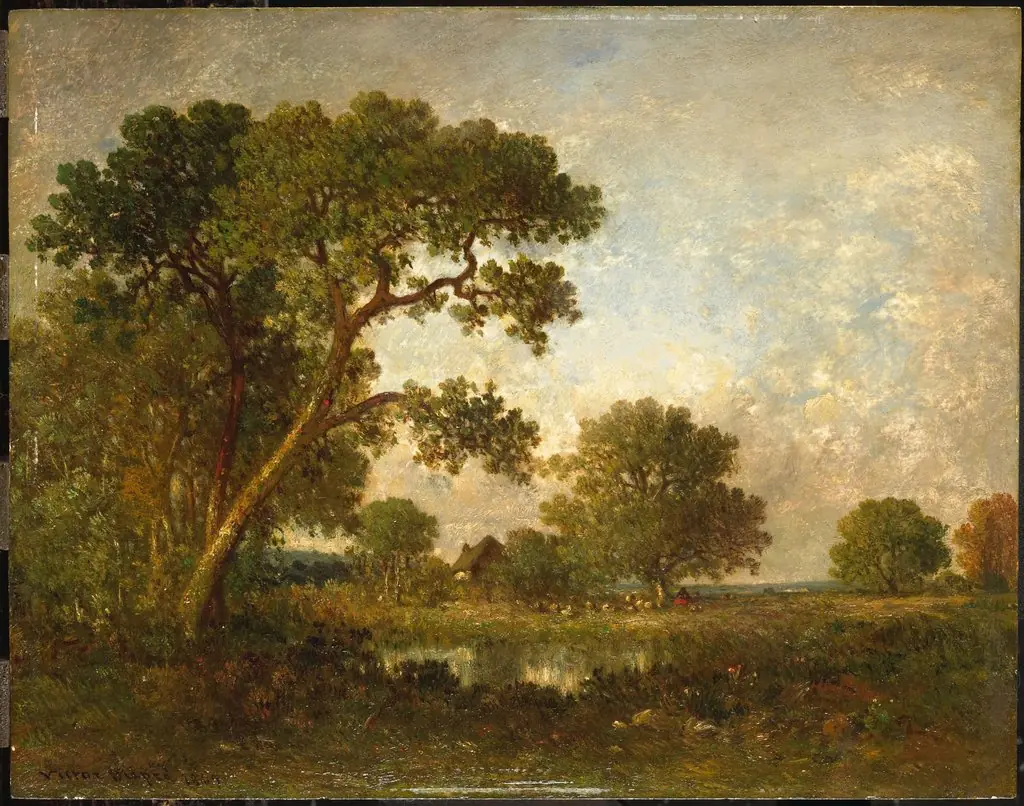
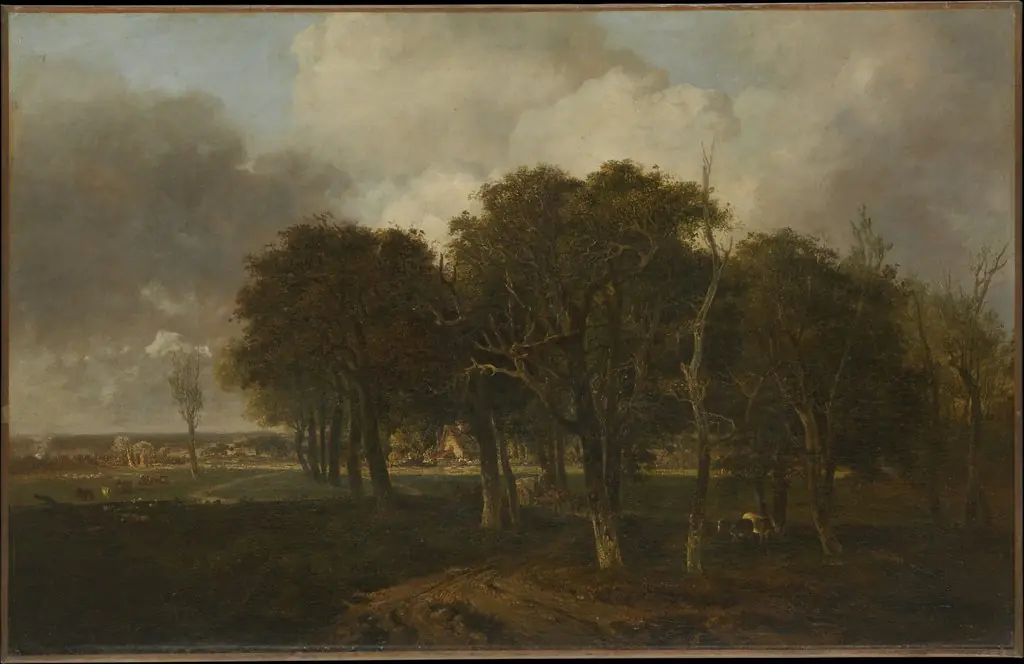
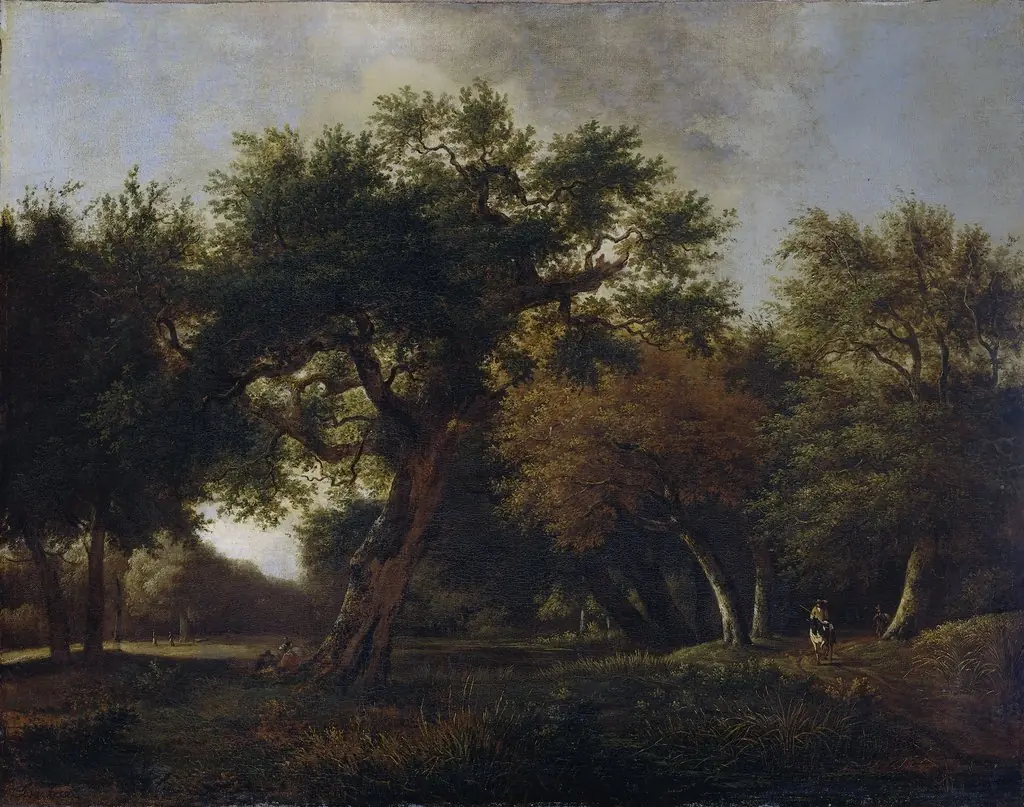
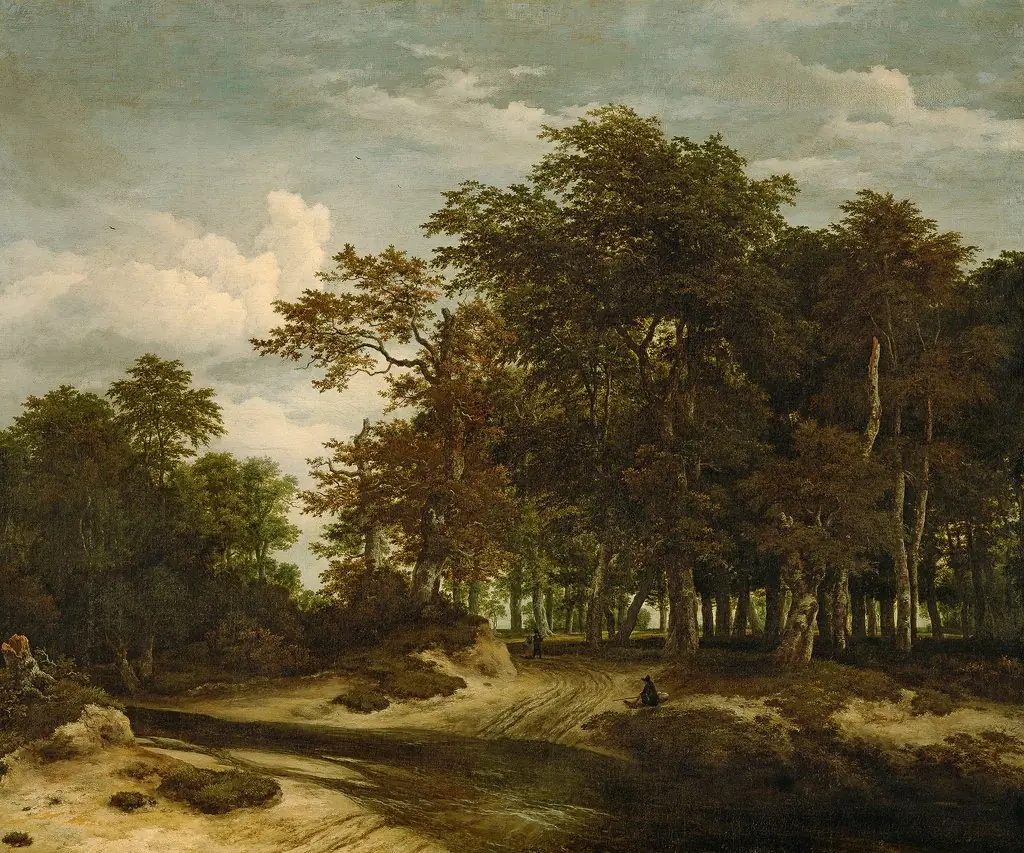
The painting centers on a dense grove of ancient oaks, their massive trunks and branching canopies dominating the composition. A narrow path winds through the undergrowth, suggesting human presence without intrusion. The scene conveys solitude and endurance, emphasizing nature’s quiet authority. Rousseau avoids human figures, allowing the trees themselves to embody resilience and timelessness, aligning with Romantic ideals of nature as sublime and spiritually resonant.
Technique & Style
Rousseau employed loose, textured brushwork to convey the weight and texture of foliage and bark. Dark, layered strokes build shadowed depths, while pale blue glimpses of sky break through the canopy with subtle luminosity. He rejected polished finish in favor of tactile immediacy, letting pigment suggest form rather than define it. This approach prioritized sensory experience over precision, aligning with the Barbizon emphasis on direct observation and emotional response to the natural world.
History & Provenance
Created during Rousseau’s most productive period, *The Oak Tree* was painted near Fontainebleau, where the artist lived and worked among other Barbizon painters. It entered the collection of The Cleveland Museum of Art in the 20th century, following a trajectory common to works by the school—initially overlooked by academic institutions, later recognized for their influence on modern landscape painting. Its preservation reflects growing appreciation for non-academic French art of the mid-1800s.
Context
In mid-19th-century France, academic art favored historical or mythological subjects painted with idealized forms. Rousseau and his peers rejected this, choosing instead to paint rural scenes en plein air, often in the Forest of Fontainebleau. Their work challenged the hierarchy of genres and laid groundwork for Impressionism. *The Oak Tree* exemplifies this movement’s quiet rebellion: nature as worthy subject, observed with honesty and reverence.
Legacy
Rousseau’s focus on unidealized natural forms influenced later generations of landscape painters, including the Impressionists. *The Oak Tree* stands as an early example of how direct observation could transform artistic expression. Its emphasis on atmosphere, texture, and emotional tone helped redefine what a landscape could convey—no longer a backdrop, but a living, breathing entity with its own presence and dignity.
Own this work as a print
Artist & collection
Artist
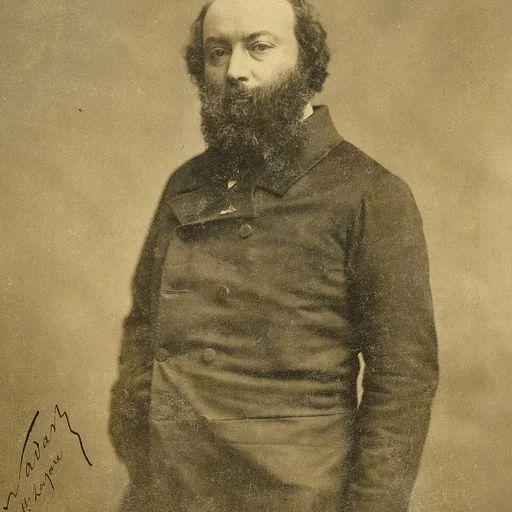
Étienne Pierre Théodore Rousseau (French pronunciation: ; 15 April 1812 – 22 December 1867) was a French painter of the Barbizon school.