Artwork
The Hall, Speke, Lancashire
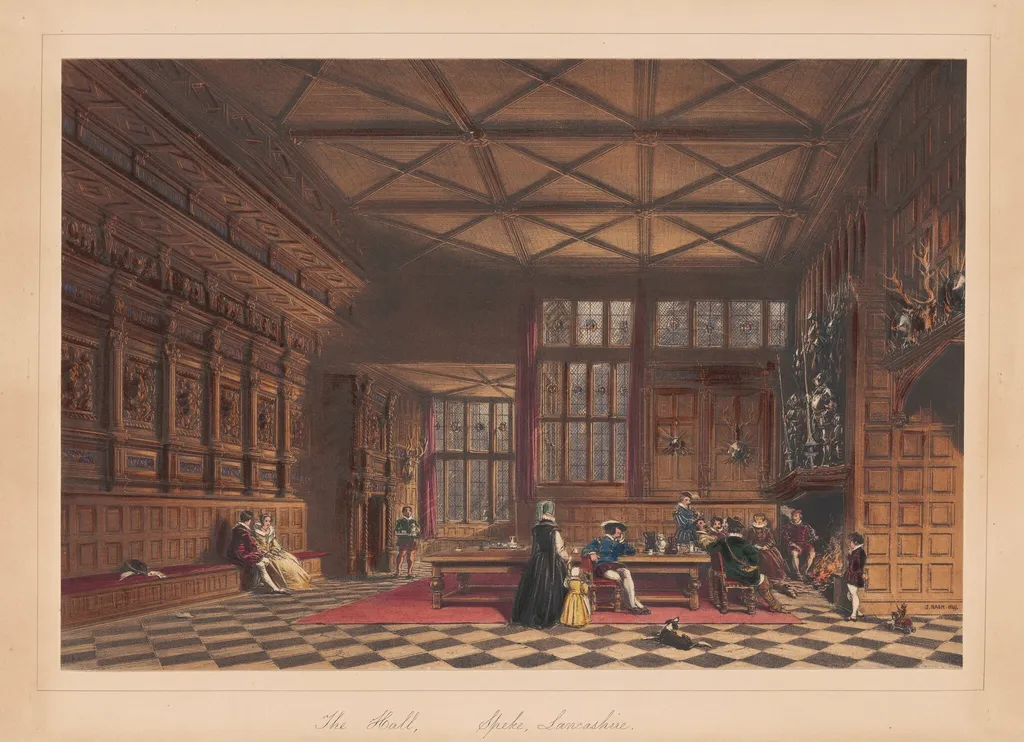
The Hall, Speke, Lancashire is an ink print by the Romanticist artist Joseph Nash. It dates from 1849 and is held in the collection of the National Gallery of Art.
About this work
People in old-fashioned clothes are sitting around, talking and eating, while a dog lies on the floor.
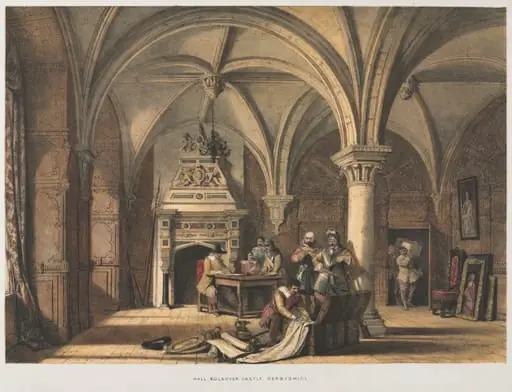
This room looks like a grand old hall with dark wood everywhere—panels, beams, and a high ceiling. People in old-fashioned clothes are sitting around, talking and eating, while a dog lies on the floor. The walls have carved decorations, and big windows let in light through stained glass. A red carpet runs down the middle, and the floor is black-and-white checkered tiles.
The artist made this print in 1849, showing how people lived in fancy houses back then. Notice how the woodwork and furniture look heavy and detailed, like they’re meant to impress.
Want to know more? Check out how lithography works.
Overview
Created in 1849, *The Hall, Speke, Lancashire* is a hand-colored lithograph by Joseph Nash, produced as part of his four-volume series *Mansions of England in the Olden Time*. The work captures the interior of a historic English manor house, rendered with precision and subtle color. Mounted on board, the print reflects Nash’s dedication to documenting aristocratic architecture during a period of rapid social and industrial change in Britain.
Subject & Meaning
The scene depicts the interior of Speke Hall, a timber-framed manor with richly carved oak paneling, stained-glass windows, and a checkered floor. Figures in period dress engage in quiet domestic activity, while a dog rests near the hearth. The composition conveys a sense of settled tradition, emphasizing the continuity of elite domestic life. Nash’s focus on architectural detail suggests an interest in preserving the material culture of a vanishing social order.
Technique & Style
Nash employed lithography, a method allowing fine line work and tonal gradation, enhanced by delicate hand-coloring to simulate the warmth of wood, the glow of stained glass, and the texture of textiles. The composition is carefully balanced, with strong verticals in the paneling and horizontal lines in the floor and ceiling. Attention to surface detail—carvings, fabric folds, and lighting—reflects his background in watercolor and his commitment to architectural accuracy.
History & Provenance
The print was produced in 1849 as the final volume of Nash’s *Mansions of England in the Olden Time*, a project spanning a decade and commissioned to record historic houses before they were altered or lost. The work entered the collection of the National Gallery of Art in Washington, D.C., where it remains as part of a broader archive of 19th-century British architectural documentation.
Context
During the 1840s, interest in England’s architectural heritage surged amid industrialization and urban expansion. Nash’s project responded to a growing cultural anxiety about the loss of historic buildings. His depictions, though idealized, served as visual records for antiquarians and the public, reinforcing a romanticized view of pre-industrial domestic life among the landed gentry.
Legacy
Nash’s lithographs, including *The Hall, Speke, Lancashire*, became reference points for later historians and preservationists. While not strictly documentary, they shaped public perception of historic interiors and influenced architectural restoration efforts in the late 19th century. The work endures as a testament to the intersection of art, memory, and the material past in Victorian Britain.
Artist & collection
Artist
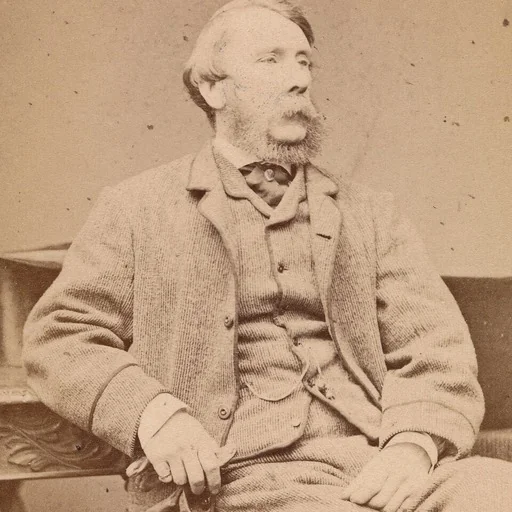
Joseph Nash (17 December 1809 – 19 December 1878) was an English watercolour painter and lithographer, specialising in historical buildings. His major work was the 4-volume Mansions of England in the Olden Time, published from 1839–49.

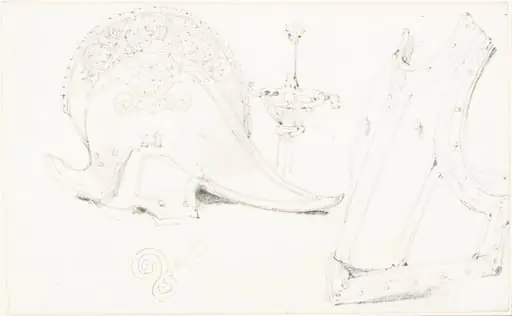 Study of a Helmet, Breastplate, and Rapier
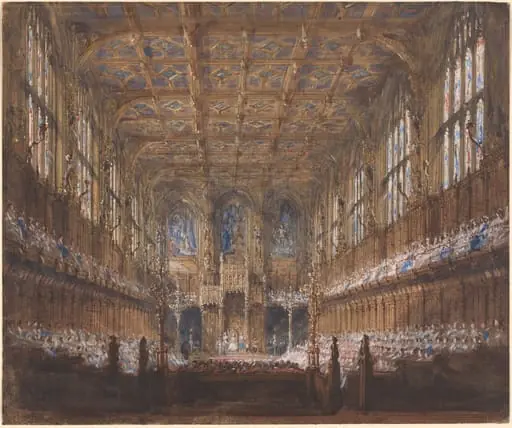 The State Opening of Parliament in the Rebuilt House of Lords
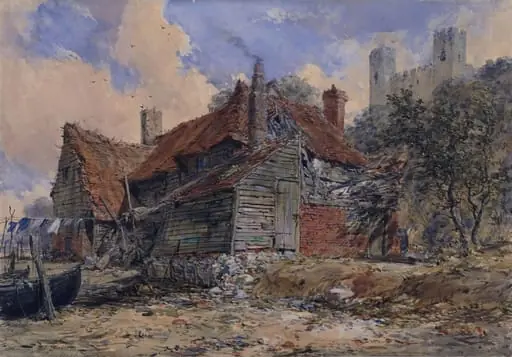 Rochester
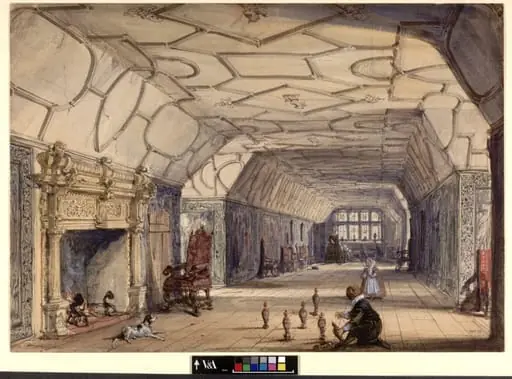 The gallery at Knole House, near Sevenoaks
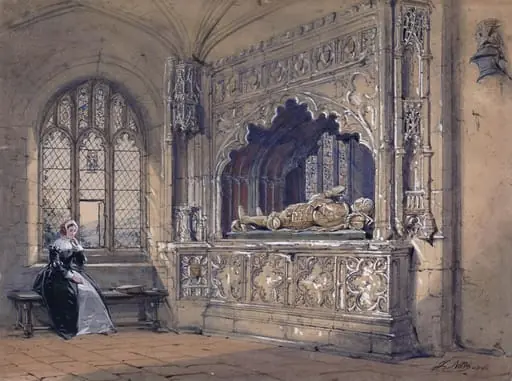 The supposed tomb of Thomas Fiennes, in Herstmonceux Church, Sussex, looking south-east from the North Chapel
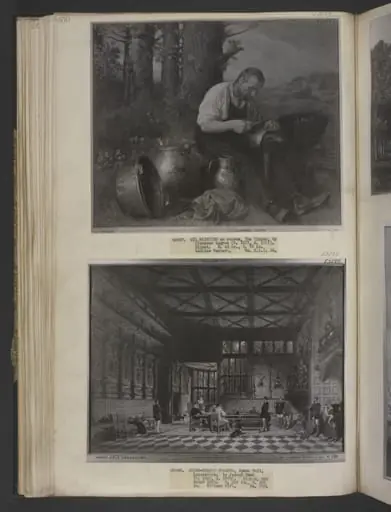 Speke Hall, Lancashire
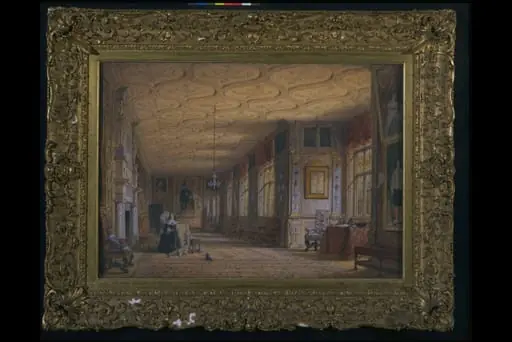 The Cartoon Gallery at Knole
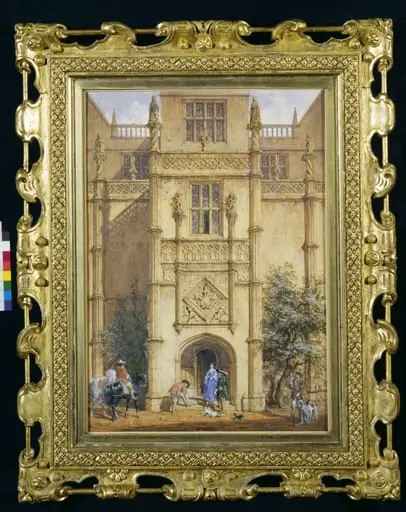 The Porch at Montacute House, Somerset
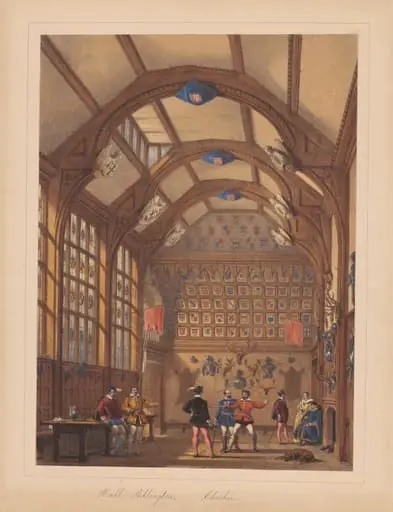 Hall, Adlington, Cheshire
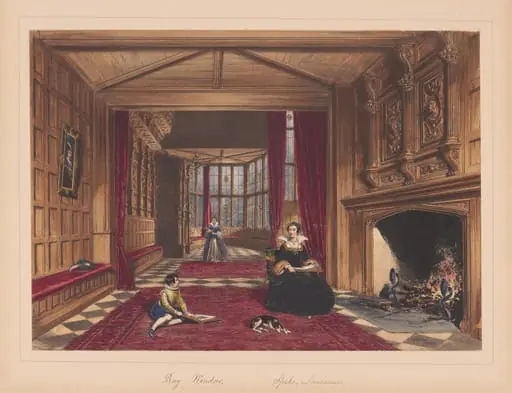 Bay window on the Hall, Speke, Lancashire
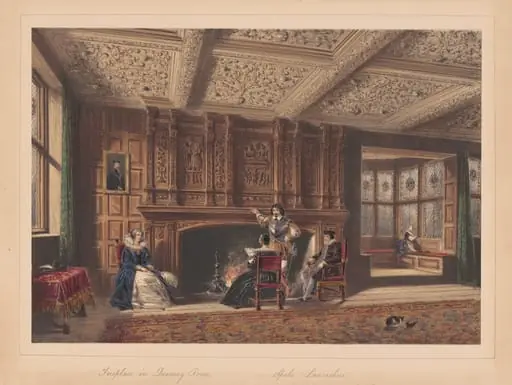 Fireplace in the Drawing Room, Speke, Lancashire
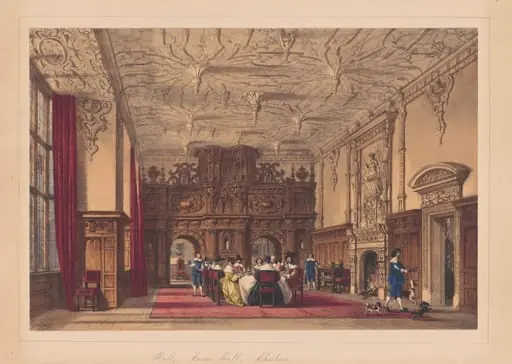 Hall, Crewe Hall, Cheshire
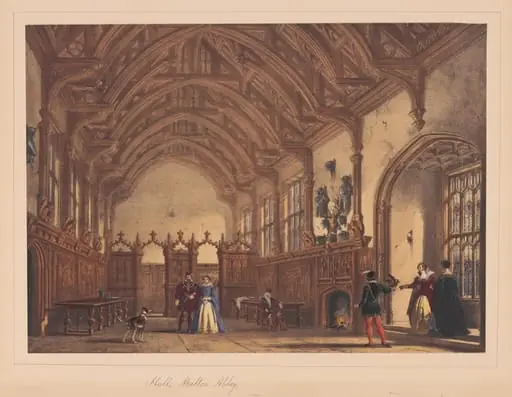 Hall, Milton Abbey
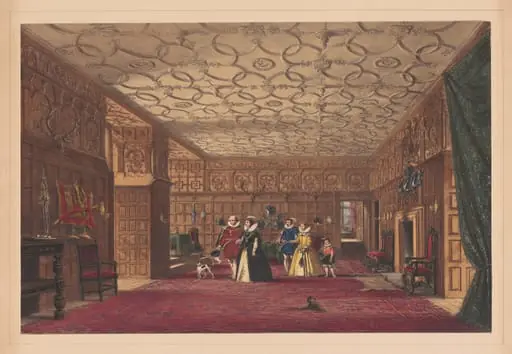 The Hall, Levens, Westmorland
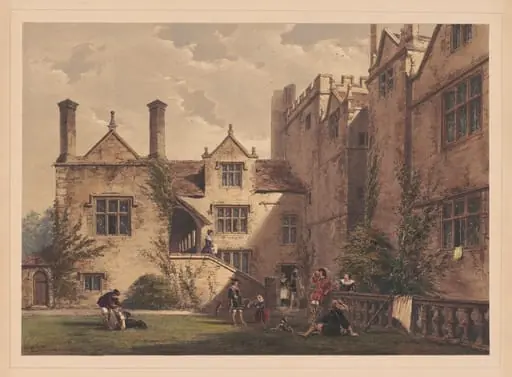 Borwick Hall, Lancashire
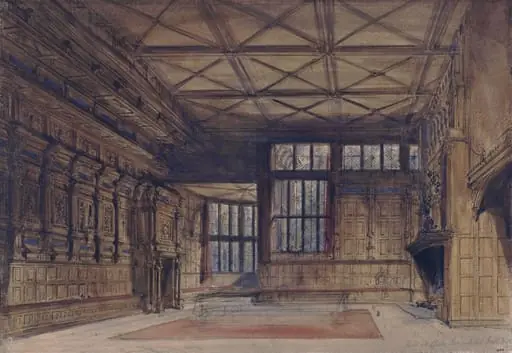 The Hall at Speke, Lancashire
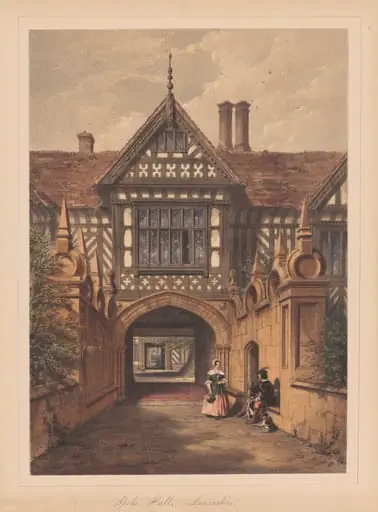 Speke Hall, Lancashire
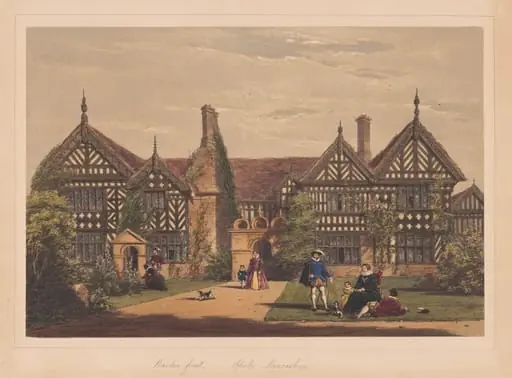 Garden Front, Speke, Lancashire
 Hall, Bolsover Castle, Derbyshire