Artwork
Self-Portrait with an Easel
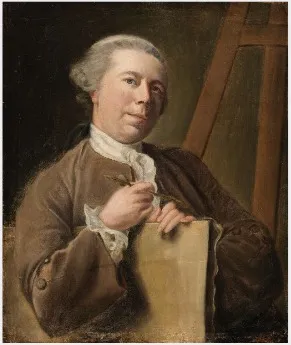
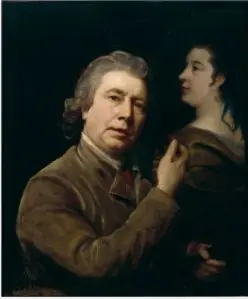
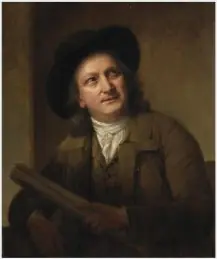
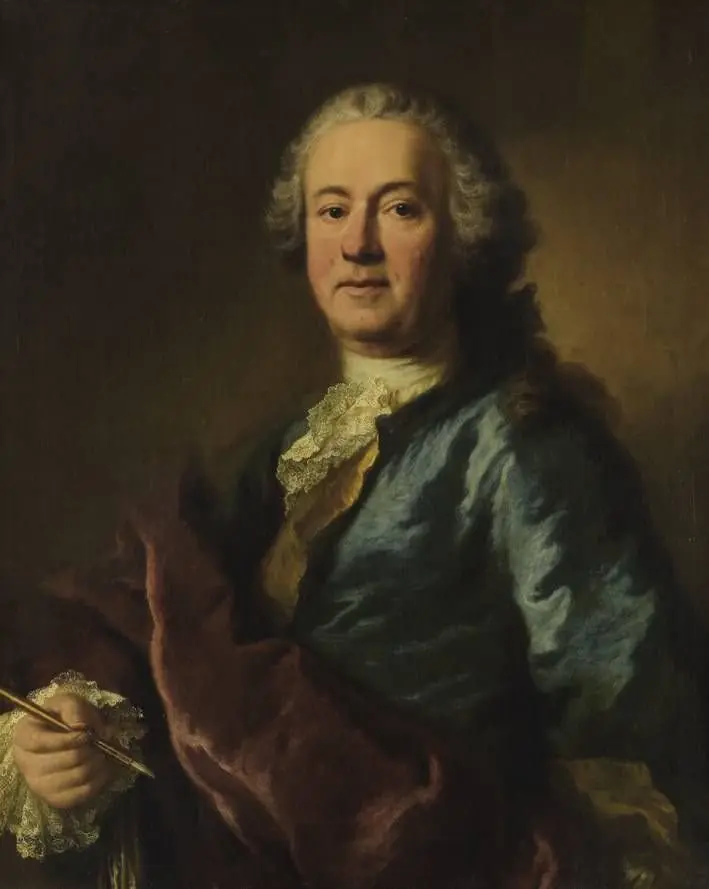
Self-Portrait with an Easel is an oil painting by the Rococo painting artist Nathaniel Hone the Elder. It dates from 1747 and is held in the collection of the National Gallery of Ireland.
About this work
Overview
The painting is now part of the National Gallery of Ireland’s collection, where it remains a quiet testament to his professional identity.
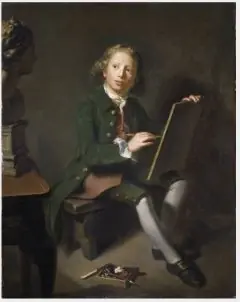
Nathaniel Hone the Elder painted this self-portrait in 1747 using oil on canvas. The work presents the artist seated before an easel, tools in hand, engaged in the act of creation. Though not formally trained in Italy or France, Hone developed a refined approach to portraiture rooted in British and Irish traditions. The painting is now part of the National Gallery of Ireland’s collection, where it remains a quiet testament to his professional identity.
Subject & Meaning
The portrait shows Hone in his working attire, capturing himself not as a noble figure but as a practitioner of his craft. The easel, palette, and brush are not mere props—they signify his commitment to painting as a disciplined trade. His gaze is directed outward, as if inviting the viewer into his creative space, emphasizing identity through labor rather than status or ornament.
Technique & Style
Hone employed a restrained palette of earth tones and muted light, avoiding the florid embellishments typical of Rococo. His brushwork is precise but unshowy, focusing on texture in fabric and the subtle modeling of facial features. The composition is balanced and intimate, with the easel framing the figure and the canvas behind suggesting the ongoing nature of artistic work rather than a finished product.
History & Provenance
Painted nearly two decades before the founding of the Royal Academy, this self-portrait predates Hone’s institutional prominence. It likely served as a personal statement of his artistic vocation. The work entered the National Gallery of Ireland’s collection in the 19th century, where it has remained as one of the earliest surviving self-representations by an Irish-born artist of the period.
Context
In mid-18th-century Britain and Ireland, artists often relied on portraiture for patronage. Hone’s choice to depict himself at work reflects a growing professional consciousness among painters seeking recognition beyond mere craftsmanship. His later role in founding the Royal Academy underscores his investment in elevating painting as a learned discipline, a sentiment mirrored in this early image.
Legacy
Though less widely known than contemporaries, Hone’s self-portrait stands as a significant early example of an Irish artist asserting his identity through his profession. It offers insight into the quiet dignity of artistic labor before institutional structures fully recognized painters as intellectuals. The painting endures as a record of personal and professional self-definition in a transitional era for British art.
Artist & collection
Artist
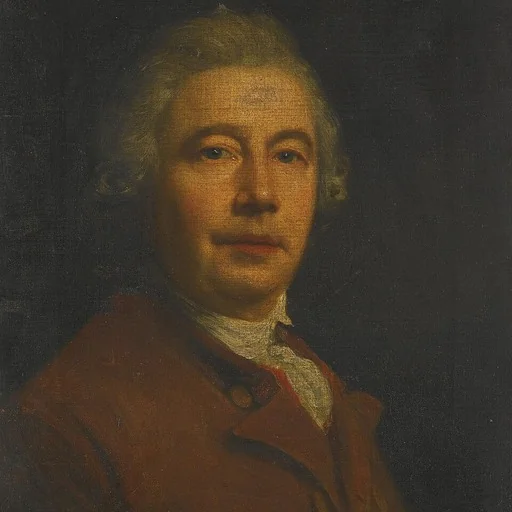
Nathaniel Hone (24 April 1718 – 14 August 1784) was an Irish-born portrait and miniature painter, and one of the founder members of the Royal Academy in 1768.