Artwork
Nicolas Bertin (1667–1736)
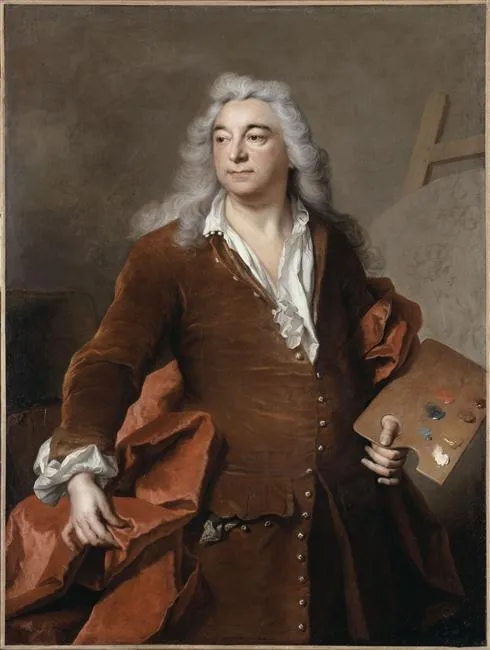
Nicolas Bertin (1667–1736) is an oil painting by the Rococo painting artist Jacques-François Delyen. It dates from 1709 and is held in the collection of the Palace of Versailles.
About this work
Overview
This 1709 portrait by Jacques-François Delyen captures the French painter Nicolas Bertin, who lived from 1667 to 1736.
This 1709 portrait by Jacques-François Delyen captures the French painter Nicolas Bertin, who lived from 1667 to 1736. Executed in oil on canvas, the work is part of the collection at the Palace of Versailles. It presents Bertin in a composed, introspective pose, emphasizing his identity as an artist through carefully chosen attributes and a restrained palette that reflects the formal conventions of early 18th-century French portraiture.
Subject & Meaning
Bertin is portrayed as a practicing artist, holding a palette in his left hand and a red cloth in his right—tools of his trade. His long, white curls and dignified bearing suggest maturity and professional stature. The inclusion of these objects, rather than symbols of nobility or wealth, signals a shift toward honoring artistic vocation. The calm expression and direct gaze convey quiet confidence, aligning the sitter with intellectual and creative authority.
Technique & Style
Delyen employs chiaroscuro to model Bertin’s face and garments, lending volume and realism to the velvet jacket and ruffled shirt. The brushwork is precise yet unobtrusive, favoring texture over flourish. The background, with its faintly patterned wall and partial easel, provides context without distraction. The muted tones—browns, creams, and deep reds—create harmony, while the red cloth draws subtle attention to the hand, reinforcing the sitter’s role as a maker.
History & Provenance
The portrait was completed in 1709 and entered the royal collection at Versailles, likely through institutional or courtly patronage. Its preservation within the palace suggests Bertin’s standing among artists connected to the French court. No record of later ownership changes exists, indicating continuous state custody since its creation, a testament to its perceived cultural value during the ancien régime.
Context
In early 18th-century France, portraiture of artists was increasingly used to affirm their status within the Académie Royale. Bertin, a member of this institution, was depicted not as a nobleman but as a craftsman—his tools and attire signaling professional identity. Delyen, a respected portraitist of the period, contributed to this trend, aligning artistic representation with emerging ideals of merit and skill over birthright.
Legacy
The portrait remains a key visual document of French artistic identity in the early Enlightenment. It reflects how painters were beginning to be seen as thinkers and professionals, not merely artisans. Though Delyen’s name is less known today, this work endures as a quiet but significant record of an artist’s self-presentation, preserved in one of Europe’s most important royal collections.
Artist & collection

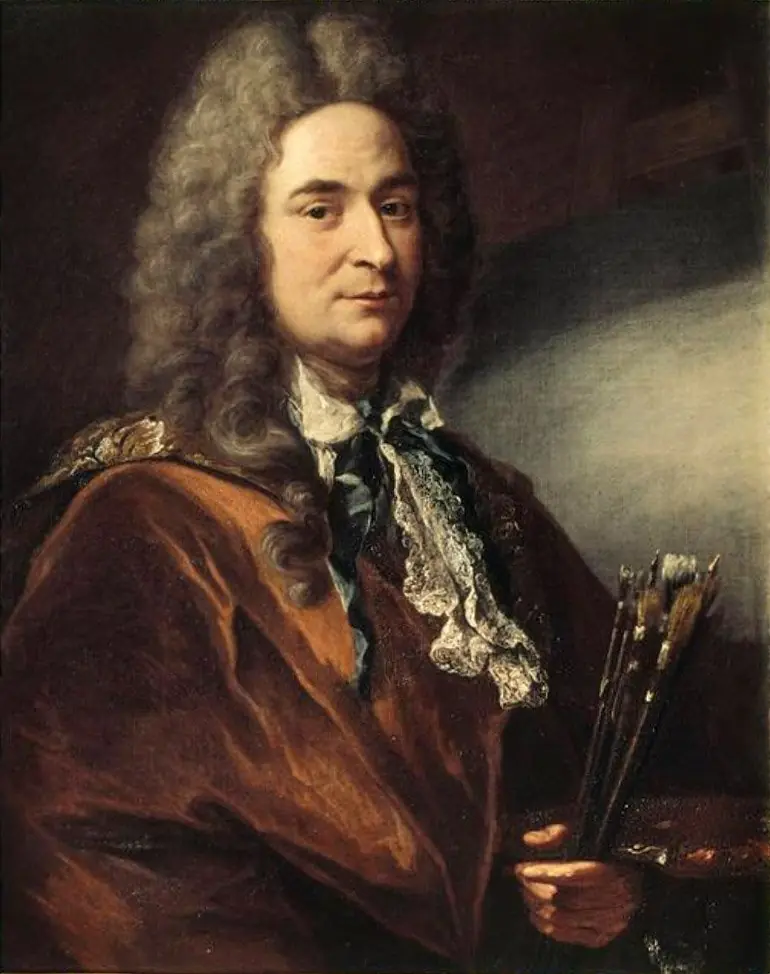 Self-portrait
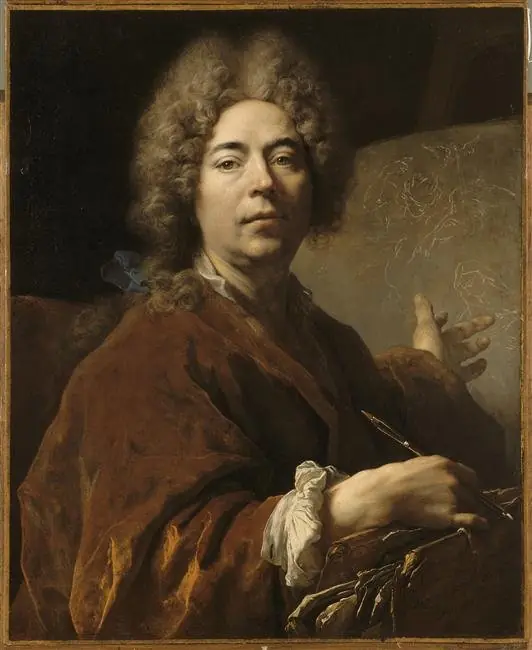 Nicolas de Largillière représenté en 1711, travaillant à une Annonciation
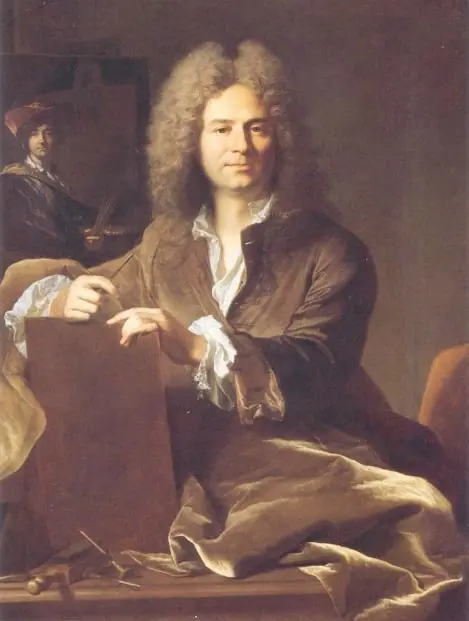 Portrait de Pierre Drevet
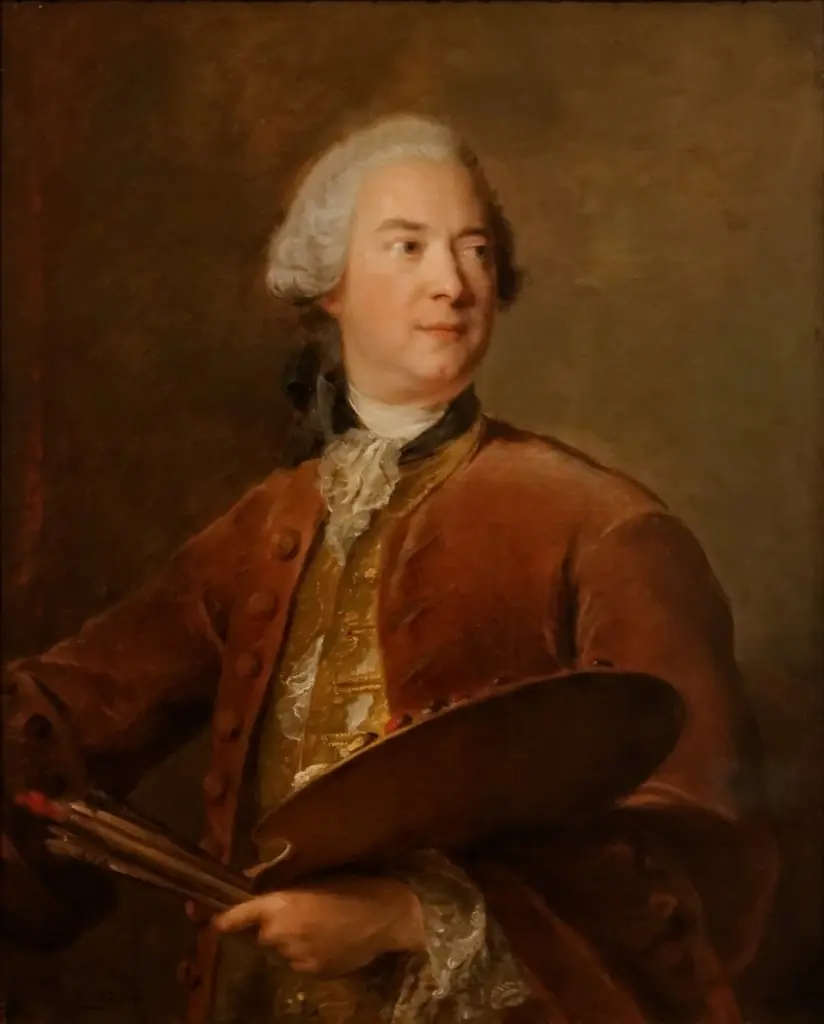 Portrait of Louis Tocqué
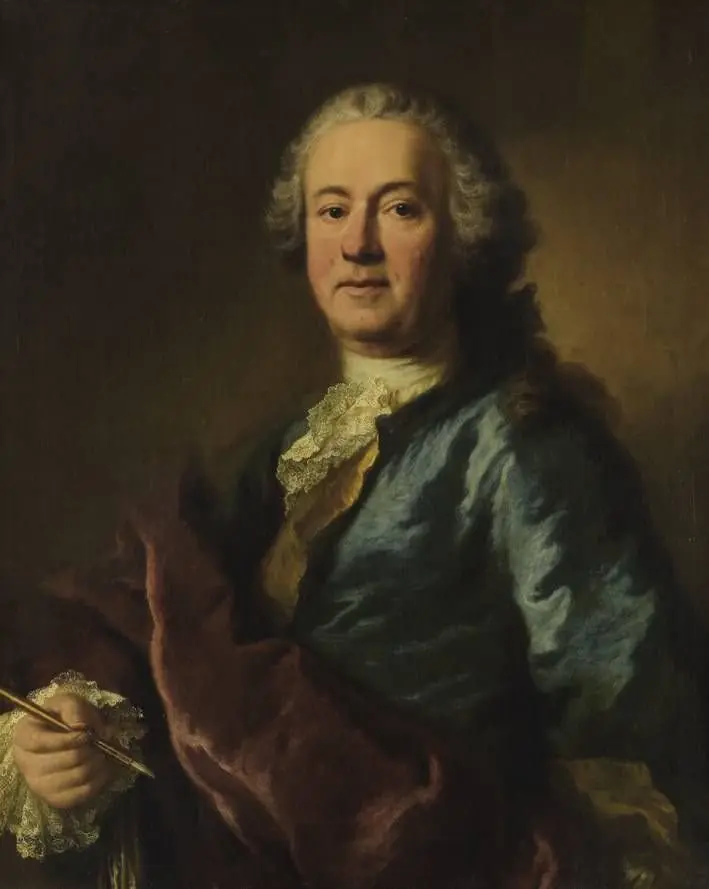 Bildnis des Hofmalers Balthasar August Albrecht (1687-1765)
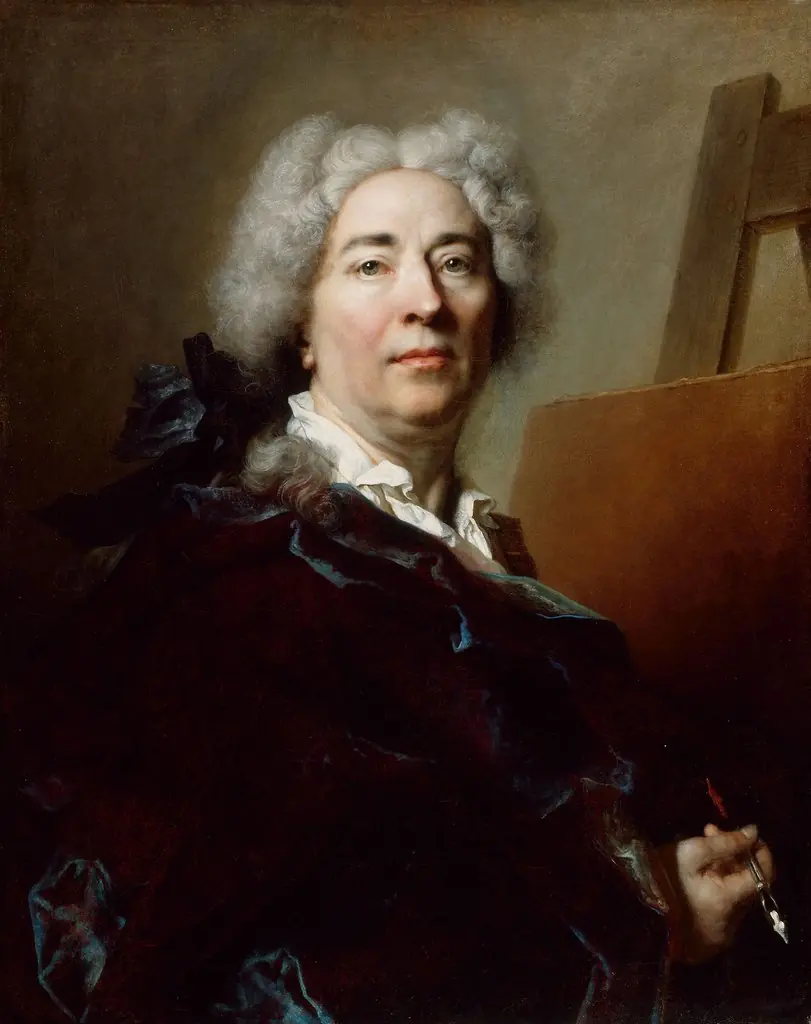 Self-Portrait
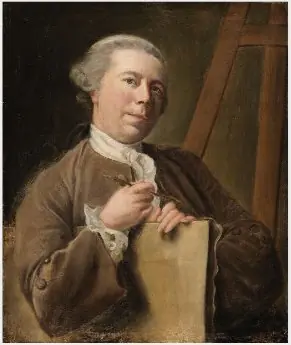 Self-Portrait with an Easel
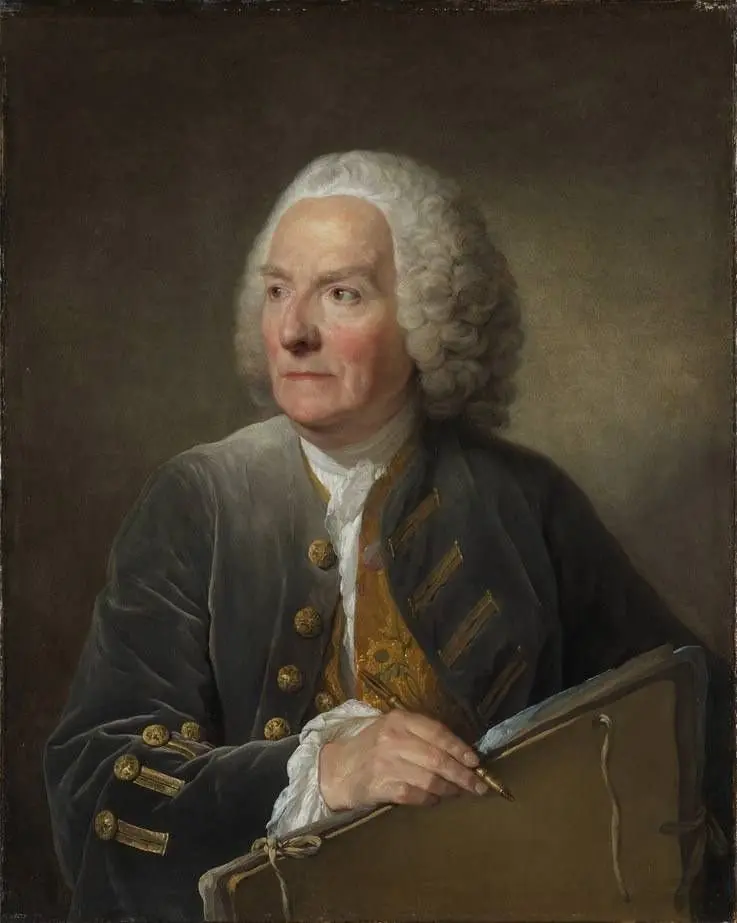 Louis de Silvestre d. J.
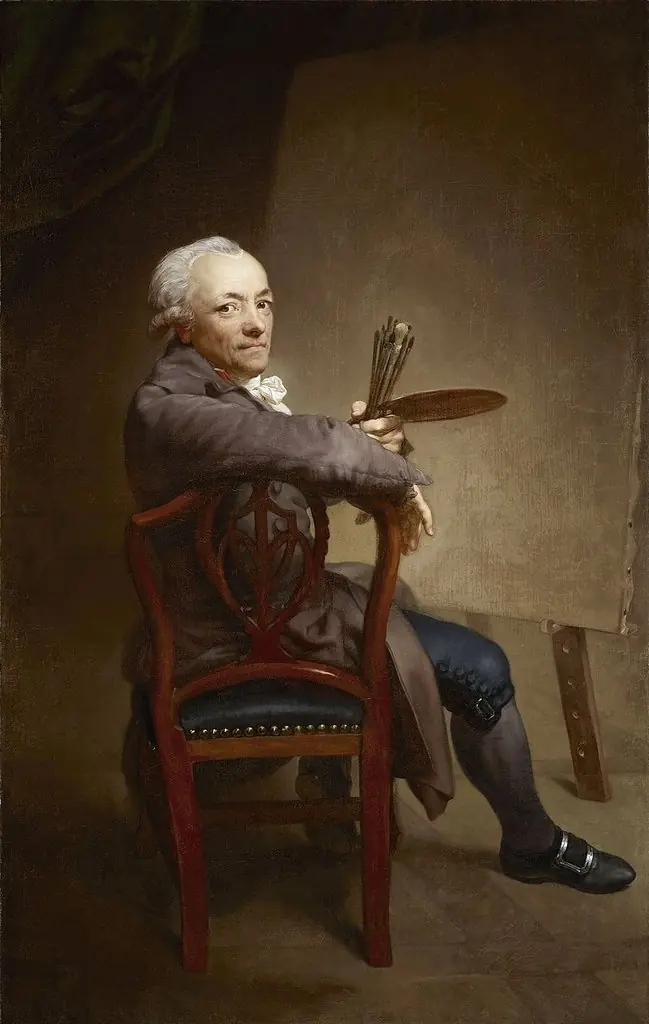 Self-Portrait at the Age of 58
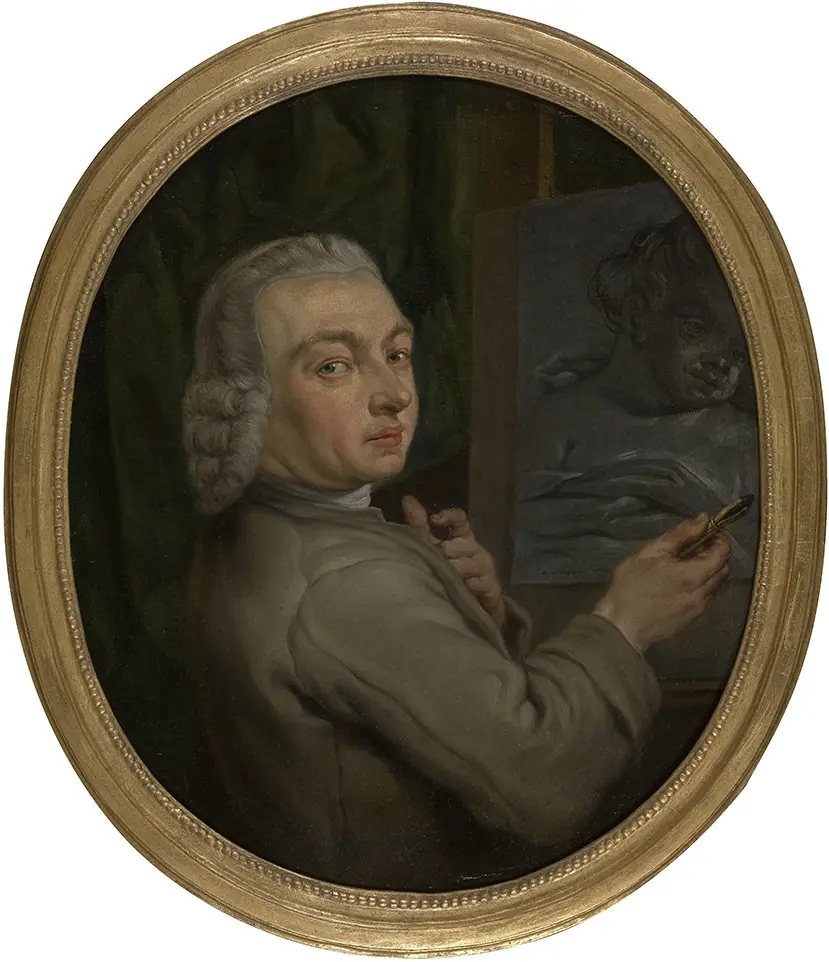 Zelfportret
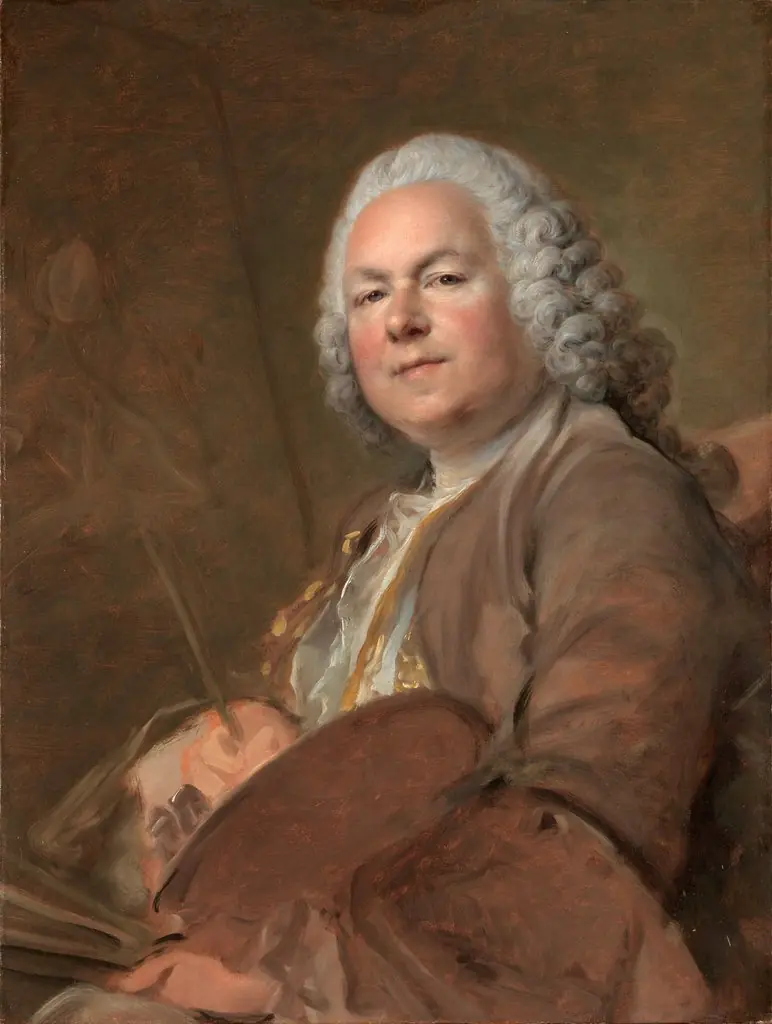 Jean Marc Nattier (1685–1766)
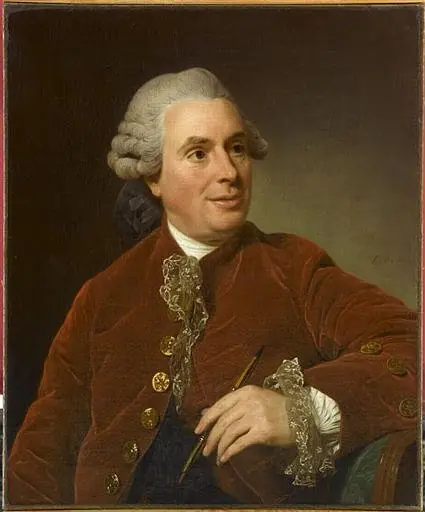 Charles-Nicolas Cochin (1715-1790)