Artwork
Cascadă
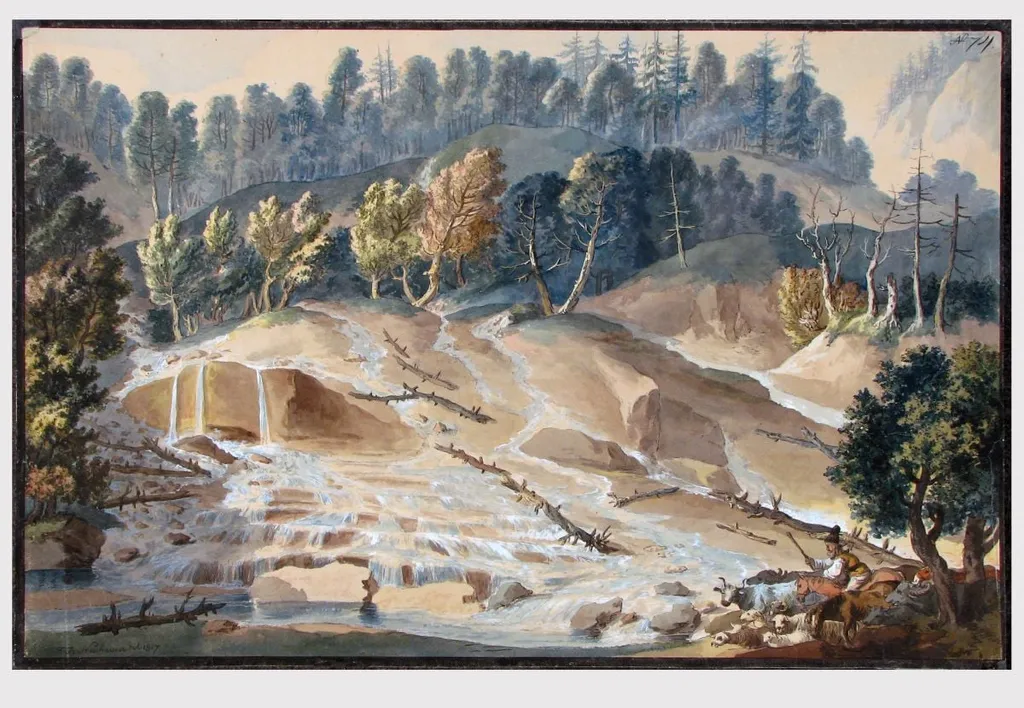
Cascadă is a print by Franz Neuhauser. It is held in the collection of the Brukenthal National Museum. This print depicts a secluded river valley with a waterfall obscured by a rocky outcrop.
About this work
Overview
This print depicts a secluded river valley with a waterfall obscured by a rocky outcrop. The composition emphasizes natural irregularity—gnarled trees, undulating hills, and a winding stream—creating a sense of quiet wilderness. Soft modeling of light and shadow suggests spatial depth, while muted earth tones dominate, punctuated by a pale yellow glow where water emerges from shadow.
Subject & Meaning
The scene presents an untamed landscape, untouched by human presence. Animals grazing near the stream imply a fragile harmony between life and environment. The hidden waterfall, revealed only by its luminous glow, suggests mystery and the unseen forces of nature, inviting contemplation rather than dramatic spectacle.
Technique & Style
The artist employs chiaroscuro to model form and space, using subtle gradations of tone to distinguish rock, foliage, and water. Lines are loose and organic, avoiding sharp definition, while the palette restricts itself to browns, greens, and a single pale highlight. This restrained use of color and light enhances the atmospheric realism of the scene.
History & Provenance
The work is an image print, likely produced in the 19th century, though the artist and exact origin remain undocumented. Its technical approach aligns with Romantic-era landscape traditions, but without clear ties to known schools or collectors. Its survival suggests private circulation rather than public exhibition.
Context
Created during a period when European artists increasingly turned to wild, unspoiled nature as a counterpoint to industrialization, this print reflects a broader cultural interest in solitude and the sublime. Unlike grand alpine vistas, it focuses on intimate, lesser-known terrain, emphasizing quietude over awe.
Legacy
Though not widely reproduced or studied, the print contributes to a quieter strand of landscape art that values observation over spectacle. Its emphasis on subtle light and unidealized terrain anticipates later naturalist approaches in printmaking, influencing artists who sought authenticity over romanticized grandeur.
Artist & collection
Artist
Franz Neuhauser made etchings and prints of Transylvanian landscapes and ruins in the early 1800s.

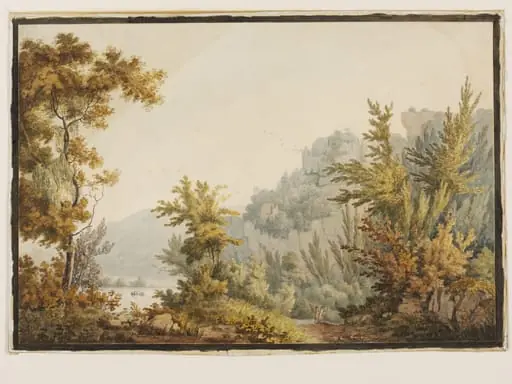 Landscape with Lake and Cliffs
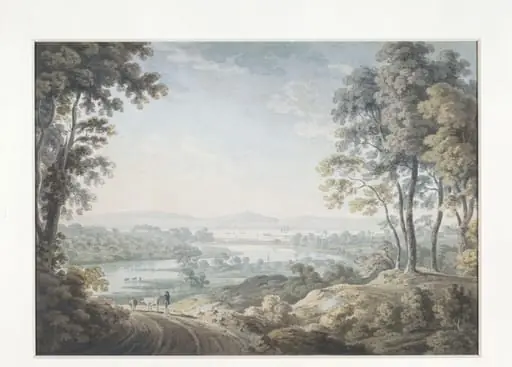 Lymington River, with the Isle of Wight in the distance
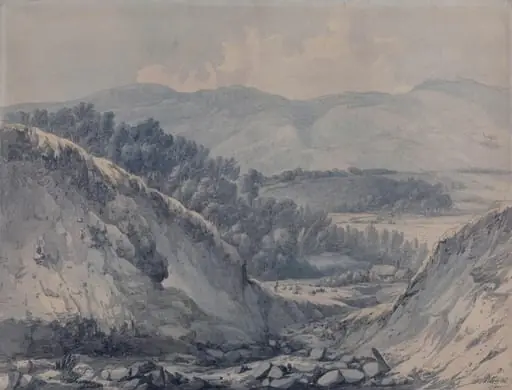 Near Dolgelly
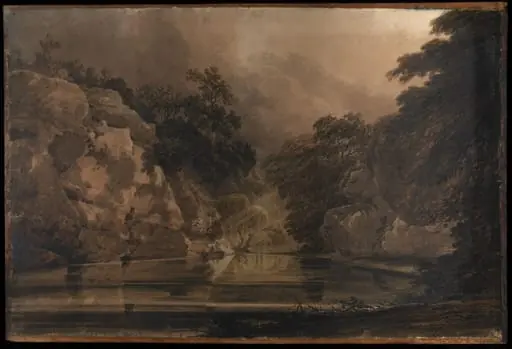 Plumpton Rocks
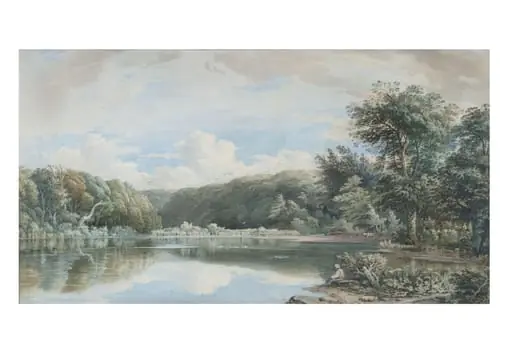 Pool and woods at Wotton, near Dorking
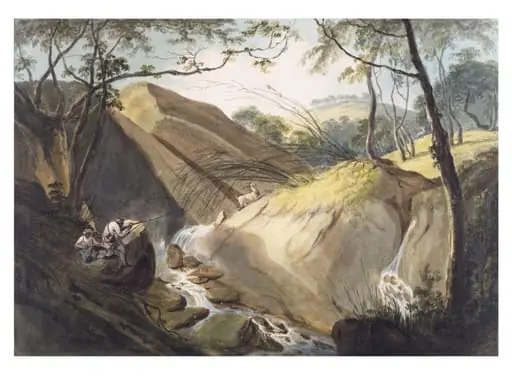 Deer shooting near Monghyr
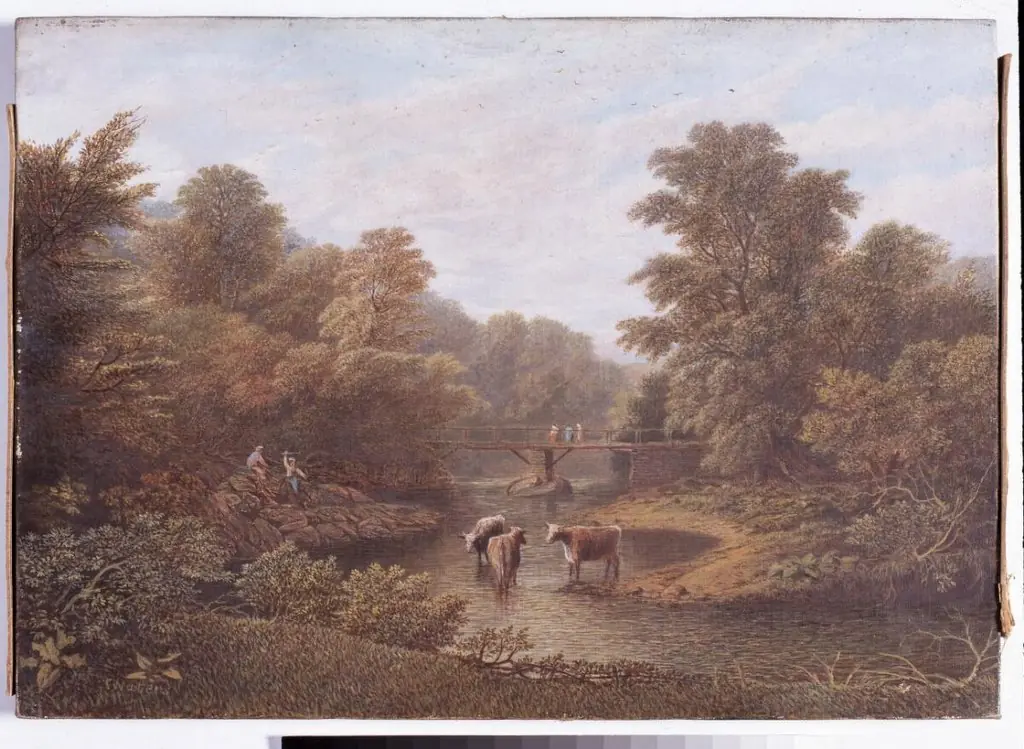 View taken form Pwllypant house
 Landscape with Waterfall
 The Daryles, Ireland
 Peamore, Devon
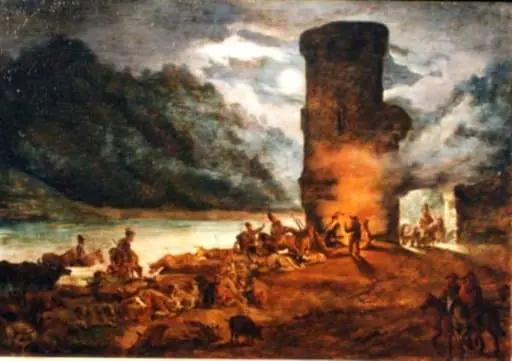
 Peisaj stâncos cu ruine; pandant: Peisaj muntos cu ruine