Artwork
Pinnacle with Angel
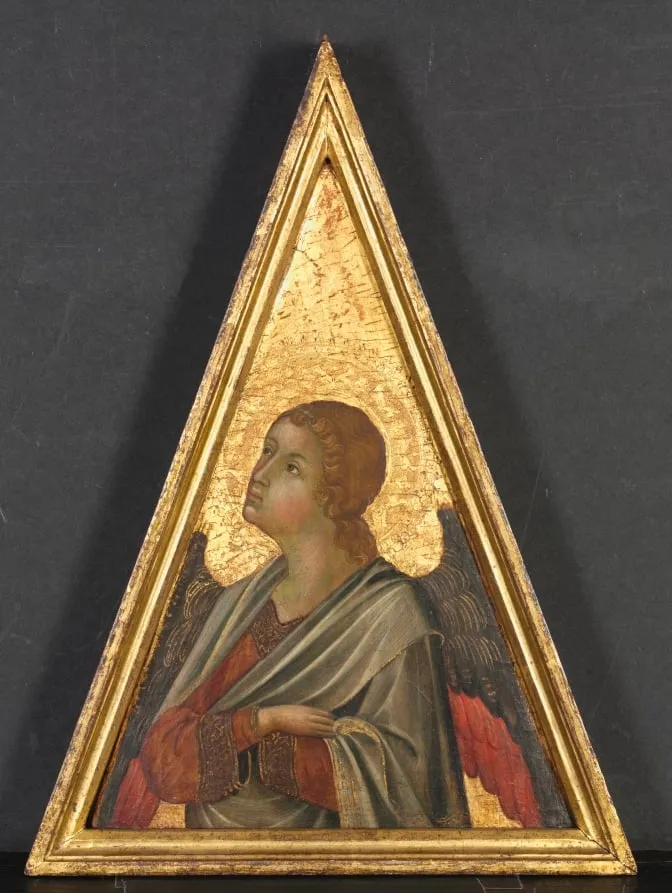
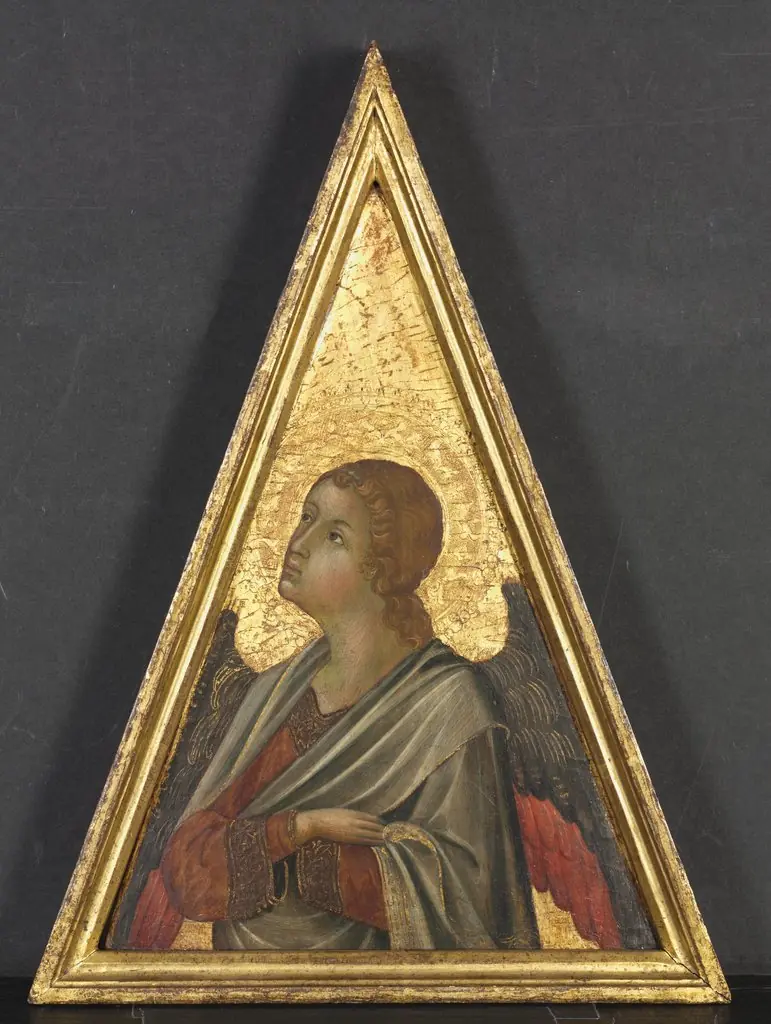
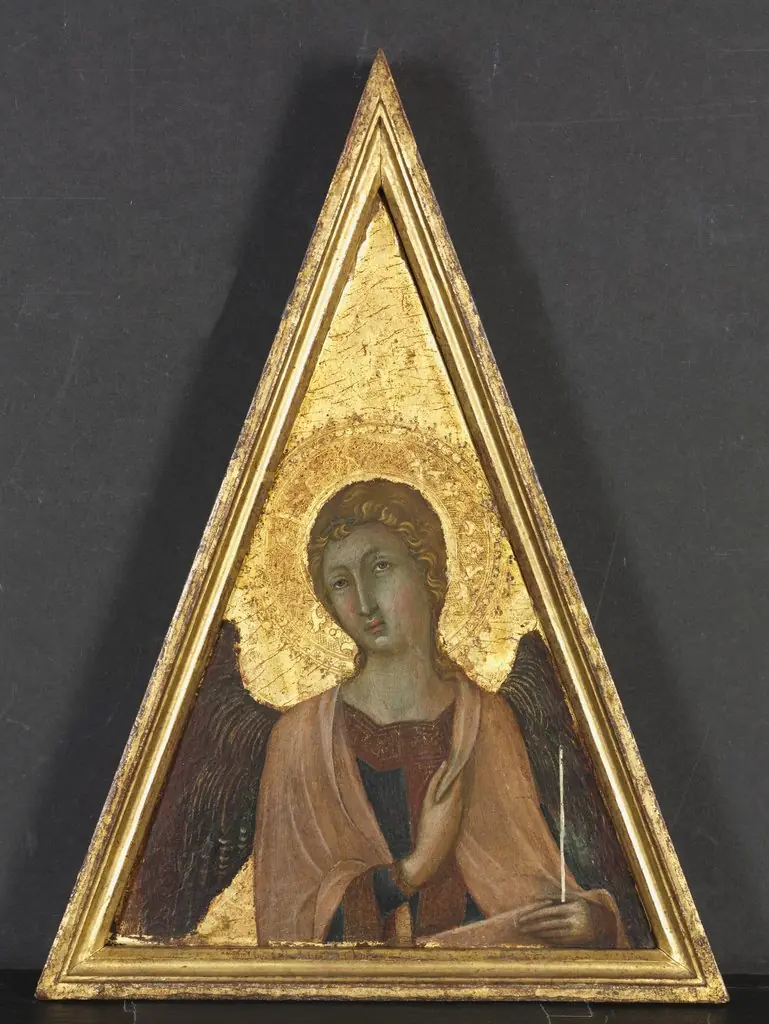
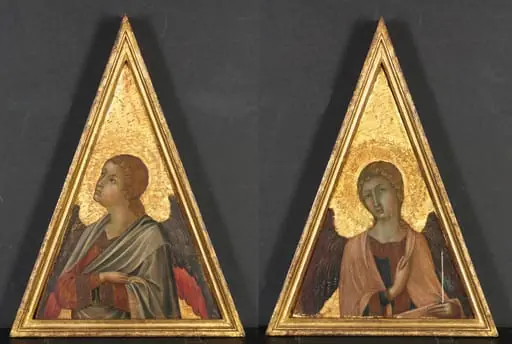
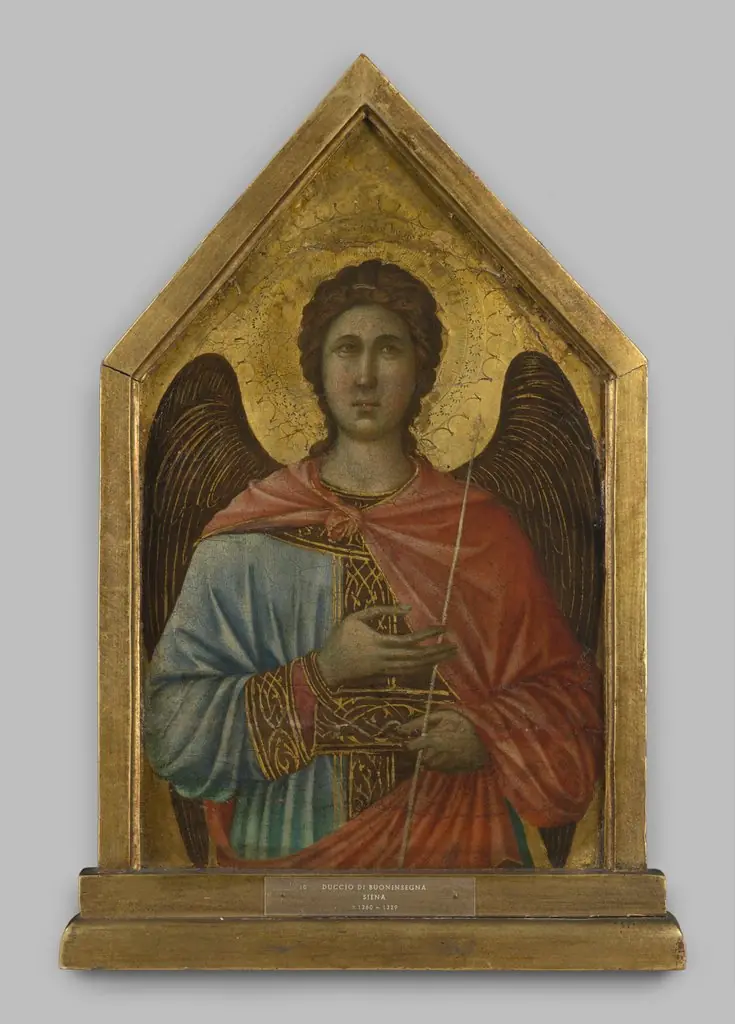
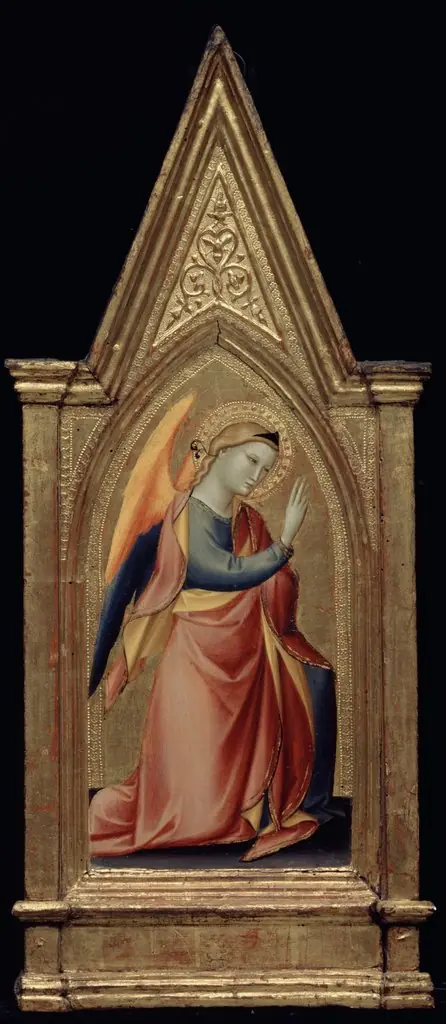
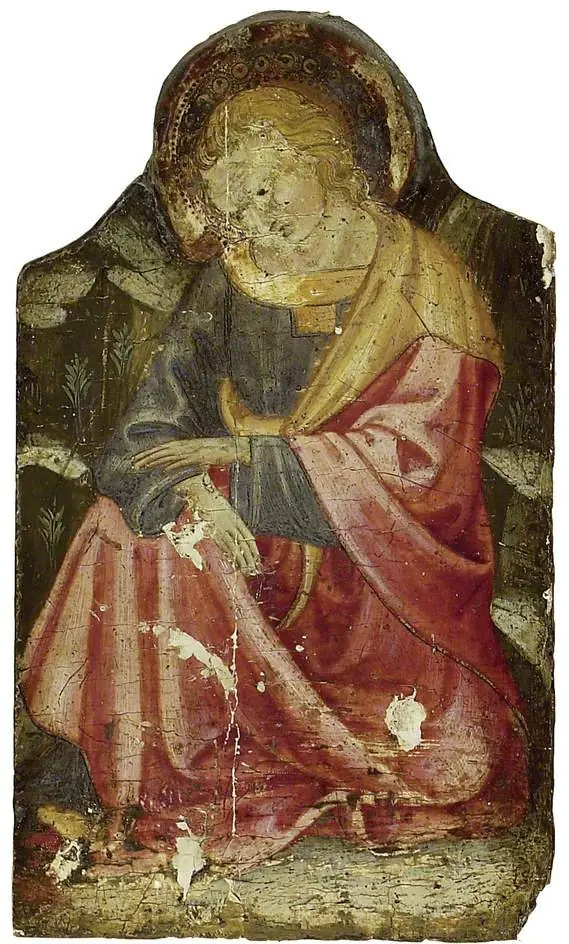
Pinnacle with Angel is an unspecified painting by the Byzantine icon painting artist Niccolò di Segna. It dates from 1340 and is held in the collection of the Cleveland Museum of Art. The work depicts a solitary angel perched atop an ornamental pinnacle.
About this work
Overview
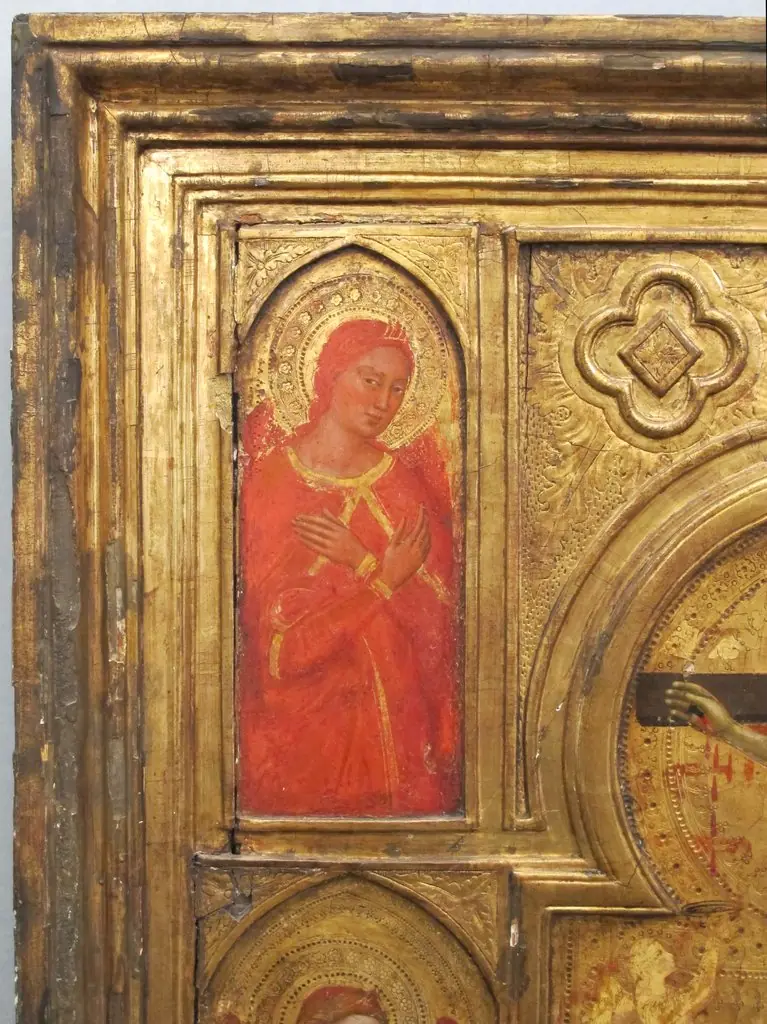
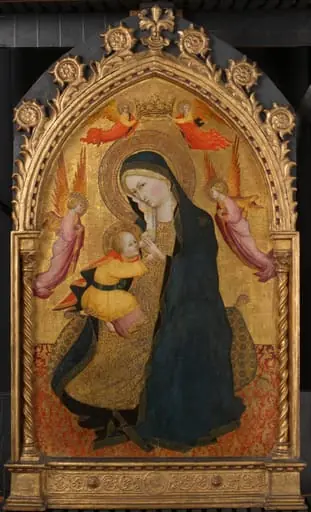
The work depicts a solitary angel perched atop an ornamental pinnacle. The figure’s poised gesture and directed gaze imply that it once formed part of a broader composition, flanking a central scene that is no longer extant. The surviving fragment offers a glimpse of the original altarpiece’s decorative scheme.
Subject & Meaning
The angel, rendered in a graceful stance, appears to be a heraldic or intercessory presence, typical of liturgical imagery intended to guide the viewer’s devotion toward the now‑missing central panel. Its attentive glance and outstretched hand suggest a role of invitation or blessing within the larger narrative.
Technique & Style
Executed in the early Trecento manner, the painting employs delicate tempera brushwork and a restrained palette reminiscent of Niccolò di Segna’s oeuvre. The figure’s elongated proportions, linear drapery, and subtle modeling reflect the transitional Gothic aesthetic that emphasized elegance over naturalism.
History & Provenance
Originally mounted on the uppermost tier of a multi‑panel altarpiece, the pinnacle fragment survived the dismantling of its parent ensemble, whose whereabouts remain unknown. The loss of the central panels has left the angelic pinnacles as the primary evidence of the work’s original liturgical setting.
Context
Such pinnacles were common decorative elements in Italian ecclesiastical art of the 14th century, serving both structural and symbolic functions. Placed on either side of a focal image, they framed the sacred narrative and reinforced the hierarchical arrangement of heavenly figures within the altar’s visual program.
Artist & collection
Artist
Niccolò di Segna (died around 1348) was an Italian painter from Siena. His activity is documented starting from 1331. Influenced by Duccio di Buoninsegna and Simone Martini, he was an exponent of the Sienese School. He…