Artwork
Harvest
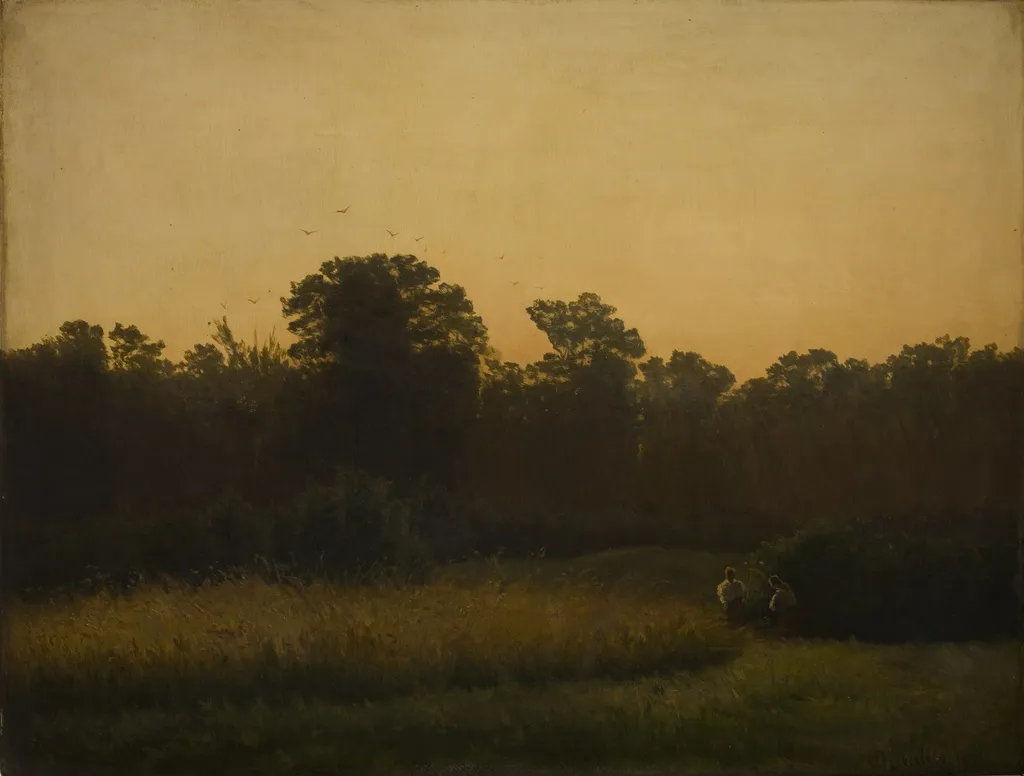
Harvest is an oil painting by Nicholas Chevalier. It dates from 1873 and is held in the collection of the National Museum in Kraków.
About this work
Overview
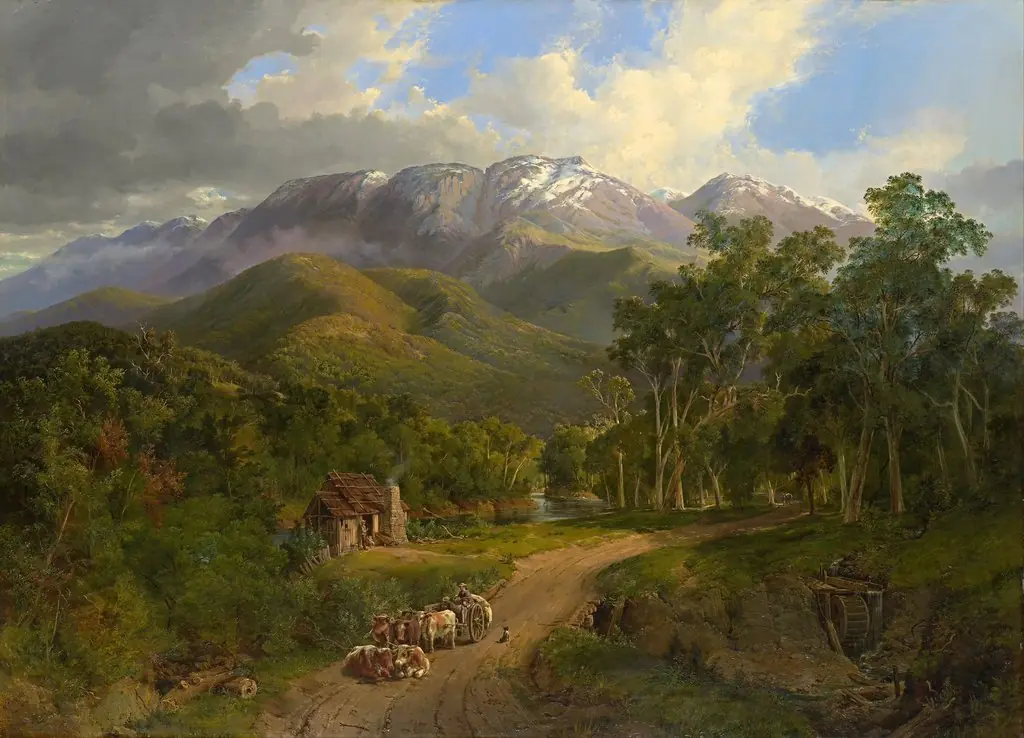
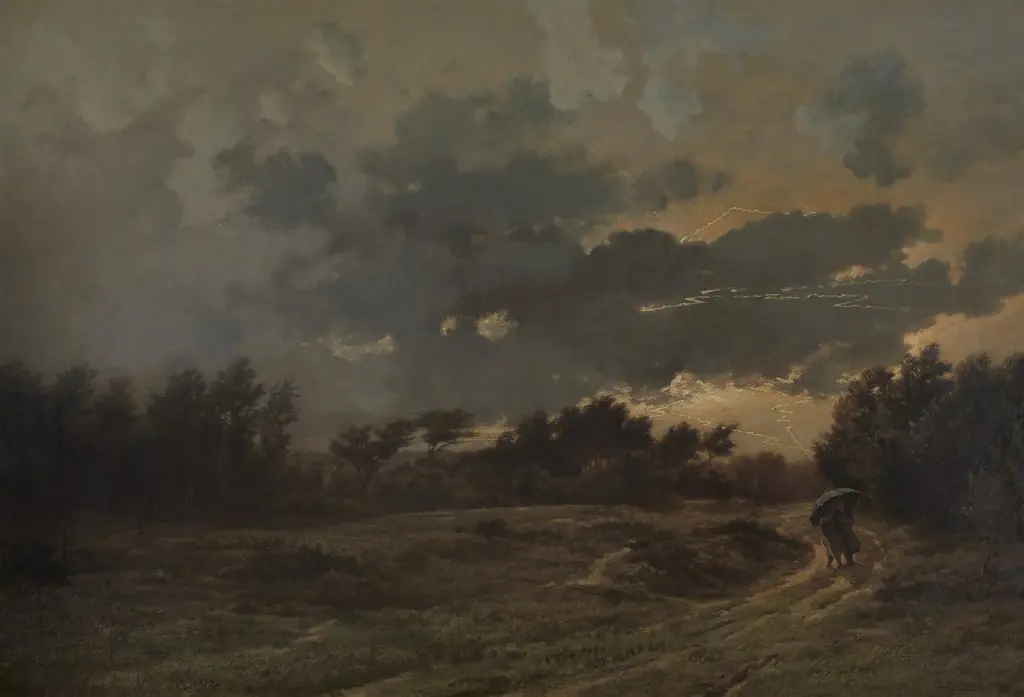
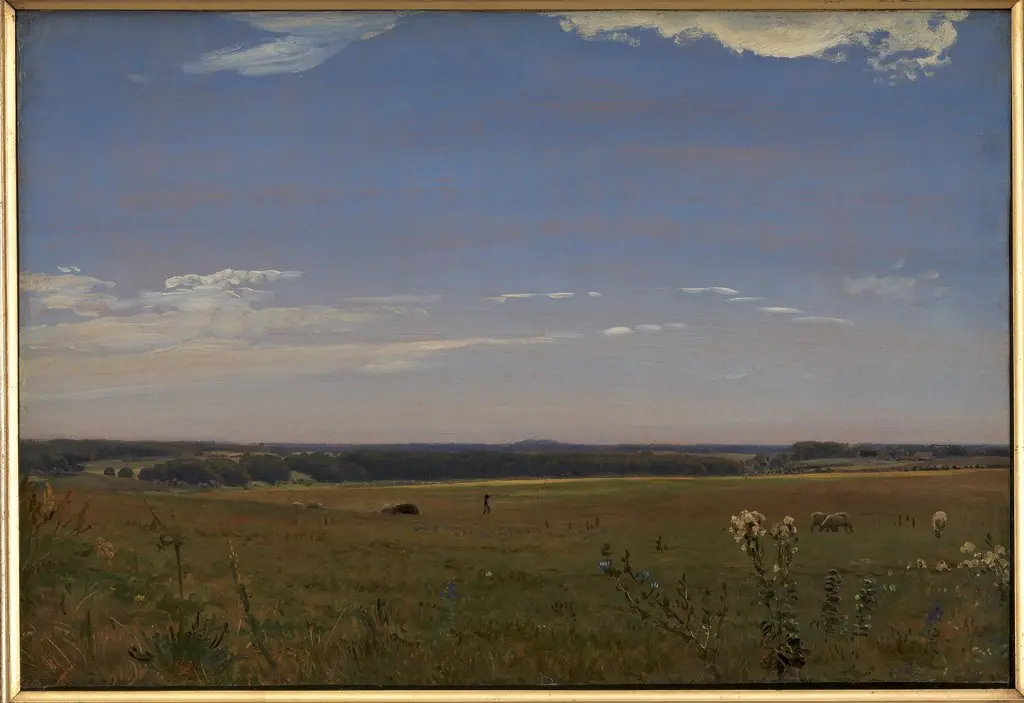
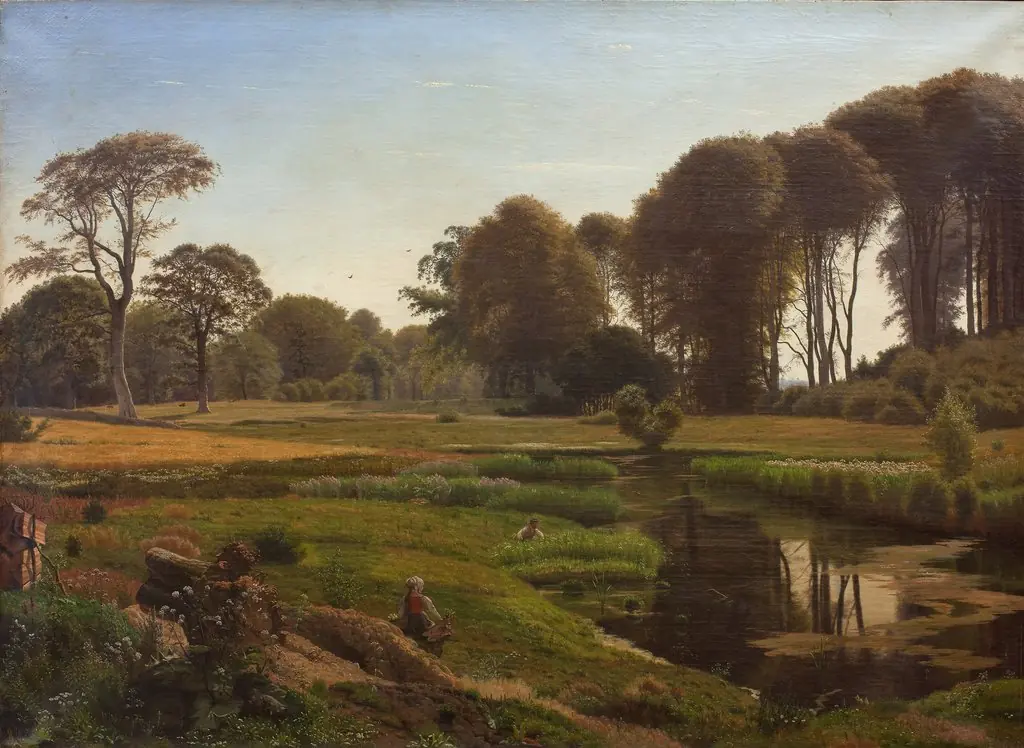
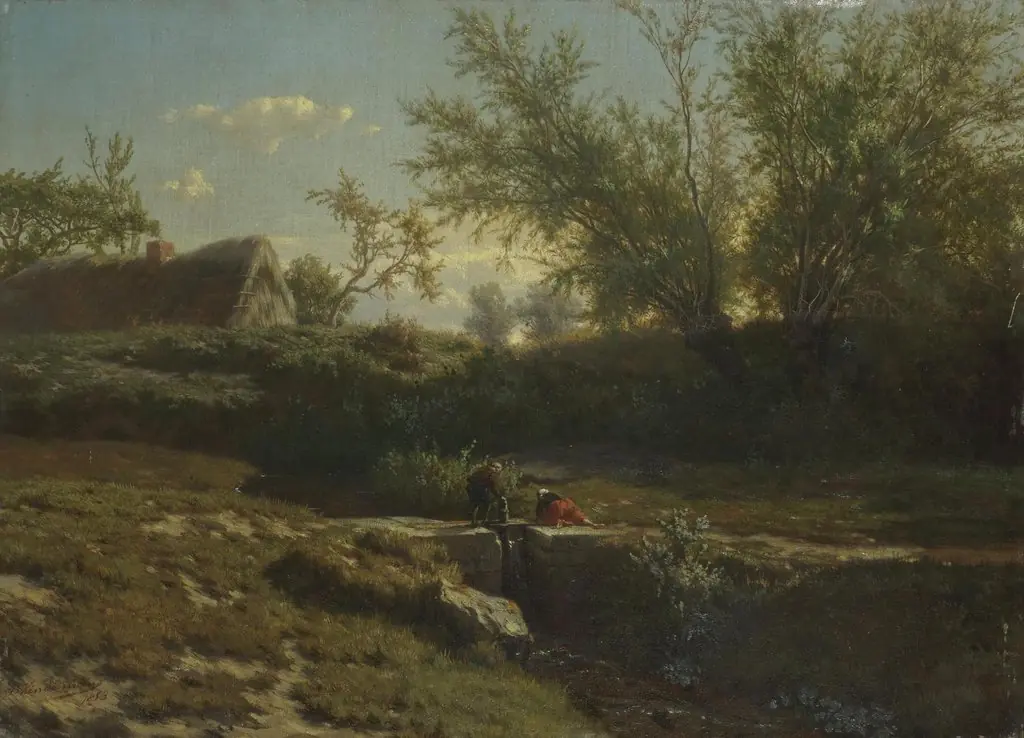
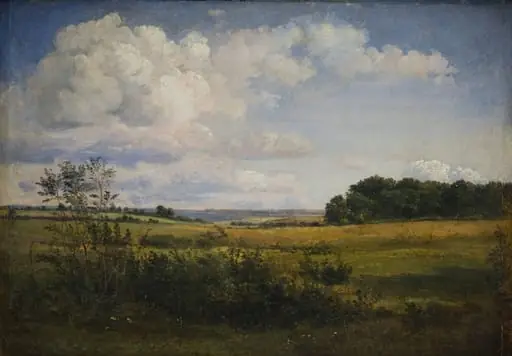
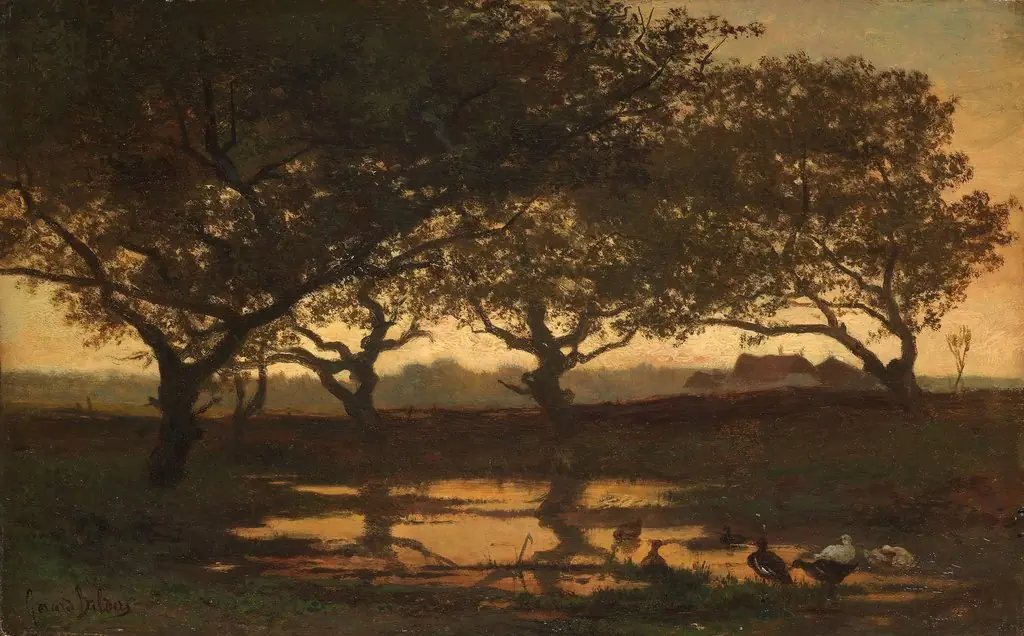
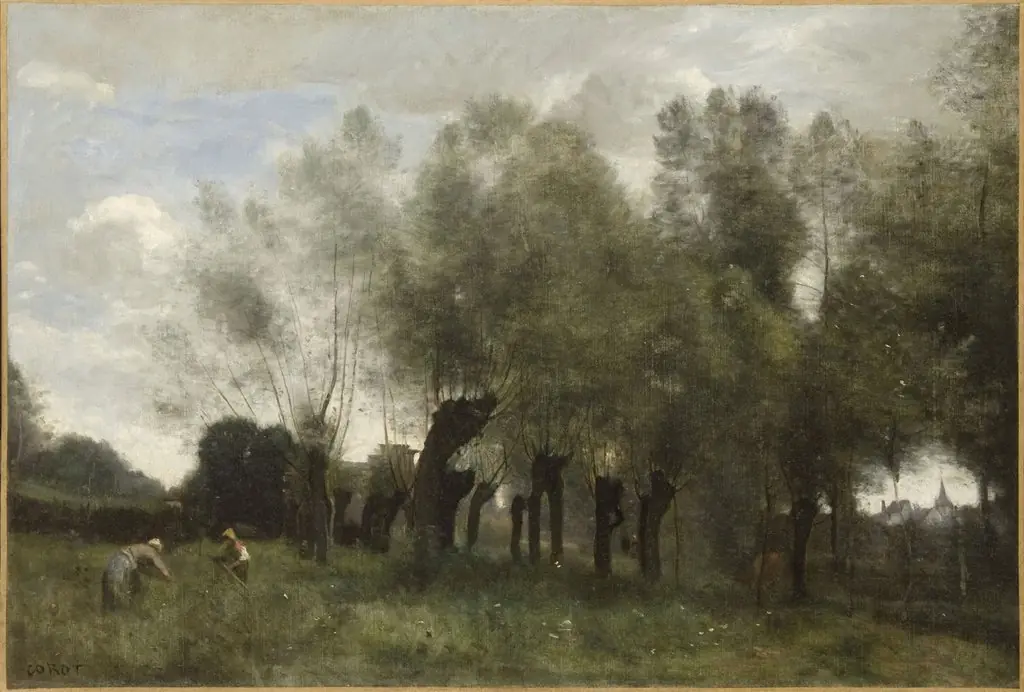
Painted in 1873 by Nicholas Chevalier, Harvest is an oil-on-canvas work currently held in the collection of the National Museum in Kraków. It depicts a quiet rural landscape under a pale sky, with minimal human presence and subdued detail. The composition emphasizes atmosphere over narrative, using tonal contrast to draw attention to the interplay of light and shadow across an open field.
Subject & Meaning
The painting presents a solitary figure moving through tall grass, their form blurred and indistinct, suggesting anonymity rather than individuality.
The painting presents a solitary figure moving through tall grass, their form blurred and indistinct, suggesting anonymity rather than individuality. The absence of tools or clear labor cues implies a moment of rest or passage rather than active harvesting. The stillness of the scene and the quiet sky evoke a contemplative mood, aligning with 19th-century ideals of nature as a space for quiet reflection.
Technique & Style
Chevalier employed loose brushwork and muted tones to render the landscape, favoring broad strokes over fine detail. Darker hues in the foreground ground the composition, allowing the pale sky and grass to emerge with subtle luminosity. Birds in the distance are suggested with minimal strokes, reinforcing the painting’s emphasis on mood over precision. The effect is one of atmospheric harmony rather than topographical accuracy.
History & Provenance
Created during Chevalier’s time in Europe after his years in Australia, Harvest reflects his continued engagement with European landscape traditions. The painting entered the National Museum in Kraków’s collection in the late 19th or early 20th century, though its exact acquisition path remains undocumented. Its presence there underscores the museum’s broader interest in 19th-century European genre scenes.
Context
Painted in the same decade as the rise of Impressionism, Harvest shares affinities with plein air practices but avoids their vibrant palette and broken brushwork. Chevalier’s approach aligns more closely with the tonal landscapes of the Barbizon School, emphasizing quietude and naturalism. The work reflects a broader European trend of romanticizing rural life as industrialization reshaped the countryside.
Legacy
Harvest remains one of Chevalier’s lesser-known works, rarely exhibited outside Poland. It contributes to understanding his post-Australian oeuvre, revealing a shift toward European aesthetic norms. While not widely studied, it offers insight into how artists of his generation negotiated personal style within prevailing landscape traditions.
Own this work as a print
Artist & collection