Artwork
Pollard Willows
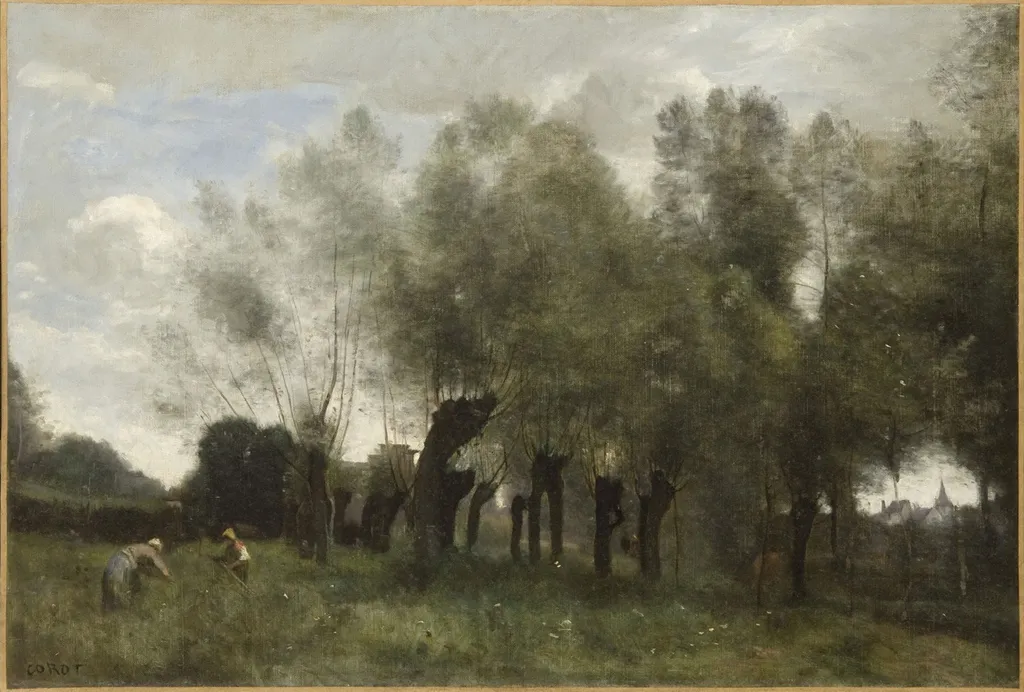
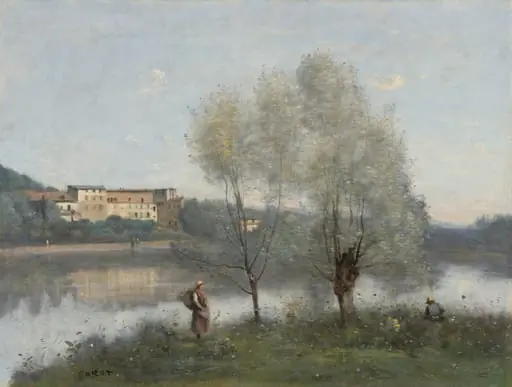
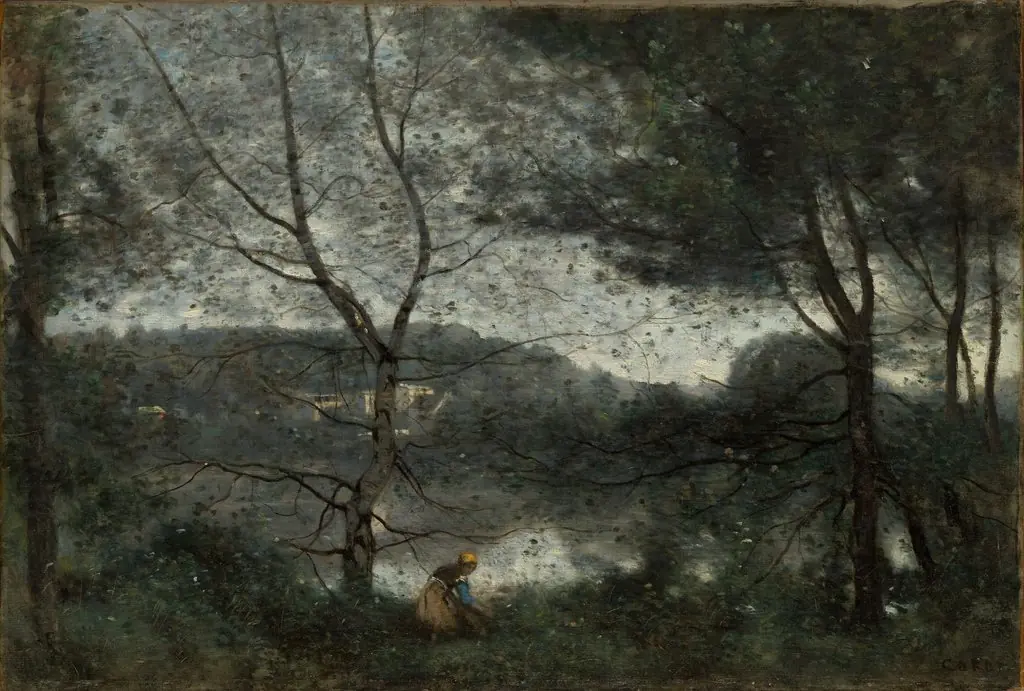
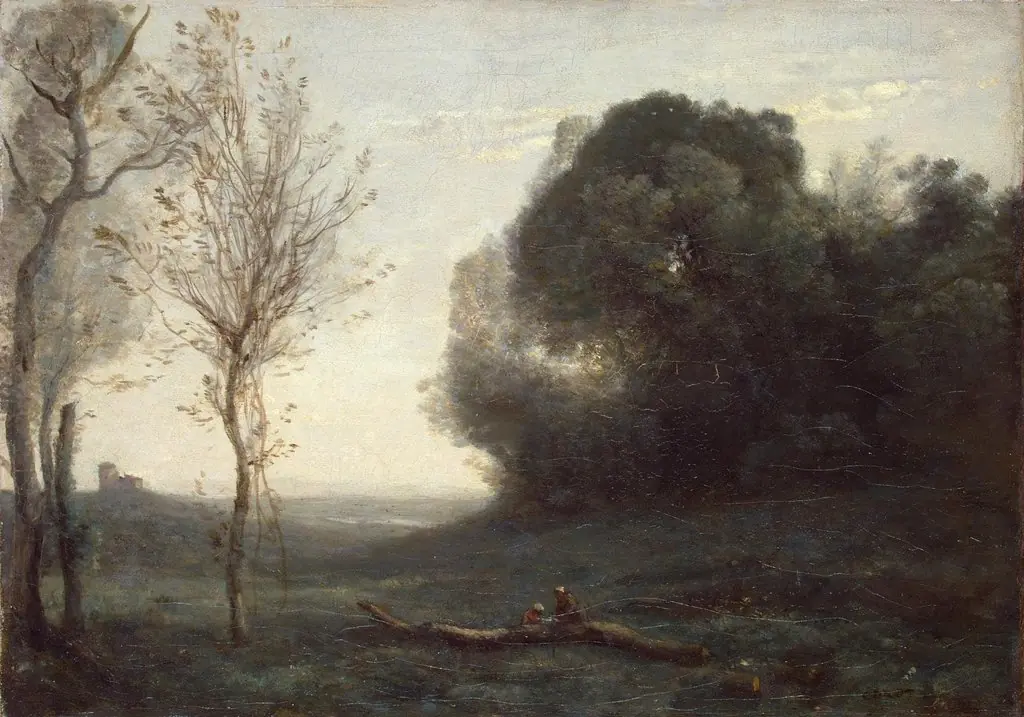
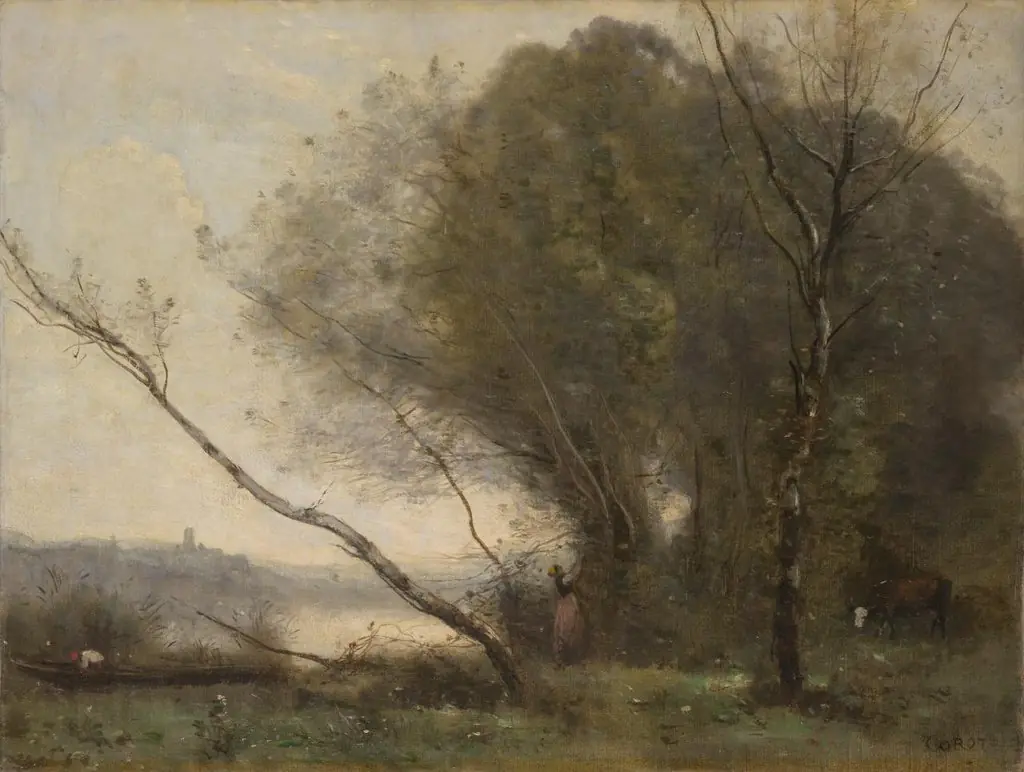
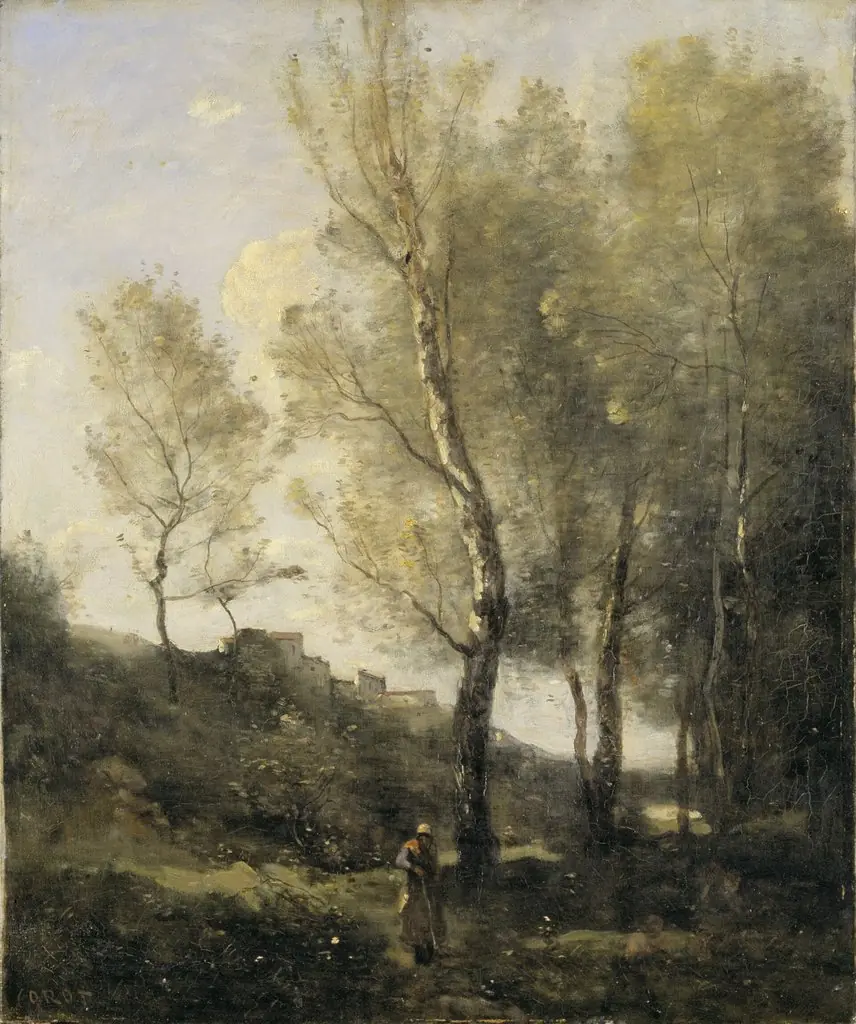
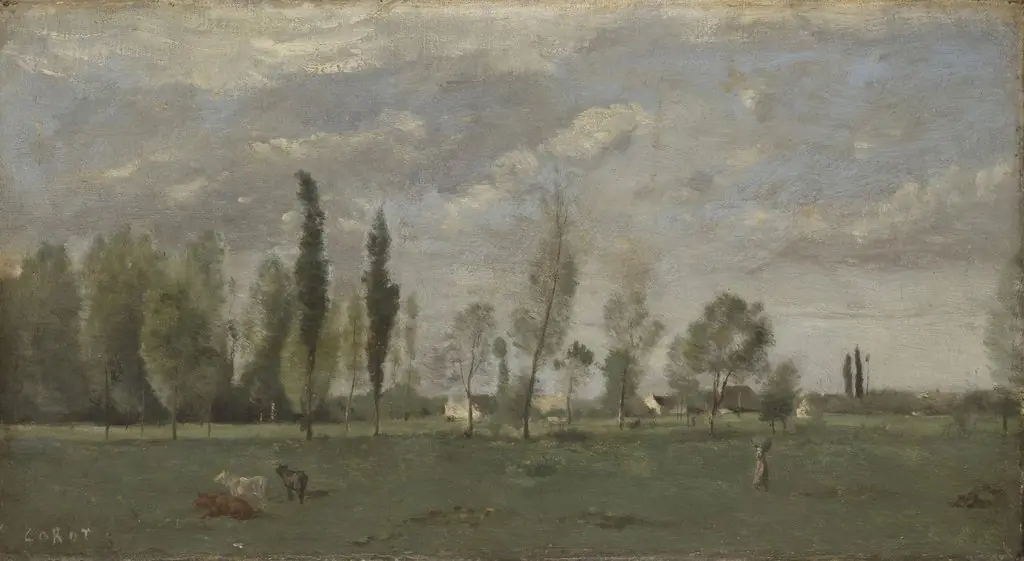
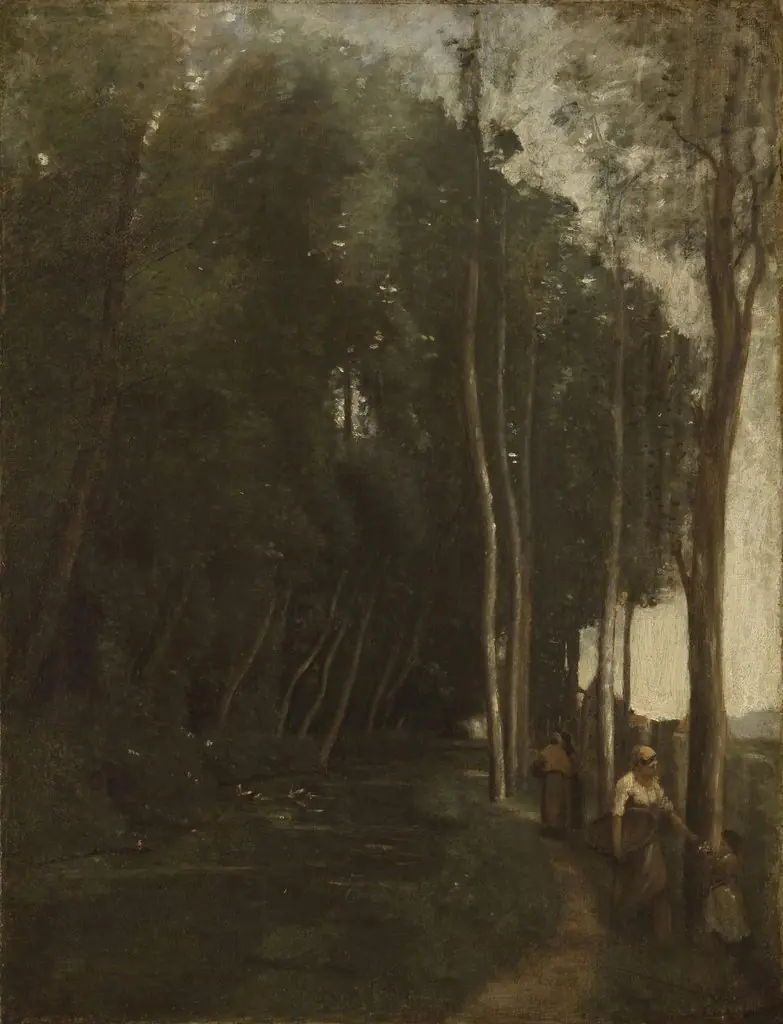
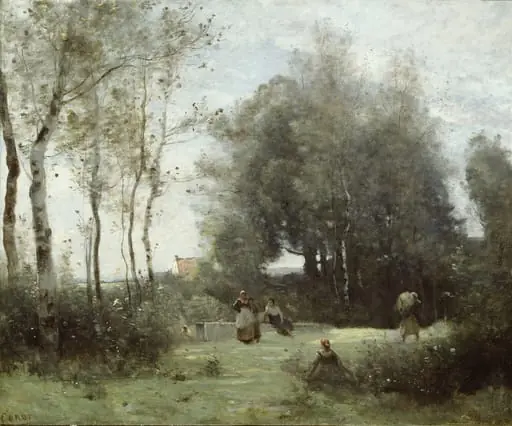
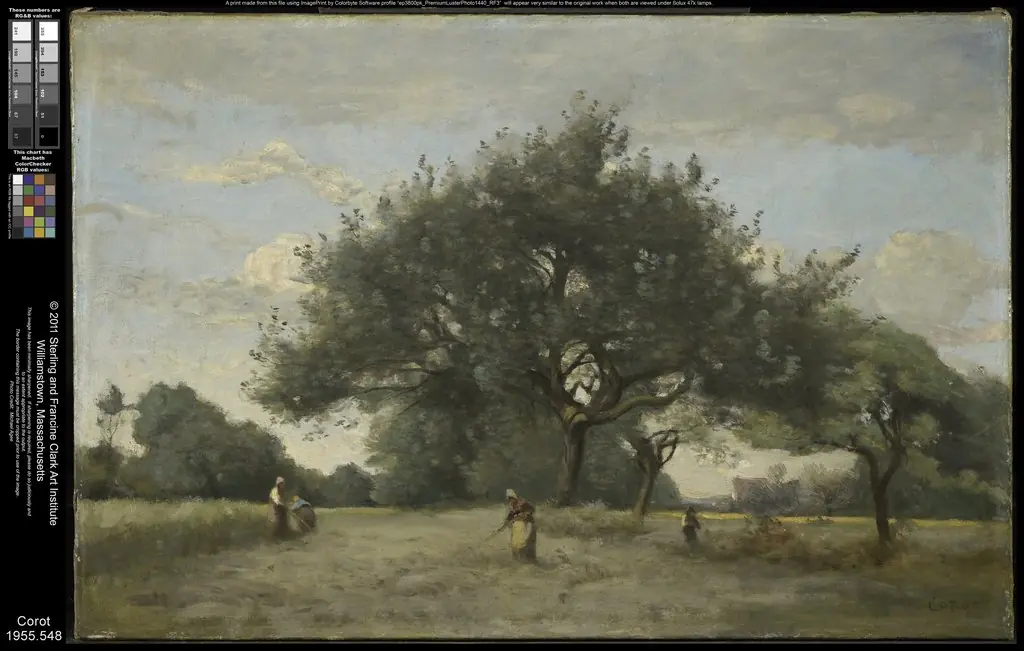
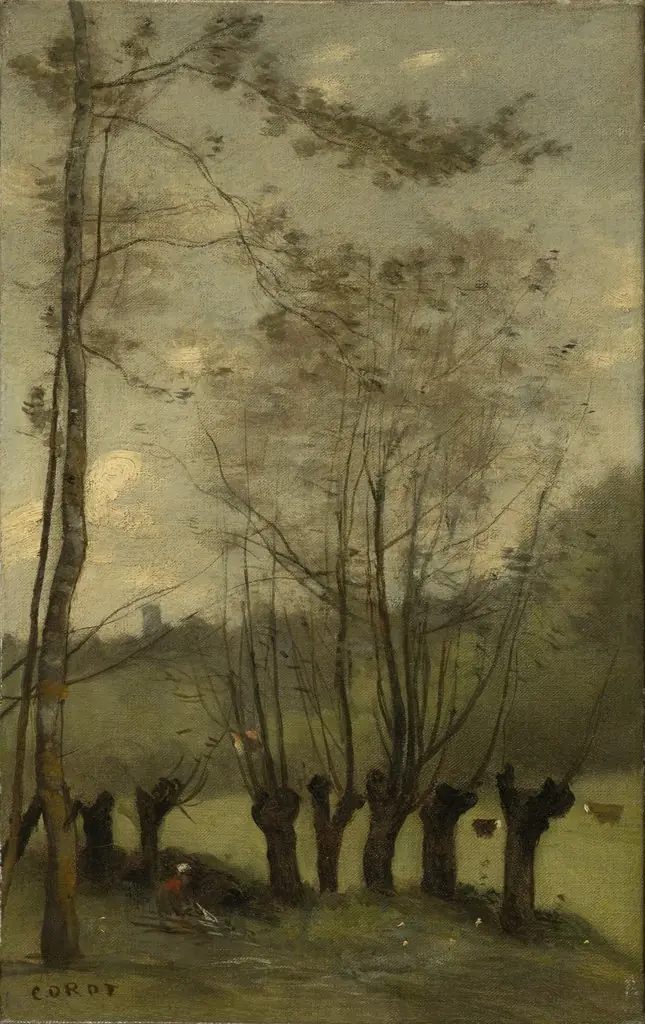
Pollard Willows is an oil painting by the Barbizon school artist Jean Baptiste Camille Corot. It dates from 1867 and is held in the collection of the Philadelphia Museum of Art.
About this work
Overview
The work is part of the broader Barbizon School ethos, which sought to capture the quiet dignity of rural France without idealization or dramatic flourish.
Painted in 1867, *Pollard Willows* is an oil on canvas landscape by Jean-Baptiste-Camille Corot. It reflects his mature style, blending the structured composition of Neo-Classical traditions with the observational immediacy of outdoor painting. The work is part of the broader Barbizon School ethos, which sought to capture the quiet dignity of rural France without idealization or dramatic flourish.
Subject & Meaning
The painting presents a tranquil rural scene: gnarled, pollarded willows dominate the foreground, their stripped trunks and upward-reaching branches framing a distant church steeple. The absence of human figures and the subdued lighting suggest a contemplative stillness. The composition invites quiet reflection, emphasizing harmony between nature and the built environment rather than narrative or symbolism.
Technique & Style
Corot employed soft, blended brushwork and a restrained palette of grays, greens, and earth tones to evoke atmospheric depth. The sky is rendered with delicate, diffused strokes, while the trees are suggested rather than meticulously detailed. This approach prioritizes mood over precision, aligning with his belief in capturing the essence of a place through light and tone rather than literal representation.
History & Provenance
Created during Corot’s later career, *Pollard Willows* entered the Philadelphia Museum of Art’s collection in the 20th century. It has remained in public ownership since, with no documented private ownership between its completion and acquisition. The museum’s records confirm its consistent presence in exhibitions focused on 19th-century French landscape painting.
Context
In the 1860s, Corot stood at the intersection of academic tradition and emerging naturalism. While his peers in the Barbizon School painted directly from nature, Corot often refined his outdoor sketches in the studio, achieving a poetic balance between observation and composition. *Pollard Willows* exemplifies this hybrid approach, bridging the structured landscapes of the past with the more spontaneous sensibilities that would define Impressionism.
Legacy
The painting contributes to Corot’s reputation as a transitional figure in European landscape art. His emphasis on tonal harmony and atmospheric effect influenced younger artists, including Monet and Pissarro, who adopted his methods of working outdoors. Though not radical in form, *Pollard Willows* helped redefine landscape painting as a medium for quiet, personal observation rather than grand narrative.
Artist & collection
Artist
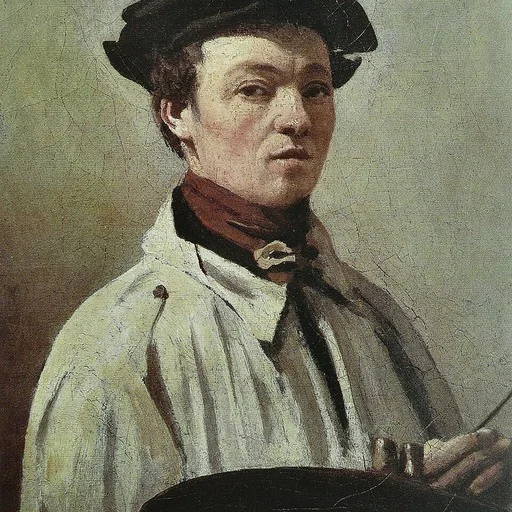
Jean-Baptiste-Camille Corot (UK: KORR-oh, US: kə-ROH, kor-OH; French: ; 16 July 1796 – 22 February 1875), or simply Camille Corot, was a French landscape and portrait painter as well as a printmaker in etching.