Artwork
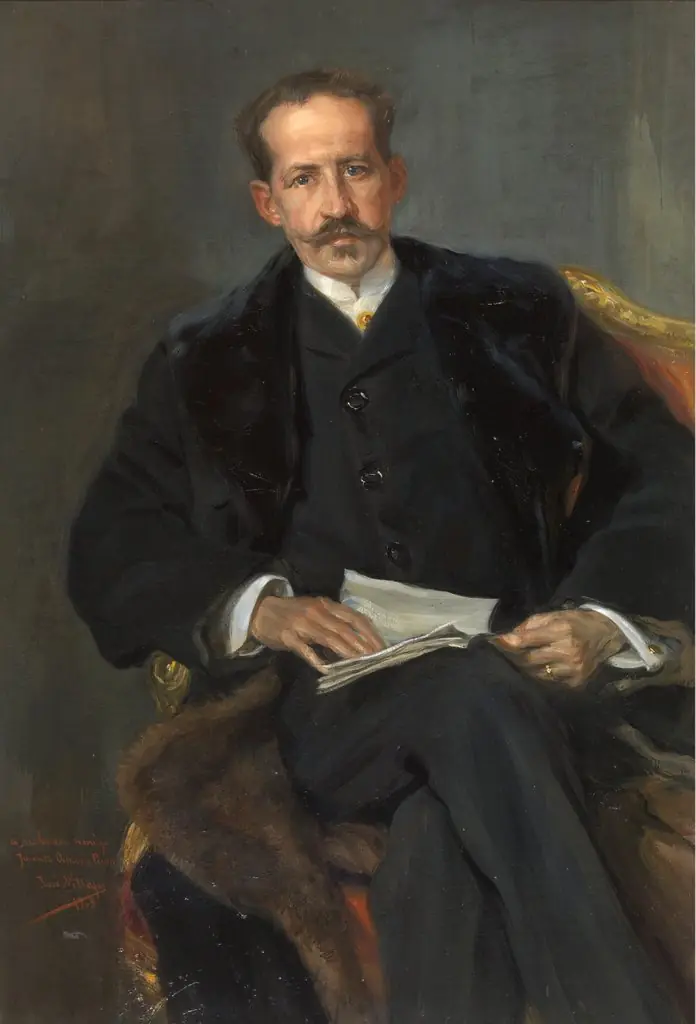
Jacinto Octavio Picón
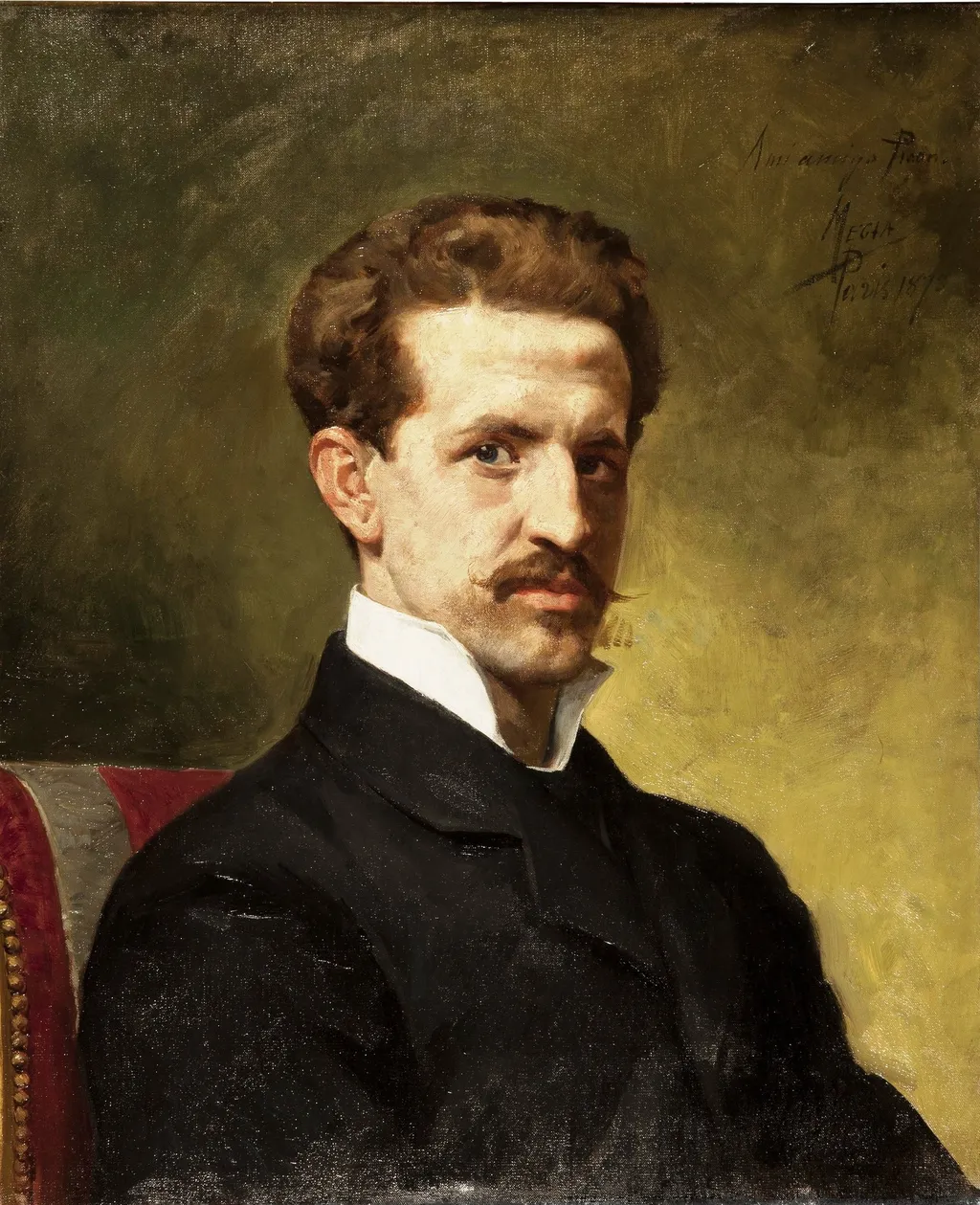
Jacinto Octavio Picón is an oil painting by the Post-Impressionist artist Nicolás Megía. It dates from 1890 and is held in the collection of the Museo del Prado.
About this work
Overview
Created in 1890, the oil portrait titled *Jacinto Octavio Picón* presents a figure rendered by Spanish painter Nicolás Megía Márquez. The work is part of the Museo del Prado’s holdings and is classified within the post‑impressionist current, reflecting the artist’s late‑nineteenth‑century output.
Technique & Style
Nicolás Megía Márquez built his reputation on historical and costumbrista subjects, employing an academic foundation blended with realistic observation. While much of his oeuvre includes watercolor genre scenes, this canvas demonstrates his capacity to translate those concerns into oil, aligning with the broader post‑impressionist tendency toward expressive color and form.
History & Provenance
Since its creation, the painting has remained within Spanish institutional collections, ultimately entering the Museo del Prado’s permanent gallery. Its accession reflects the museum’s commitment to representing late‑19th‑century Spanish art and the artist’s role in that period.
Context
The work emerges at a time when Spanish art was negotiating between strict academic conventions and the freer, color‑driven impulses of post‑impressionism. Megía’s choice to depict a contemporary individual in this style illustrates the period’s shifting priorities toward personal identity and modern visual language.
Own this work as a print
Artist & collection
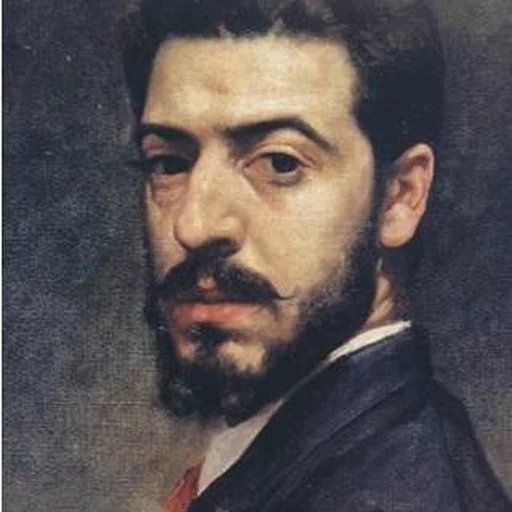
Artist
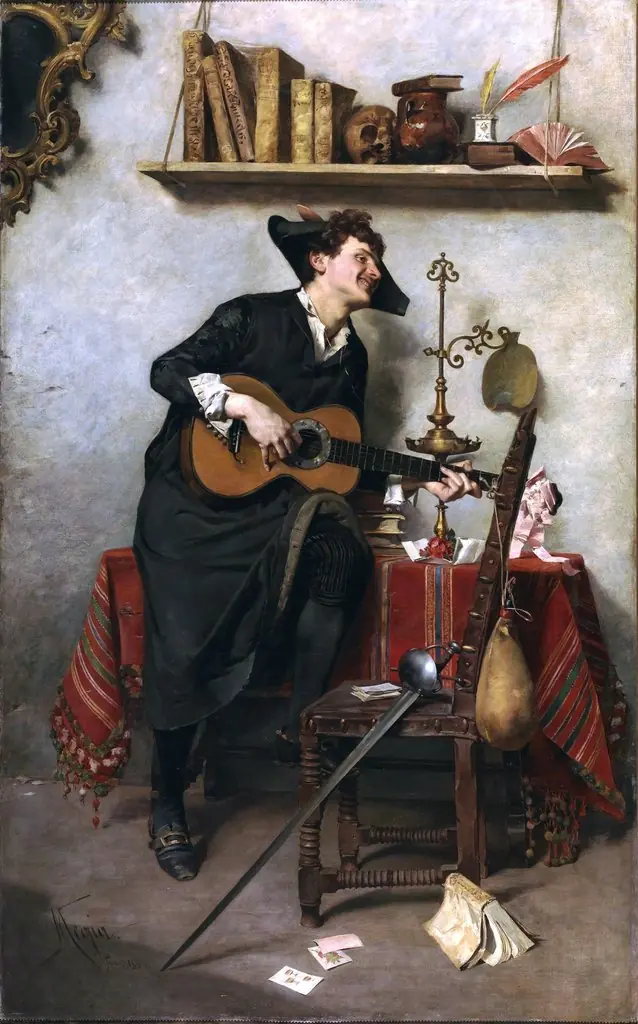
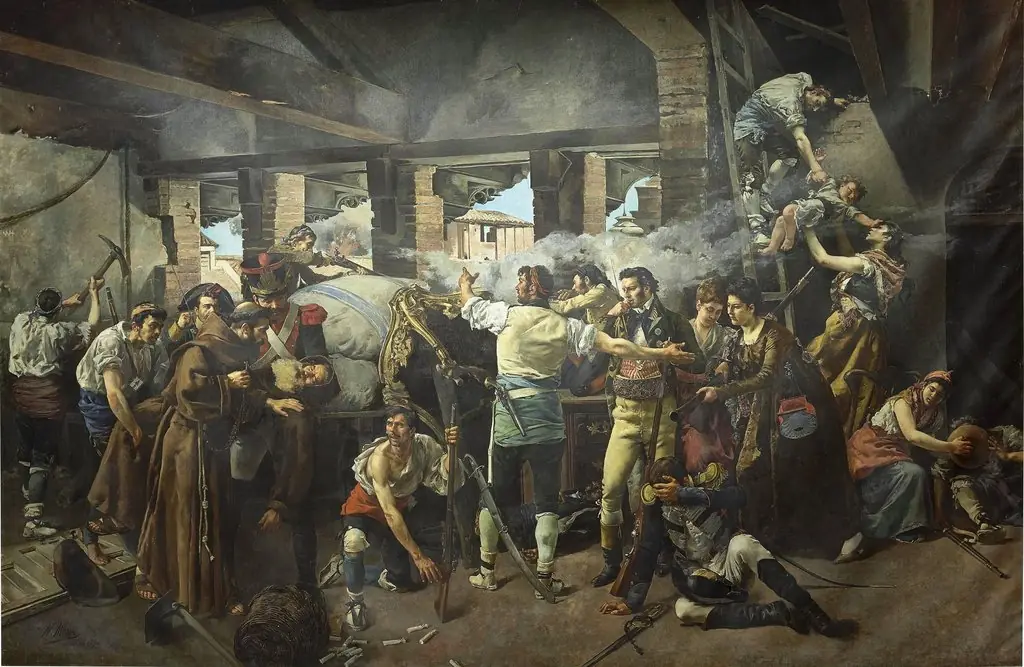
Nicolás Megía Márquez (6 December 1845 – 15 April 1917) was a Spanish painter in the Academic and Realistic styles. He was known mostly for historical costumbrista paintings; many of which were watercolors.

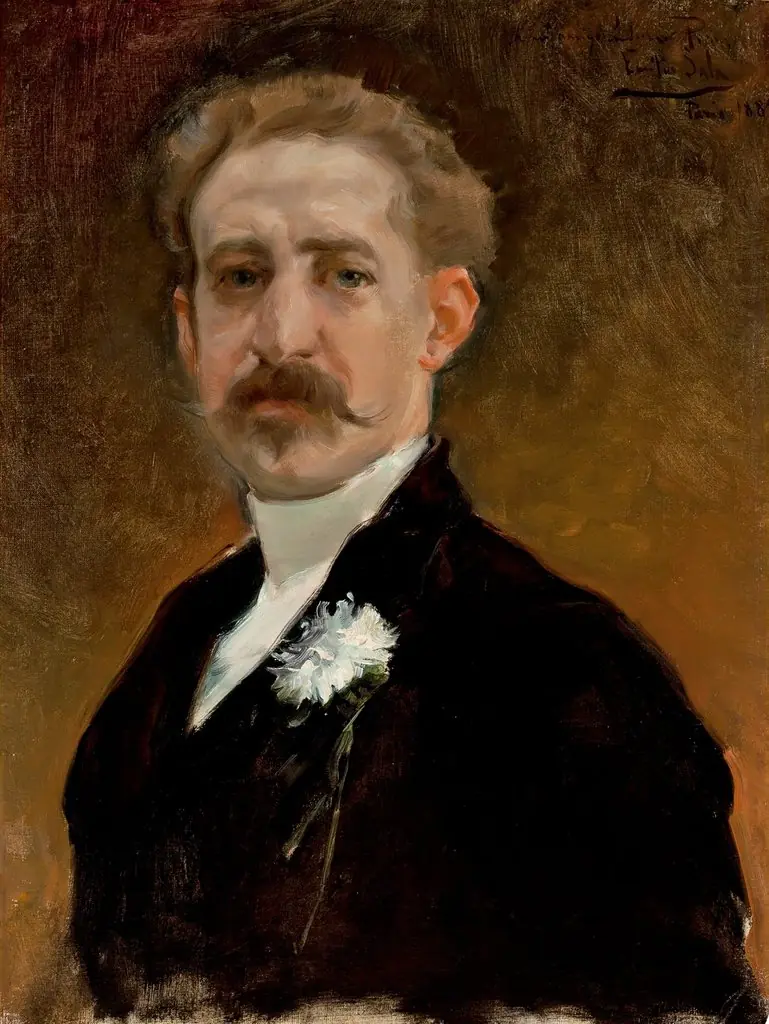 Jacinto Octavio Picón
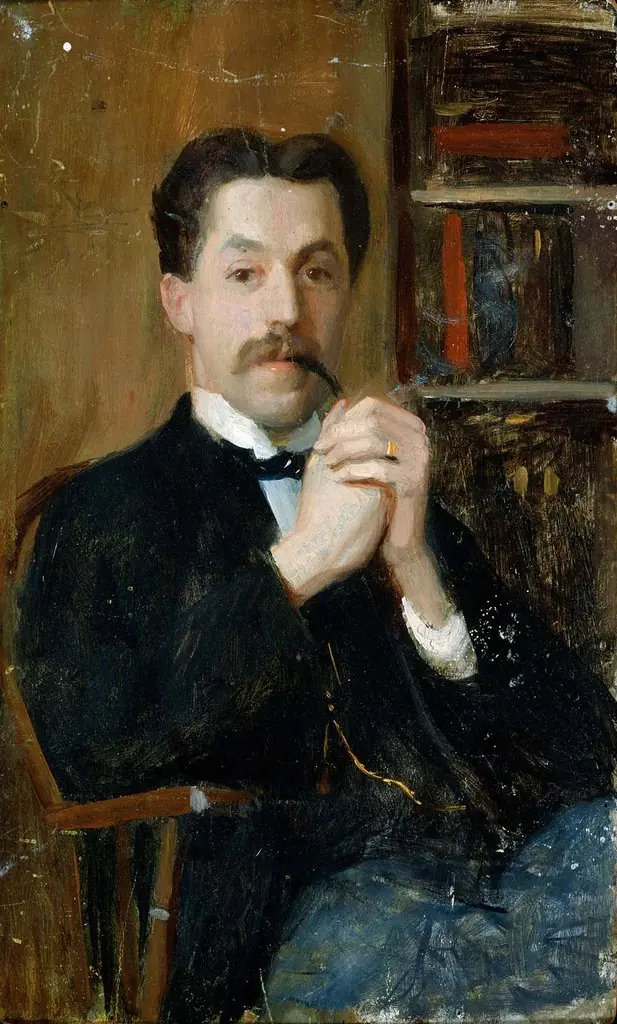 George H. Williams
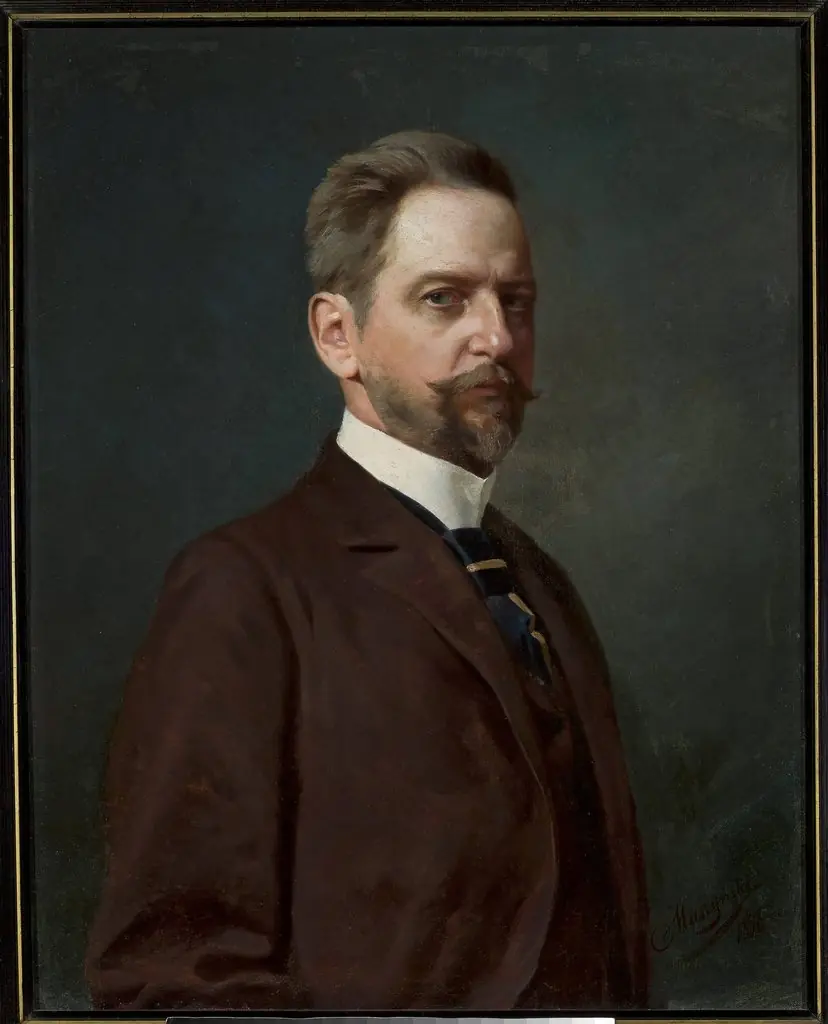 Self-portrait
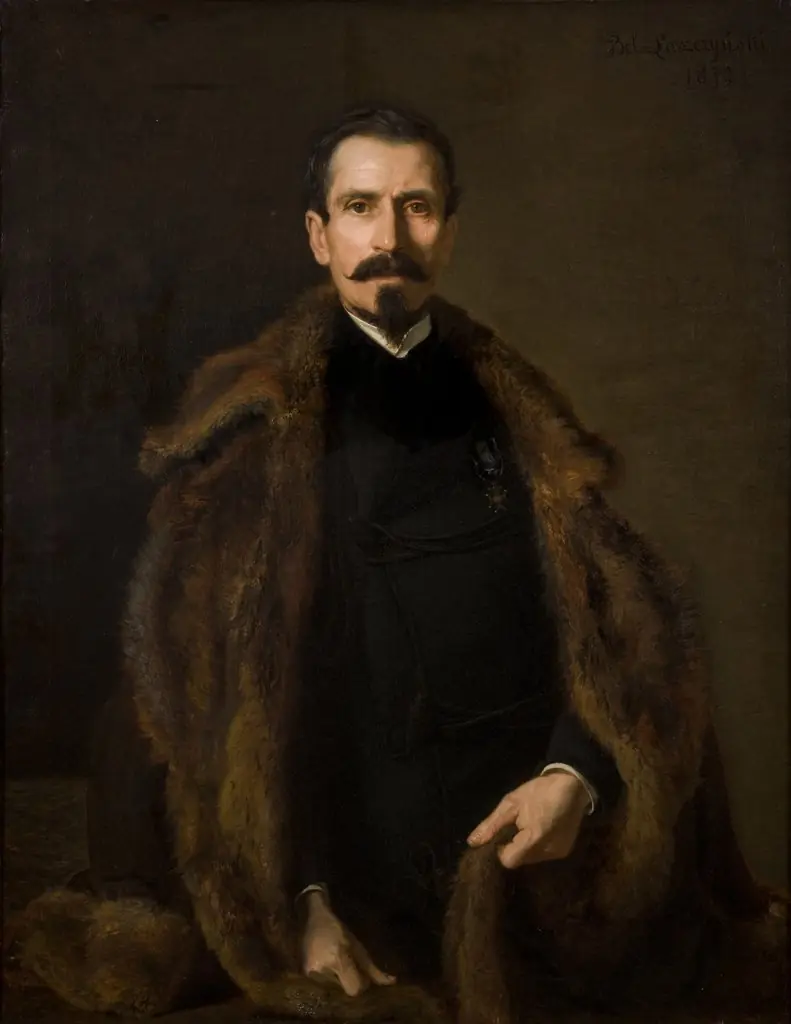 Portrait of Julian Konstanty Ordon
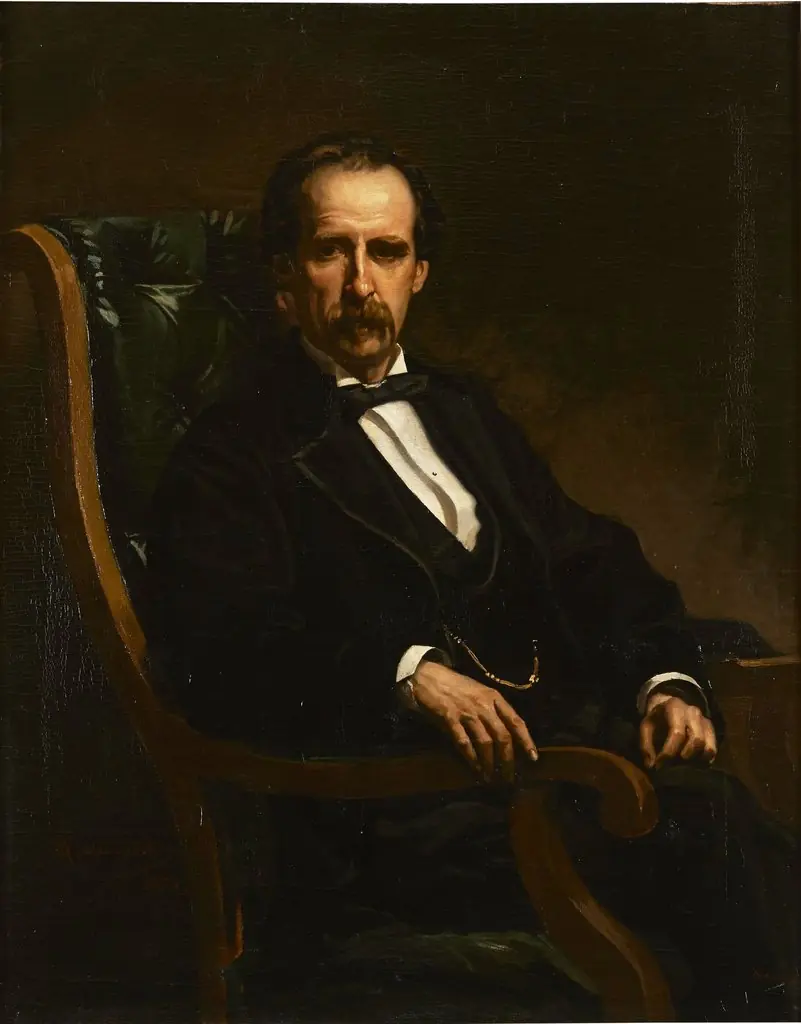 El escritor Enrique Pérez Escrich
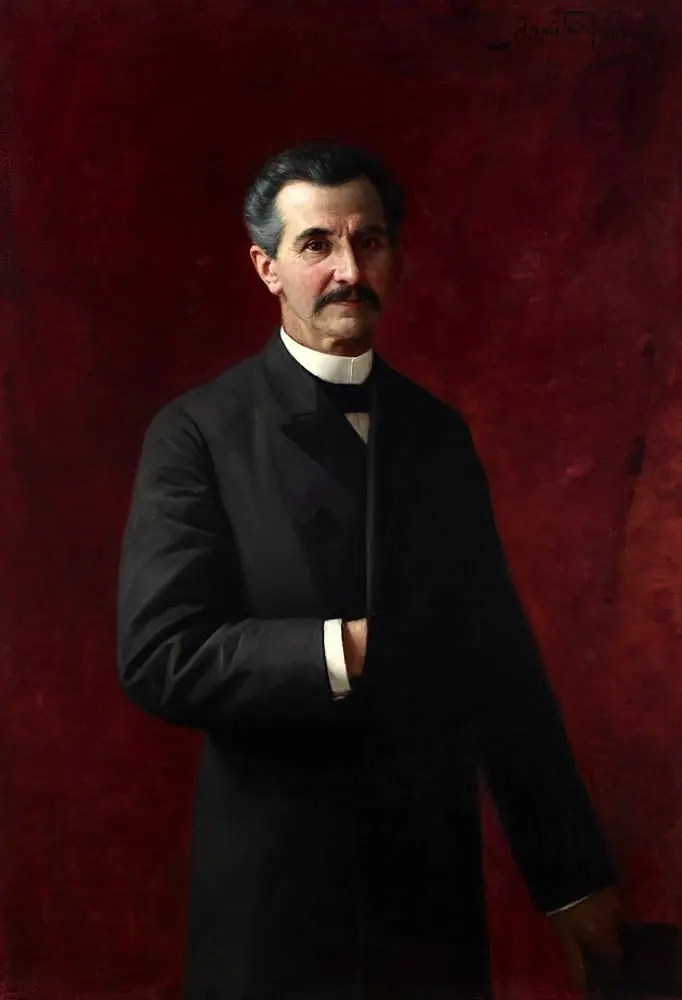 Portrait of Dr Feliks Sommer
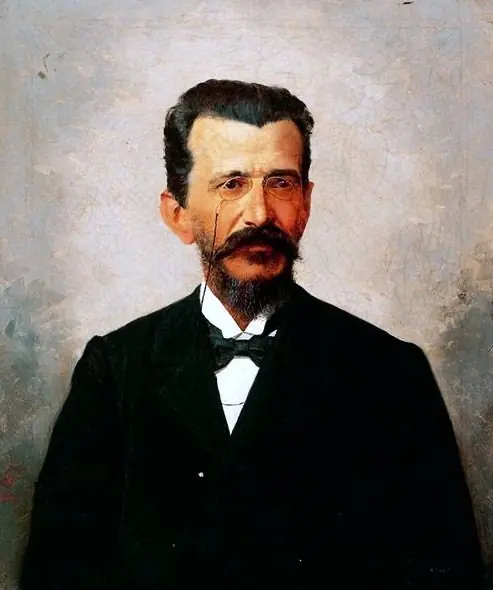 João Alves Rubião Junior
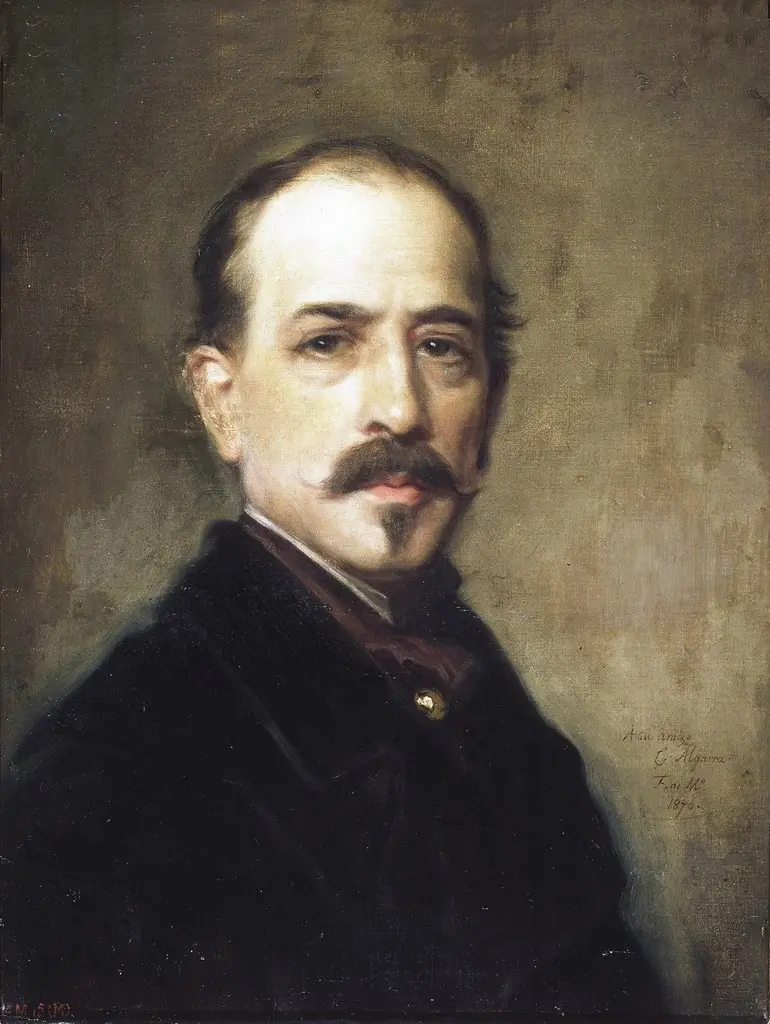 El pintor Cosme Algarra
 The Painter Eduardo Rosales
 Portrait of the painter Friedrich Gauermann (1803-1887)
 Jacinto Octavio Picón
 Selbstporträt vor rotem Grund