Artwork
Portrait of a Woman
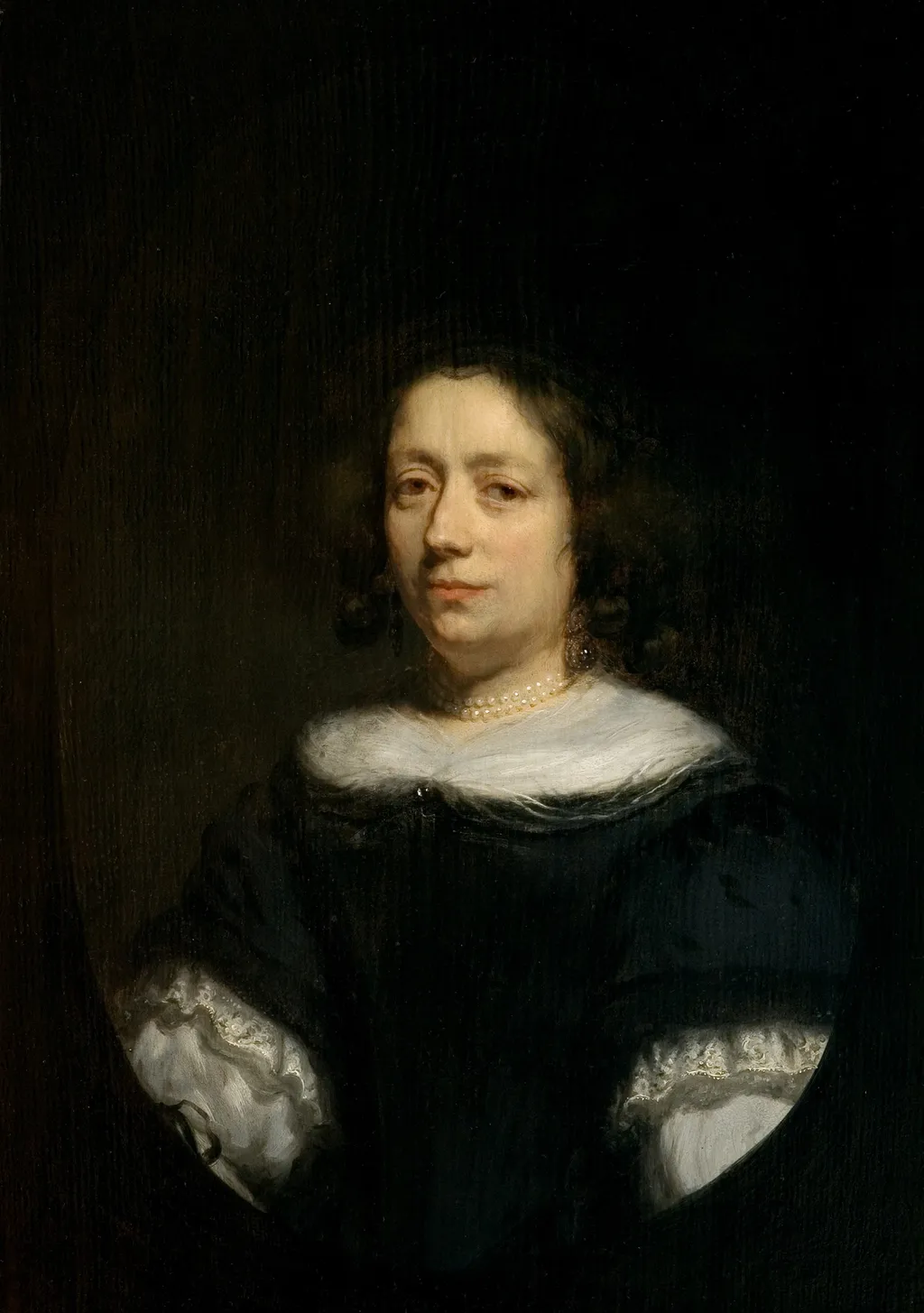
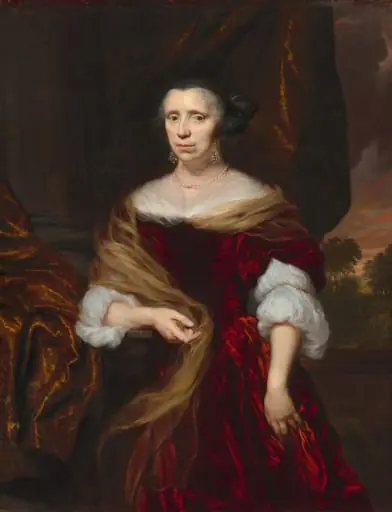
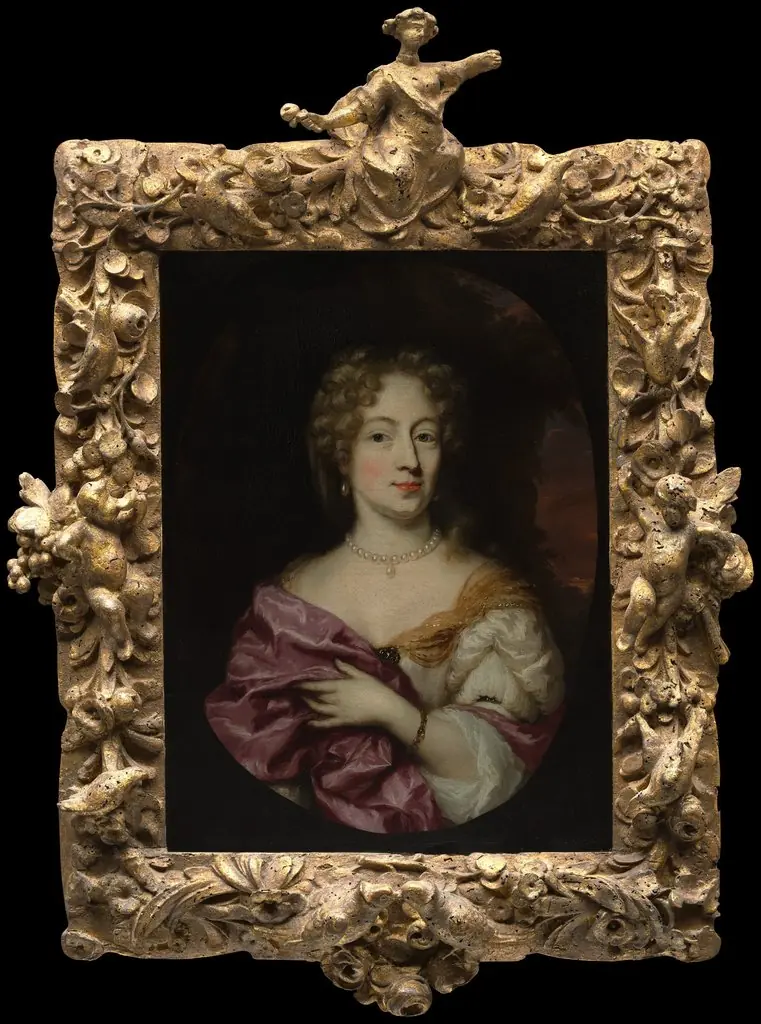
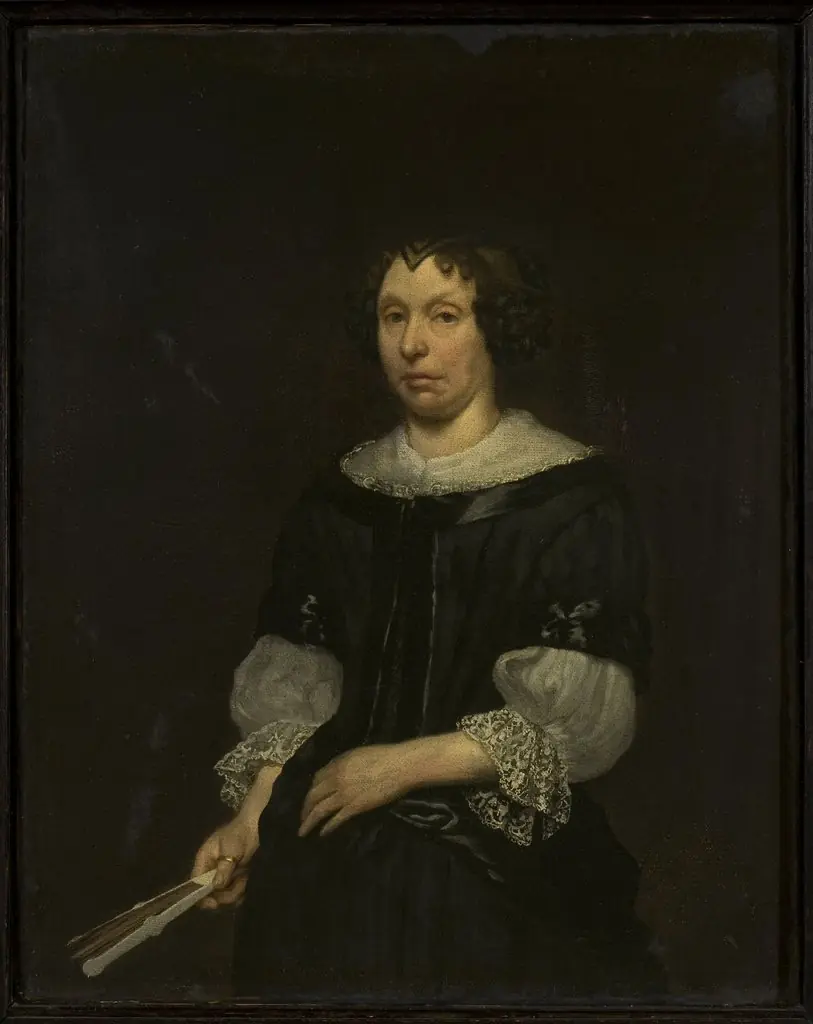
Portrait of a Woman is an oil painting by the Dutch Golden Age artist Nicolaes Maes. It dates from 1673 and is held in the collection of the National Museum in Kraków.
About this work
Overview
Painted around 1673, this oil portrait by Nicolaes Maes captures a woman with quiet intensity.
Painted around 1673, this oil portrait by Nicolaes Maes captures a woman with quiet intensity. Maes, a Dutch artist trained in Rembrandt’s studio, had transitioned from genre scenes to portraiture by this period, establishing a reputation for refined, psychologically subtle likenesses. The work reflects the aesthetic priorities of Amsterdam’s elite during the Dutch Golden Age, where personal identity and social standing were often conveyed through understated elegance.
Subject & Meaning
The sitter is depicted in formal attire, suggesting affluence and social composure. Her direct gaze and restrained expression convey dignity rather than sentimentality, aligning with contemporary ideals of female propriety. The pearl necklace and finely detailed lace collar indicate wealth, while the absence of symbolic objects grounds the portrait in realism rather than allegory, emphasizing the individual’s presence over narrative.
Technique & Style
Maes employs chiaroscuro to model the woman’s face and hands, creating a lifelike volume against a deep, neutral background. The contrast between the dark dress and the luminous white lace draws attention to her features without distraction. Brushwork is precise yet fluid, particularly in the rendering of curls and fabric textures, demonstrating a mastery of light and surface that balances naturalism with compositional restraint.
History & Provenance
The painting entered the collection of the National Museum in Kraków in the 20th century, though its earlier ownership remains undocumented. It likely originated in the Netherlands, possibly commissioned by a merchant family in Amsterdam, where Maes was active after relocating from Dordrecht. Its presence in Poland suggests it may have been acquired through trade or diplomatic exchange during the early modern period.
Context
In late 17th-century Amsterdam, portraiture flourished as a marker of civic pride and personal identity. Unlike earlier Dutch portraits that emphasized status through lavish settings, Maes’s work favors psychological presence and refined simplicity. This shift reflects broader cultural trends toward introspection and the valuation of individual character over external display, characteristic of the period’s evolving bourgeois sensibility.
Legacy
Maes’s portraits from this era influenced later generations of Dutch painters by demonstrating how emotional depth could be achieved through minimalism. While less celebrated than Rembrandt’s, his work contributed to a more intimate, psychologically nuanced tradition in Dutch portraiture. This painting remains a representative example of how quiet observation could convey social and personal identity with enduring clarity.
Own this work as a print
Artist & collection
Artist
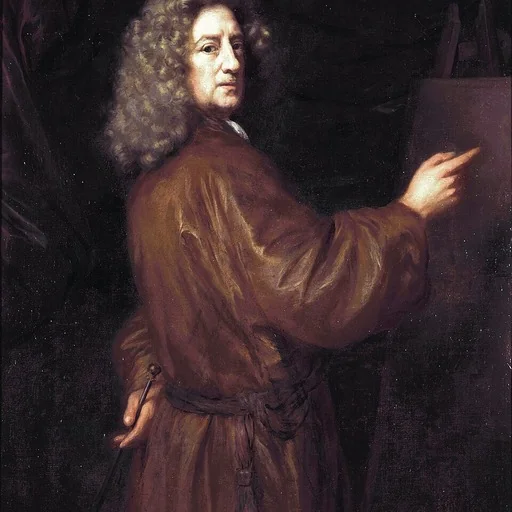
Nicolaes Maes (January 1634 – December 1693; buried 24 December 1693) was a Dutch painter known for his genre scenes, portraits, religious compositions and the occasional still life.

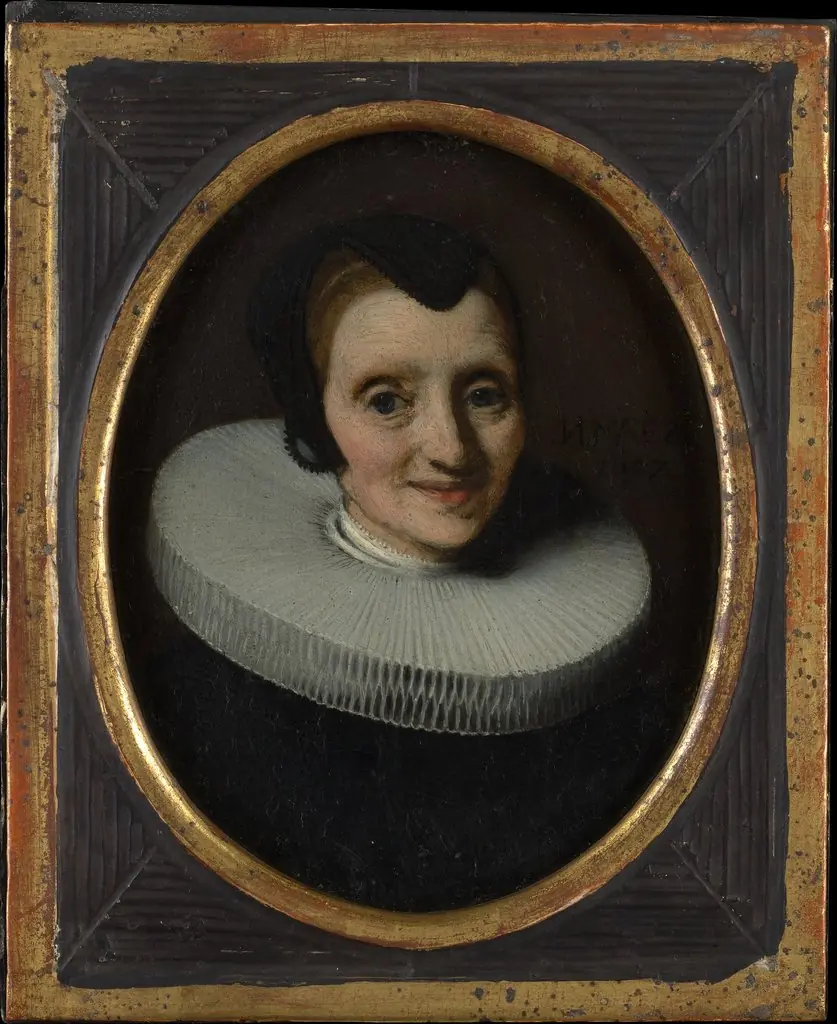
 Portrait of a woman
 Portrait of a Woman
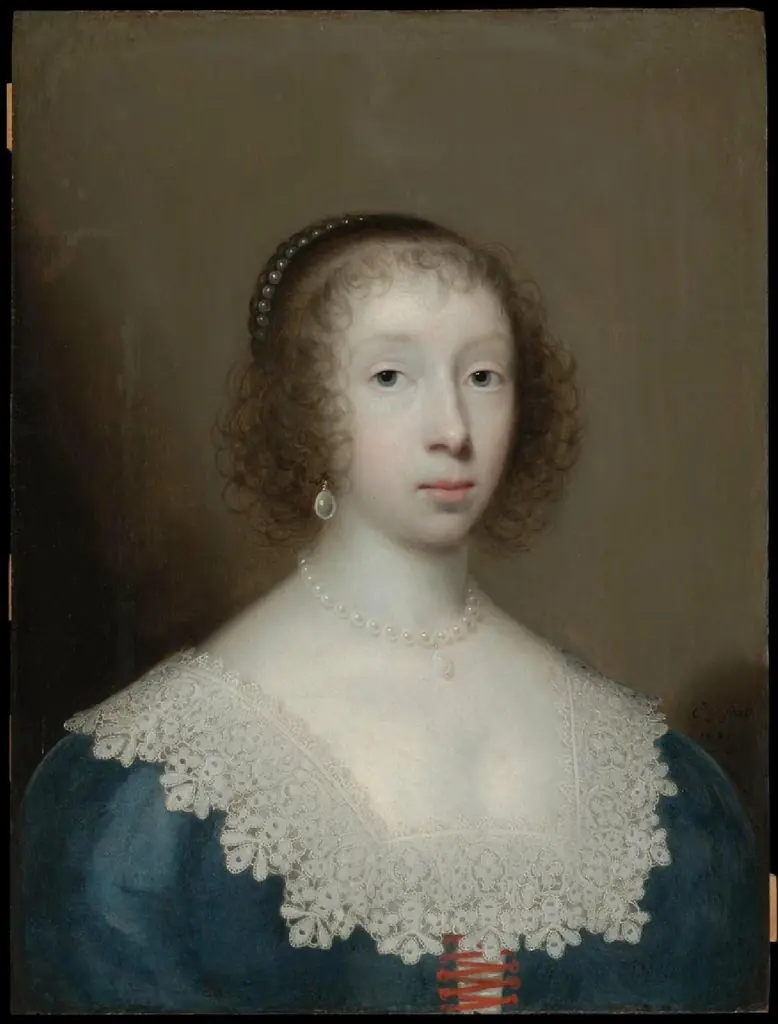 Portrait of a Woman
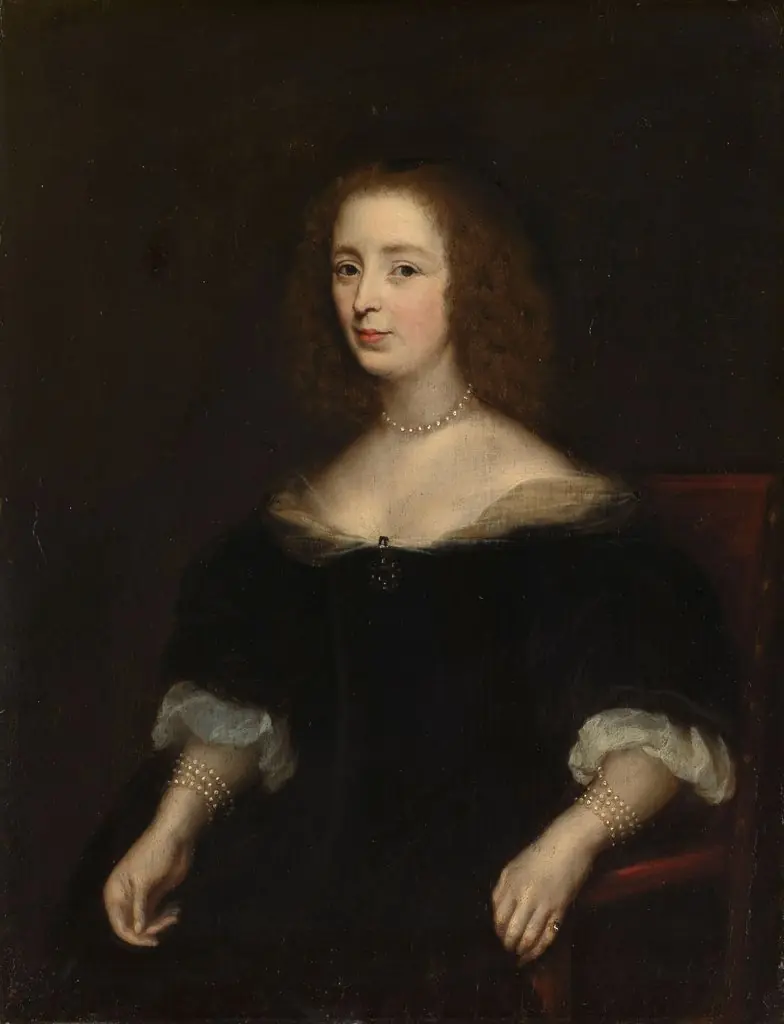 Portrait of Anna van den Corput, Wife of Jacob de Witt
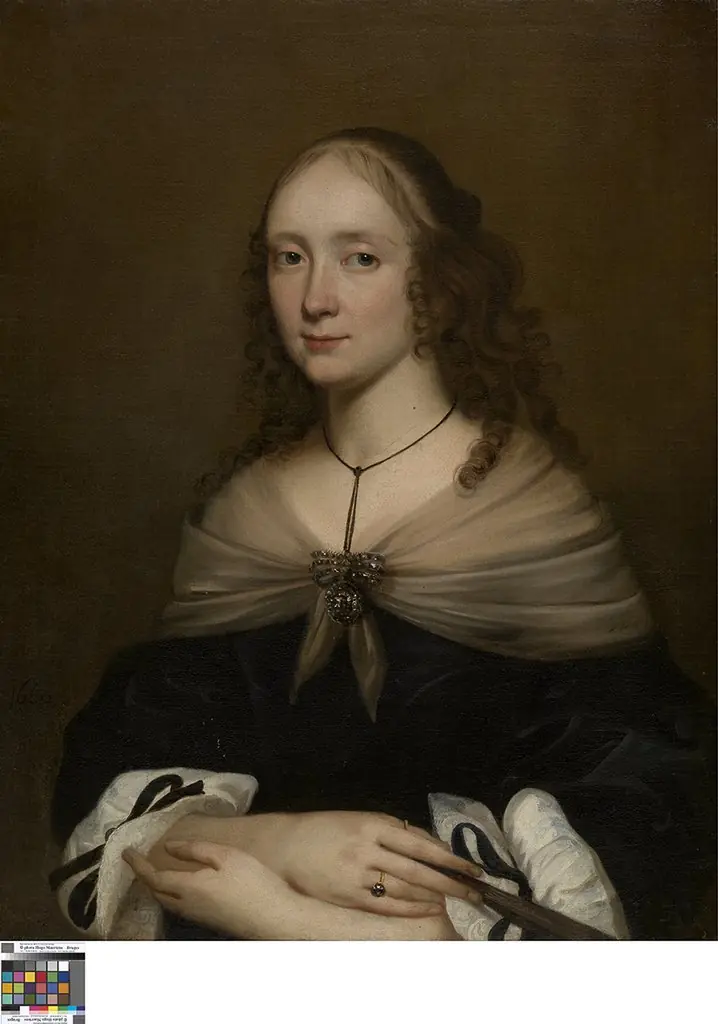 Portret van een vrouw
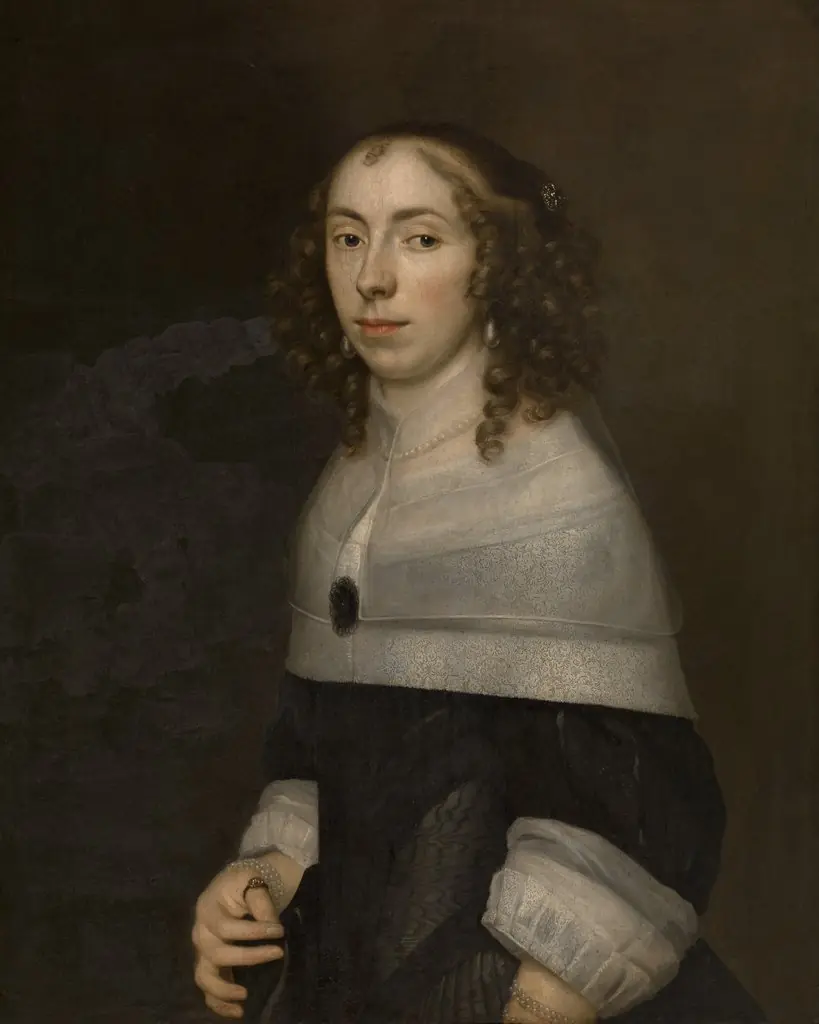 Portrait of Geertruijd Coenen (1635-1716)
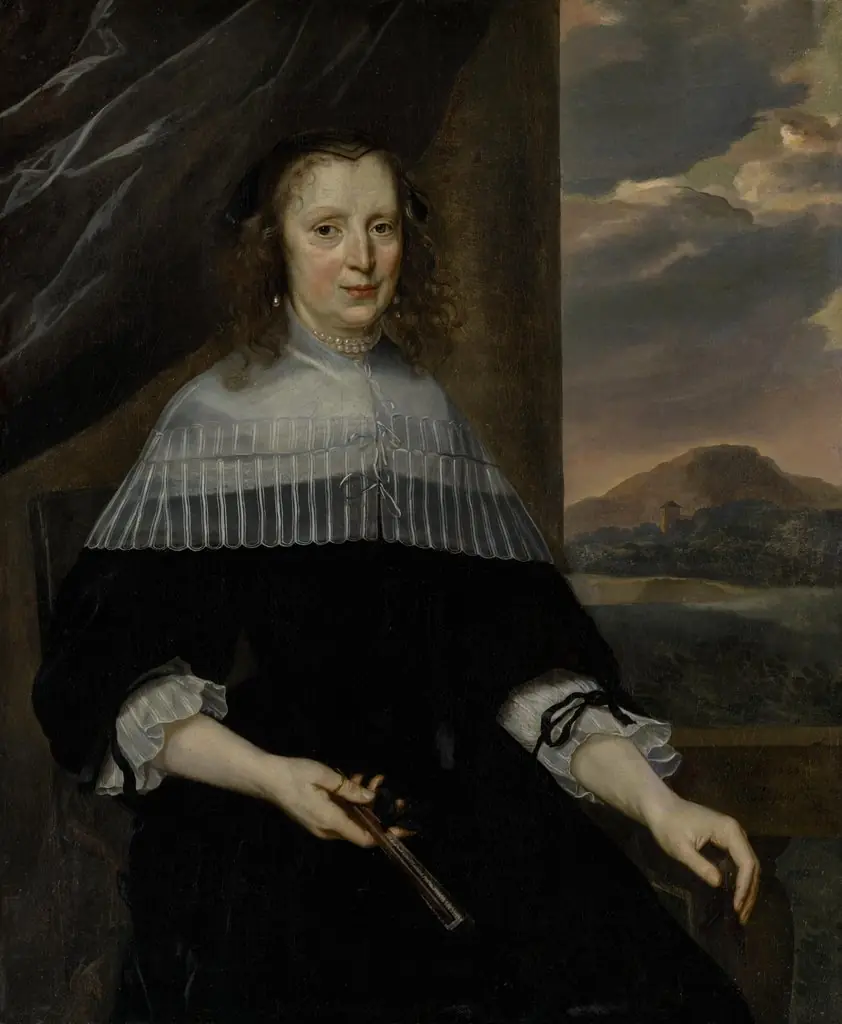 Bildnis einer Dame
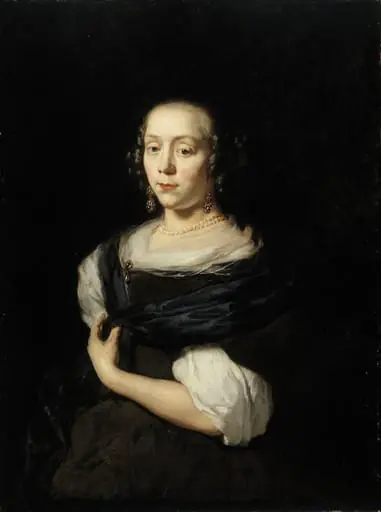 Nuoren naisen muotokuva
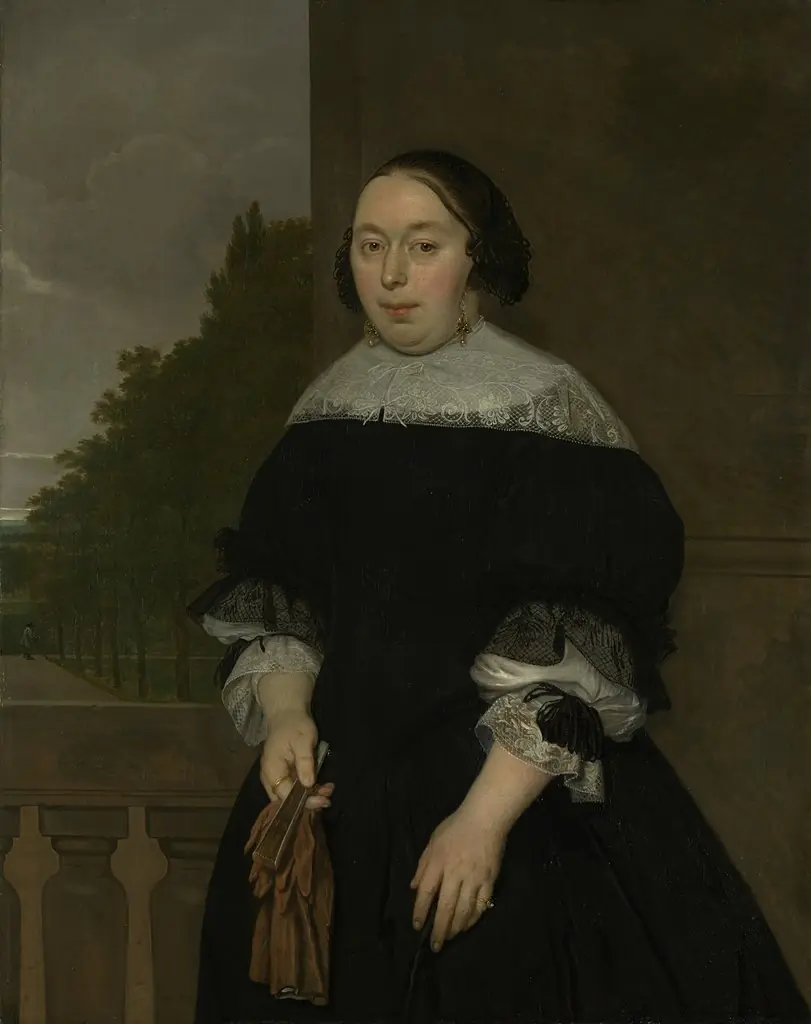 Portrait of Aletta van Ravensberg (1635-77). Wife of Jan van Nes
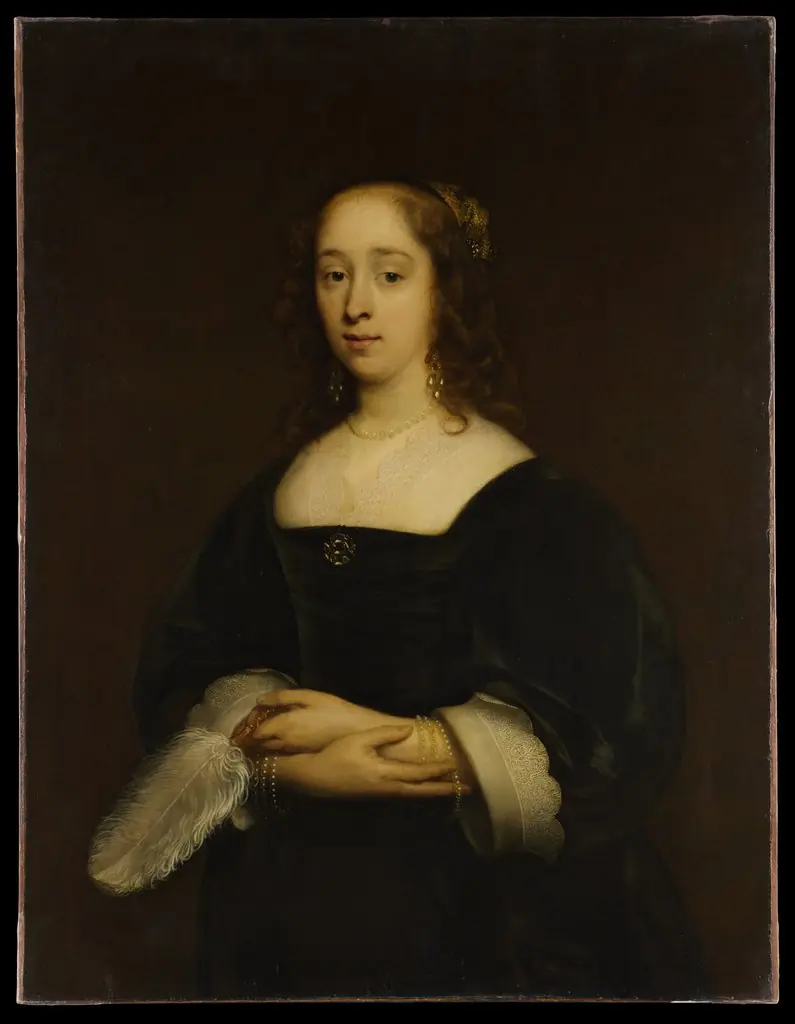 Portrait of a Woman
 Portrait of a lady with a folding fan
 Portrait of a Woman