Artwork
Portrait of a woman
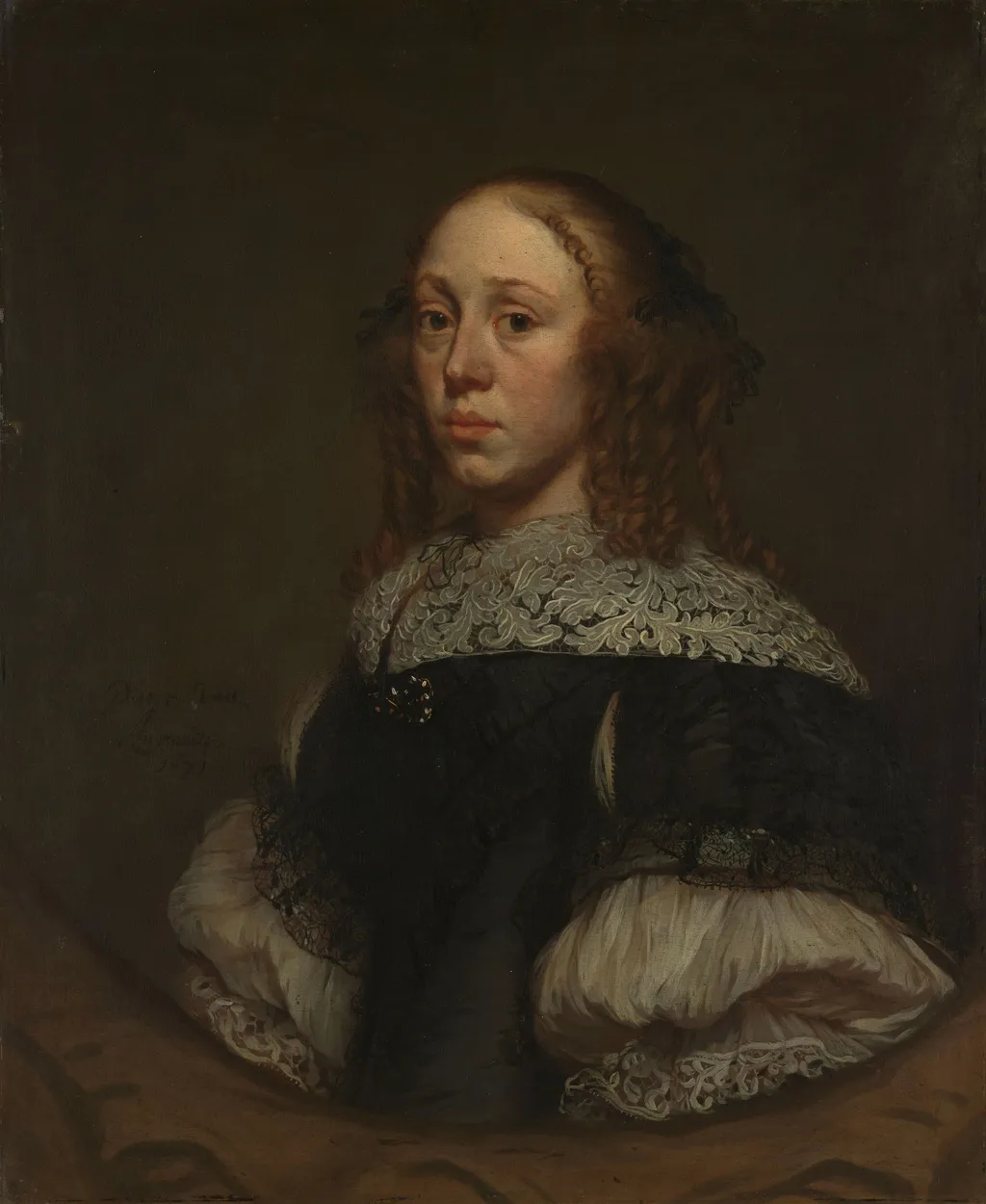
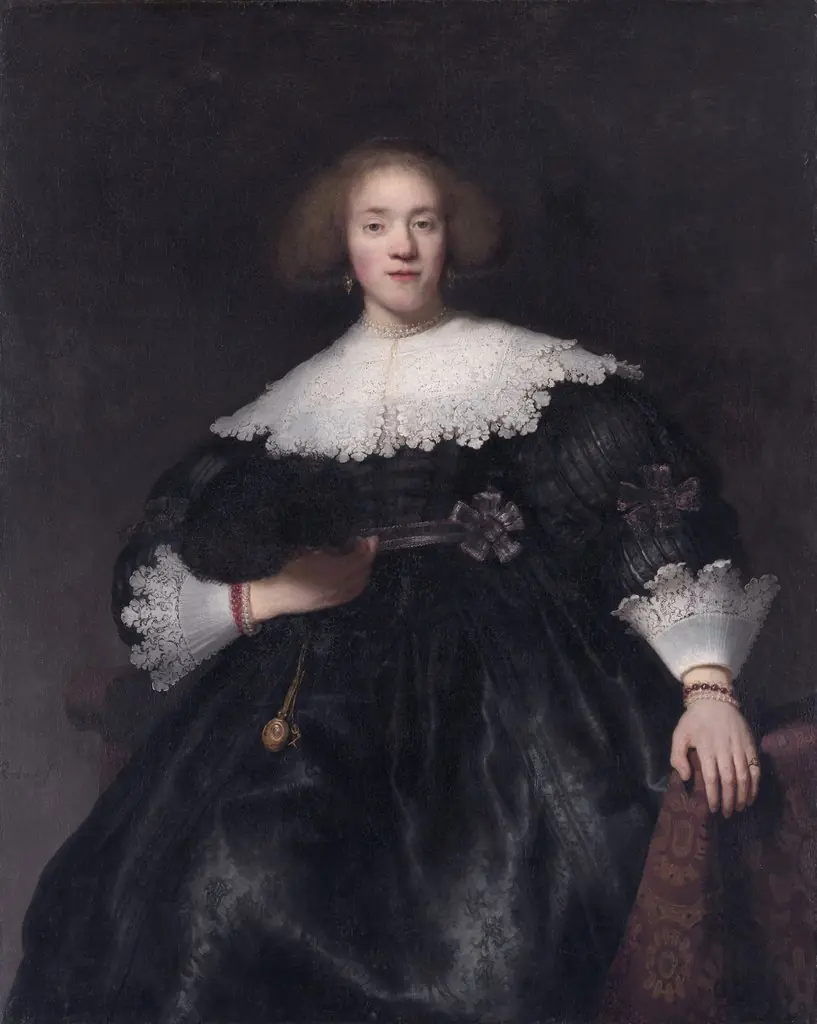
Portrait of a woman is an oil painting by Pieter van Anraedt. It dates from 1671 and is held in the collection of the Rijksmuseum.
About this work
Overview
Painted in 1671 by Pieter van Anraedt, this oil portrait depicts an unidentified woman characterized by her light brown hair and a composed, serious demeanor.
Painted in 1671 by Pieter van Anraedt, this oil portrait depicts an unidentified woman characterized by her light brown hair and a composed, serious demeanor. The composition adheres to the conventions of Dutch Golden Age portraiture, utilizing a dark, unadorned background to isolate the figure and emphasize the play of light on her face and attire. She wears a dark dress featuring an elaborate lace collar and matching cuffs, with a black sleeve visible beneath the collar. Her hands are positioned gently in her lap, contributing to the work's sense of stillness and dignity. Van Anraedt, a pupil of Gerard ter Borch known for his refined handling of light and texture, executed this work during the final decade of his career. The painting exemplifies his ability to render the subtle textures of lace and fabric while capturing the psychological reserve typical of his sitters. As a mid-career work from 1671, it reflects the artist's established style within the Utrecht school, focusing on intimate, half-length portraits that balance realistic detail with a restrained, elegant atmosphere.
Subject & Meaning
The portrait shows a woman with light brown hair, a composed expression, and hands folded gently in her lap. She wears a dark garment accented by an elaborate lace‑trimmed collar and cuffs, suggesting a degree of modest wealth, while the subdued demeanor hints at the period’s conventions of modesty and decorum.
Technique & Style
Van Anraedt employs a chiaroscuro effect, using a dark, neutral background to isolate the sitter’s face and attire. Soft, directional lighting accentuates the contours of her features and the intricate lace, creating a subtle three‑dimensionality that draws the viewer’s eye to the eyes and textile details.
History & Provenance
Since its completion in the early 1670s, the painting has remained in Dutch hands, eventually entering the Rijksmuseum’s holdings. Documentation traces its acquisition to the museum’s early 20th‑century expansion of Dutch Golden Age works, though earlier ownership records are sparse.
Context
The work reflects the Dutch Golden Age’s focus on individual portraiture, where artists often captured members of the burgeoning middle class. Van Anraedt, active in Amsterdam, was known for his precise rendering of fabrics and restrained compositions, aligning this portrait with contemporary trends in realism and moral propriety.
Own this work as a print
Artist & collection

 Portrait of a Woman
 Portrait of a Woman
 Portrait of a Woman
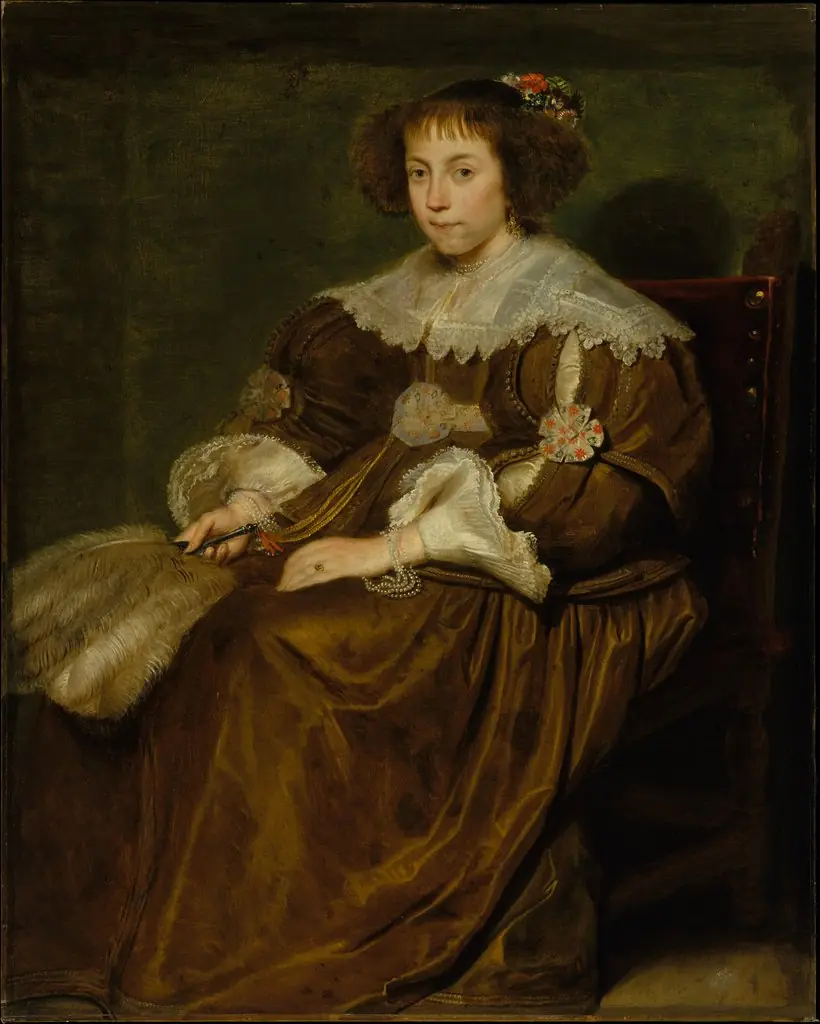 Portrait of a Young Woman
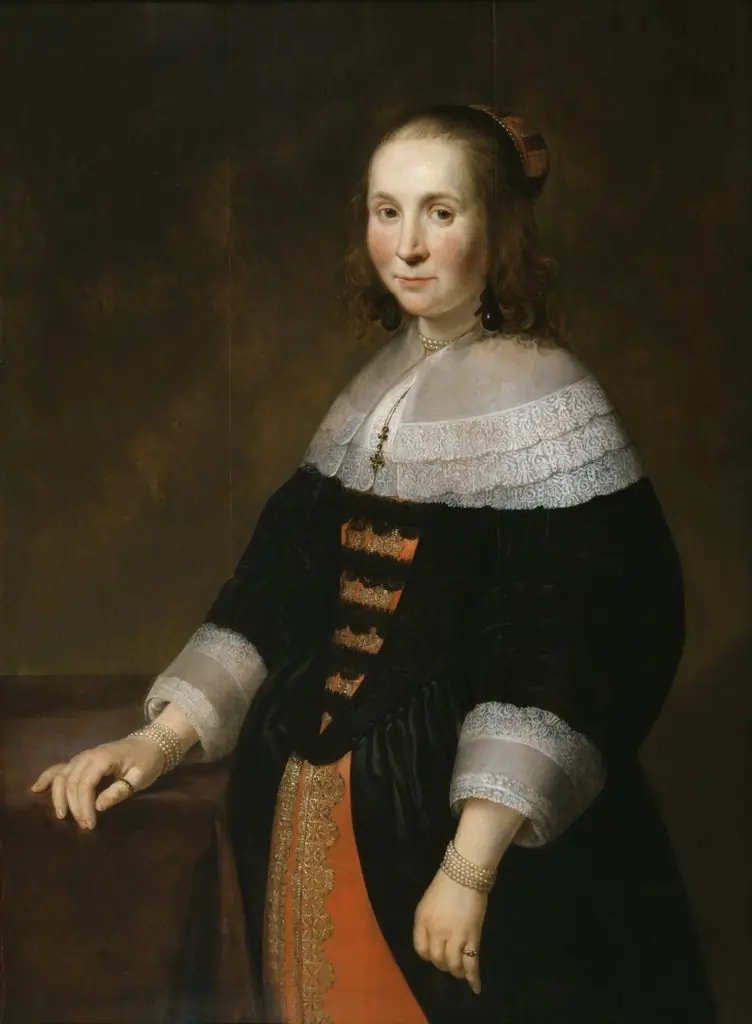 Portrait of a Wife
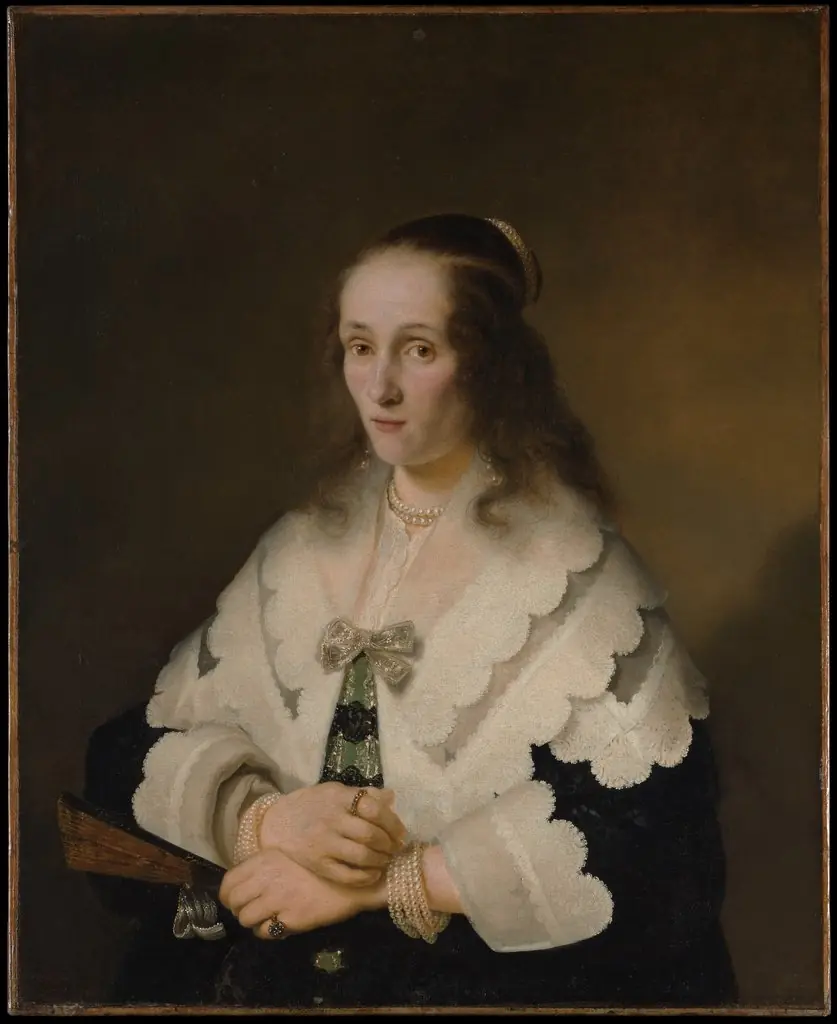 Portrait of a Woman
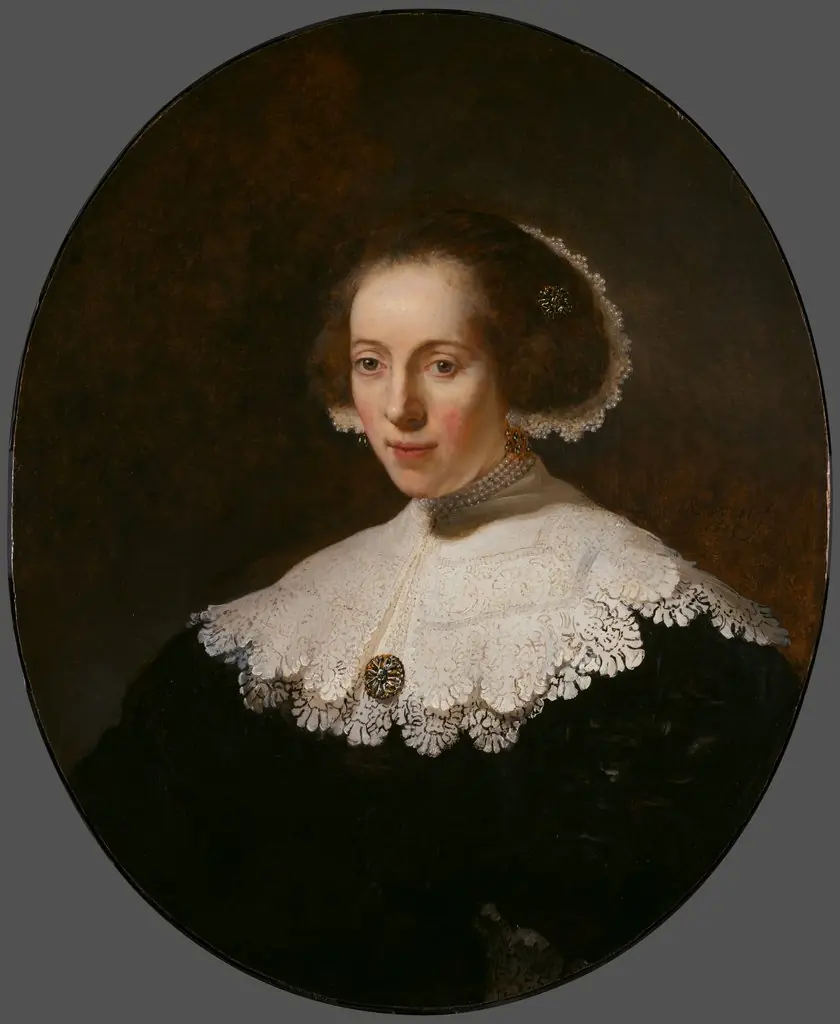 Portrait of a Woman
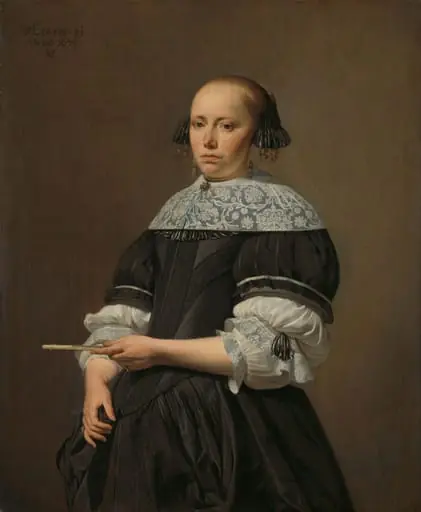 Portrait of Elisabeth Pietersdr Kessels (1640-1717)
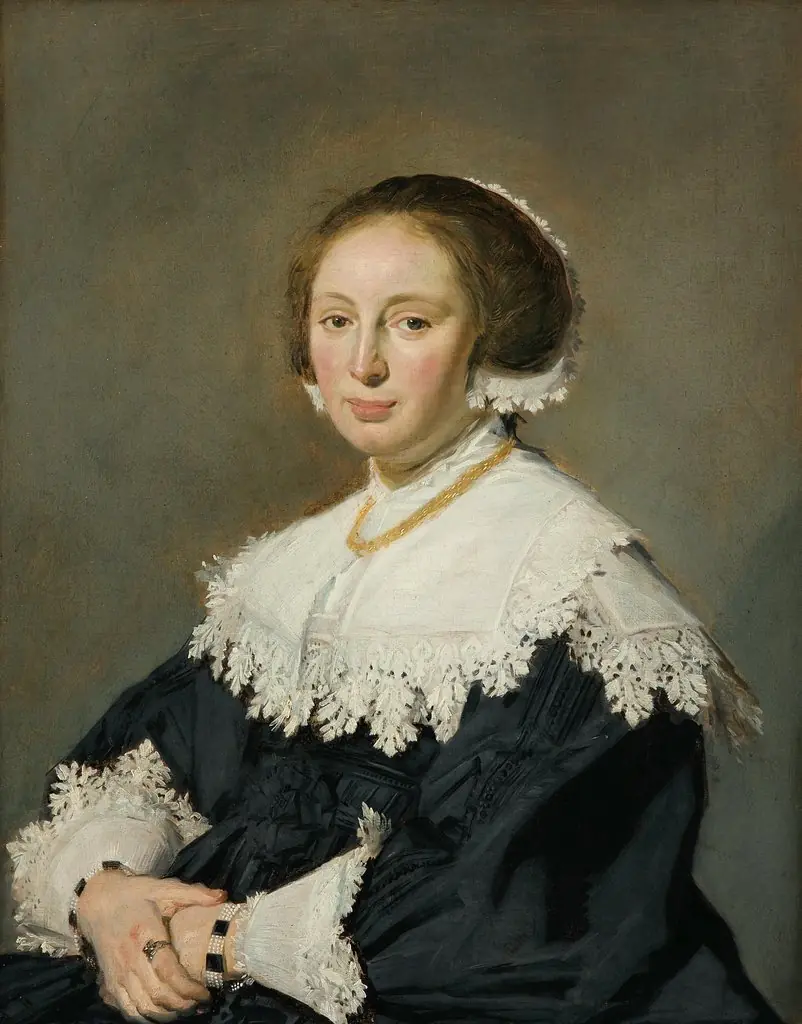 Portrait of a Woman
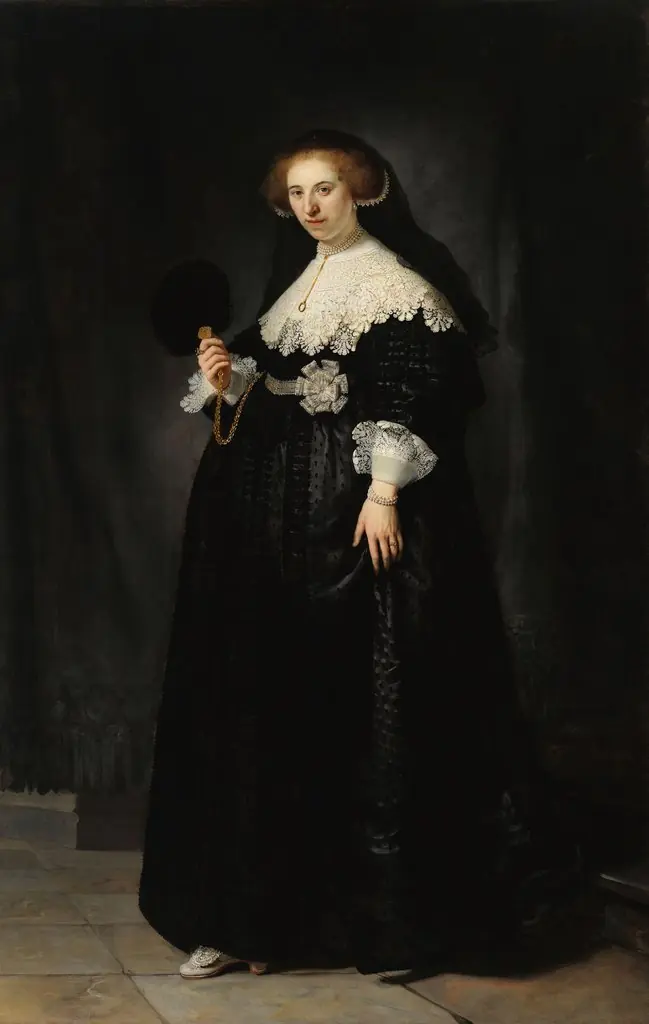 Portrait of Oopjen Coppit
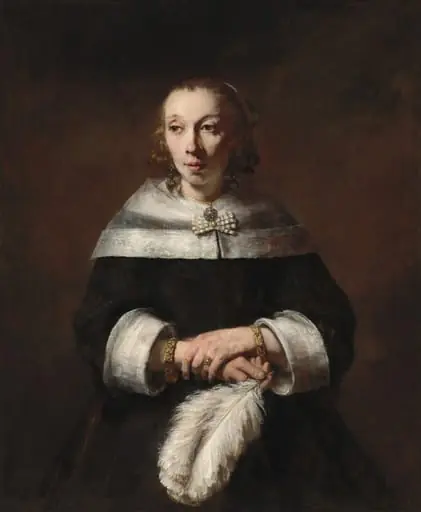 Portrait of a Lady with an Ostrich-Feather Fan
 Portrait of a Young Woman with a Fan