Artwork
Portrait of Four Children
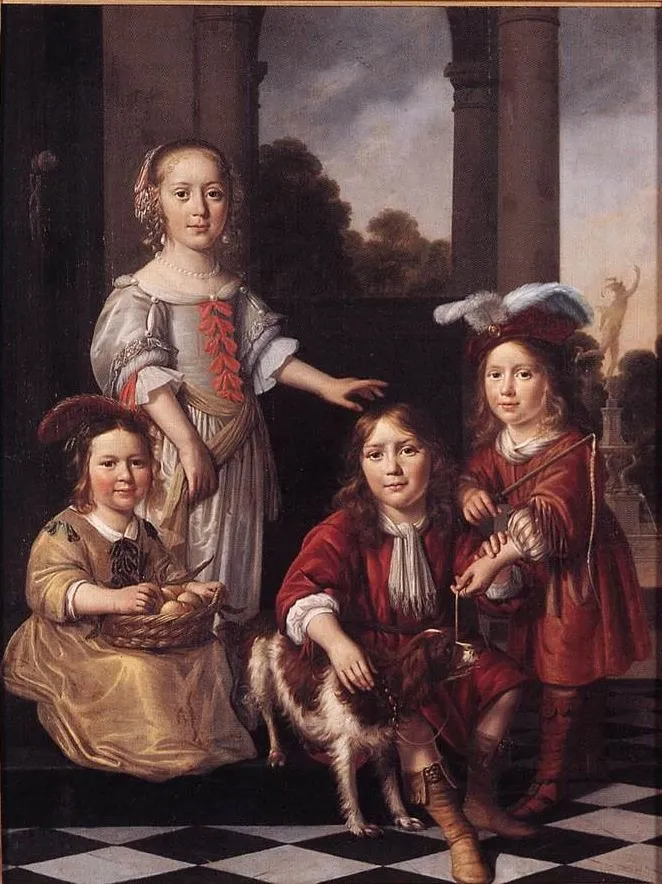
Portrait of Four Children is an oil painting by Nicolaes Maes. It dates from 1657 and is held in the collection of the Groeningemuseum.
About this work
Overview
Painted in 1657 by Nicolaes Maes, this oil portrait captures four children in a softly lit interior-exterior setting.
Painted in 1657 by Nicolaes Maes, this oil portrait captures four children in a softly lit interior-exterior setting. Maes, trained in Rembrandt’s studio, was known for his sensitive portrayals of domestic life. The composition balances formal portraiture with subtle narrative cues, characteristic of Dutch Golden Age painting. The work resides today in the Groeningemuseum in Bruges, preserving its original condition and atmospheric detail.
Subject & Meaning
The four children are arranged with quiet dignity, each positioned to suggest individual temperament. The girl, standing with a basket, may symbolize domestic readiness; the boy with the dog embodies companionship, while the others sit or lean, conveying stillness and contemplation. The apple and tree hint at innocence or moral growth, common allegorical references in Dutch family portraits of the era, without overt moralizing.
Technique & Style
Maes employs chiaroscuro to model the children’s forms against a dim, architectural backdrop, enhancing volume and spatial depth. The black-and-white tiled floor anchors the scene, while the blurred landscape beyond suggests a transition from interior to natural world. Textures are rendered with precision—fabric folds, fur, and feathered hats—showing his mastery of surface detail and controlled brushwork inherited from Rembrandt’s tradition.
History & Provenance
Commissioned by a wealthy Dutch family, the painting remained in private collections until entering the Groeningemuseum’s holdings. Its preservation reflects its early recognition as a significant example of Maes’s portraiture. No major alterations or restorations are documented, allowing the original tonal harmony and compositional balance to remain intact since its completion in 1657.
Context
In mid-17th-century Holland, portraits of children were increasingly commissioned by the urban elite to affirm familial status and moral values. Unlike grand royal portraits, these works emphasized quiet intimacy and domestic virtue. Maes’s blending of individual likeness with symbolic objects aligned with broader cultural trends that valued childhood as a distinct, morally significant phase of life.
Legacy
The painting exemplifies Maes’s transition from genre scenes to refined portraiture, influencing later Dutch artists who sought to capture psychological nuance within domestic settings. Its restrained elegance and attention to light and texture contributed to the evolving language of bourgeois portraiture in the Netherlands, setting a standard for familial representation that endured beyond his lifetime.
Artist & collection
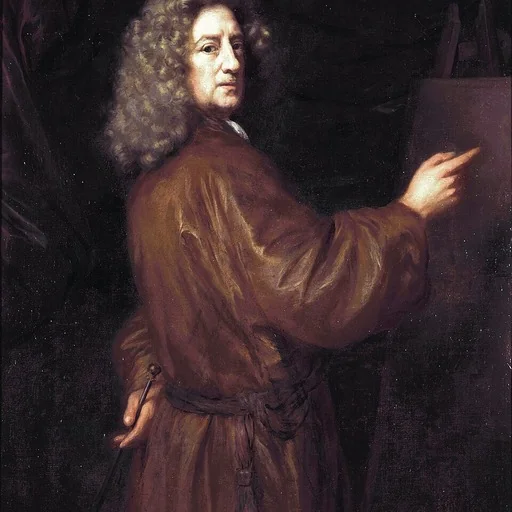
Artist
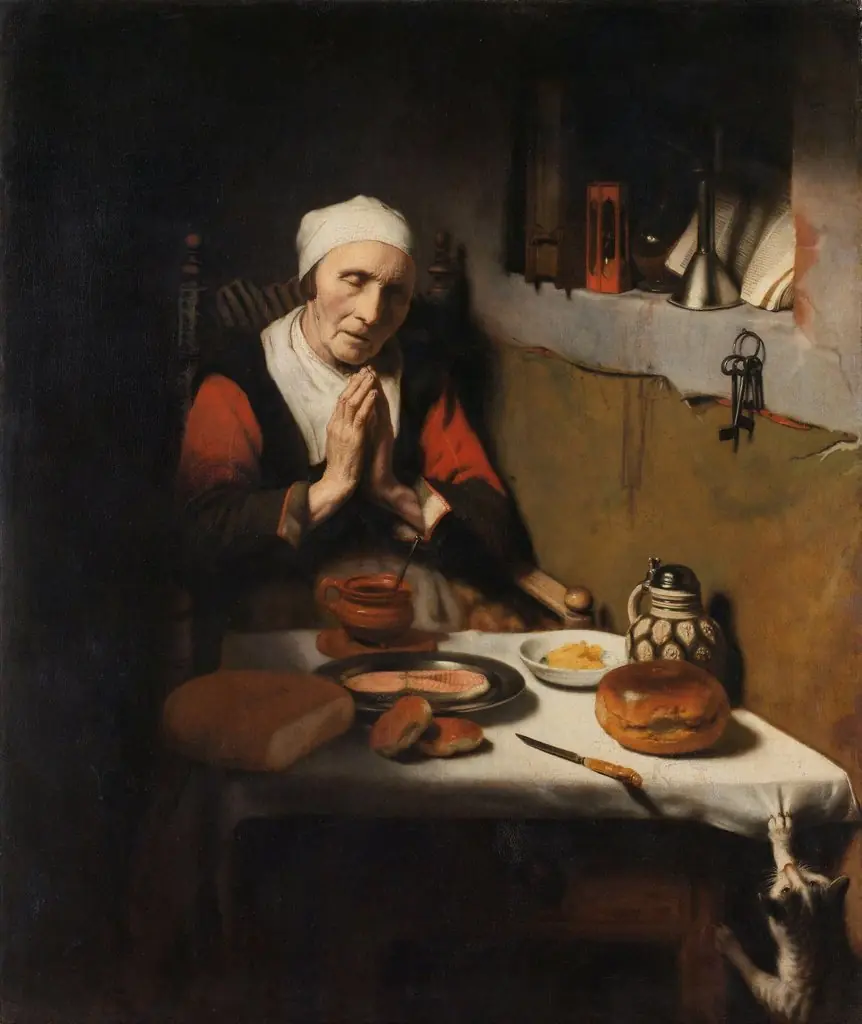
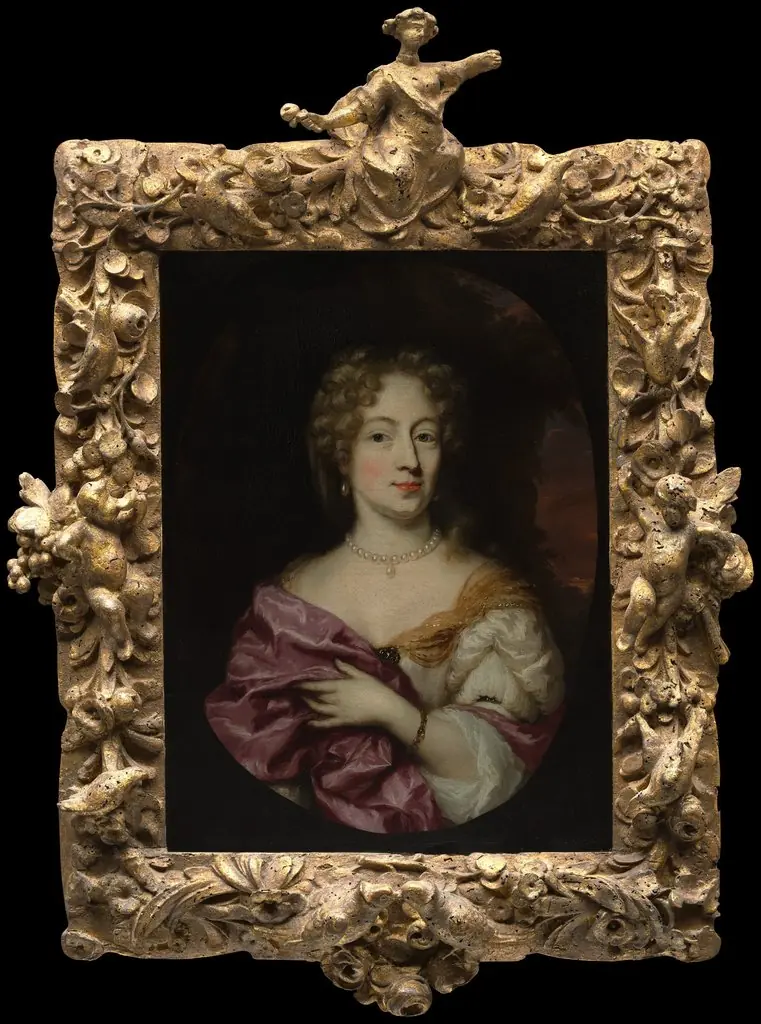
Nicolaes Maes (January 1634 – December 1693; buried 24 December 1693) was a Dutch painter known for his genre scenes, portraits, religious compositions and the occasional still life.

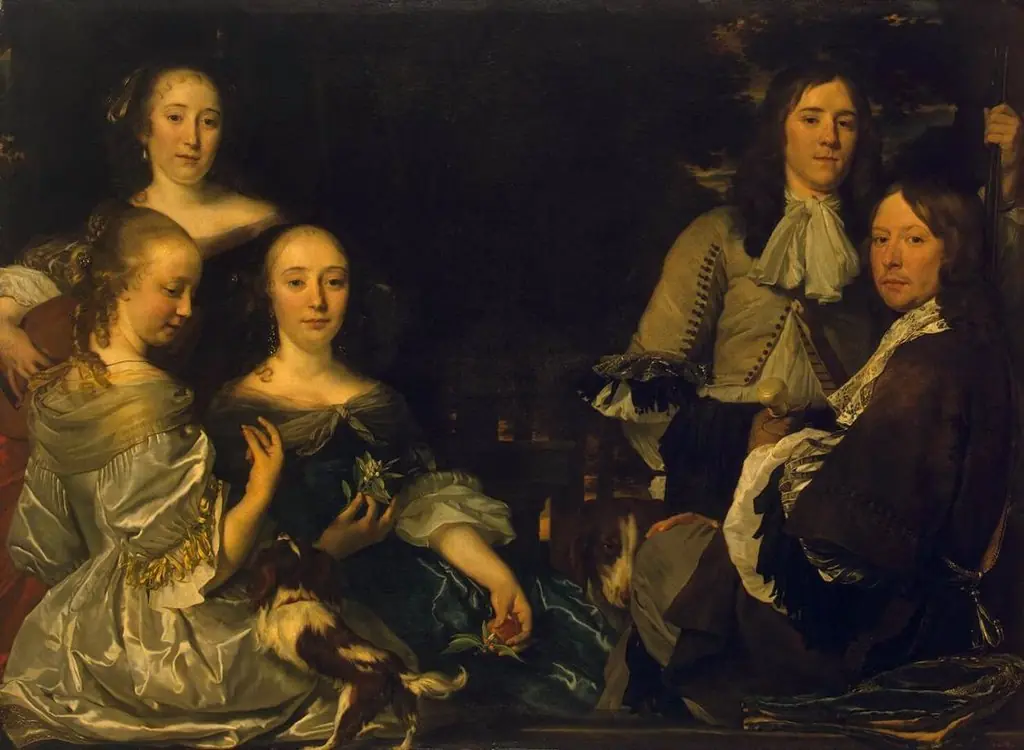 Family Portrait
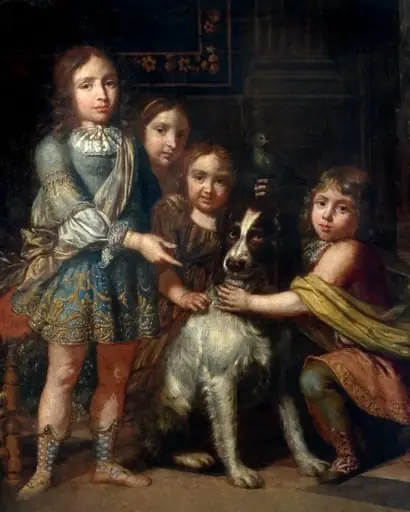 Portret de grup (patru copii și un câine)
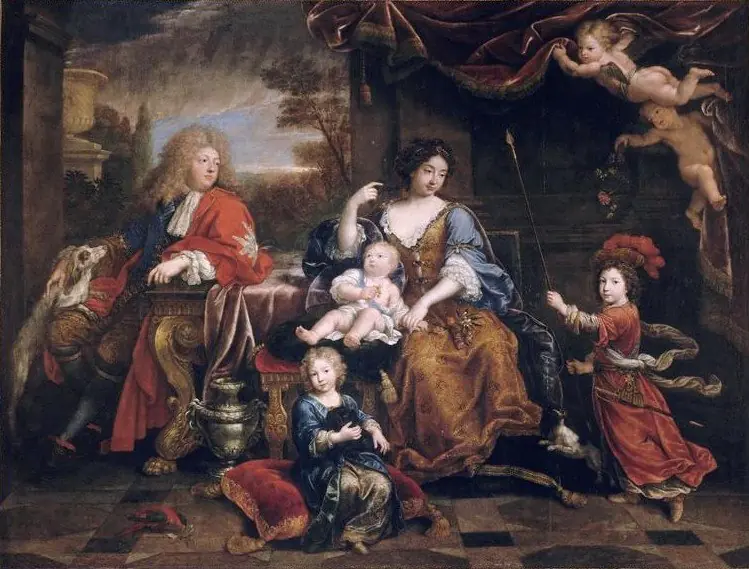 The family of the Grand Dauphin, Louis of France (1661-1711)
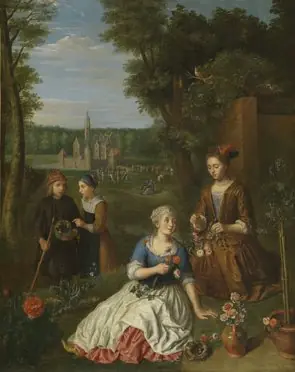 Gemini (The Month of May)
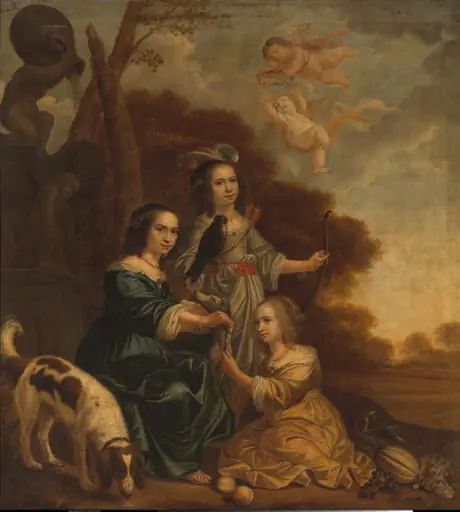 Untitled
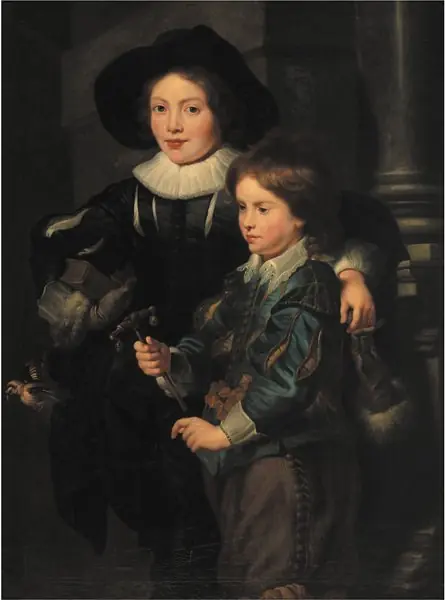 Rubens' sønner
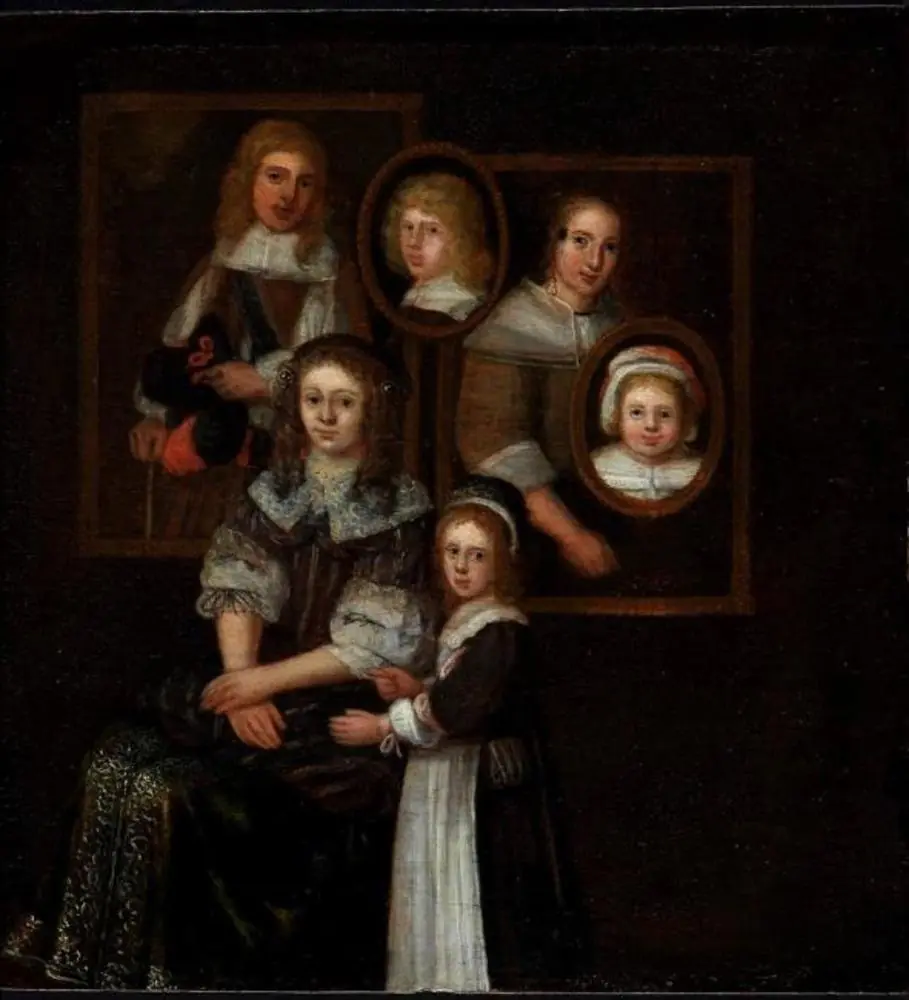 Family group
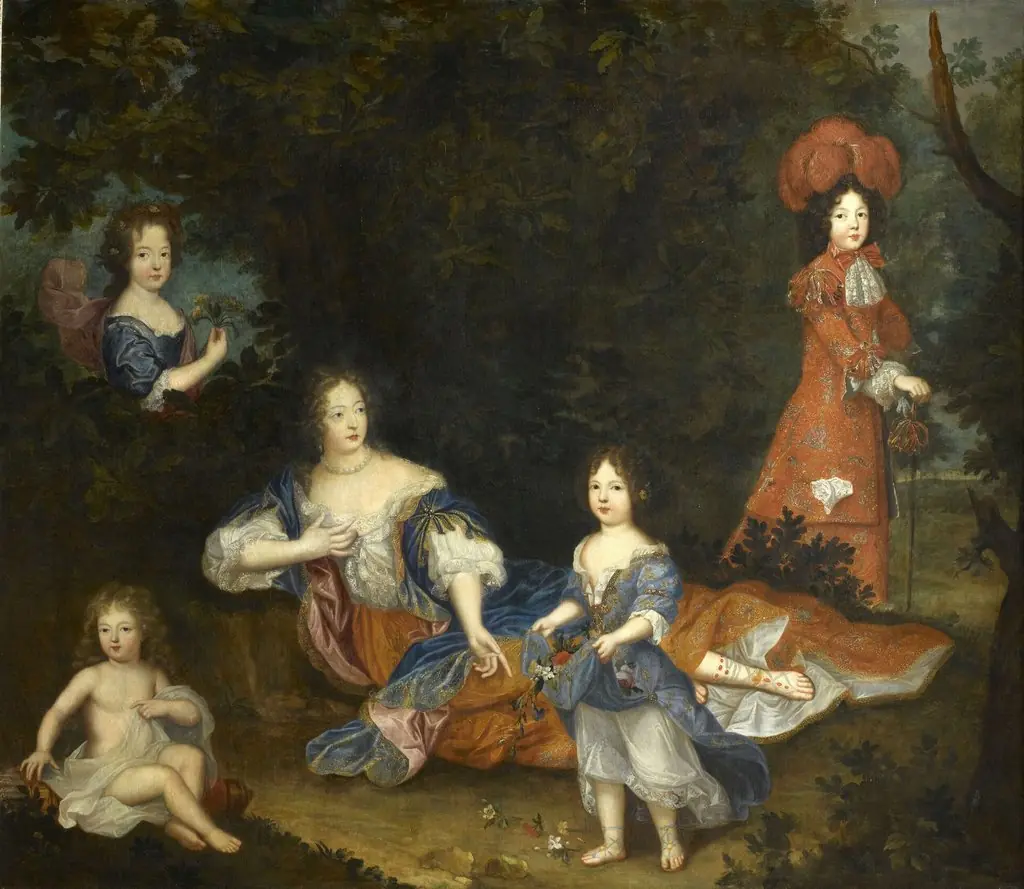 Françoise-Athénaïs de Rochechouart, Marquise de Montespan and her children
 Portrait of Lady Catherine and Lady Charlotte Talbot