Artwork
Family group
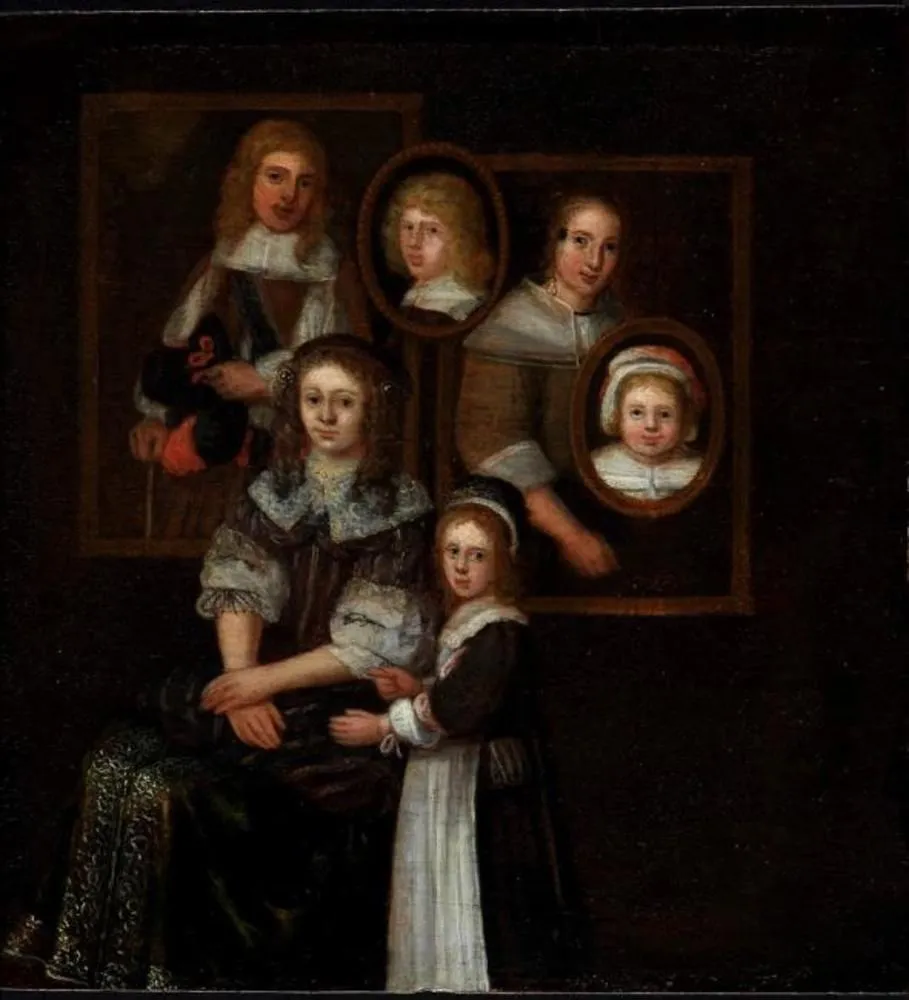
Family group is an oil painting by Abraham Willaerts. It dates from 1660 and is held in the collection of the Fitzwilliam Museum.
About this work
Overview
The composition centers on a seated couple with three children, framed by two smaller oval portraits and a larger one on the wall.
Painted in 1660 by Abraham Willaerts, this oil portrait depicts a family gathered in a domestic setting. Though Willaerts is best known for maritime subjects, this work reflects his versatility in portraiture. The composition centers on a seated couple with three children, framed by two smaller oval portraits and a larger one on the wall. The painting resides in the Fitzwilliam Museum’s collection, offering insight into Dutch familial representation of the period.
Subject & Meaning
The painting presents a nuclear family in a moment of quiet cohesion. The parents, dressed in formal attire, convey social standing, while the children’s simpler garments suggest youth and informality. The inclusion of portraits on the wall—likely of deceased relatives—implies lineage and remembrance. The arrangement balances intimacy with a sense of continuity, reinforcing familial identity and ancestral connection within a domestic space.
Technique & Style
Willaerts employs chiaroscuro to model forms with subtle light contrasts, enhancing the three-dimensionality of the figures. Impasto is used selectively on fabric and skin to add tactile richness, while glazing creates luminous skin tones and deep shadows. The background portraits are rendered with softer edges, distinguishing them as framed images rather than live subjects. The technique reflects a refined Baroque approach, prioritizing naturalism over theatricality.
History & Provenance
The painting entered the Fitzwilliam Museum’s collection in the 19th century, though its earlier ownership remains undocumented. It was likely commissioned by a wealthy Dutch merchant family, consistent with Willaerts’s clientele. No records indicate it was exhibited publicly before the 20th century. Its preservation in good condition suggests careful handling, possibly within the family until its acquisition by the museum.
Context
In mid-17th-century Holland, portraiture extended beyond individual likenesses to express familial and social values. While marine scenes dominated Willaerts’s output, group portraits were common among the urban elite seeking to commemorate kinship. This work aligns with a broader trend in Dutch art that merged personal identity with domestic ideals, reflecting the cultural emphasis on family life during the Golden Age.
Legacy
Though overshadowed by his seascapes, this portrait illustrates Willaerts’s skill in capturing psychological nuance and spatial harmony. It contributes to the understanding of his lesser-known portraiture practice and offers a rare example of a family composition by an artist otherwise associated with maritime themes. The painting remains a quiet testament to the domestic ideals of its time, preserved as part of a broader Dutch artistic heritage.
Artist & collection
Artist
Abraham Willaerts (c. 1603 - 18 October 1669) was a Dutch Baroque painter, mostly of marine and harbor scenes. He also painted a number of single and family portraits.

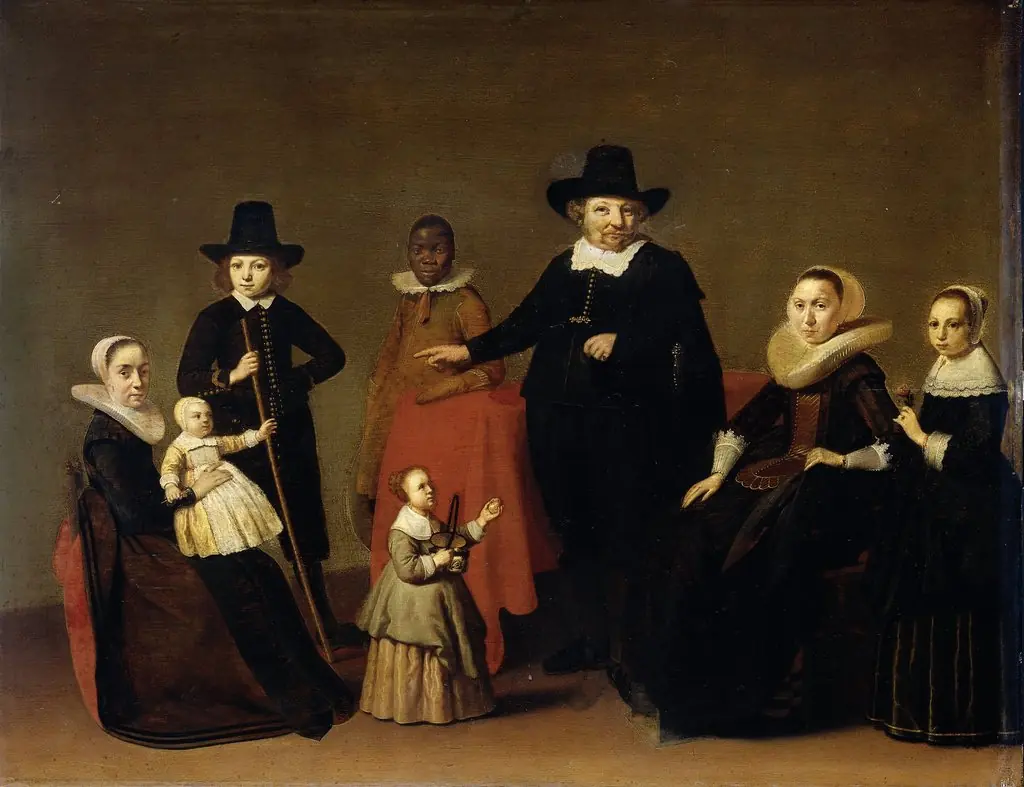 Family group with a black man
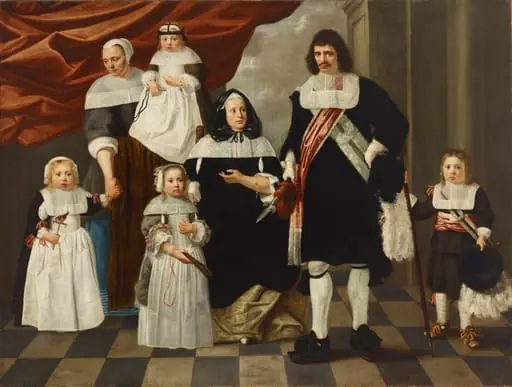 Perhemuotokuva
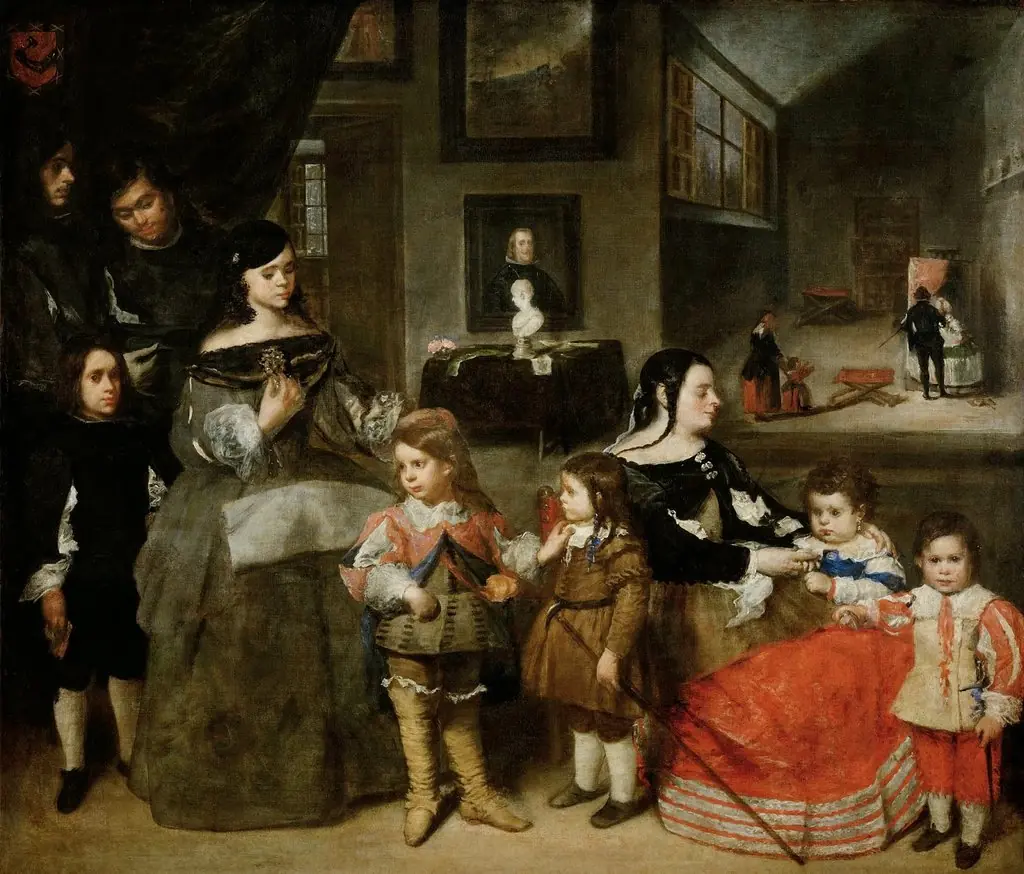 The Artist's Family
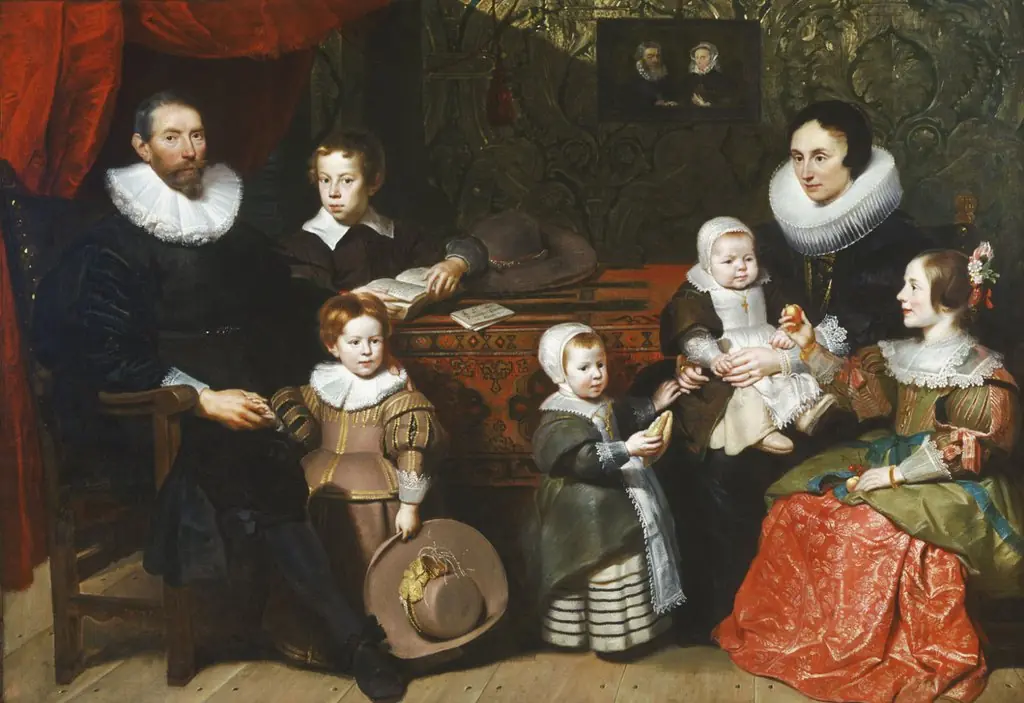 Portrait of Anthony Reyniers and His Family
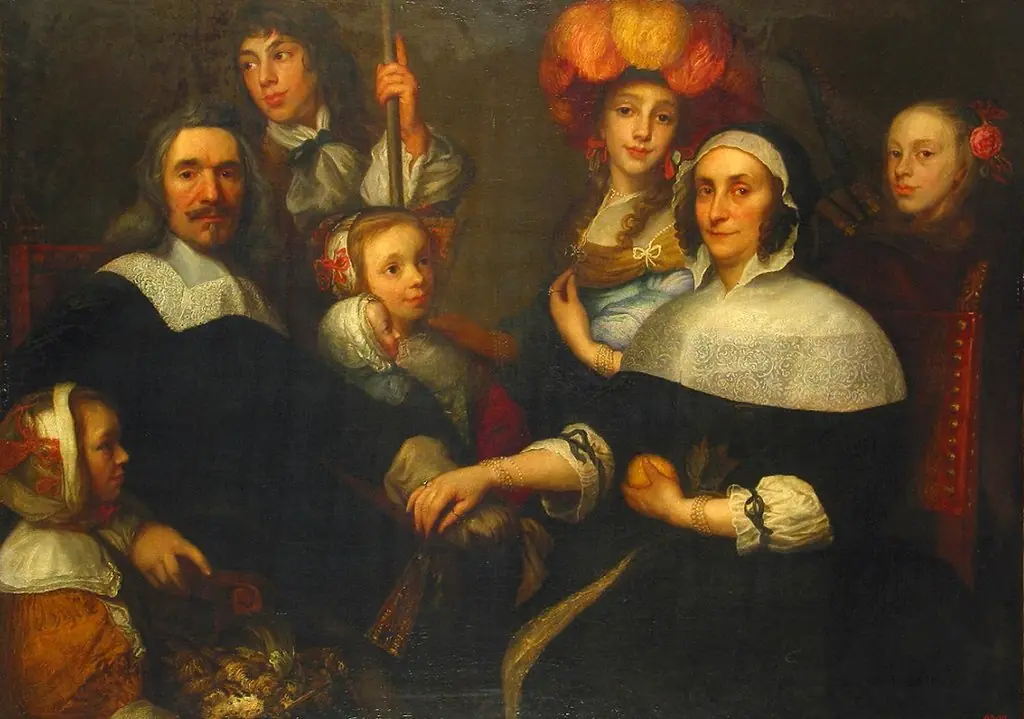 Family Portrait
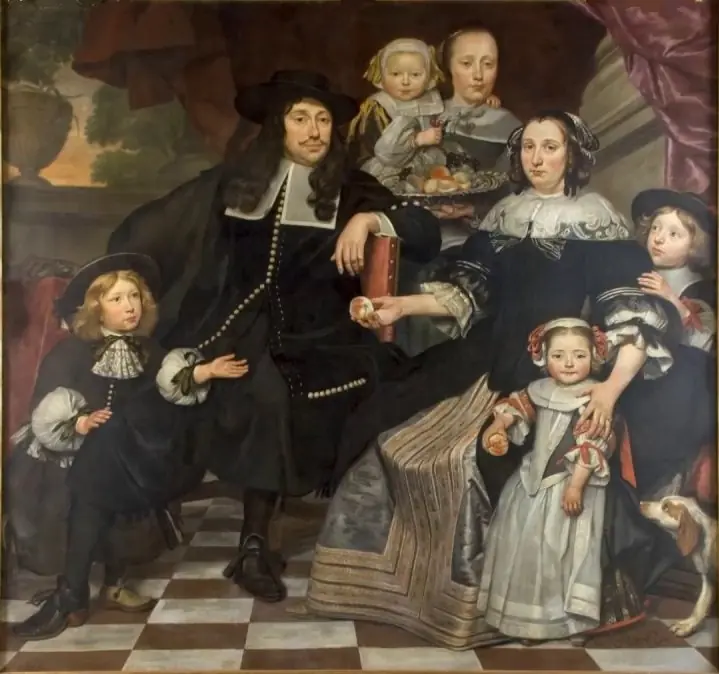 A family on the terrace of a country house
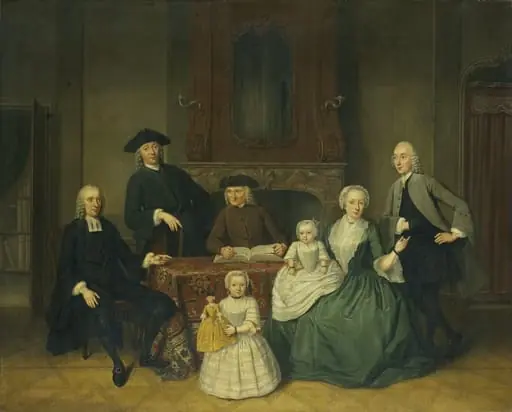 Portrait of the Brak Family, Amsterdam Mennonites
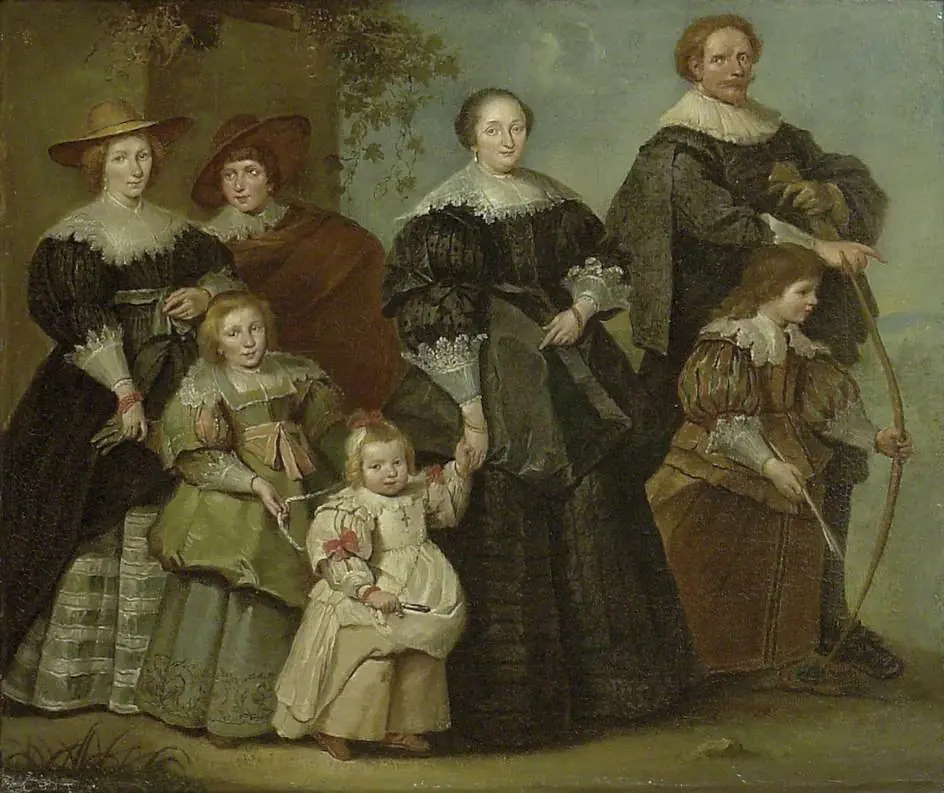 Self-Portrait of the Artist with his Wife Suzanne Cock and their Children
 Portrait of Joseph Leeson, 1st Earl of Milltown with his Third Wife Elizabeth, their Daughter Cecilia and his Grandson Joseph, later 3rd Earl of Milltown
 Portrait of a Family