Artwork
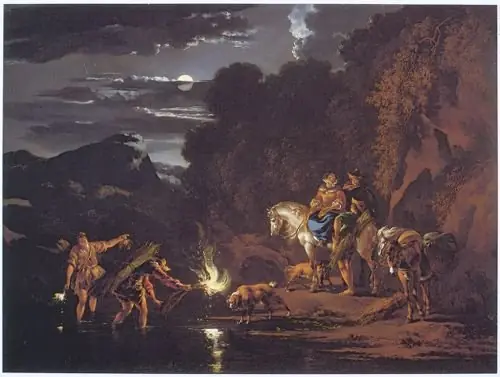
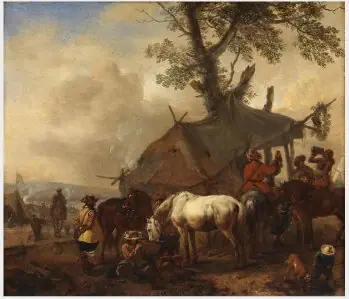
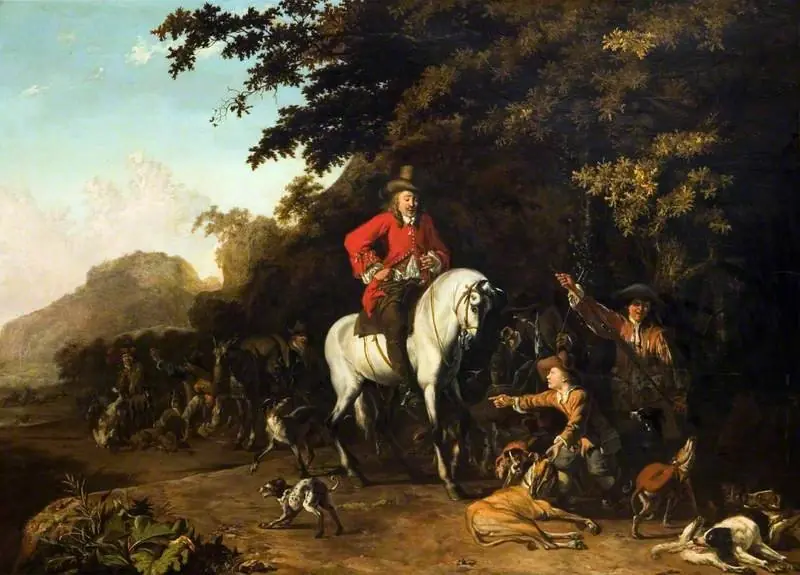
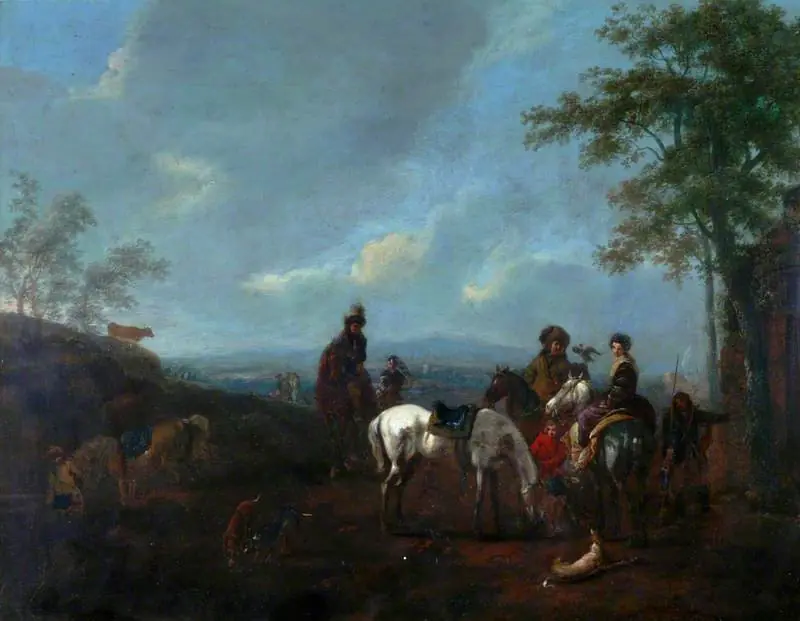
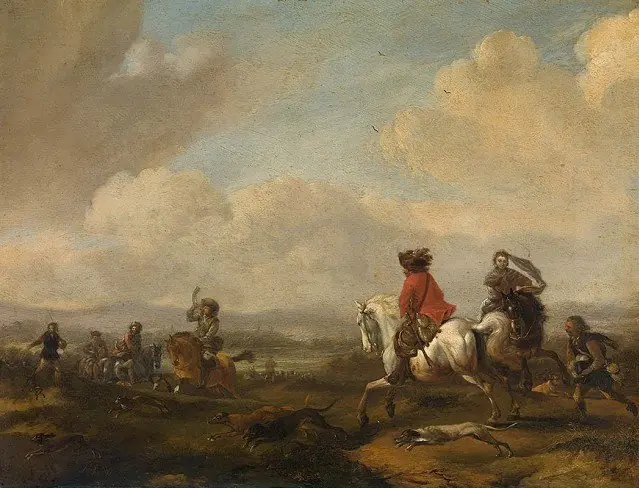
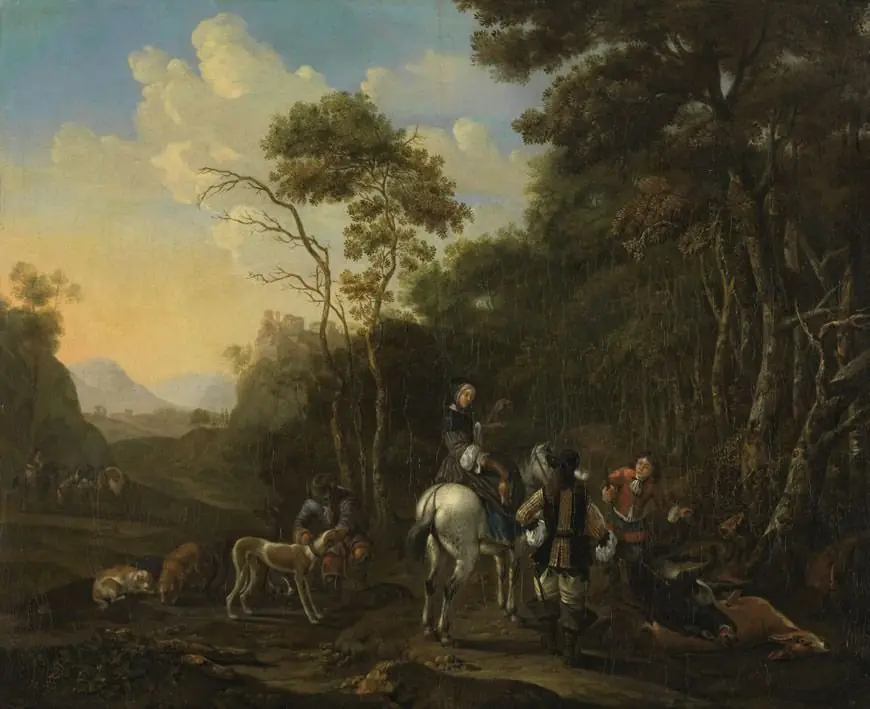
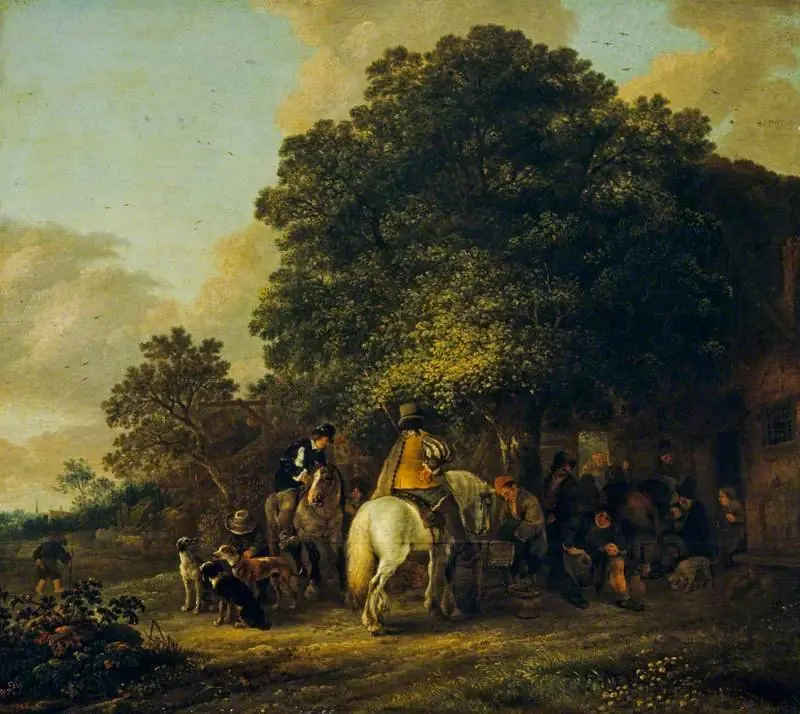
The Bird Trap: Encampment with a Figure on a White Horse
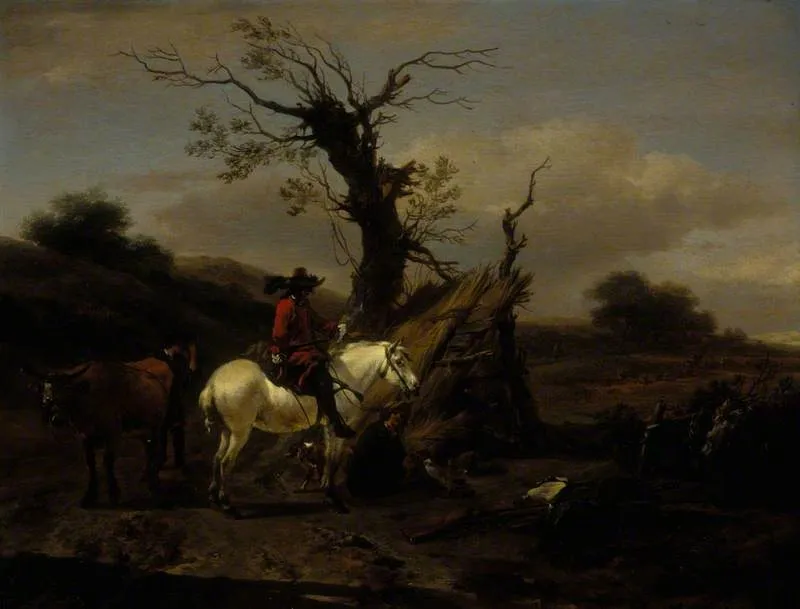
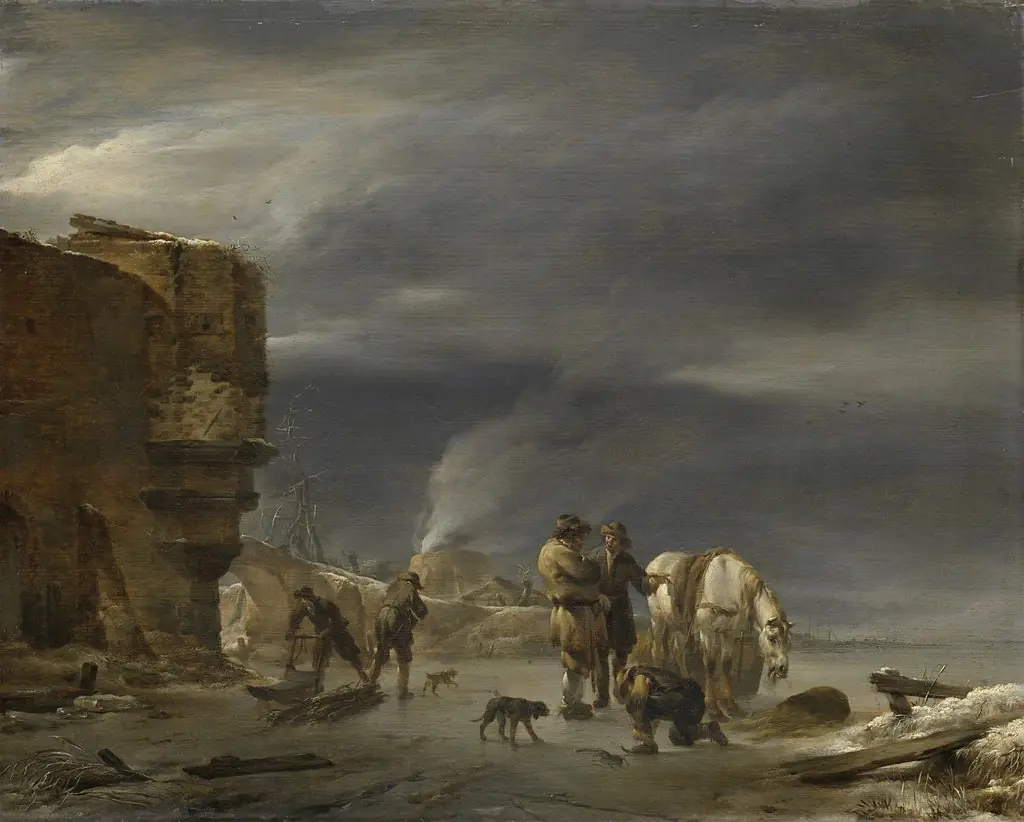
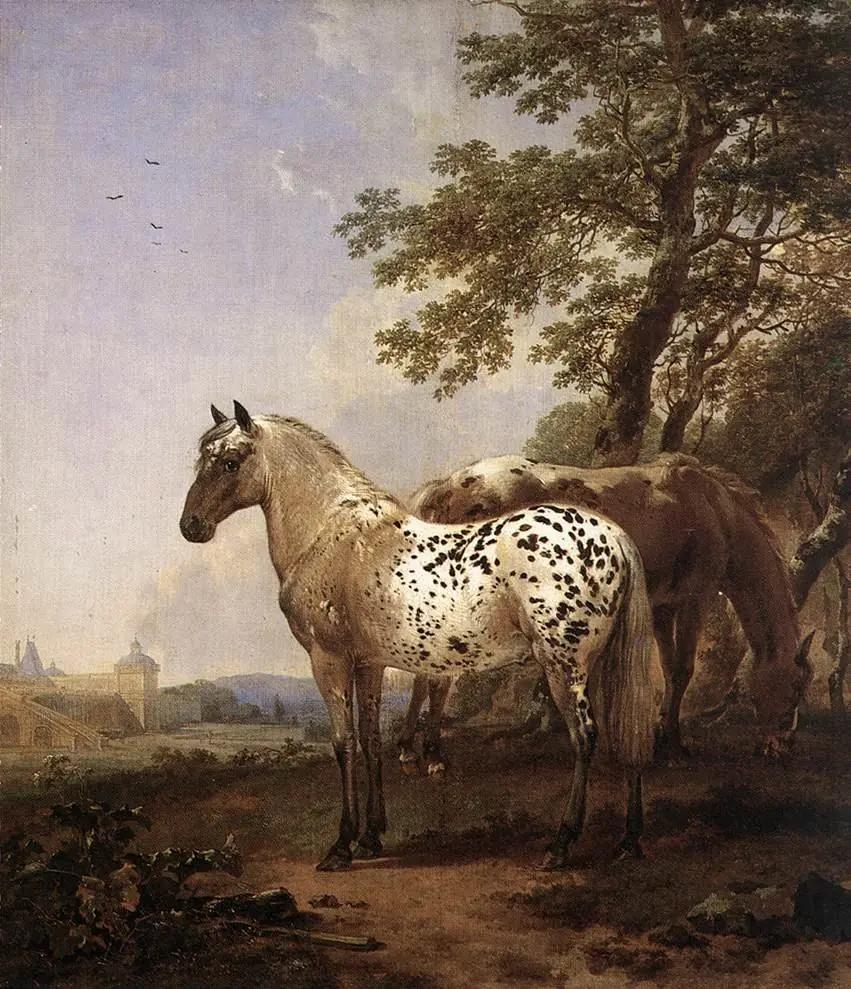
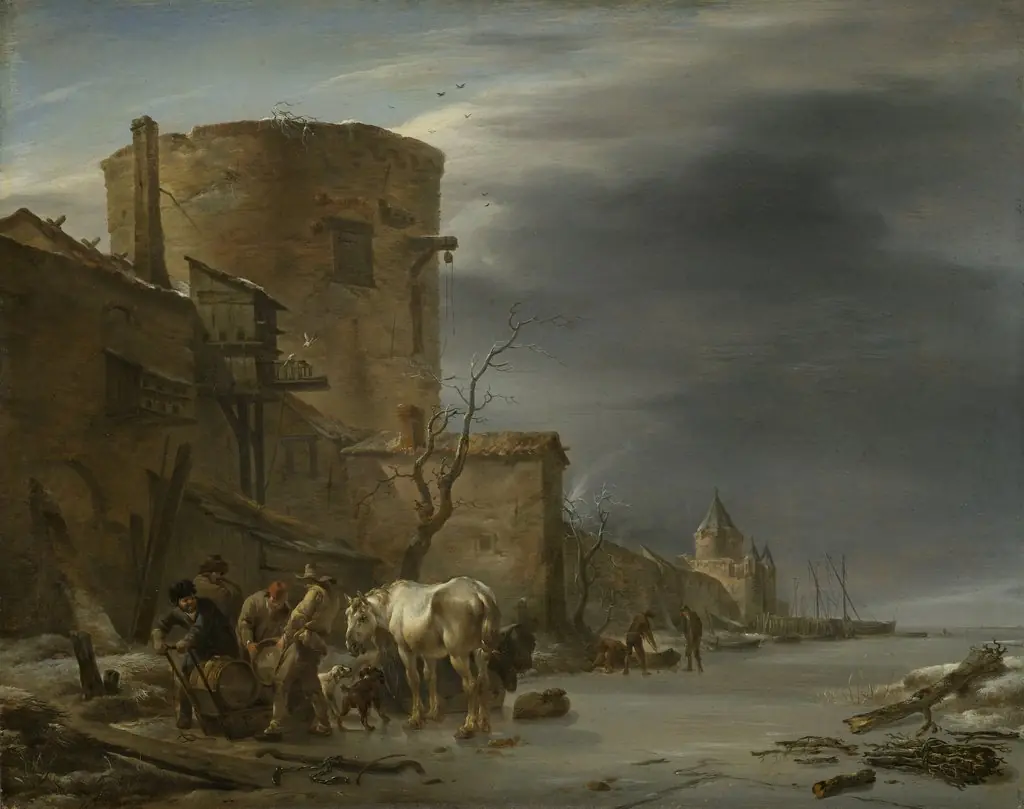
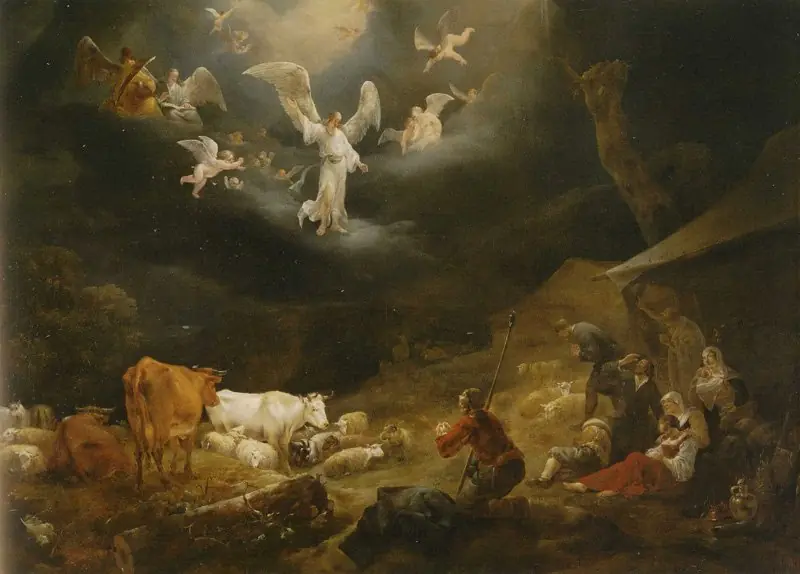
The Bird Trap: Encampment with a Figure on a White Horse is an oil painting by the Dutch Golden Age artist Nicolaes Pieterszoon Berchem. It dates from 1645 and is held in the collection of the National Galleries Scotland.
About this work
Overview
Painted in 1645 by Nicolaes Pieterszoon Berchem, this oil on canvas work presents a quiet rural encampment under a diffuse sky.
Painted in 1645 by Nicolaes Pieterszoon Berchem, this oil on canvas work presents a quiet rural encampment under a diffuse sky. Berchem, a prominent figure in Dutch Golden Age landscape painting, blends observed nature with subtle narrative elements. The scene unfolds with a solitary rider on a white horse in the foreground, while a cluster of figures attends to a structure in the middle distance, suggesting a bird trap. The composition balances stillness and quiet activity, characteristic of Berchem’s pastoral vision.
Subject & Meaning
The painting centers on a moment of rural labor—figures gathered near a bird trap, a device used to capture birds for food or sport. The mounted figure in red, possibly a landowner or overseer, observes without intervening. The scene evokes themes of human interaction with nature, not as dramatic confrontation but as routine engagement. No mythological or biblical references are overt; instead, the meaning lies in the quiet dignity of everyday rural life, rendered with restraint and observation.
Technique & Style
Berchem employs chiaroscuro to model forms and suggest atmospheric depth, with soft transitions between light and shadow. His brushwork is deliberate yet visible, particularly in the textured rendering of foliage and the horse’s coat. Glazing techniques enhance the luminosity of the sky and the muted tones of the landscape. The palette favors earthy ochres, greens, and muted reds, harmonizing with the natural setting. The composition directs the eye from the foreground rider toward the distant activity, creating a layered sense of space.
History & Provenance
Created during Berchem’s mature period, the painting entered the collection of the Scottish National Gallery in the 19th century. It was likely acquired through private collections in Britain, following the broader 18th- and 19th-century interest in Dutch Golden Age works. While its early ownership history is not fully documented, its presence in the gallery reflects its recognized place within the tradition of Dutch landscape painting, valued for its technical refinement and serene atmosphere.
Context
Berchem worked within the Dutch Italianate tradition, influenced by artists who traveled to Italy and brought back compositional ideas rooted in classical antiquity. Yet in this work, he avoids overt classical references, focusing instead on the Dutch countryside. The painting aligns with a broader trend in mid-17th-century Dutch art: the elevation of ordinary rural scenes to subjects worthy of careful observation and artistic treatment, reflecting contemporary values of order, labor, and harmony with nature.
Legacy
Berchem’s influence extended to later landscape painters through his synthesis of naturalism and compositional grace. While not as widely known today as some contemporaries, his works like this one contributed to the development of the Dutch pastoral genre. The painting remains a quiet example of how everyday rural life could be rendered with nuance and calm authority, preserving a moment of unassuming human activity within a timeless landscape.
Artist & collection
Artist
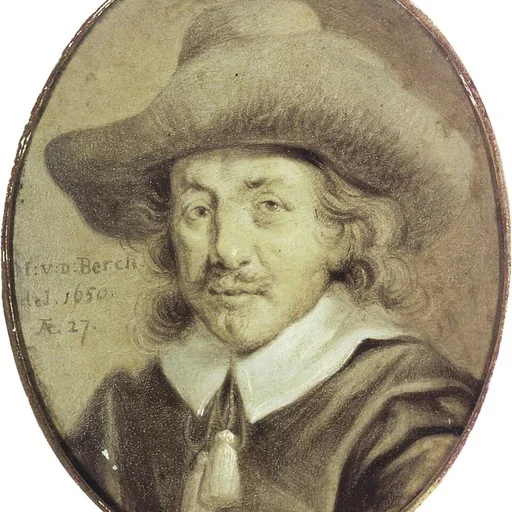
Nicolaes Pieterszoon Berchem (1 October 1620 – 18 February 1683) was a highly esteemed and prolific Dutch Golden Age painter of pastoral landscapes, populated with mythological or biblical figures, but also of a number of allegories and…