Artwork
The Greek Poet Anacreon and Bathyll
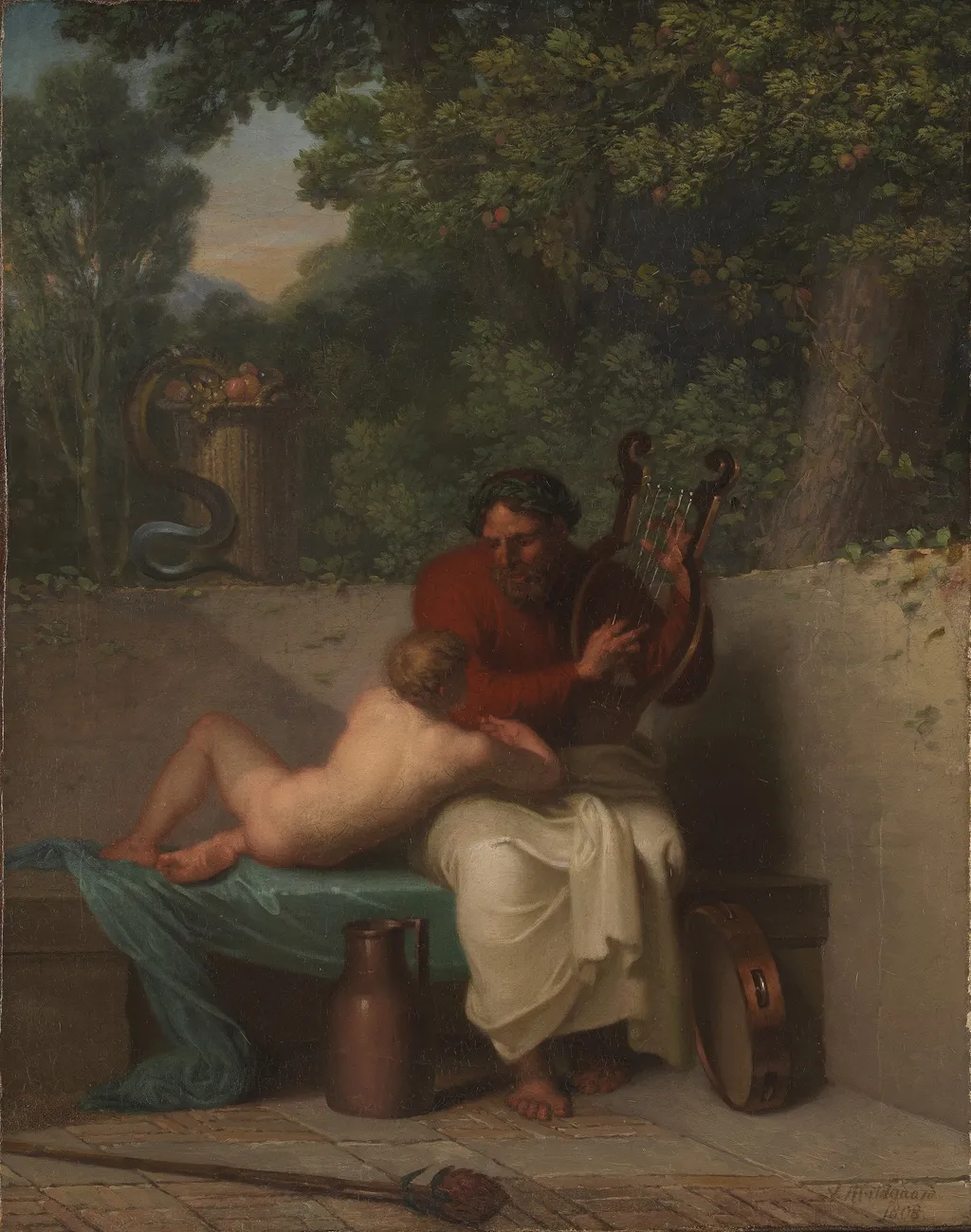
The Greek Poet Anacreon and Bathyll is an oil painting by Nicolai Abildgaard. It dates from 1808 and is held in the collection of the Statens Museum for Kunst.
About this work
Overview
Painted in 1808 by Danish artist Nicolai Abildgaard, this oil-on-canvas work portrays a scene from ancient Greek literary tradition.
Painted in 1808 by Danish artist Nicolai Abildgaard, this oil-on-canvas work portrays a scene from ancient Greek literary tradition. Abildgaard, a professor at the Royal Danish Academy of Art, was known for his engagement with classical themes. The painting reflects his academic training and the neoclassical aesthetic favored in royal commissions of the era, blending historical reference with symbolic detail.
Subject & Meaning
The scene features the lyric poet Anacreon, traditionally associated with wine, love, and music, seated with a young companion, Bathyll. The presence of a snake resting atop fruit introduces an enigmatic element, possibly alluding to themes of temptation, renewal, or the duality of pleasure and danger. Anacreon’s focus on the lyre suggests a moment of contemplative performance, evoking the intimate, poetic culture of archaic Greece.
Technique & Style
Abildgaard employs a restrained palette and clear, sculptural forms typical of neoclassicism. The figures are rendered with attention to anatomical precision and drapery, while the background recedes into soft, atmospheric foliage. Chiaroscuro is used subtly to model the bodies and define spatial depth, reinforcing the painting’s quiet solemnity without dramatic intensity.
History & Provenance
Commissioned during Abildgaard’s tenure at the Royal Danish Academy, the painting was part of a broader effort to elevate Danish art through classical narratives. It remained in Danish collections following its completion, reflecting the state’s investment in culturally significant works. No record of public exhibition prior to the 19th century survives, but it was preserved within institutional holdings.
Context
In early 19th-century Denmark, classical antiquity served as a moral and aesthetic model for national identity. Abildgaard’s choice of Anacreon—a poet celebrated for hedonistic verse—aligned with Enlightenment interests in ancient philosophy and the arts. The inclusion of symbolic elements like the snake and fruit reflects contemporary scholarly interest in allegory and hidden meaning within classical texts.
Legacy
Though not widely reproduced, the painting exemplifies Abildgaard’s role in shaping Denmark’s neoclassical tradition. It demonstrates his ability to merge historical subject matter with psychological nuance, influencing later Danish artists who sought to ground national art in classical ideals. The work remains a quiet testament to the intellectual currents of its time.
Own this work as a print
Artist & collection
Artist
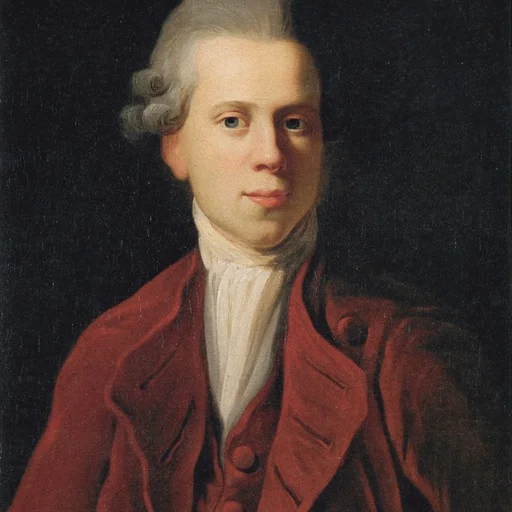
Nicolai Abraham Abildgaard (11 September 1743 – 4 June 1809) was a Danish neoclassical and royal history painter, sculptor, architect, and professor of painting, mythology, and anatomy at the New Royal Danish Academy of Art in Copenhagen…

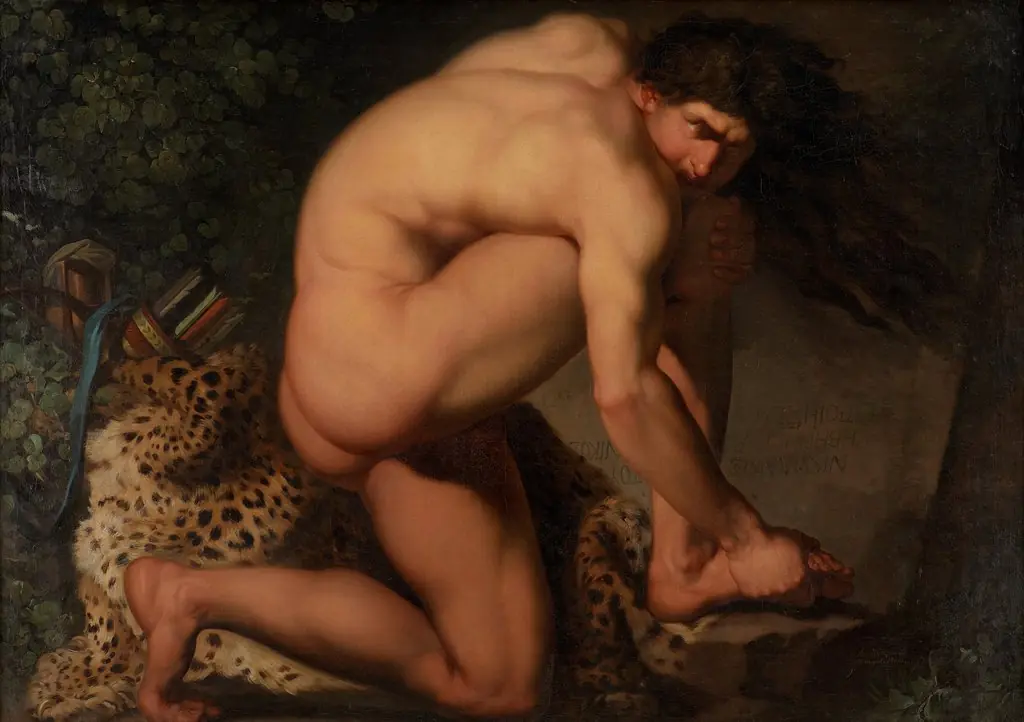 The Wounded Philoctetes
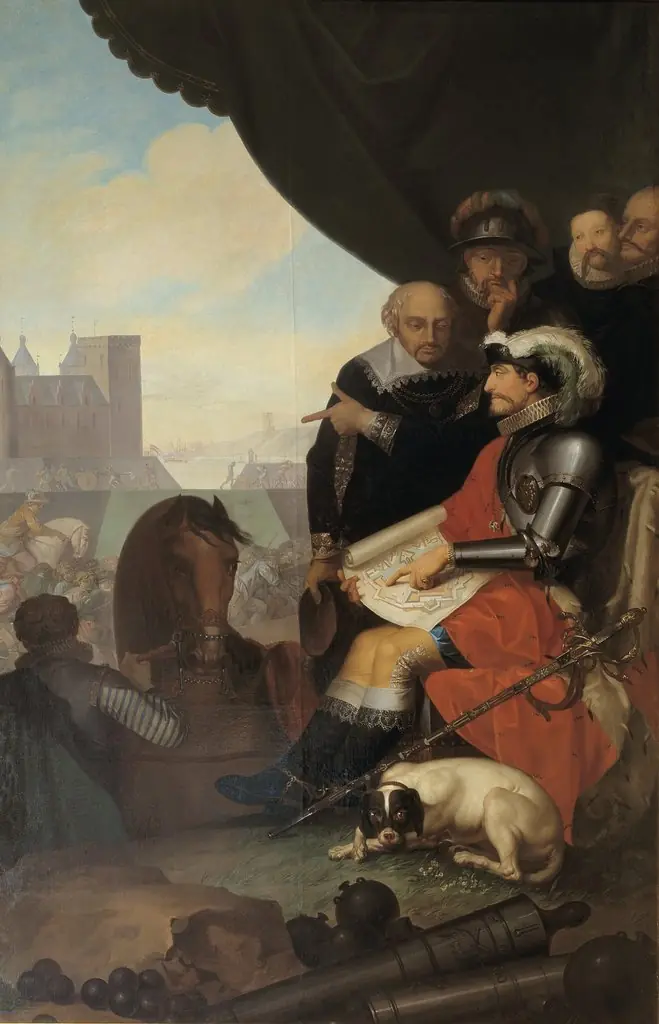 Frederik II Builds Kronborg Castle at Elsinore
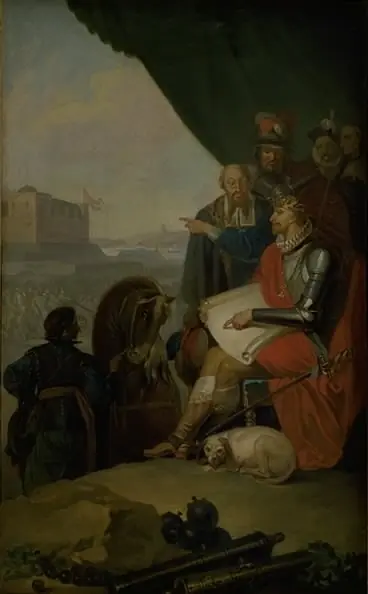 Frederik II Builds Kronborg Castle at Elsinore
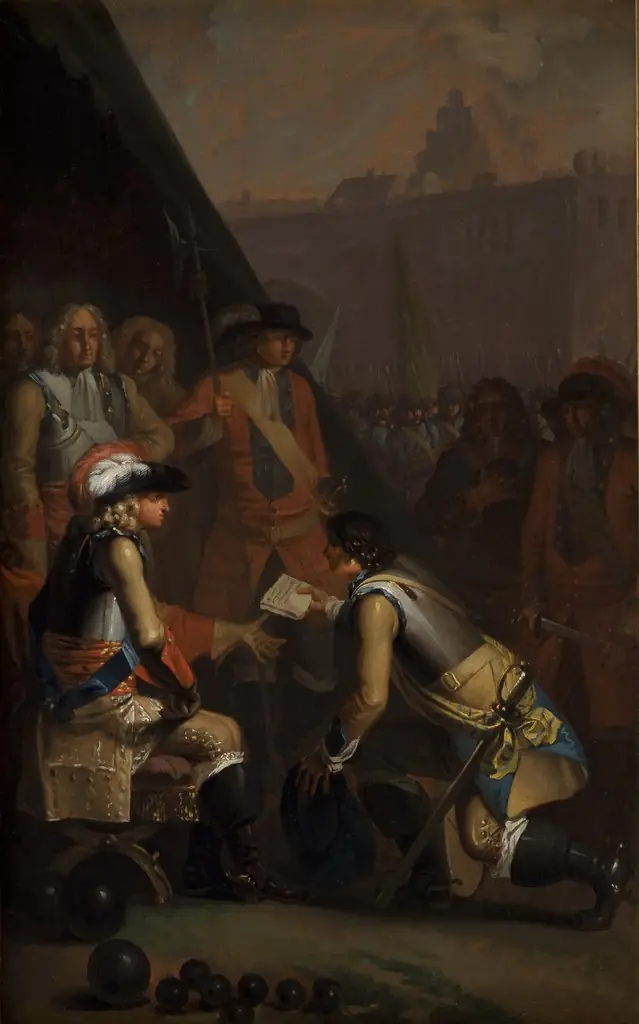 Magnus Stenbock Surrenders the Fortress of Tønningen to Frederik IV in 1714
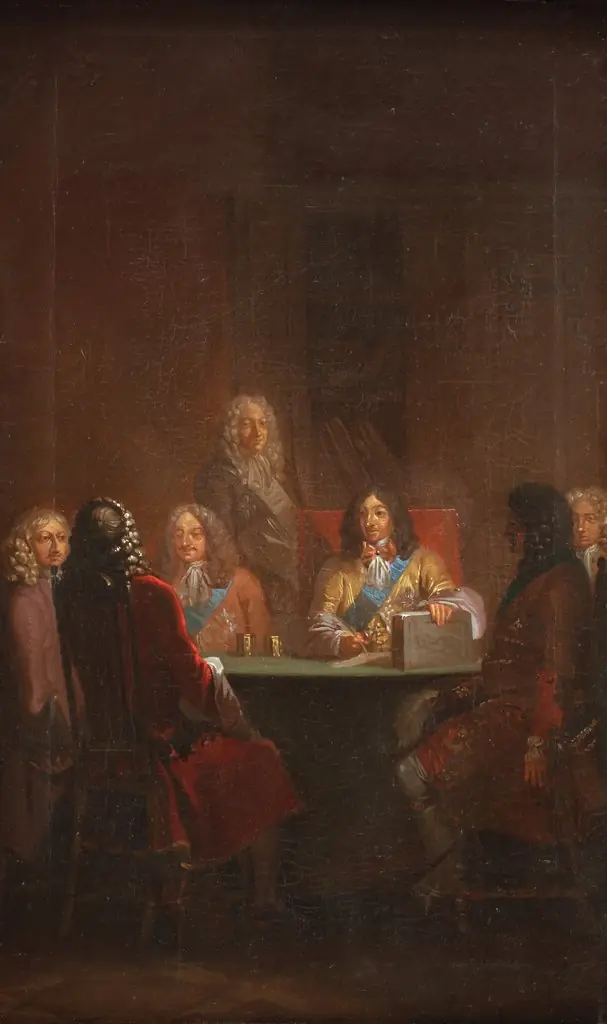 Christian V Presents Danish Law 1683
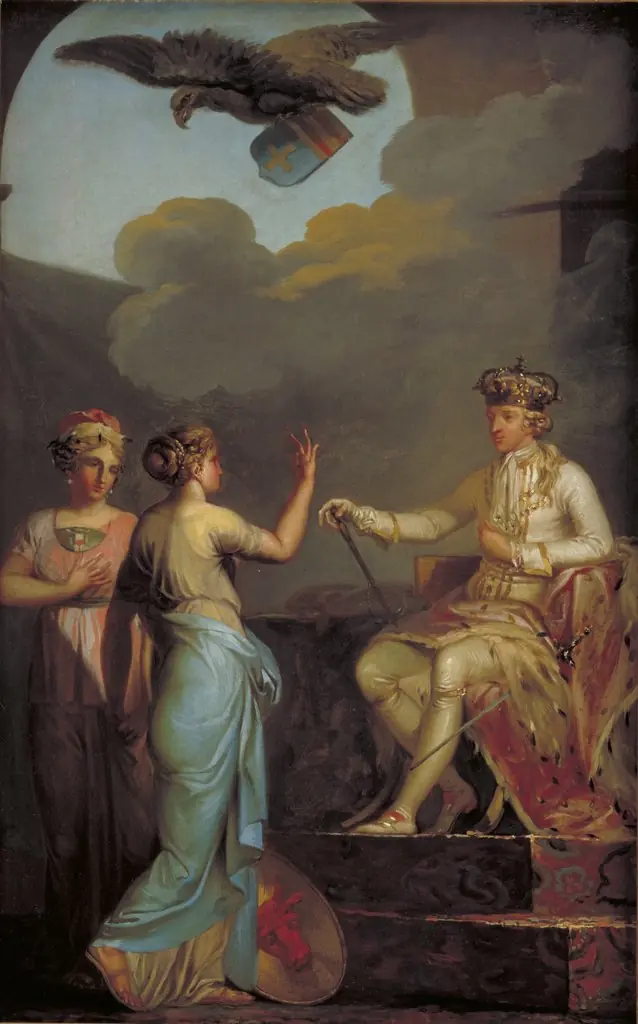 Christian VII Uniting the Ducal with the Royal Part of Holstein in 1767
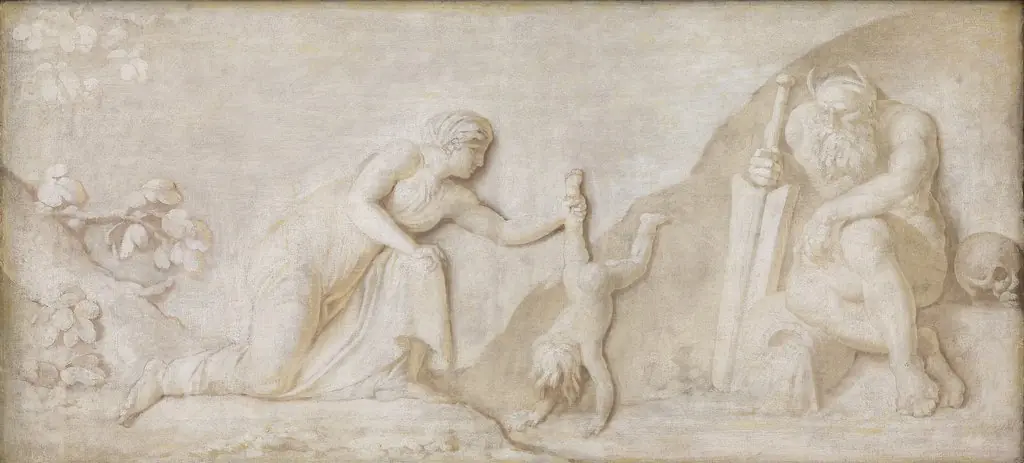 Thetis Immersing her Infant Son Achilles in the River Styx to Make him Invulnerable
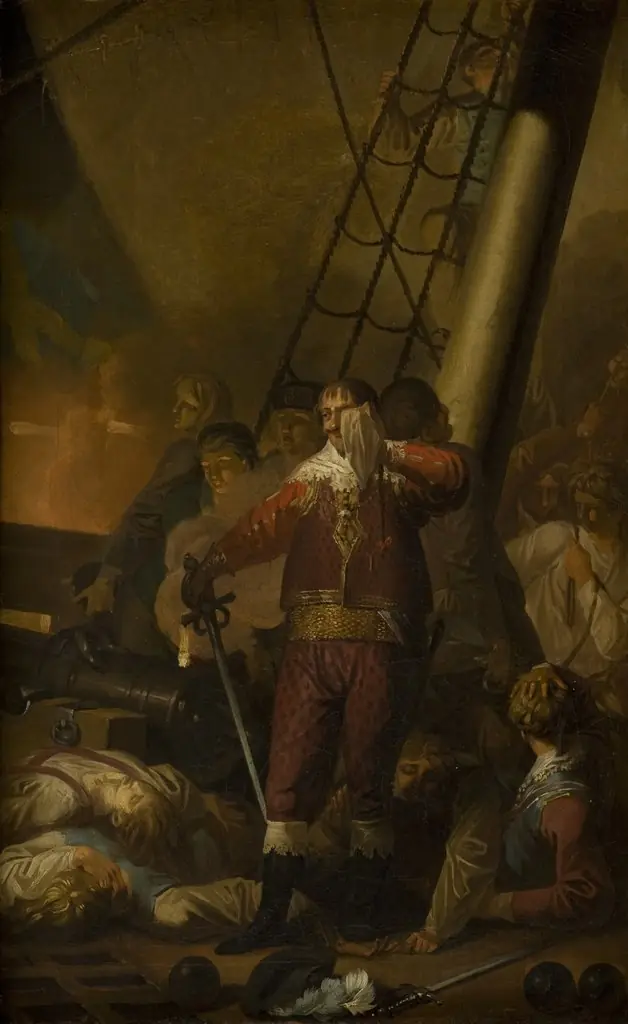 Christian IV Aboard his Flagship "The Trinity"
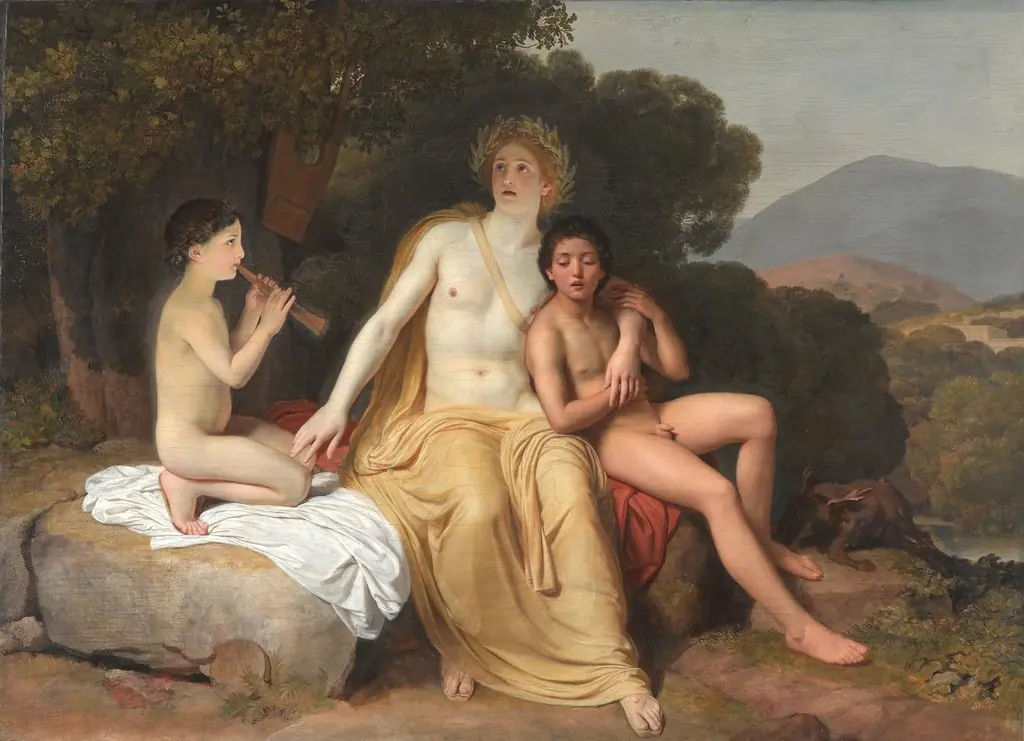 Apollo, Hyacinthus and Cyparissus making music and singing
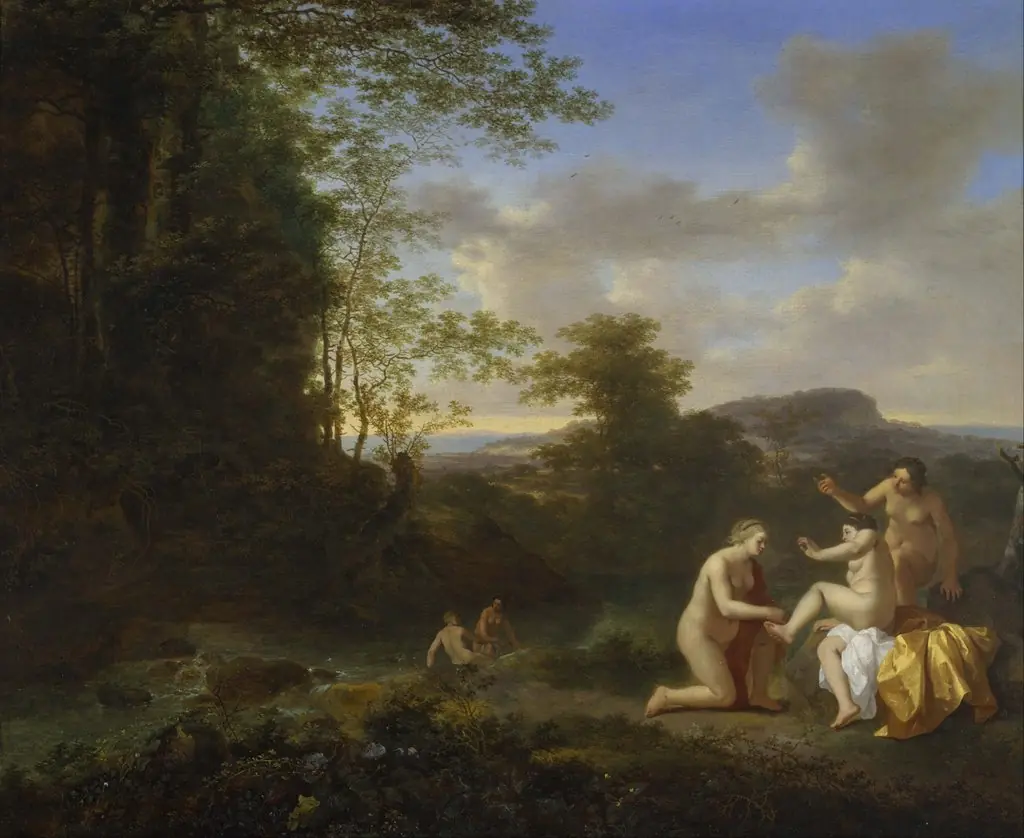 Landscape with Nymphs
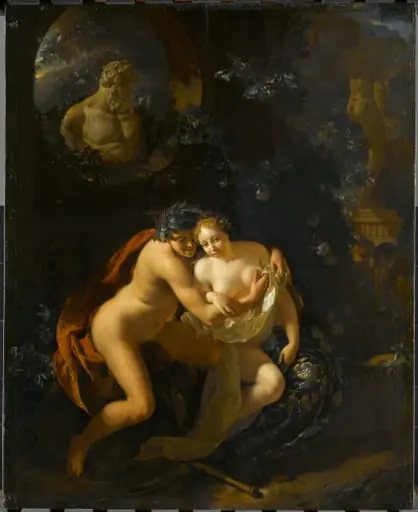 A Couple Making Love in a Park Spied on by Children
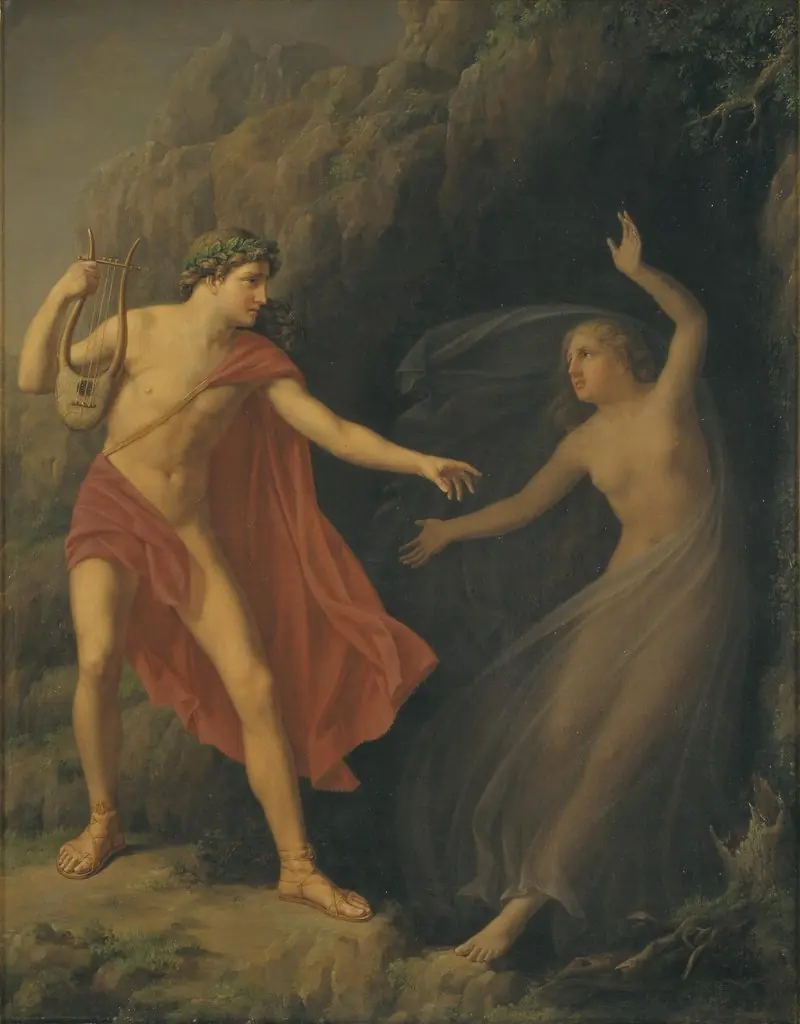 Orpheus and Eurydice
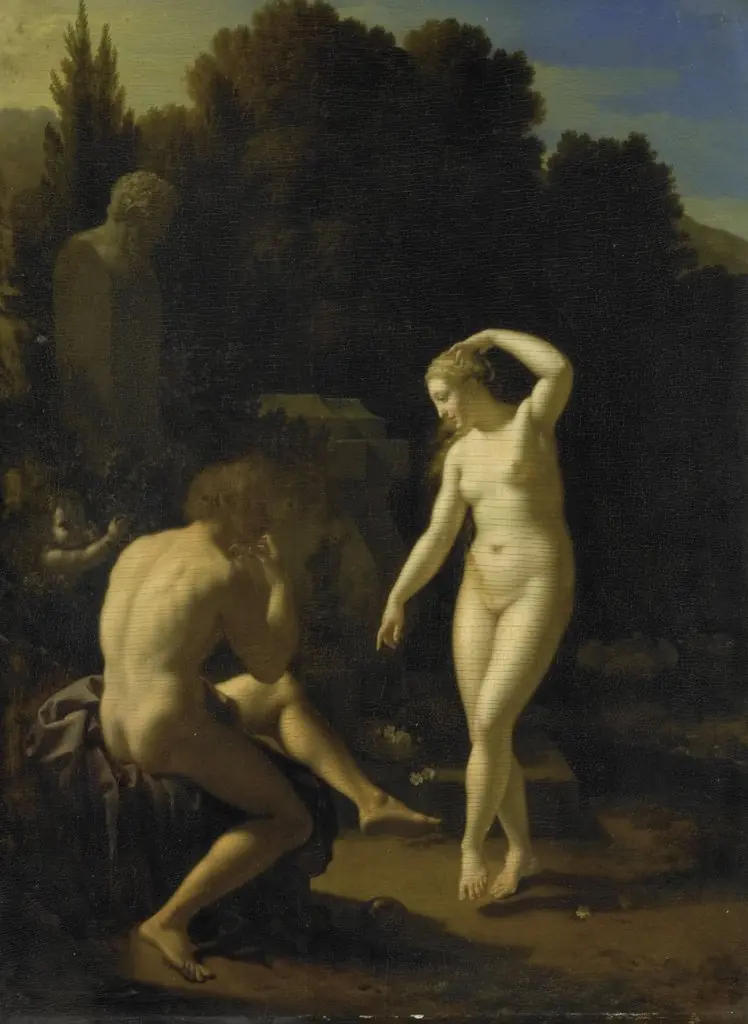 A Nymph Dancing to a Shepherd's Flute-Playing
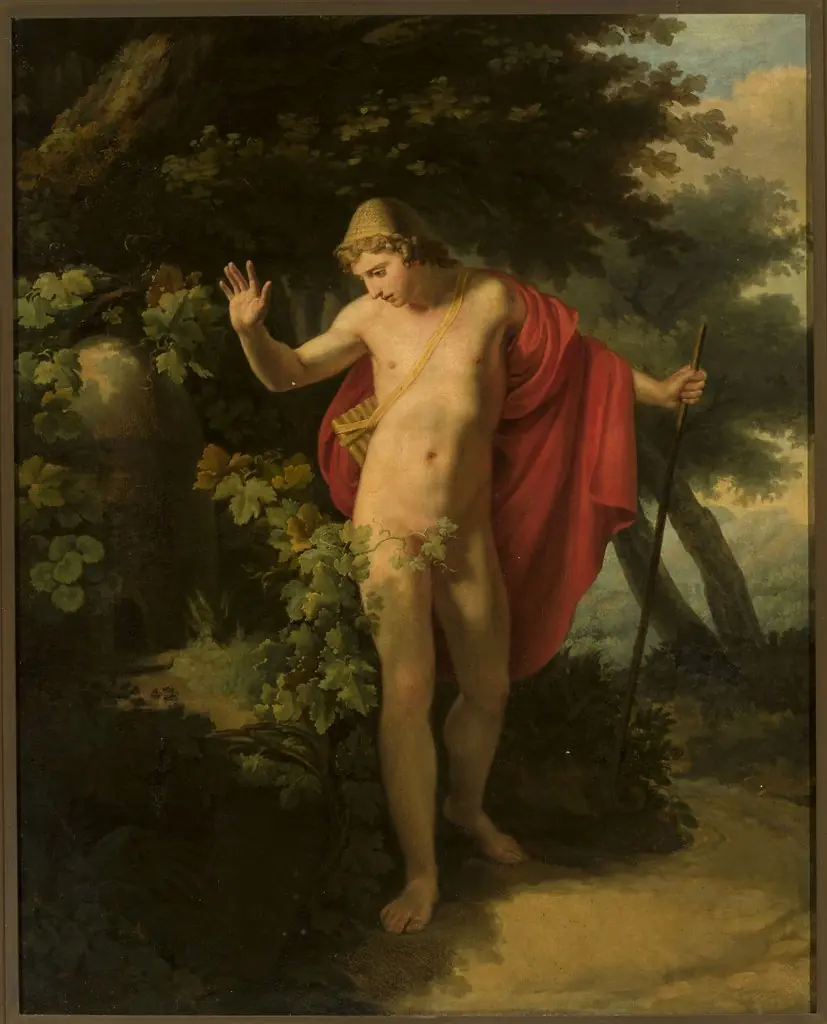 Aristaeus and dead bees
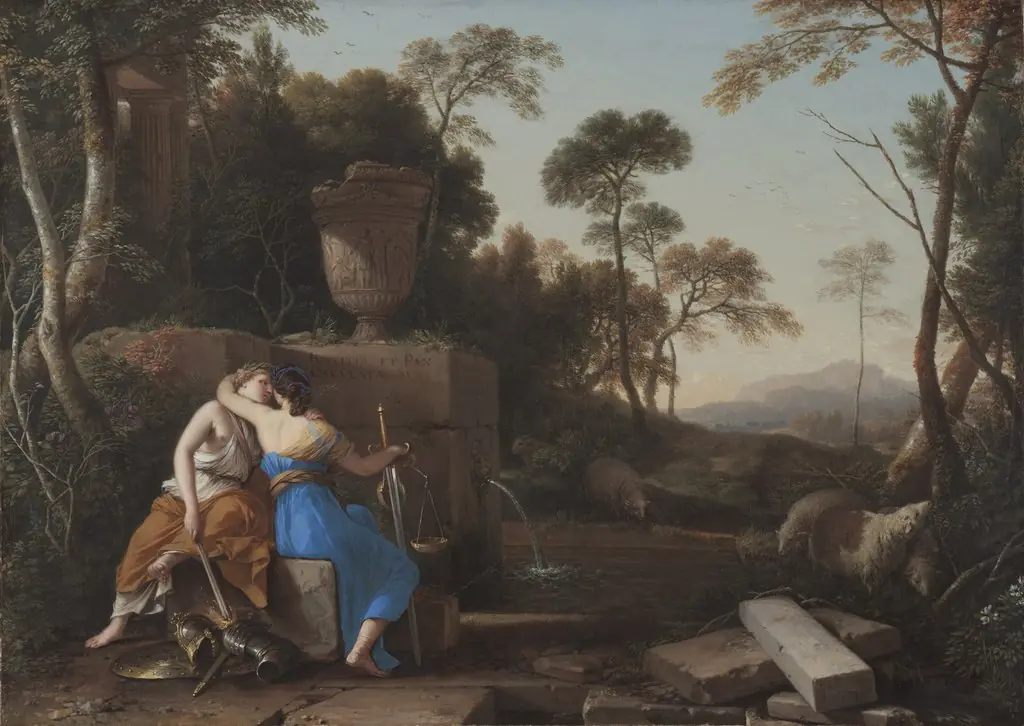 The Kiss of Peace and Justice
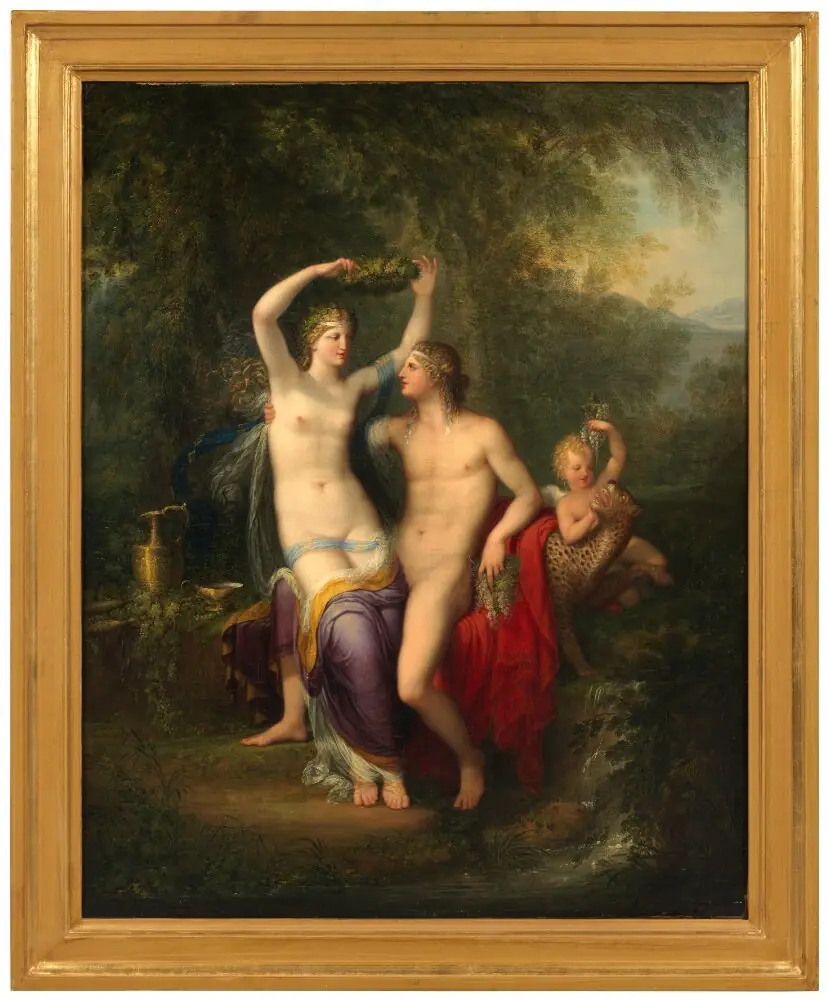 Dionysos (Bacchus) and Ariadne
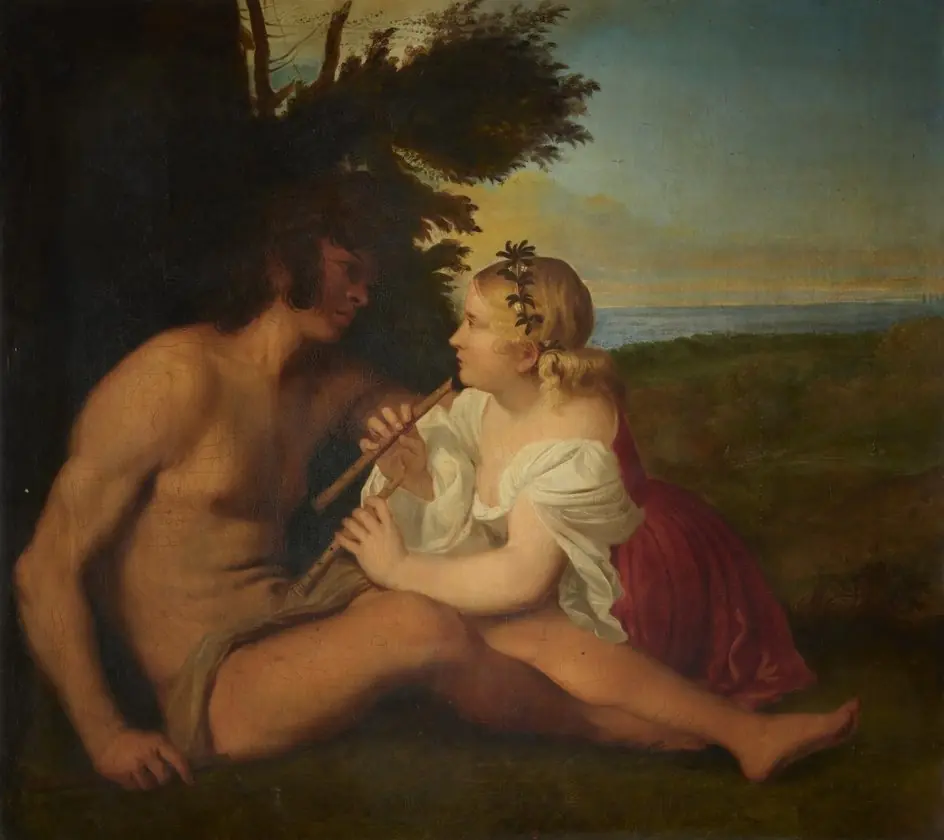 A Shepherd and a Nymph
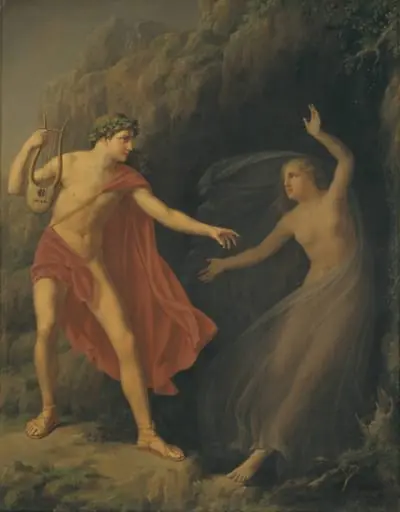 Orpheus and Eurydice