Artwork
The Devil of Money
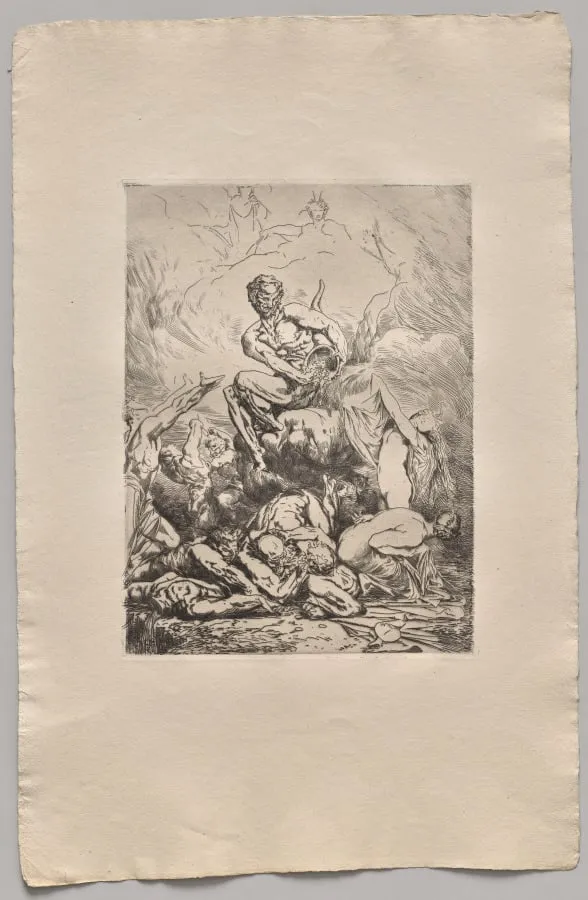
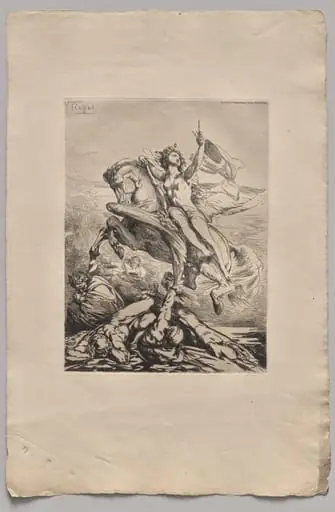
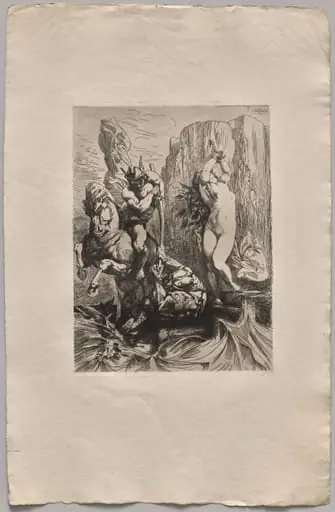
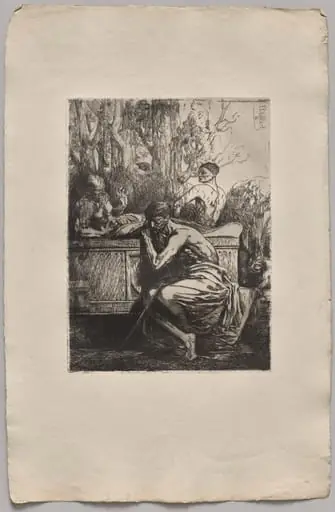
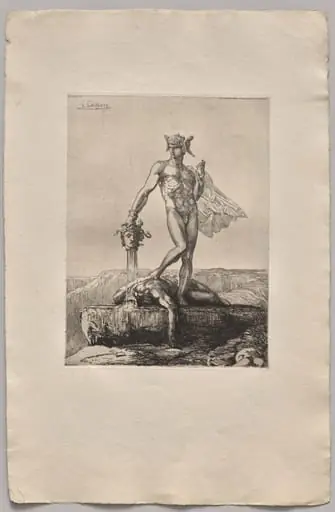
The Devil of Money is a print by the Impressionist artist Nicolas-François Chifflart. It dates from 1865 and is held in the collection of the Cleveland Museum of Art. François-Nicolas Chifflart was a key figure in the 19th-century French revival of etching, embracing the medium’s potential for spontaneity.
About this work
Overview
François-Nicolas Chifflart was a key figure in the 19th-century French revival of etching, embracing the medium’s potential for spontaneity.
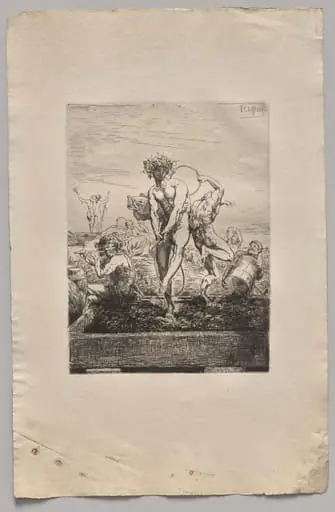
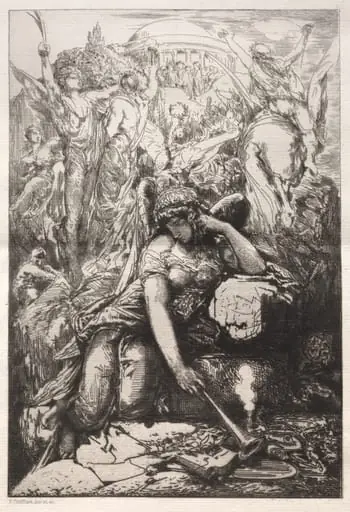
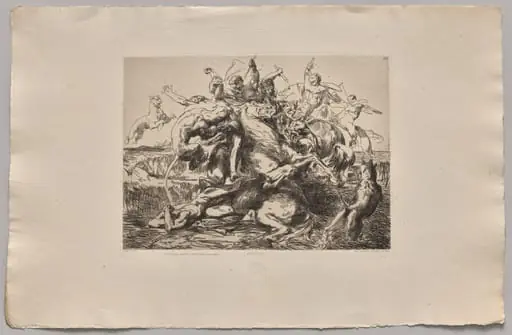
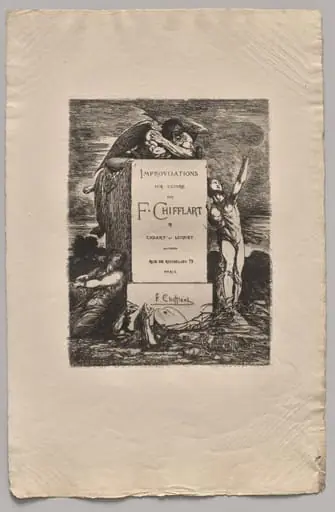
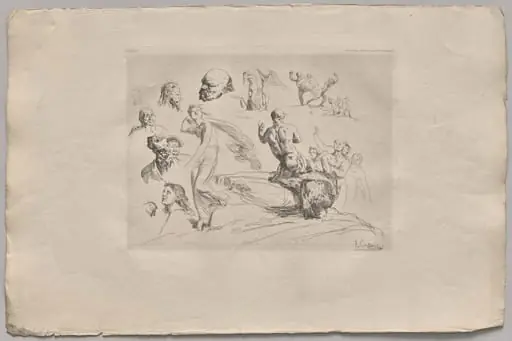
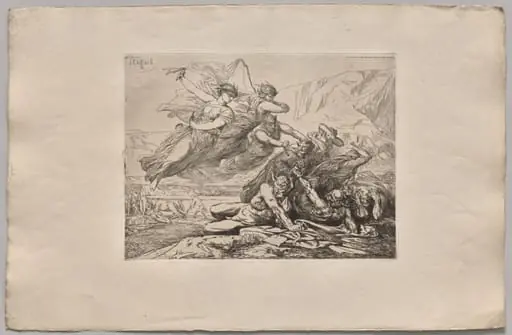
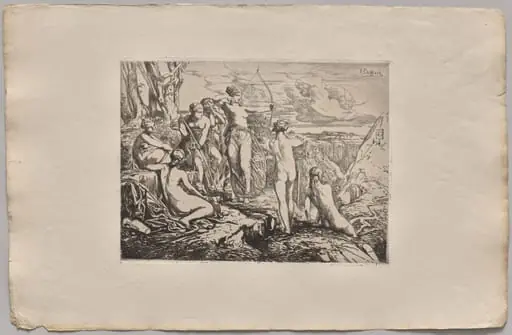
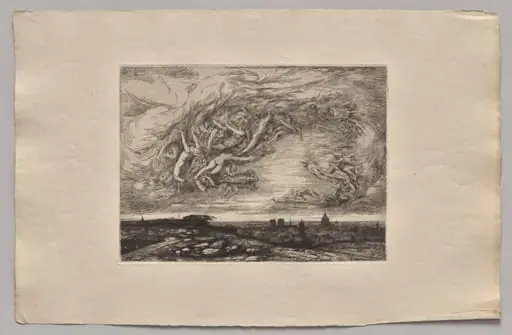
François-Nicolas Chifflart was a key figure in the 19th-century French revival of etching, embracing the medium’s potential for spontaneity. This small print, part of his 1865 series Improvisations on Copper, reflects his practice of drawing directly onto copper plates with the immediacy of sketching on paper. The result is a work that feels unpolished, intimate, and privately conceived, inviting close, quiet observation rather than public display.
Subject & Meaning
The image depicts a hunched, winged creature clutching a bag of coins, its face contorted in a grimace of avarice. The figure evokes a grotesque personification of greed, drawn without mythological pretense or moralizing clarity. Its ambiguous identity—neither fully demon nor allegory—suggests a psychological rather than doctrinal critique, rooted in the visceral unease of excess rather than religious condemnation.
Technique & Style
Chifflart worked directly on the copper plate, using rapid, scratchy lines that mimic the energy of a doodle. Ink was allowed to bleed and smudge, preserving the rawness of the moment of creation. The absence of refined finish and the irregular texture reject academic polish, emphasizing process over perfection. The small scale enhances the tactile quality, making the surface feel like a private sketch unearthed rather than a formal print.
History & Provenance
Created in 1865 as part of Chifflart’s Improvisations on Copper series, this print emerged during a period when French artists were reevaluating etching as a legitimate artistic medium, not merely a reproductive tool. Though not widely exhibited at the time, it was circulated among collectors and fellow printmakers who valued its experimental character. Its survival reflects its niche appeal within avant-garde circles of the era.
Context
In mid-19th-century France, traditional academic art dominated public taste, but a growing number of artists turned to printmaking for its freedom from institutional constraints. Chifflart’s direct approach on copper aligned with broader interests in spontaneity and personal expression, paralleling developments in drawing and early Impressionist practices. His work stood apart from the polished engravings of the past, favoring immediacy over precision.
Legacy
Chifflart’s unvarnished technique influenced later generations of printmakers who valued the expressive potential of the plate’s surface. His willingness to embrace imperfection and intimacy helped redefine etching as a vehicle for personal vision rather than technical display. Though not widely known today, his approach contributed to the 20th-century renaissance of artist-led printmaking as a medium of authentic expression.
Artist & collection
Artist
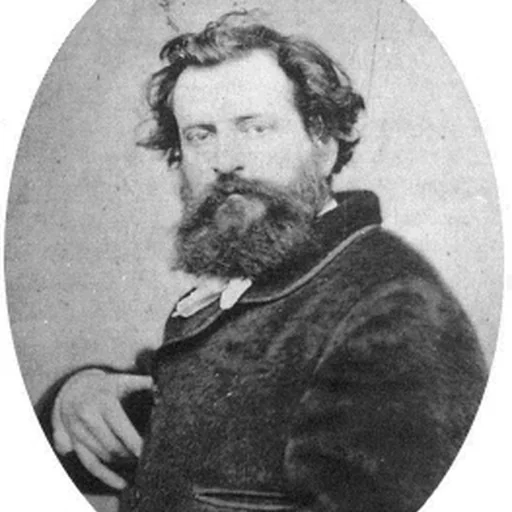
Nicolas-François Chifflart (1825–1901) was a French artist, born in Saint-Omer.