Artwork
H Beard Print Collection
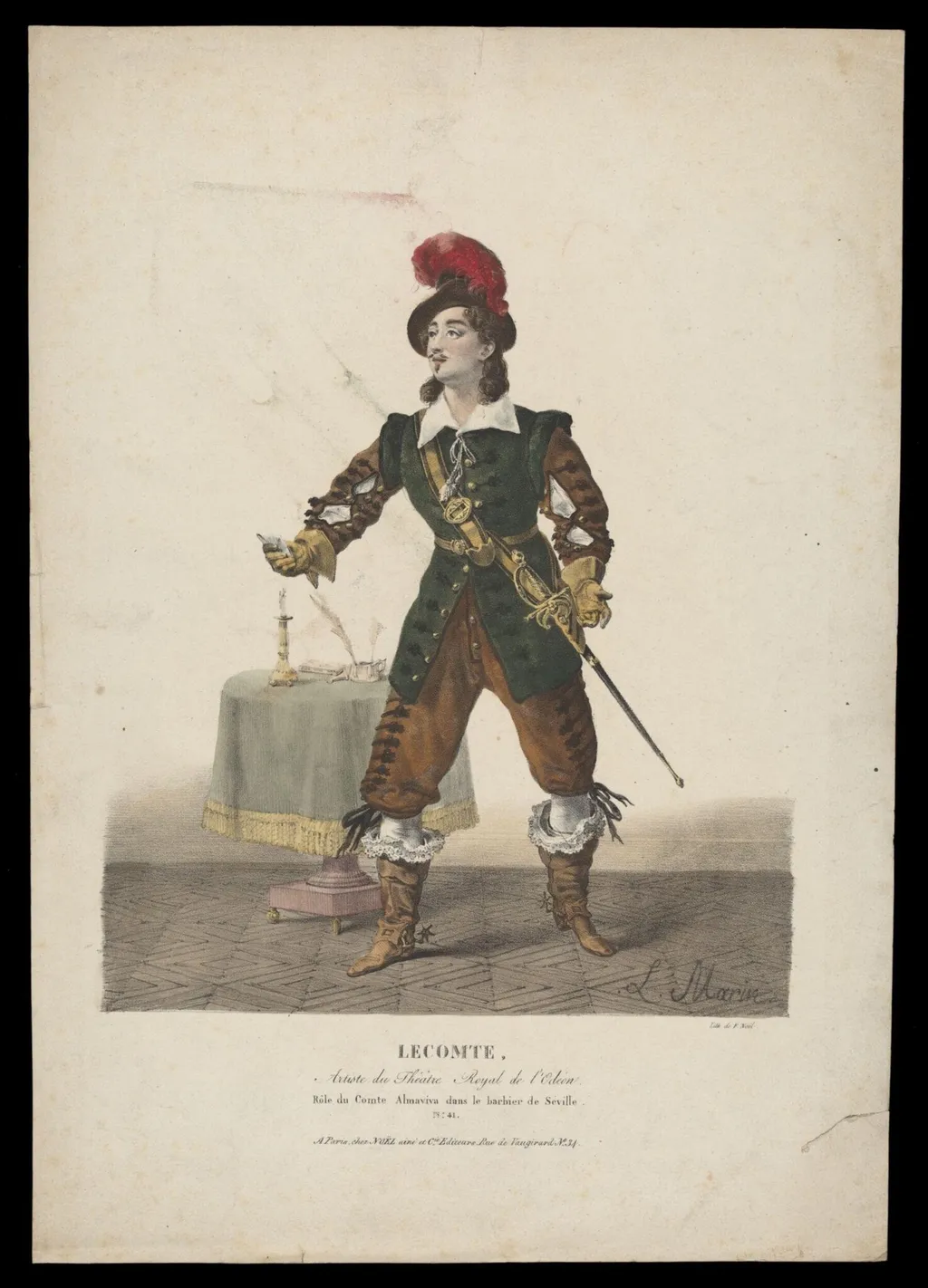
H Beard Print Collection is a print by F. Noël. It dates from 1850 and is held in the collection of the Victoria and Albert Museum.
About this work
This print is from the H Beard Print Collection. It's a work by F. Noël from the early 19th century.
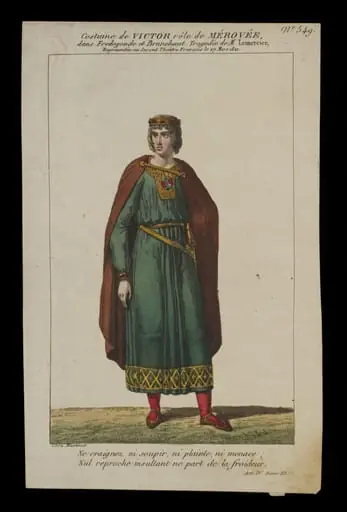
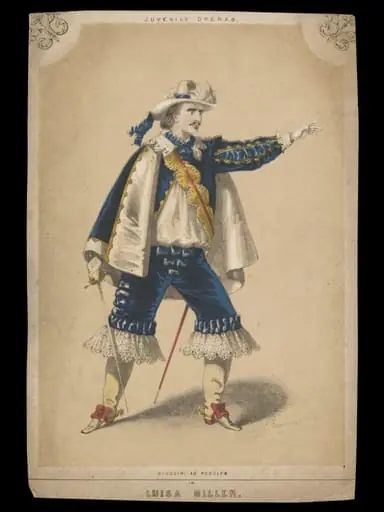
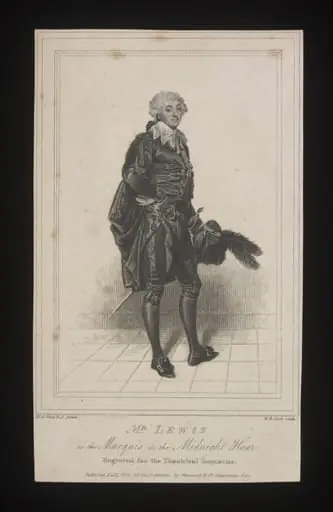
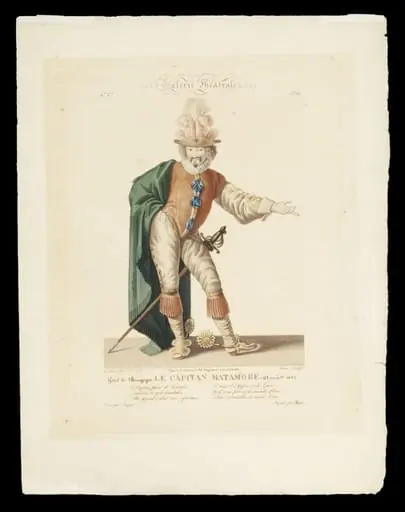
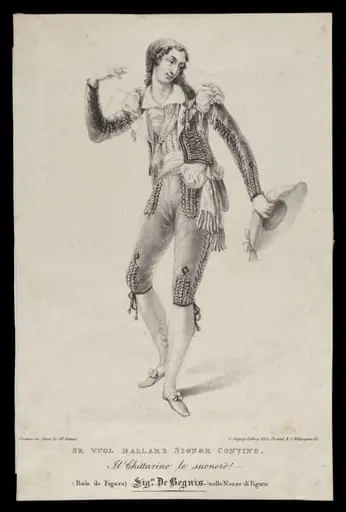
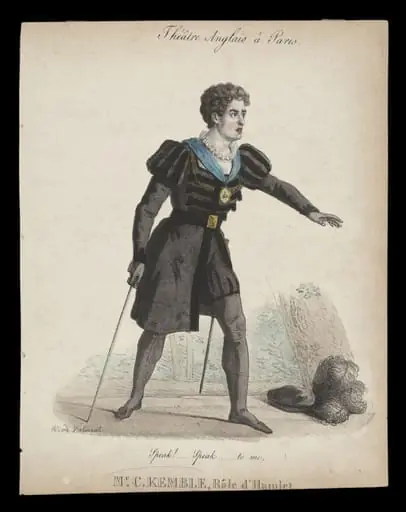
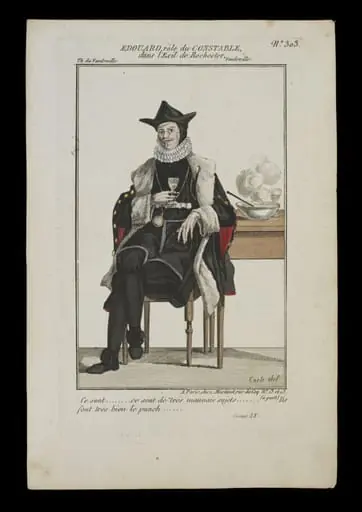
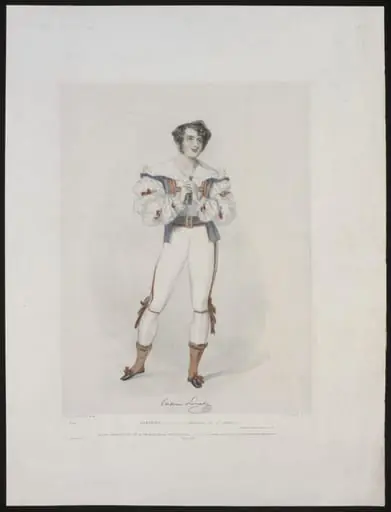
The print depicts a scene from The Barber of Seville, showing an actor playing Comte Almaviva. This gives us a glimpse into the theatrical themes of the time.
To learn more about printmaking techniques used in this era, look up the technique of sfumato.
Overview
This print, part of the H Beard Print Collection, captures a moment from the opera The Barber of Seville, featuring an actor portraying Comte Almaviva.
This print, part of the H Beard Print Collection, captures a moment from the opera The Barber of Seville, featuring an actor portraying Comte Almaviva. Created in the early 19th century by F. Noël, it reflects the popularity of operatic subjects in popular print culture. The work serves as a visual record of stage performance during a period when theater and music were central to public entertainment.
Subject & Meaning
The figure depicted is Comte Almaviva, the romantic lead in Rossini’s opera, known for his disguise and pursuit of Rosina. The print freezes a theatrical moment, emphasizing the actor’s costume and gesture rather than a specific narrative scene. It underscores the era’s fascination with operatic characters as cultural icons, valued for their dramatic presence as much as their stories.
Technique & Style
The print employs standard engraving or lithographic methods common in early 19th-century theater portraiture. Lines are crisp, with attention to costume detail and facial expression to convey character. While sfumato is a painting technique unrelated to this medium, the print relies on tonal contrast and linear precision to define form, typical of stage illustrations of the time.
History & Provenance
Originating from the H Beard Print Collection, this piece was likely produced for public sale as a keepsake of popular performances. F. Noël, a lesser-known artist of the period, contributed to a broader market of theatrical imagery. The print’s survival reflects its role in documenting performance history, preserved through private and institutional collections.
Context
In the early 1800s, prints of opera scenes were widely circulated, allowing audiences to own mementos of performances they had seen or heard about. The Barber of Seville, premiered in 1816, quickly became a staple of European stages. This print aligns with a trend of visualizing music theater, bridging live performance and domestic culture through accessible imagery.
Legacy
As part of the H Beard Collection, this print contributes to the archival record of 19th-century theatrical life. It offers scholars insight into how operatic roles were visually interpreted and consumed by the public. Though not artistically groundbreaking, it remains a valuable artifact of performance history and print culture in the Romantic era.
Artist & collection
Artist
This artist made prints in the early 1800s. They left behind a small collection of engravings now called the H Beard Print Collection. The prints show scenes from everyday life and fashion of the time. There's no extra…