Artwork
Spring Landscape
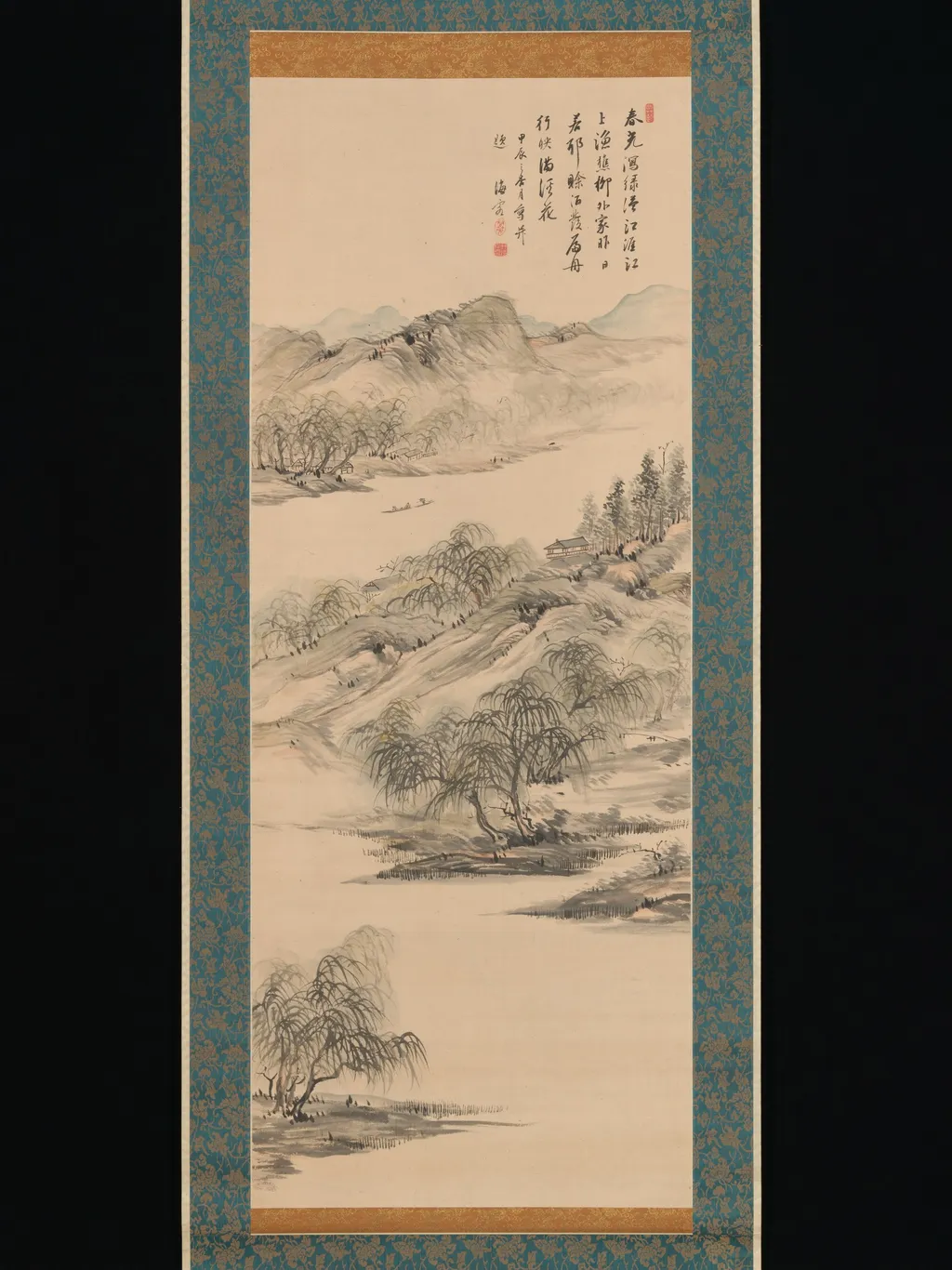
Spring Landscape is an unspecified painting by Nukina Sūō. It dates from 1844 and is held in the collection of the Metropolitan Museum of Art.
About this work
Overview
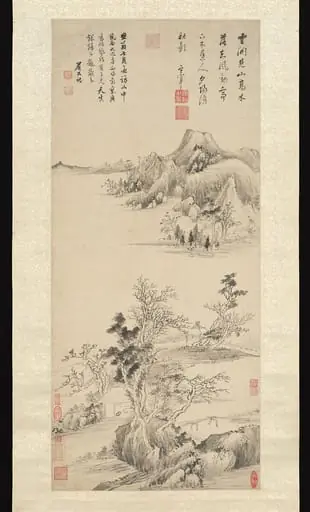
Created in 1844 by Nukina Sūō, a Japanese painter and calligrapher of the late Edo period, *Spring Landscape* is part of the Metropolitan Museum of Art’s collection. Though titled for the season of renewal, the composition portrays a tranquil winter tableau, with snow‑capped hills, a modest village nestled in a valley, and mist‑softened mountains that recede into a pale sky.
Subject & Meaning
The work presents a quiet, sparsely populated countryside, emphasizing the stillness of a cold season. The muted palette and subdued architecture suggest a contemplative atmosphere, inviting viewers to reflect on the passage of time and the subtle beauty found in seemingly barren landscapes.
Technique & Style
Executed in the Nanga tradition, the painting employs swift, expressive brushwork that captures the fleeting texture of clouds, trees, and distant peaks. The artist’s loose strokes convey movement and atmosphere rather than precise detail, a hallmark of the Japanese adaptation of Chinese literati painting.
History & Provenance
Nukina Sūō was renowned for his leadership in calligraphy and his contributions to the Nanga movement. *Spring Landscape* entered the Metropolitan Museum of Art’s holdings through acquisition in the early twentieth century, where it remains displayed as an example of Edo‑period literati painting.
Context
During the Edo era, Japanese artists often looked to Chinese artistic models for inspiration, adapting them to local sensibilities. Sūō’s work reflects this cross‑cultural dialogue, merging Chinese-inspired brush techniques with Japanese subject matter, and exemplifies the period’s interest in personal expression over strict realism.
Artist & collection
Artist
Nukina Kaioku (貫名 海屋; 1778–1863) was a Japanese painter and calligrapher. He had many pseudonyms, but Kaioku (海屋) and Sūō (菘翁) are the most well-known. He was considered a leader in the field of Japanese calligraphy…

 Spring Cleaning
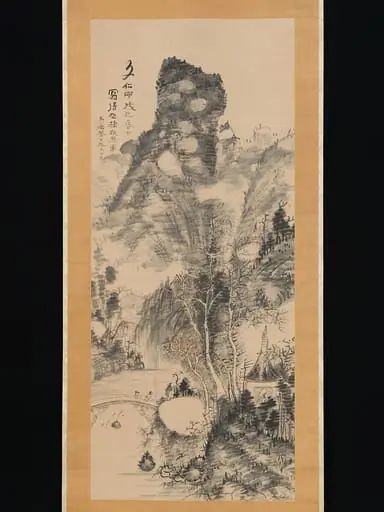 Untitled
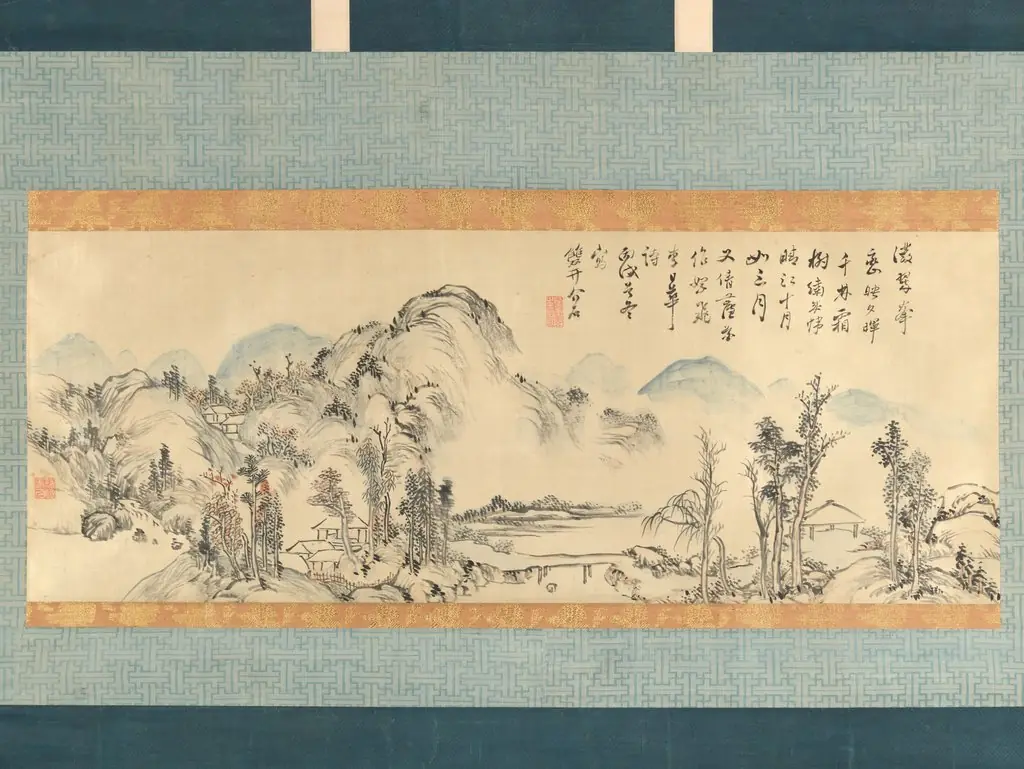 Green Peaks
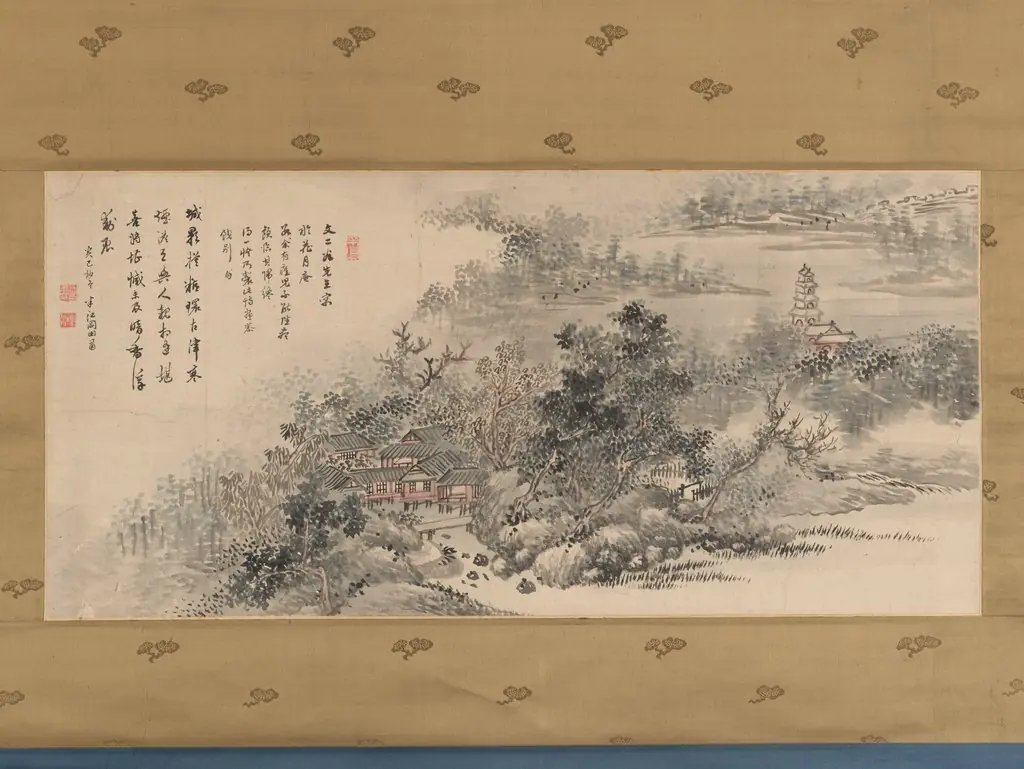 Farewell Gift to Tani Bunji
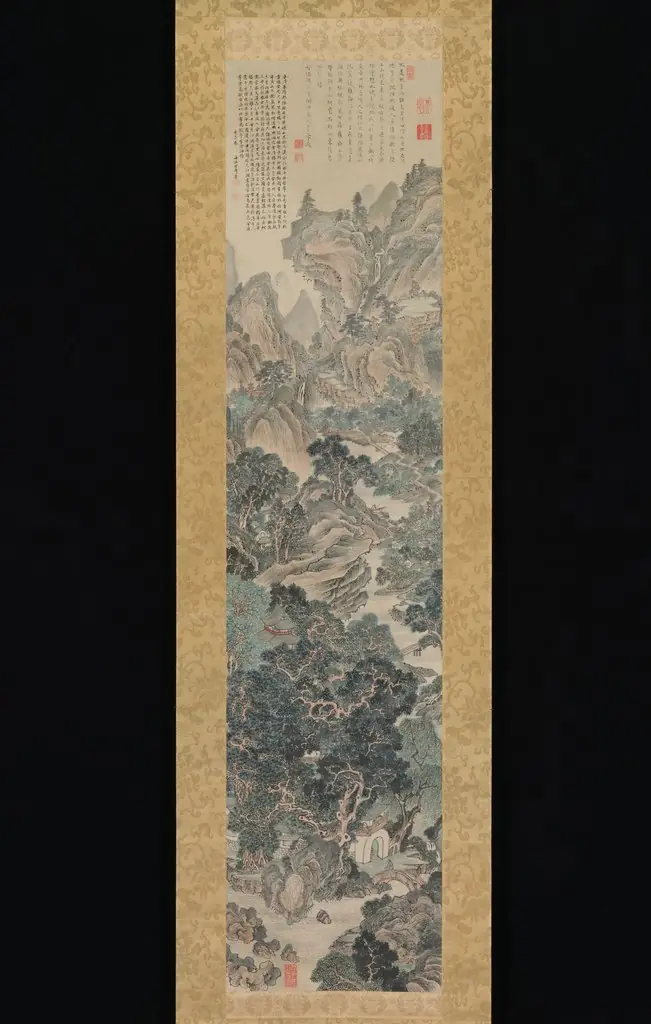 Landscape in the Blue-and-Green Manner
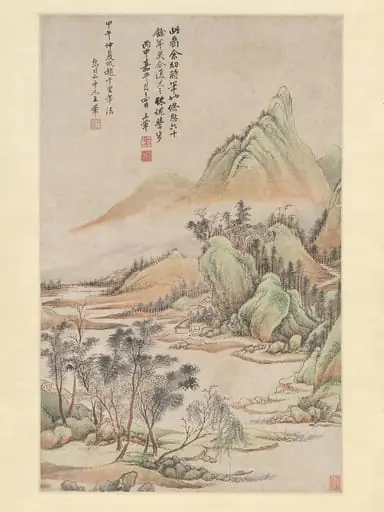 倣趙伯駒山水圖 軸|Landscape in the Style of Zhao Boju (Fang Zhao Boju shanshui)
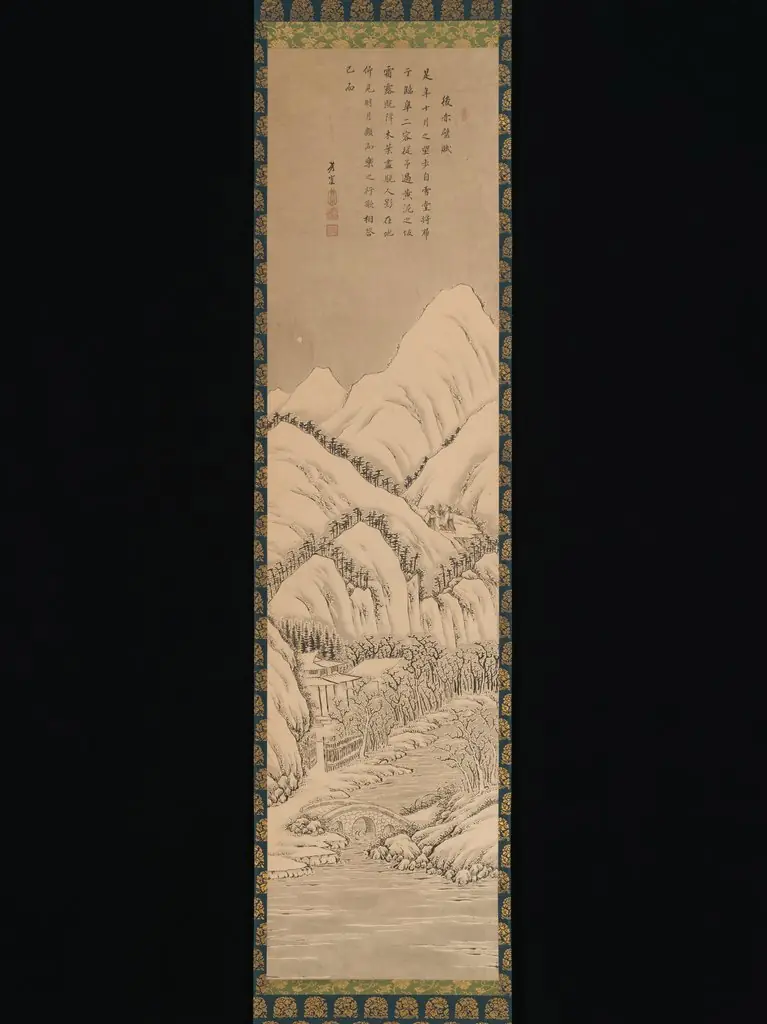 Su Shi's "Ode to His Second Visit to the Red Cliff"
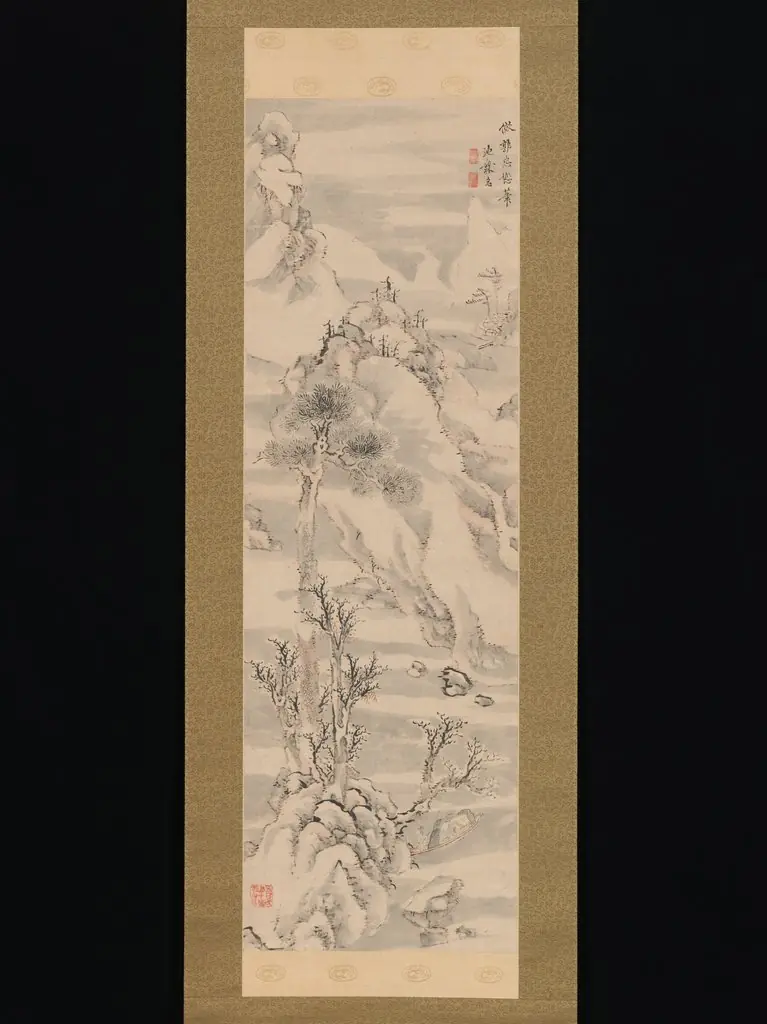 Wintry Landscape, in the Style of Guo Zhongshu
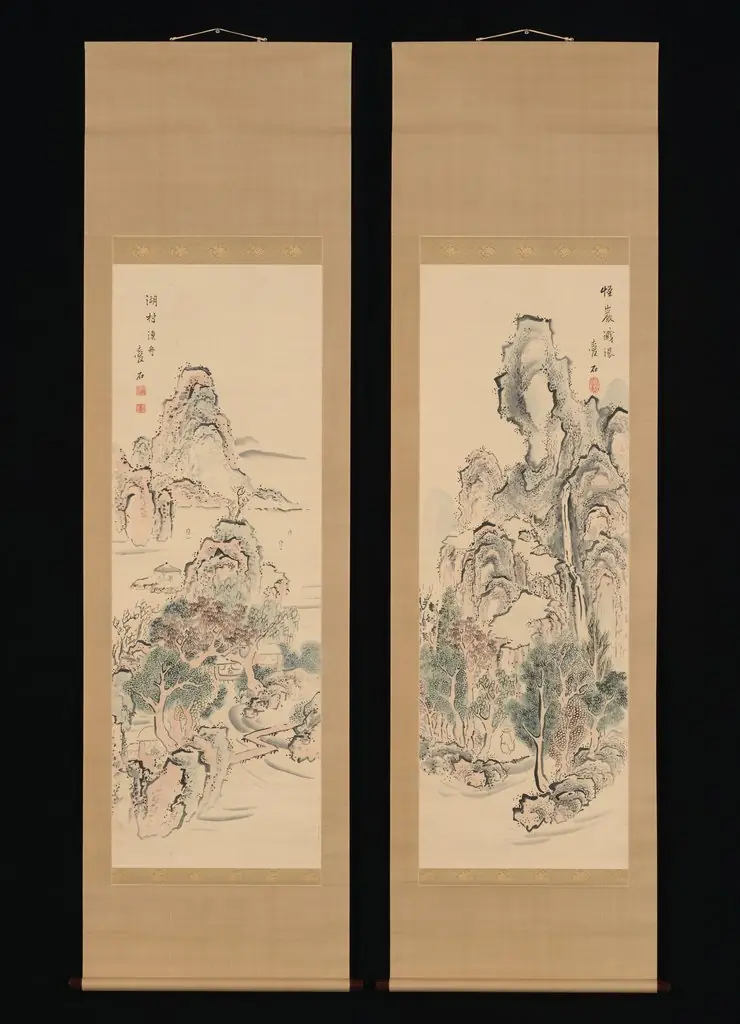 Fantastic Rocks with Cascading Waterfall; Fishing Boats by a Lake Hamlet
 明 董其昌 秋山圖 軸|Autumn Mountains