Artwork
And In the Very Disk of the Sun Shines the Face of Jesus Christ
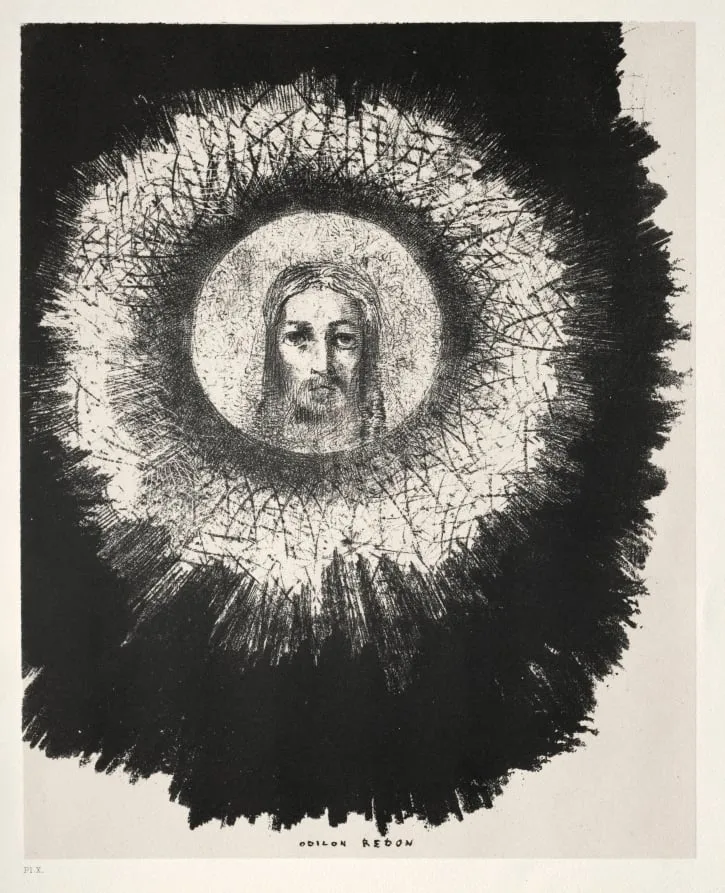
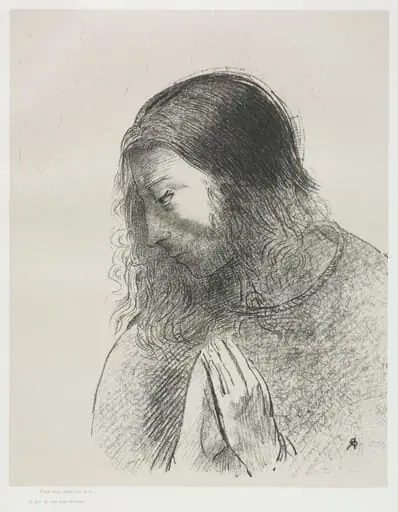
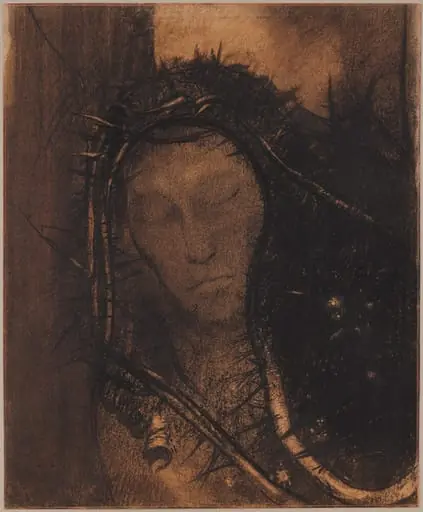
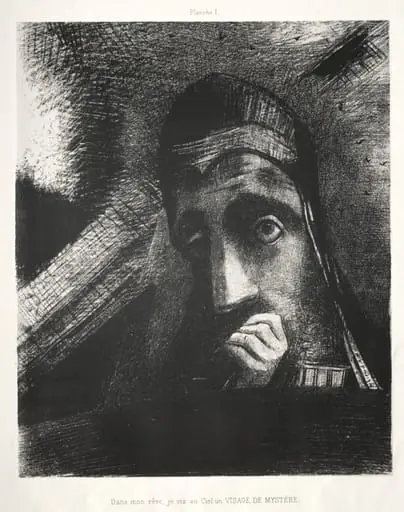
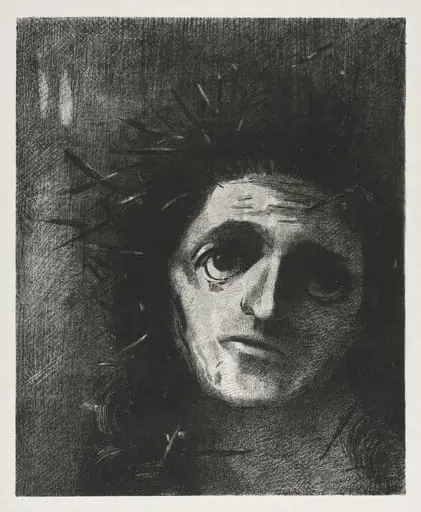
And In the Very Disk of the Sun Shines the Face of Jesus Christ is a print by the Impressionist artist Odilon Redon. It dates from 1888 and is held in the collection of the Cleveland Museum of Art.
About this work
Overview
The work belongs to a group of three portfolios he created between 1888 and 1896, using lithography to translate the novel’s surreal tone into visual form.
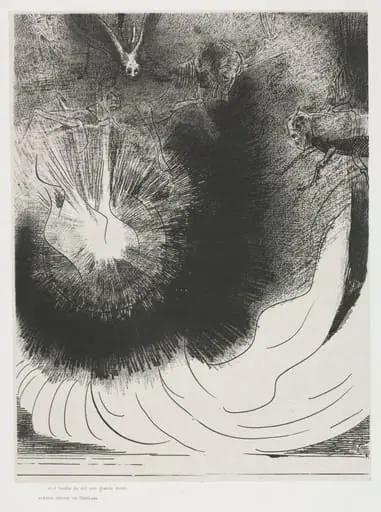
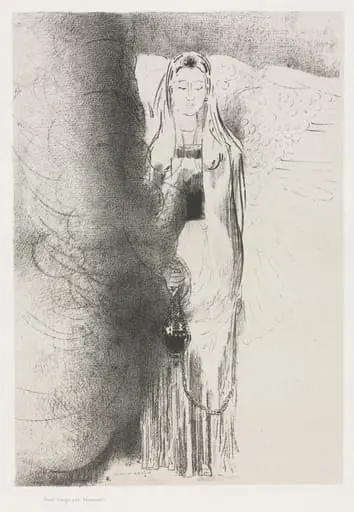
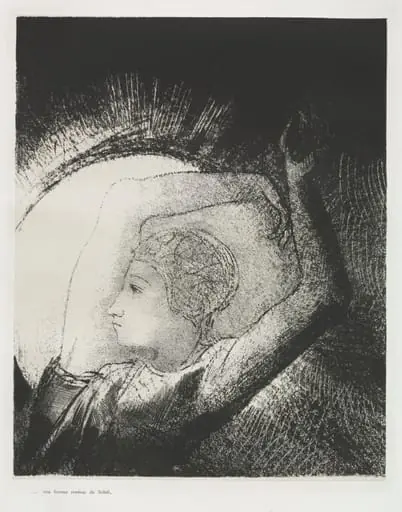
This lithograph is part of a series by Odilon Redon inspired by Gustave Flaubert’s novel The Temptation of Saint Anthony. Rather than illustrating specific scenes from the text, Redon responded to its dreamlike atmosphere, producing images that evoke psychological and spiritual unease. The work belongs to a group of three portfolios he created between 1888 and 1896, using lithography to translate the novel’s surreal tone into visual form.
Subject & Meaning
The image depicts a luminous, pale face of Christ embedded within a radiant sun, suspended in an abyss of deep black. This vision is not drawn from Flaubert’s text but emerges from Redon’s interpretation of the novel’s mystical undercurrents. The face, serene yet alien, suggests divine presence amid chaos, reflecting the inner turmoil and transcendental experiences attributed to Saint Anthony in his desert trials.
Technique & Style
Redon employed lithography to achieve extreme contrasts between light and dark, mimicking the tonal depth of charcoal. The sun’s intense yellow glow emerges from an almost total absence of detail in the background, creating a sense of weightless mystery. This use of stark chiaroscuro isolates the central figure, enhancing its hallucinatory quality and distancing it from naturalistic representation.
History & Provenance
Created around 1888–1890, the print was included in Redon’s first major portfolio based on Flaubert’s novel. Though exhibited in Parisian salons and private collections, the series received little critical attention during Redon’s lifetime. Many viewers found the imagery obscure or unsettling, failing to grasp its intent as an emotional rather than narrative translation of the literary source.
Context
Redon worked during a period when Symbolist artists sought to express inner states over observable reality. Influenced by literature, mysticism, and the emerging interest in the subconscious, he rejected academic conventions. His approach aligned with contemporaries like Mallarmé and Baudelaire, who valued suggestion and ambiguity over literal depiction, positioning this print within a broader cultural shift toward psychological exploration in art.
Legacy
Though initially overlooked, Redon’s Flaubert series later gained recognition as pivotal to the development of Symbolist printmaking. The work’s emphasis on mood, dream logic, and emotional resonance influenced Surrealist artists decades later. Its innovative use of lithographic tone and its departure from narrative clarity helped redefine the potential of the printed image as a vehicle for the unseen and the ineffable.
Artist & collection
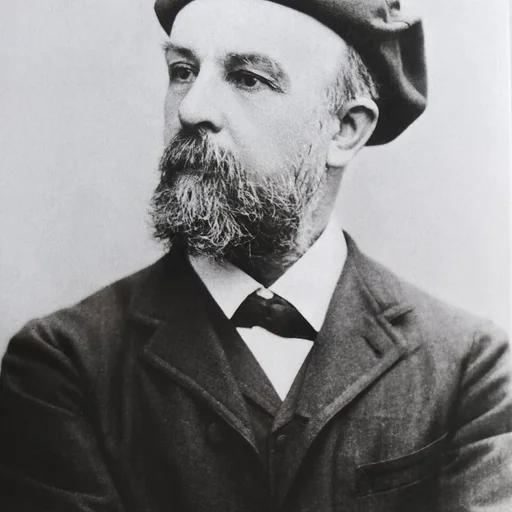
Artist
Born Bertrand-Jean Redon on 20 April 1840 in Bordeaux, the artist adopted the name Odilon from his mother, Marie-Odile.