Artwork
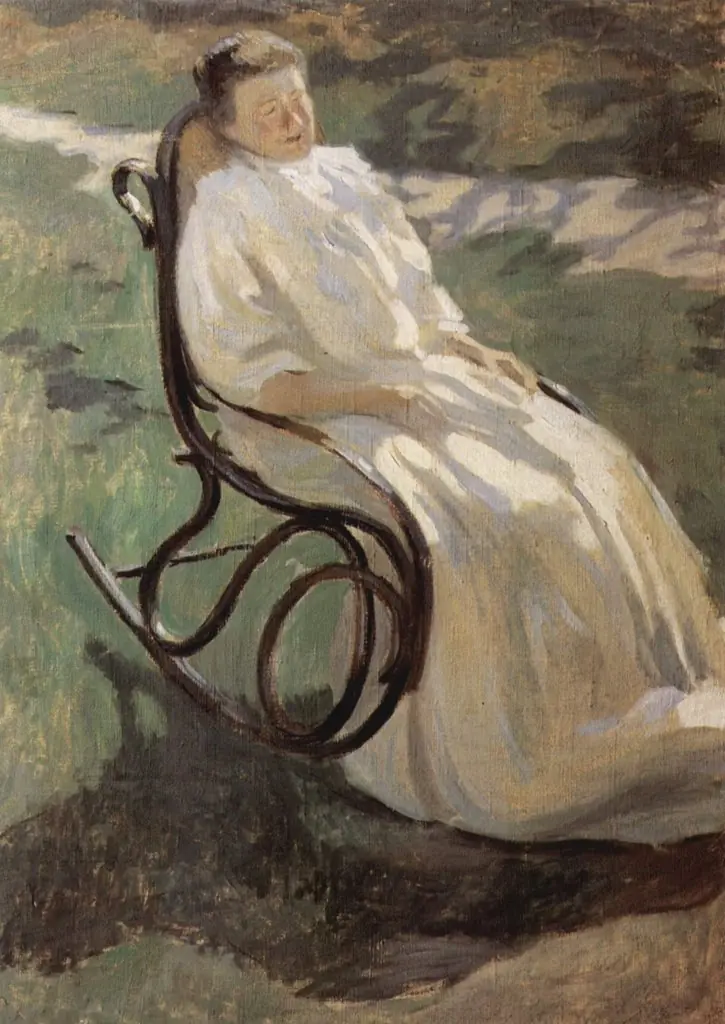
Woman on a Garden Seat
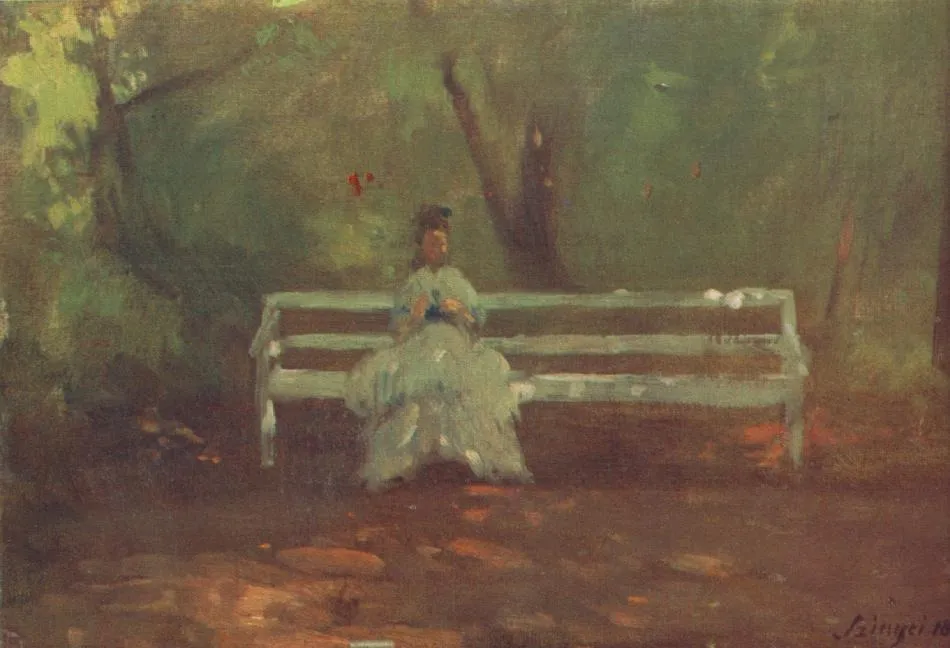
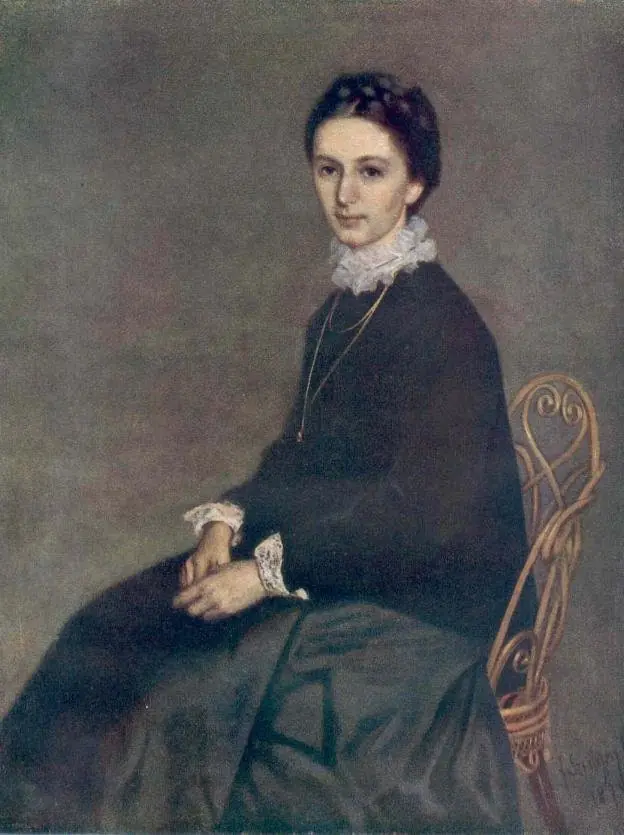
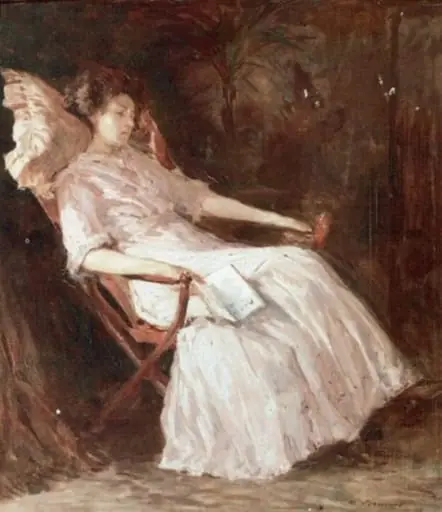
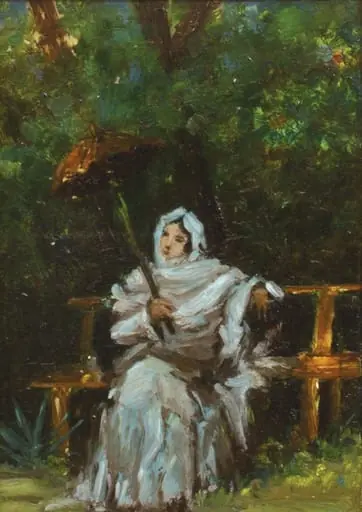
Woman on a Garden Seat is an oil painting by the Impressionist artist Pál Szinyei Merse. It dates from 1873 and is held in the collection of the Hungarian National Gallery.
About this work
Overview
The painting resides in the Hungarian National Gallery and exemplifies the artist’s interest in capturing everyday moments with subtle emotional nuance.
Painted in 1873 by Pál Szinyei Merse, Woman on a Garden Seat is an oil-on-canvas work depicting a solitary figure in a quiet outdoor setting. The painting resides in the Hungarian National Gallery and exemplifies the artist’s interest in capturing everyday moments with subtle emotional nuance. Its composition emphasizes stillness and introspection, avoiding dramatic narrative in favor of atmospheric presence.
Subject & Meaning
The central figure is a woman seated on a plain white garden bench, her hands gently folded in her lap. Her face is turned away and rendered with soft focus, obscuring identity and inviting contemplation. The absence of clear expression transforms her into a symbol of quiet reflection, evoking a sense of inner solitude rather than a specific portrait. The garden setting reinforces a mood of calm detachment from the world beyond.
Technique & Style
Szinyei Merse employs loose, luminous brushwork to render the garden’s foliage and the woman’s light dress, allowing color to suggest form rather than define it. The interplay of natural light and shadow creates a gentle sense of depth, while the muted palette—dominated by soft whites, greens, and earth tones—enhances the painting’s tranquil tone. The technique reflects an affinity with plein air practices, though the scene remains composed and deliberate.
History & Provenance
Completed in 1873, the painting entered the collection of the Hungarian National Gallery in the late 19th or early 20th century, where it has remained since. It was produced during a period when Szinyei Merse was refining his approach to domestic and rural scenes, moving away from academic conventions toward more intimate, observational works. Its continuous institutional ownership has preserved its condition and historical context.
Context
Created during Hungary’s cultural awakening under Habsburg rule, the painting aligns with a broader European trend of valuing private, unguarded moments in nature. While not overtly political, its focus on quietude resonated with a national desire for cultural identity rooted in everyday life. Szinyei Merse’s work contributed to the shift from grand historical themes toward personal, lyrical subjects in Hungarian art.
Legacy
Woman on a Garden Seat remains a representative example of Szinyei Merse’s mature style and his role in modernizing Hungarian painting. Though not widely known outside Hungary, it is frequently cited in scholarly discussions of 19th-century Central European realism and the evolution of domestic imagery. Its enduring presence in the national collection underscores its significance as a quiet landmark in the country’s artistic heritage.
Artist & collection