Artwork
Salomé
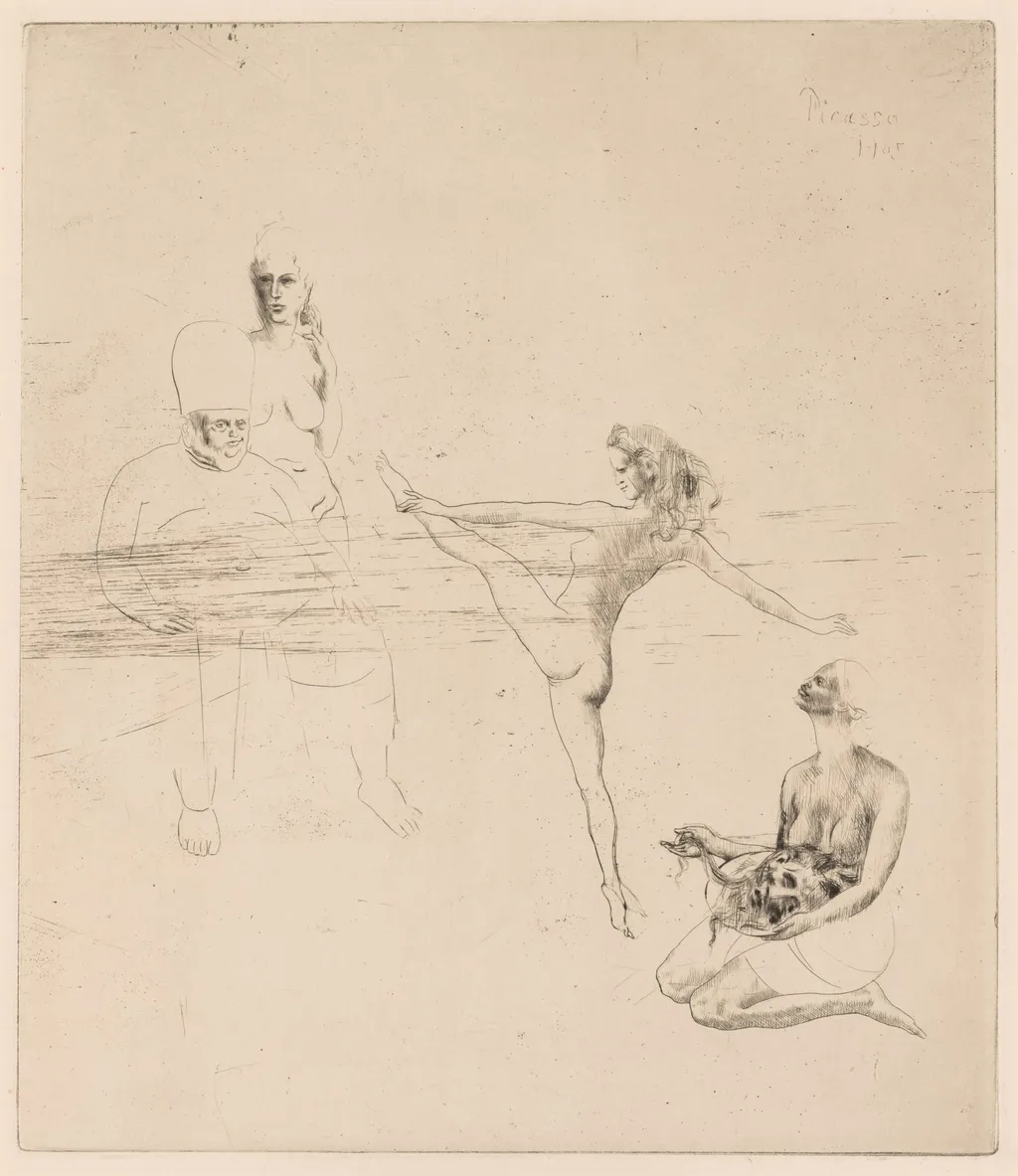
Salomé is a print by Pablo Picasso. It dates from 1905 and is held in the collection of the Cleveland Museum of Art.
About this work
Overview
It reflects his interest in figure composition and movement, made while he was engaging with classical themes through a modern, spontaneous lens.
Pablo Picasso created *Salomé* in 1905, during a phase of rapid stylistic exploration in his early career. Though primarily known as a painter and sculptor, this work is a drawn study, executed in ink and wash. It reflects his interest in figure composition and movement, made while he was engaging with classical themes through a modern, spontaneous lens. The piece resides in the collection of The Cleveland Museum of Art.
Subject & Meaning
The drawing references the biblical story of Salomé, though it does not illustrate a specific moment from the narrative. Instead, Picasso focuses on the physicality and posture of female figures, suggesting themes of vulnerability, tension, or ritual. The absence of narrative detail shifts attention to bodily expression, aligning with his broader interest in human form over literal storytelling during this period.
Technique & Style
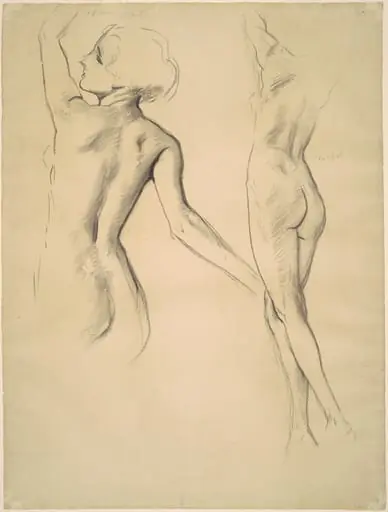
Executed in rapid, uneven black ink with minimal tonal shading, the work conveys motion through gestural lines. Figures are rendered in loose, unfinished strokes—arms raised, limbs twisted, heads bowed—as if captured mid-movement. The lack of defined contours and the sketch-like quality suggest an impromptu study, prioritizing energy over polish. Light washes add subtle depth without defining form rigidly.
History & Provenance
Created in 1905, the drawing emerged from Picasso’s time in Paris, where he was absorbing influences from classical art and contemporary avant-garde circles. It entered The Cleveland Museum of Art’s collection through established acquisition channels, likely as part of a broader effort to document his early graphic work. Its provenance remains unremarkable, consistent with many studies from this phase of his career.
Context
In 1905, Picasso was transitioning from his Blue Period toward a more experimental approach, soon to culminate in Rose Period works. This drawing reflects his engagement with academic figure studies, yet rejects formal precision in favor of immediacy. Similar sketches from this time reveal his interest in movement, often inspired by circus performers and mythological subjects, treated with raw, observational energy.
Legacy
Though not a finished painting, *Salomé* exemplifies Picasso’s habit of using drawing as a laboratory for form and gesture. Its unpolished quality reveals the artist’s process, offering insight into how he distilled complex subjects into essential lines. Such studies underpin his later innovations, demonstrating that experimentation often preceded monumental works.
Artist & collection
Artist
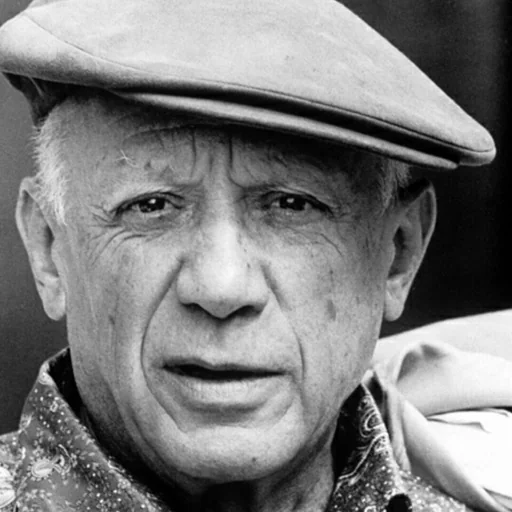
Pablo Ruiz Picasso (25 October 1881 – 8 April 1973) was a Spanish painter and sculptor who spent most of his adult life in France.

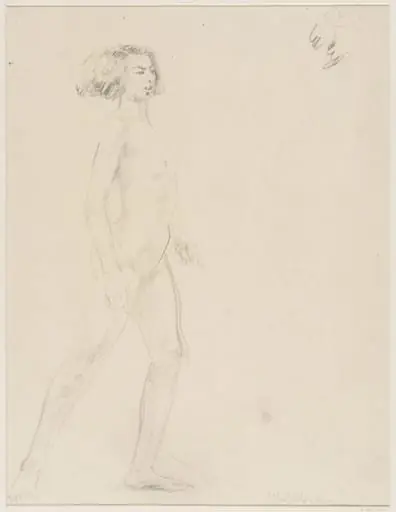 Study for the central figure in 'To the Land of Ecstasy'
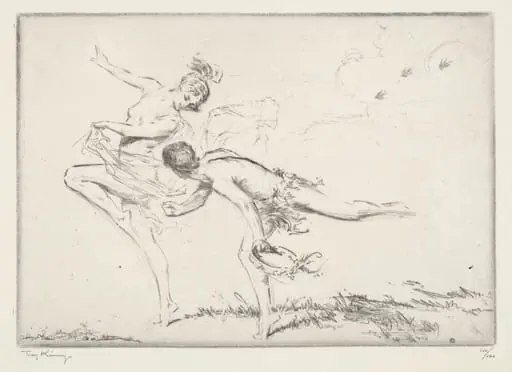 Swallows
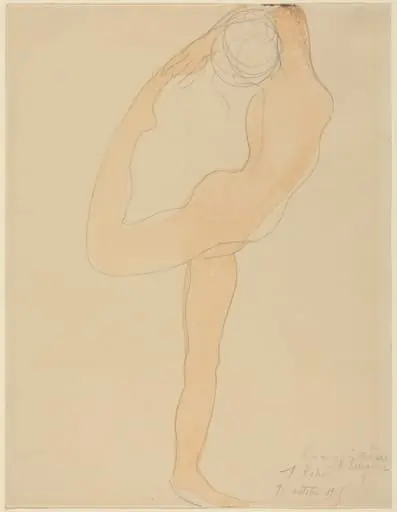 Dancing Figure
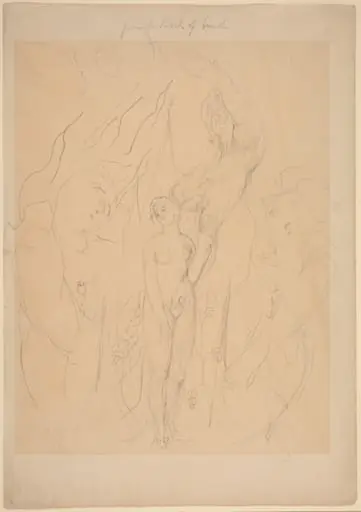 An Angel Teaching a Daughter of Men the Secrets of Sin
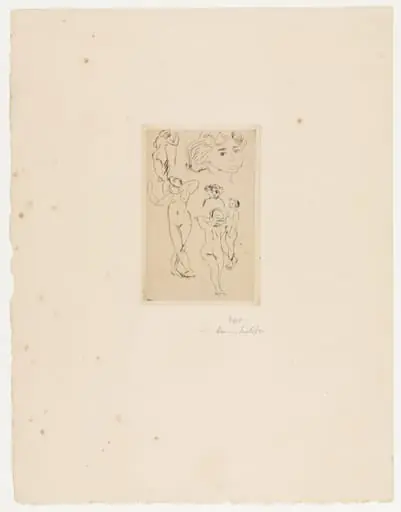 Untitled
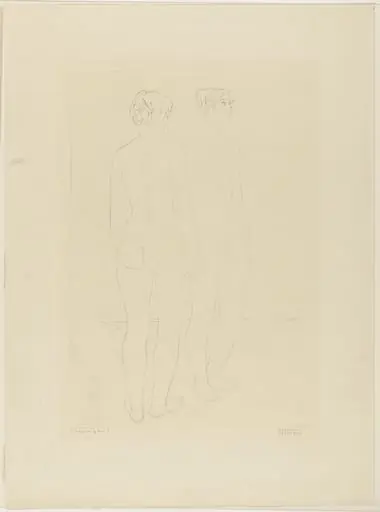 Untitled
 Untitled
 Lender Dancing the Bolero in "Chilperic" (Lender dansant le pas du boléro dans "Chilpéric")
 The Bath
 Untitled
 Studies for "Dancing Figures"
 Soul of the Vine