Artwork
Untitled
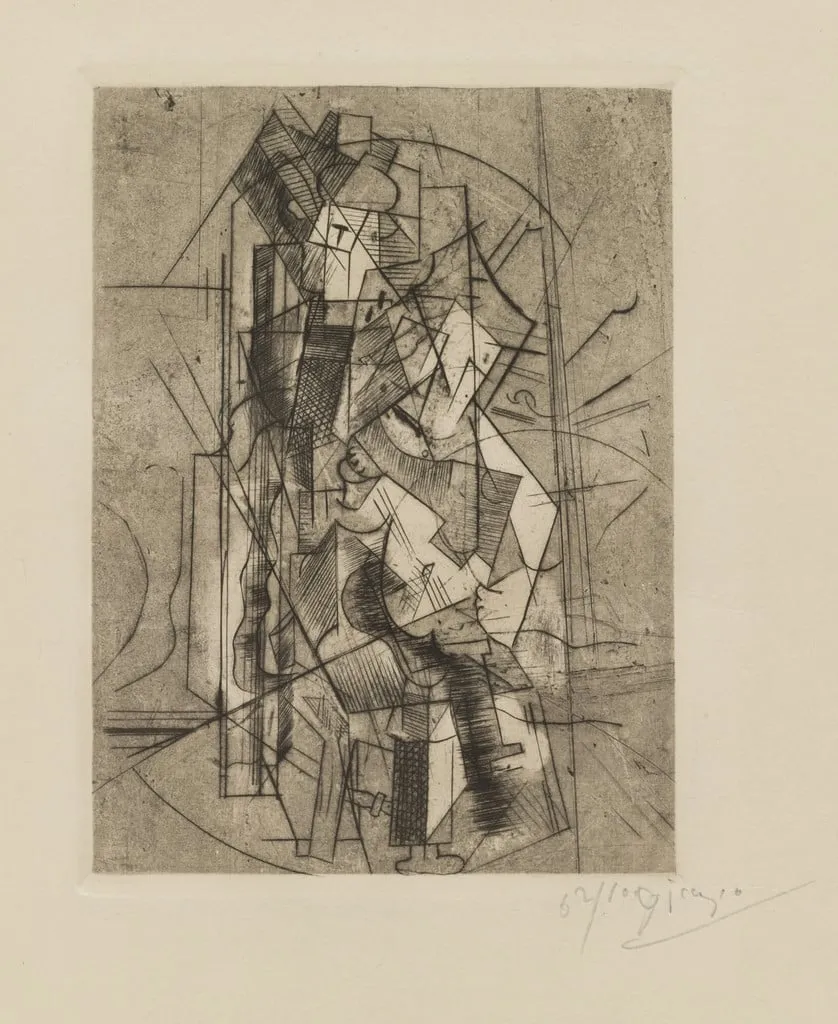
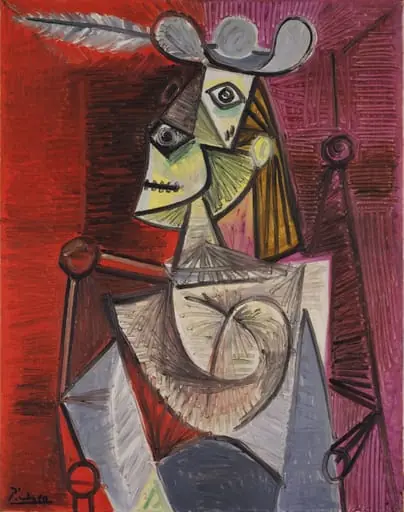
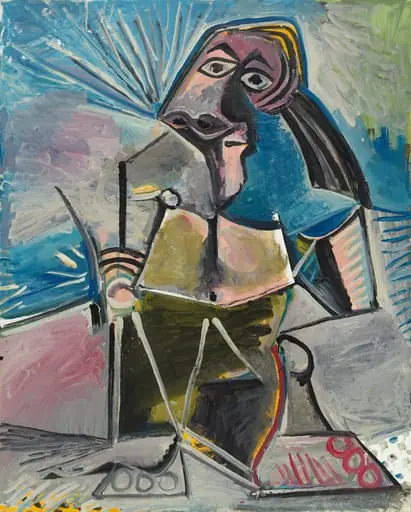
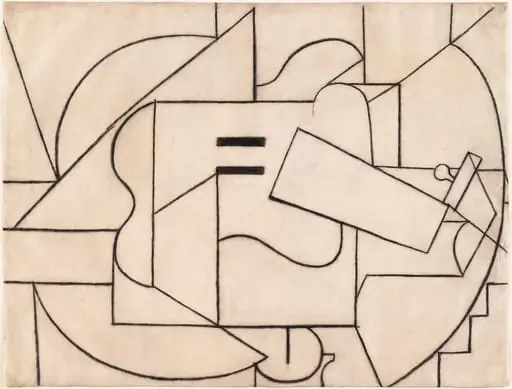
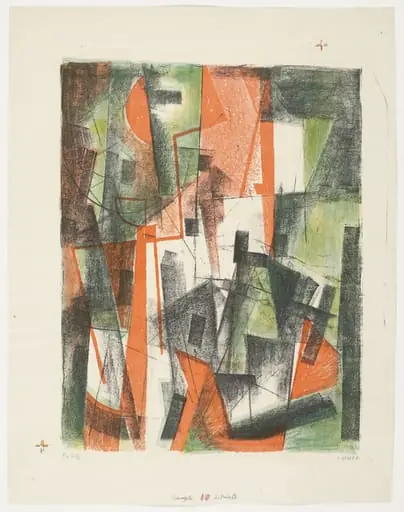
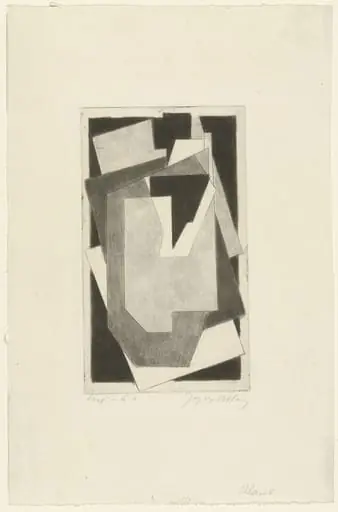
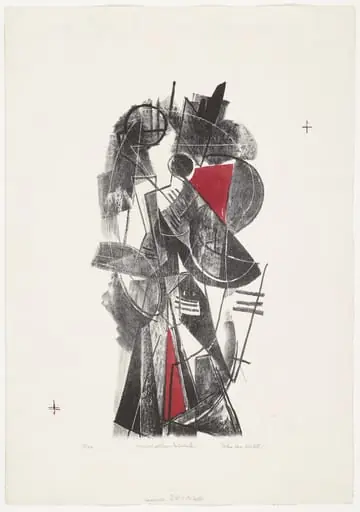
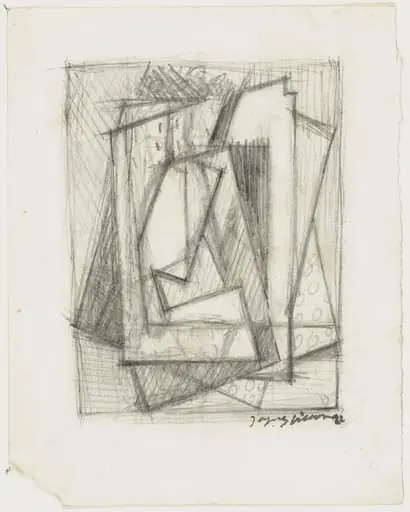
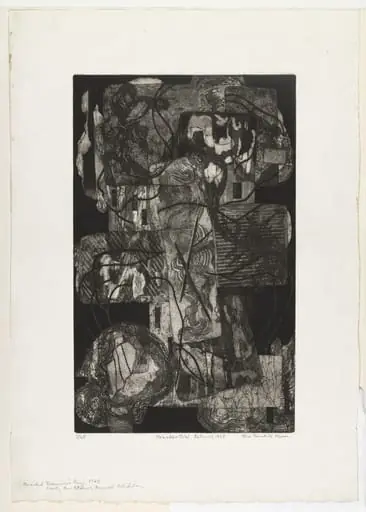
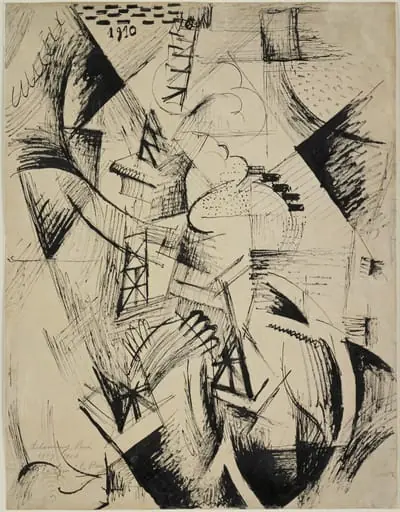
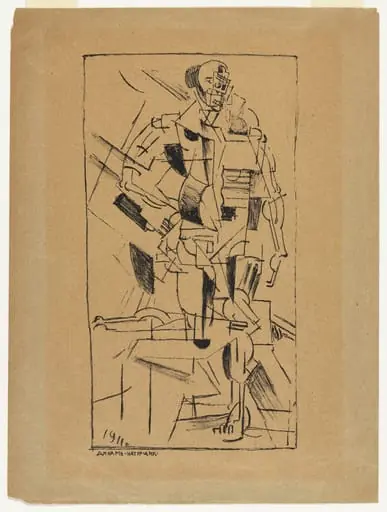
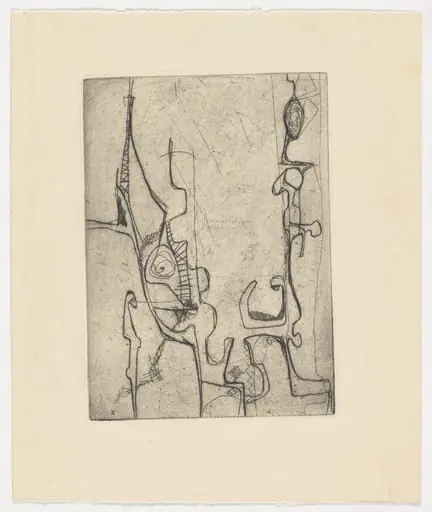
Untitled is an ink print by Pablo Picasso. It dates from 1915 and is held in the collection of the Museum of Modern Art.
About this work
Overview
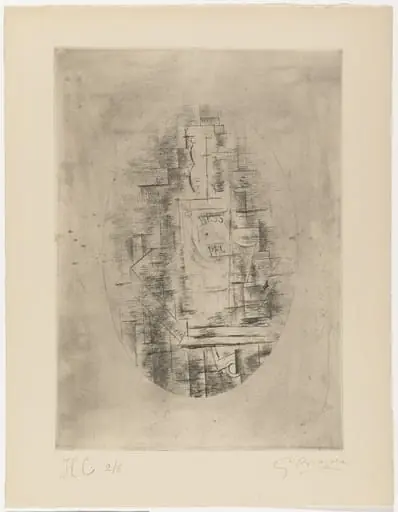
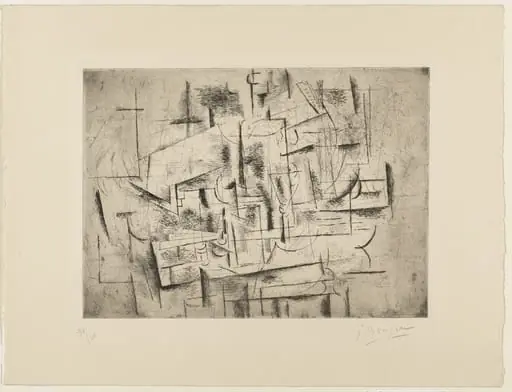
Created in 1915, this print by Pablo Picasso combines engraving, drypoint, and aquatint to explore abstraction through line and texture.
Created in 1915, this print by Pablo Picasso combines engraving, drypoint, and aquatint to explore abstraction through line and texture. It belongs to a phase in his career when he was deeply engaged with the formal possibilities of printmaking, moving beyond representation to investigate structure and space. The work is part of a broader body of graphic experiments from his time in France, where he had settled after early success in Spain.
Subject & Meaning
The subject is ambiguous, reduced to fragmented contours that suggest a human form without clearly defining it. Rather than depicting a recognizable figure, Picasso disassembles anatomy into intersecting planes and angular shards. This approach reflects Cubist principles, where perception is fractured to reveal multiple viewpoints simultaneously, challenging the viewer to reconstruct meaning from visual disarray.
Technique & Style
Picasso employed multiple intaglio methods to achieve varied tonal and linear effects. Engraving provided precise, controlled lines; drypoint added rough, velvety texture; aquatint introduced subtle gradations of gray. The dense cross-hatching and overlapping strokes create a sense of depth without modeling light or shadow conventionally. The result is a surface rich in tactile contrast, emphasizing process over illusion.
History & Provenance
This print emerged during a period of intense innovation in Picasso’s graphic work, following his co-founding of Cubism with Georges Braque. Though not part of a titled series, it aligns with other prints from 1914–1916 where he tested the limits of line and form. Its provenance traces to his Paris studio, where he produced numerous prints for private circulation and exhibition, often in small editions.
Context
In 1915, Europe was engulfed in war, and many artists turned inward, focusing on formal experimentation rather than narrative. Picasso’s work during this time reflected a broader modernist shift away from realism. Printmaking offered him a direct, economical medium to refine Cubist ideas, allowing rapid iteration and intimate scale, distinct from the monumental canvases of his contemporaries.
Legacy
This print exemplifies how Picasso expanded the expressive potential of printmaking beyond reproduction into a primary mode of artistic inquiry. His integration of multiple techniques influenced generations of printmakers who sought to merge abstraction with tactile materiality. The work remains a reference point for understanding the role of process in modernist visual language.
Artist & collection
Artist
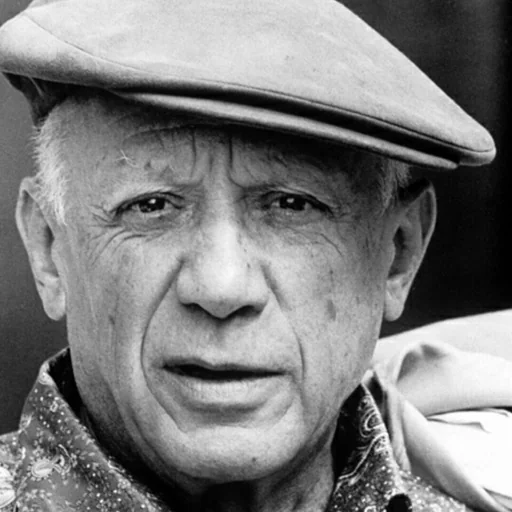
Pablo Ruiz Picasso (25 October 1881 – 8 April 1973) was a Spanish painter and sculptor who spent most of his adult life in France.